

Do eels have backbones and how does their skeleton support swimming?
An eel slips through water like a moving ribbon, but the motion is not magic. Do eels have backbones? Yes. They are vertebrate fish, and their long, flexible backbone works together with repeated muscle segments to create the familiar side-to-side wave.
The short answer to do eels have backbones is useful, but it misses the more interesting question: how can a bony animal bend so freely without losing control? For teachers, early-stage researchers, seafood buyers, and curious home cooks, eel anatomy explains both its swimming style and why processed eel is usually handled differently from round-bodied fish.
Eels are vertebrates with long flexible skeletons
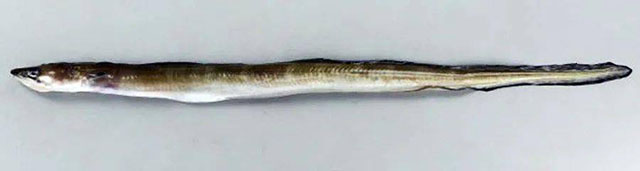
When people ask do eels have backbones, they are usually comparing eels with worms or snakes. Eels may look snake-like, yet they are fish. Their internal skeleton includes a skull and a long vertebral column. The vertebral column is made of many connected vertebrae rather than one stiff rod.
That structure answers do eels have backbones in practical biological terms. The backbone protects the spinal cord, gives muscles a firm place to pull against, and still permits repeated bending from head to tail. A straight, rigid body would not produce an eel’s characteristic swimming wave. A body with no internal support would bend, but it would not transfer muscular force efficiently through the water.
| Skeleton feature | What it does during swimming | What happens if the feature is misunderstood |
|---|---|---|
| Long vertebral column | Supports the body while allowing side-to-side bending along much of its length. | A learner may assume eels move only with their tail, missing how the full body contributes thrust. |
| Individual vertebrae | Allow many small bends to combine into a smooth travelling wave. | Calling the spine “rubbery” ignores that controlled bony support guides the motion. |
| Skull and jaw structure | Provide support for feeding and sensory functions while the body remains mobile. | Confusing an eel with a worm leads to an incorrect view of its anatomy and classification. |
| Body-length fin margins | Help stabilize motion and interact with the water as the body wave passes. | Assuming fins are unimportant can make eel propulsion seem like a tail-only action. |
So, do eels have backbones like other fish? They do, but the proportion and flexibility of the spine are what make their movement look so different from the short, powerful tail strokes of tuna or many reef fish.
How the vertebral column and segmented muscles produce anguilliform swimming
The phrase do eels have backbones becomes much more meaningful when connected to anguilliform swimming. “Anguilliform” describes the eel-like pattern in which a wave travels down a long body. The head may make a small side-to-side movement, the middle bends more clearly, and the tail often shows the widest sweep.
For anyone asking do eels have backbones, the answer is not simply “yes, they have bones.” The skeleton, muscles, and water resistance operate as one mechanical system.
| Body system | How it works | Effect on swimming | When the explanation matters |
|---|---|---|---|
| Vertebral column | Provides repeated bony support points along the body. | Stops the body from collapsing while still allowing a travelling bend. | Useful when explaining why an eel can bend sharply yet remain controlled. |
| Segmented muscles | Muscle blocks on alternating sides contract in sequence. | Creates a wave that moves rearward from the head region toward the tail. | Useful for showing that propulsion is generated across the body, not at one point. |
| Flexible body mechanics | The body bends against water and pushes water backward and sideways. | The reaction helps move the eel forward. | Useful for comparing eel motion with fish that rely mainly on caudal-fin strokes. |
| Tail and fin margins | Receive the final, stronger part of the body wave. | Help turn bending force into forward motion and stability. | Useful when discussing turning, low-speed control, and movement through narrow spaces. |
The conclusion is simple: eels swim because their bodies are supported enough to transmit force and flexible enough to form a wave. This model fits true eels and many elongated fish. It does not mean every long animal swims in exactly the same way. Snakes, lampreys, and other eel-shaped animals have their own anatomical differences.
For a classroom demonstration, place a rope on a smooth surface and send a gentle wave from one end to the other. The rope shows the wave pattern, but it does not show the whole biological process. An eel also has a skeleton directing the bend, muscle segments generating it, skin and fins interacting with water, and nerves coordinating timing.
Why the body bends in a wave instead of folding randomly
Another useful layer behind do eels have backbones is force control. The vertebrae are connected in sequence, and each muscle segment contributes a small part of the bend. Rather than folding at one weak point, the body distributes bending across its length.
This matters because a swimming eel needs both flexibility and restraint. Too little flexibility would limit turning and make close-range movement inefficient. Too much uncontrolled flexibility would waste muscular effort because the wave would lose its organized shape. The backbone acts as the internal framework that keeps the movement purposeful.
- Conclusion: The wave must travel backward along the body. Reason: Backward-moving bends push water in a way that supports forward motion. Best fit: Explaining normal eel cruising and maneuvering. Limit: The exact body wave changes with speed, water conditions, and species.
- Conclusion: Alternating left and right muscle activity is needed. Reason: Pulling on one side bends the body toward that side; alternating contractions form the wave. Best fit: A basic anatomy or biology lesson. Limit: A diagram cannot fully show the nerve signals that coordinate each contraction.
- Conclusion: A long backbone is an advantage for this movement style. Reason: Many linked sections spread the bend along the body. Best fit: Comparing an eel with a compact, deep-bodied fish. Limit: Spine length alone does not determine swimming performance.
That is why the answer to do eels have backbones also explains their silhouette. The narrow form is not only visually distinctive. It is part of a body plan adapted for sustained, wave-based movement.
Cold fact about eel anatomy that surprises many readers
A common mistake is to assume that “eel” always means the same kind of animal. The question do eels have backbones applies to true eels because they are vertebrates, but some animals with “eel” in their common name belong to different groups. For example, electric eels are not true eels; they are more closely related to knifefish. They still have backbones, yet their classification and specialized electric organs differ from those of true eels.
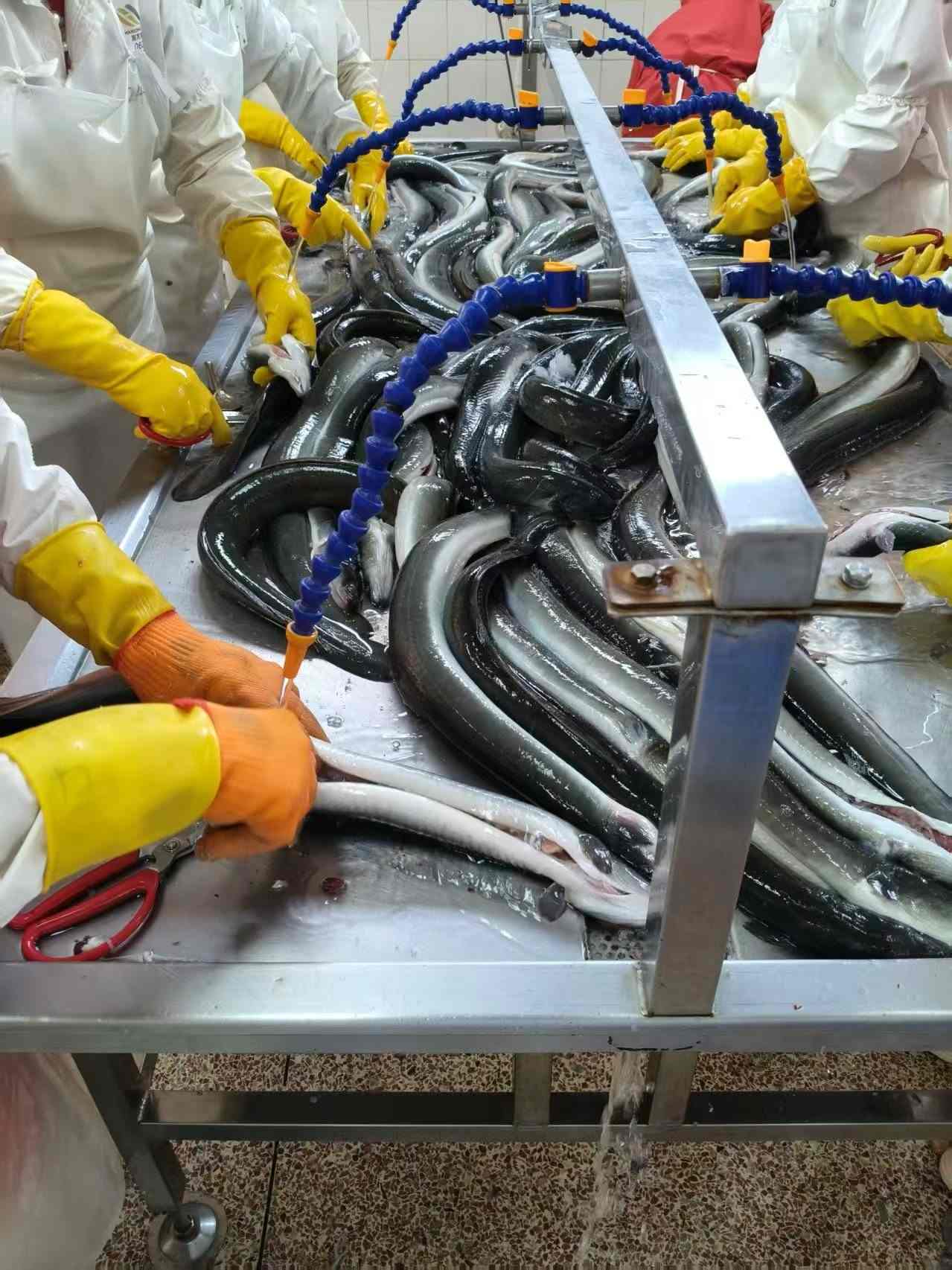
Another surprise: an eel’s skeleton is not a single visible “center bone” like the large central bone many people expect in a fish steak. Its body contains a long sequence of smaller bones and associated structures. This is one reason careful processing matters when preparing eel for foodservice.
Avoid these anatomy and cooking assumptions
- Mistake: “Eels are boneless because they bend easily.” Correction: Their flexibility comes from a long, jointed vertebral column and muscle control. This correction applies to anatomy education; it does not identify every bone remaining in a food product.
- Mistake: “All eel-shaped animals are true eels.” Correction: Check the animal’s classification before making a biology claim. This is especially useful for school materials and menu storytelling.
- Mistake: “Boneless eel means no preparation checks are needed.” Correction: “Boneless” or “deboned” describes processing, not an absence of a skeleton in the live fish. Follow the supplier’s handling and preparation instructions for the product received.
- Mistake: “A more flexible body always means faster swimming.” Correction: Flexibility supports maneuvering and wave motion, but speed also depends on muscle power, body shape, and swimming conditions.
What eel anatomy means for unagi preparation and sourcing
For food buyers, do eels have backbones becomes a practical product question. A live eel has a vertebral column. A finished food product may be supplied as boneless or deboned, cut into portions, strips, chunks, sushi slices, or other standardized formats. The right choice depends on how the customer will heat, plate, and eat it.
Choose a deboned format when the menu calls for easy eating, fast assembly, or portions intended for customers unfamiliar with eel. The reason is straightforward: removing processing work can reduce back-of-house handling. This fits sushi counters, rice bowls, catering operations, and retail-ready use. It does not replace a buyer’s need to confirm the requested cut, package format, and final serving method before ordering.
| Buyer requirement | Suitable product direction | Why it fits | What to confirm before purchase |
|---|---|---|---|
| Fast menu assembly | Boneless or deboned portions | Reduces kitchen-side cutting and bone handling. | Portion style, packaging format, and heating method. |
| Sushi or rice-bowl presentation | Sushi slices or cut pieces | Supports consistent placement and serving appearance. | Slice or cut specification and sauce preference. |
| Restaurant grilling and finishing | Frozen unagi kabayaki | Provides a prepared roasted eel base for menu finishing. | Glaze profile, portion format, and order quantity. |
| Retail or gifting program | Skin packaging or gift-box format | Matches presentation-focused channels. | Label requirements, pack configuration, and negotiated MOQ. |
Eelpro supports standardized cutting options including shredding, dicing, strip-cutting, chunk-cutting, three-section cuts, and sushi slices. Our unagi kabayaki product range is relevant when a buyer needs a ready-to-heat roasted eel format rather than whole raw fish.
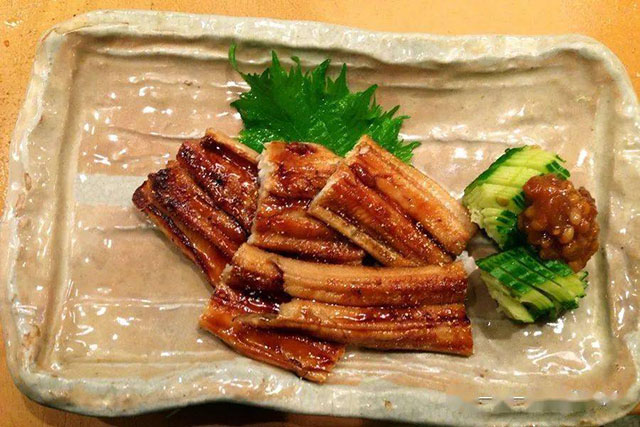
For sauce-led menu concepts, pair the selected cut with an eel sauce product page review. A sauce choice affects the final flavor direction, while bone removal and cutting affect eating convenience. They are related menu decisions, but they should be specified separately in an RFQ.
A practical checklist for educators and first-time eel buyers
If your starting question is do eels have backbones, use the checklist below to turn the answer into an accurate lesson or buying discussion. It avoids vague claims and keeps anatomy separate from finished-product specifications.
- Identify the context. For biology, say that true eels are vertebrate fish with long vertebral columns. For foodservice, ask whether the product is whole, boneless, deboned, or cut. Do not use a biology label as a purchasing specification.
- Explain the movement in order. Start with alternating muscle contractions, then the travelling body wave, then water pushed backward, and finally forward movement. This sequence fits introductory teaching. It does not cover every advanced hydrodynamic detail.
- Check the product format. Ask for the exact cut and packaging format needed for the intended menu. This fits purchasing teams and caterers. It does not set a universal MOQ because MOQ is negotiated by product specification and packaging.
- Review traceability needs. Buyers serving export markets should ask how farm-to-shipment traceability is managed. Eelpro works with approximately 20 customs-registered farming bases covering more than 2,150 mu, with full-chain control from farming registration to shipment tracking.
- Match compliance documents to destination. This is relevant for importers in Japan, the United States, the European Union, Germany, Poland, Australia, Indonesia, and Southeast Asia. Eelpro holds ISO 22000:2018, HACCP, HALAL certification, export food producer registration, and an SC food production license. Requirements should still be checked against the destination market and contract terms.
For background on farming control before discussing finished eel, see our eel farming bases. For an accessible food-focused extension of the anatomy discussion, our eel cleaning guide explains why processing steps deserve attention.
How to explain the answer in one clear sentence
If someone asks, do eels have backbones, a clear answer is: “Yes, eels are vertebrate fish, and their long series of vertebrae works with segmented muscles to send a wave down the body, pushing water backward and moving the eel forward.”
That sentence is accurate for a basic lesson, restaurant conversation, or product-training discussion. Its limit is that it simplifies a living animal’s movement. Real swimming also involves fins, sensory input, changing water conditions, and species-specific behavior. Still, it captures the main point: an eel’s skeleton does not restrict its fluid movement. It gives that movement shape.
Request a product specification or sample discussion for deboned eel, cut formats, or frozen unagi kabayaki sourcing.