





Do Eels Have Bones? Here's Why Tiny Pieces Still Show Up in Cooked Fillets
A guest bites into a beautifully glazed piece of kabayaki. Then stops. Something hard, thin, almost invisible — caught between the teeth. The short answer to do eels have bones is yes, and that single detail can turn a five-star dish into a complaint at the table. If you buy, cook, or serve eel for a living, you need to know exactly where those bones hide and how to check for them before plating.
Do Eels Have Bones? What the Anatomy Actually Shows
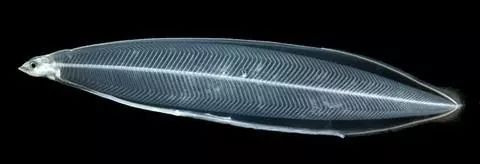
Eels aren't boneless novelty seafood. They're true bony fish with a full vertebral column running the length of the body — and unlike a cod or a tuna, that column is unusually long and segmented. Freshwater eels typically carry well over 100 small vertebrae, more than double what you'd find in a similarly sized salmon. That's the cold-knowledge fact worth remembering: an eel's body is basically a long chain of tiny bones wrapped in muscle, not a single central rib cage like most table fish.
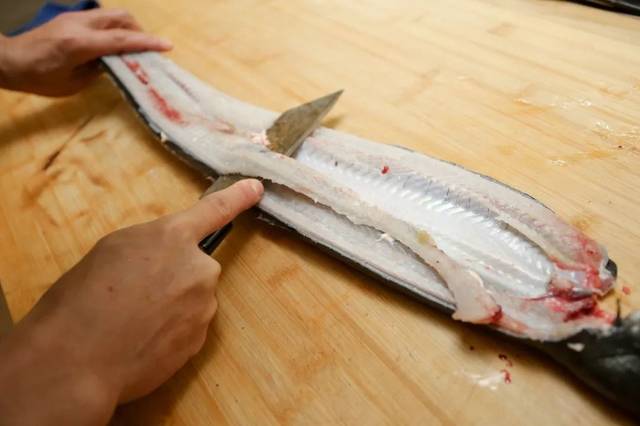
What this means practically: there is no single "big bone" to pull out and call it done. Deboning eel means removing a continuous strip of vertebrae and the fine rib-like extensions attached to it. Miss a few millimeters during that pass, and a fragment stays embedded in the flesh — invisible once the fillet is glazed and grilled.
Cutting Direction, Fillet Thickness, and Cooking Method — How Each One Changes Bone Detectability
Not every cut carries the same risk. The way a fillet is sliced, how thick it's left, and how it's cooked all change whether a stray bone stays hidden or gives itself away. This is the exact variable foodservice buyers should be asking suppliers about before placing a purchase order.
| Cutting Style | Typical Thickness | Common Cooking Method | Bone Detectability |
|---|---|---|---|
| 3-section cut (butterfly, backbone removed) | 8–10 mm | Kabayaki grilling | Low — main vertebral line removed, occasional rib fragment possible |
| Chunk-cut (bone-in pieces) | 15–20 mm | Simmered / braised | High — small vertebral segments remain by design |
| Strip-cut (julienne) | 3–5 mm | Stir-fried | Medium — thin strips visually hide fragments, texture reveals them on bite |
| Sushi slice | 2–3 mm | Lightly torched / raw-style | Low — thin profile makes any remaining bone easy to feel with the tongue |
| Dicing (cubes) | ~10 mm | Deep-fried tempura style | Medium-High — batter coating masks fragments until the actual bite |
The rule of thumb: thicker, bone-in chunk cuts intentionally keep small bones for flavor in broth-style dishes, while thin 3-section or sushi-style cuts demand near-total removal because there's nowhere for a bone to hide texturally. If you're sourcing for bone-sensitive diners — children, elderly guests, anyone with swallowing concerns — the 3-section cut with verified deboning is the safer default, not the chunk-cut.

How to Check for Bones in a Cooked Eel Fillet — A 5-Step Inspection
Kitchens that skip this step are the ones fielding complaints later. Here's the check we recommend running on any new batch or new supplier lot, before it ever reaches a plate.
- Raking-light visual scan. Hold the fillet under a low, angled light source and look along its length for thin translucent or white lines. Common failure: checking under bright overhead kitchen lighting, which washes out the glare that reveals a bone's edge.
- Finger-press along the grain. Run a clean fingertip along the muscle fiber direction, head to tail, feeling for stiff points. Common failure: pressing across the grain instead of with it — bones sit parallel to the fibers, so cross-checking misses them.
- Gentle bend test. Fold the fillet lightly at its thickest section. A bone fragment resists and creates a visible stiff point. Common failure: doing this on an overcooked, flaky piece — the flesh gives way before the bone would ever show resistance.
- Slow bite-sample check. Cut one piece to serving size and chew slowly, checking for grit before greenlighting the full batch. Common failure: skipping this on a familiar supplier because "it's always been fine before."
- Batch-level QC logging. Record any bone incident against the batch number and cutting spec used. Patterns show up fast — usually tied to one production line or one cut style. Common failure: not logging at all, so the same issue repeats silently across shipments.
For a full walkthrough of removing the vertebral strip itself, our cleaning, skinning & deboning guide covers the hand-filleting technique step by step.
Common Mistakes That Let Small Bones Slip Through
- Judging by glaze color, not texture. A deep, glossy kabayaki glaze can visually distract from a bone that would otherwise be felt on inspection.
- Relying on one supplier sample forever. Farming conditions and fish size vary by season — a spec that passed in spring can differ by autumn.
- Overcooking as a "safety net." Cooking longer softens flesh but does nothing to remove bone; it just makes bones harder to feel until the bite.
- Skipping metal detection at receiving. Bone fragments aren't metal, but batches with QC gaps in one area often have gaps elsewhere too — checking one control point without the others is a false sense of security.
- Assuming "boneless" on a label means zero fragments. It means the vertebral column was targeted for removal, not that every microscopic rib fragment is guaranteed gone — that's a probability claim, not an absolute.
A Buyer's Checklist for Sourcing Bone-Safe Eel
Before signing a purchase order for frozen unagi kabayaki or bulk eel fillets, ask your supplier these questions directly:
- What cutting specification is used — 3-section cut, chunk-cut, strip, or sushi slice — and does it match your dish format?
- What deboning process and equipment does the facility run? Ask specifically about roasting and deodorizing technology, since low-fat roasting processes affect how cleanly bone separates from flesh during production.
- Can they provide traceability back to a registered farming base? Full-chain tracking from farm to shipment reduces the odds of inconsistent raw material entering one batch.
- Is there an in-house lab and metal detection at critical control points, not just a final visual check?
- For bone-sensitive service lines, is a specific boneless/deboned SKU available and clearly separated from bone-in chunk products in the catalog?
Worked example: a US foodservice buyer sourcing kabayaki for a hibachi chain specified the 3-section cut with skin-packaging, requested lab verification against Japan/US/EU veterinary drug residue standards, and asked for cold-chain confirmation before booking the order — three checks, all answerable before shipment, none of them optional for a bone-sensitive menu.
Why Cold-Chain and Lab Verification Matter as Much as the Cut
A perfect deboning pass at the factory doesn't stay perfect if storage or transit conditions degrade flesh texture. Softened, over-thawed fillets make bone detection harder at every step above — the bend test loses accuracy, the finger-press test gives false negatives. That's part of why cold-chain stability (a 1,000-ton cold storage facility, for reference, is the kind of scale that keeps texture consistent across large export orders) matters just as much as the cutting spec on paper. Facilities running an in-house laboratory and metal detectors at critical control points catch issues that a visual check alone would miss — worth confirming directly with any supplier before a first order, and something you can review on our eel lab page.
Sourcing decisions also connect back to farming. Bases with customs-registered eel farming practices and consistent raw material size tend to produce more uniform fillets — which, in turn, makes the deboning pass more predictable. Inconsistent raw material size is one of the quieter reasons bone fragments show up more in some batches than others.
Cooking Method Still Matters After the Cut
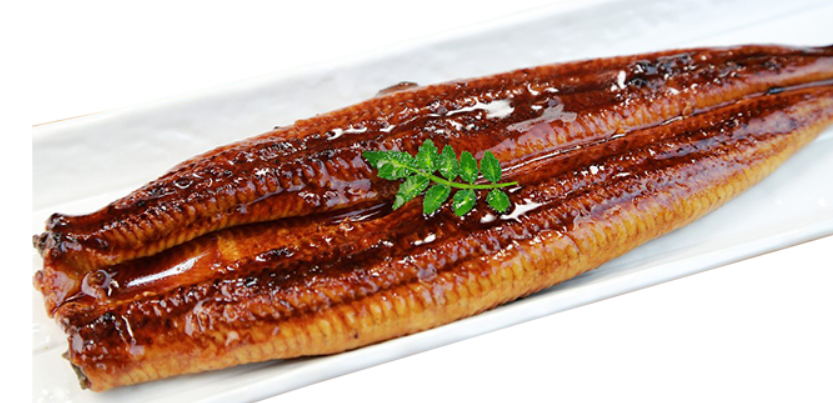
Even a well-deboned 3-section fillet needs correct cooking to stay safe and detectable. General food-safety guidance for whitefish and eel-type fillets recommends cooking to an internal temperature around 63°C (145°F) before serving — undercooked flesh is firmer and can mask a bone's resistance during a bend check, while properly cooked flesh gives a cleaner texture signal. Grilled kabayaki, done in the traditional multi-layer soy sauce glazing process, tends to show bone fragments more readily on the bend test than steamed or heavily sauced preparations, simply because the flesh firms up evenly under direct heat. If you want to see how that glaze technique affects both flavor and texture, our article on why the kabayaki sauce matters breaks down the layering process.
So, do eels have bones you need to worry about in a finished dish? Yes — but with the right cut, verified deboning, and a five-step check before service, the risk drops to something manageable rather than a surprise at the table. For teams building out a bone-sensitive menu, our unagi kabayaki line and eel sauce pairing are worth reviewing alongside your cutting spec before you finalize an order.
Have a specific cut or portion size in mind? Send us your spec sheet or request a sample batch, and we'll confirm deboning and cutting details before you commit to a full order.
 WhatsApp
 sales@chinaeels.com
 +8619937922411