





Understanding Eel Anatomy Do Eels Have Spines or Just a Skeleton
As a quality specialist overseeing seafood exports, a common question I encounter from importers and chefs is, "do eels have spines?" The simple answer is yes. Like other vertebrates, true eels possess a spine (a central vertebral column) and numerous fine, intramuscular bones. However, the confusion often arises from two sources: the difference between a vertebral column and the sharp, spiny rays found in the fins of other fish, and the misapplication of the name "eel" to entirely different species, like spiny eels.
Understanding this distinction is not just a matter of biology; it's critical for sourcing, processing, and import compliance. Misidentifying a species can lead to labeling errors, customs rejections, and a final product that fails to meet consumer expectations for texture and quality. At Eelpro, our entire supply chain, from our unagi eel farm network to our processing lines, is built on the foundation of sourcing and processing true eels of the order Anguilliformes. This ensures our partners in Japan, the US, and the EU receive a consistent, high-quality product that is correctly classified and safe.
How to Differentiate True Eels (Anguilliformes) from Spiny Eels (Mastacembelidae)
For importers and foodservice buyers, telling a true eel from a "spiny eel" is a fundamental checkpoint. The common name is unreliable; the physical characteristics, particularly the fin structure, are definitive. Using the wrong species can result in an entirely different texture and bone structure, complicating processing and disappointing end consumers. Spiny eels are not true eels; they belong to a different taxonomic order, Mastacembelidae.
Here is a direct comparison to help you identify the key anatomical differences at a glance. These are the markers our quality control teams use to verify species integrity.
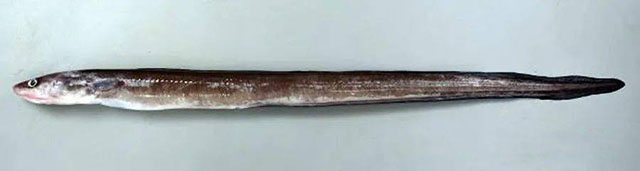
| Feature | True Eels (Order Anguilliformes) | Spiny Eels (Family Mastacembelidae) |
|---|---|---|
| Dorsal Fin | A single, long, continuous fin that merges seamlessly with the caudal (tail) and anal fins. It is composed of soft rays, not sharp, erectile spines. | Characterized by a series of short, sharp, isolated spines that precede the main soft-rayed part of the dorsal fin. These spines are not connected by a membrane. |
| Anal Fin | Also long and continuous, merging with the dorsal and caudal fins to create a single, unbroken fringe around the posterior of the body. | Long, but distinctly separate from the dorsal and caudal fins. It typically has 2-3 spines at its anterior base. |
| Pelvic Fins | Completely absent. This is a defining characteristic of the Anguilliformes order. | Also absent. This is a point of similarity that can cause confusion if used as the sole identifier. |
| Head and Snout | Varies by species, but generally well-integrated with the body. The mouth can be large, but the snout is not typically elongated into a fleshy probe. | Distinguished by a long, fleshy, mobile snout that extends well past the mouth, which is used for foraging in substrate. |
| Habitat | Catadromous life cycle—most species live in freshwater but breed in the ocean. Found globally. | Primarily freshwater bottom-dwellers found in Africa and Southeast Asia. Not marine. |
| Commercial Relevance | The basis for high-value products like unagi kabayaki, a staple in Japanese cuisine. Prized for its rich, fatty meat. | Sometimes consumed locally or kept in aquariums, but not used for traditional unagi production. The texture and bone structure are unsuitable. |
Key Takeaway for Buyers
When sourcing eel, your primary concern should be the dorsal fin. If you see a series of sharp, unconnected spines along the fish's back, you are not looking at a true eel suitable for unagi. This is the most reliable visual check to prevent mis-sourcing.
Why an Eel's Bone Structure Matters in Food Processing
Knowing that eels have spines and bones is the first step. Understanding how that bone structure impacts the final product is what separates a commodity supplier from a value-added partner. The skeleton of a true eel (like Anguilla japonica) consists of a vertebral column with many fine, needle-like intramuscular bones, often called "Y-bones." These bones are impossible for a diner to remove and create an unpleasant eating experience if not handled correctly during processing.
This is where professional processing becomes essential for foodservice and retail clients. Our facility's entire workflow is designed to address this specific anatomical challenge.
Boneless/Deboned Processing: Our skilled technicians meticulously debone the eel fillets. This is a manual, skill-intensive process that cannot be fully automated. Providing a boneless product drastically reduces back-of-house labor costs for restaurant chains and caterers. Chefs can use our products directly, saving time and eliminating the risk of a customer finding a bone. Our guide on how to cook eel provides more context on the deboning process.
Standardized Cutting Specifications: An eel's skeleton dictates how it can be cut. We offer custom cutting based on a deep understanding of this structure, including shredding, dicing, 3-section cuts, and precise sushi slices. This standardization ensures every piece is consistent, a requirement for large-scale foodservice operations in the US, Germany, and Poland.
Ready-to-Heat Packaging: Our frozen roasted eel is prepared and packaged to be ready-to-heat. The deboning and precise roasting process, which includes a 4-layer soy sauce application, ensures the fine bones soften and become unnoticeable, delivering a perfect texture every time. The final product is a tender, flavorful fillet without the hassle or risk of bones.
Ensuring Species Purity and Safety in Your Eel Supply Chain
For international buyers, particularly those in markets with strict import regulations like the European Union and Japan, supply chain integrity is paramount. Confirming that eels have spines is one thing; guaranteeing the species is correct and free from contaminants is another. This is where our full-chain control system provides a clear advantage.
Our commitment to quality is managed by a team of 25 technical and quality-control personnel and is built on several key pillars:
- Certified Farming Bases: We source raw material from approximately 20 customs-registered eel farming bases. These farms are certified and monitored to ensure they are raising true eels (Anguilla species) under controlled conditions, preventing species cross-contamination and managing inputs.
- Full-Chain Traceability: From the moment eel fry are registered at the farm to the final shipment, every batch is tracked. We conduct process verification, targeted sampling for veterinary drug residues, and maintain records that allow for complete traceability. This system is essential for meeting US and EU food inspection standards.
- In-House Laboratory and CCPs: Our professional eel lab performs microbiological and chemical testing. We also have critical control points (CCPs) like metal detectors throughout our two modern production lines to eliminate physical hazards. This internal oversight ensures our products meet HALAL, ISO 22000:2018, and HACCP requirements.
Common Sourcing Mistakes to Avoid
Based on my experience helping clients navigate import compliance, here are three common mistakes buyers make when sourcing eel products:
- Relying on Common Names: Sourcing based on names like "spiny eel" or "swamp eel" without verifying the scientific name (e.g., Anguilla japonica) is a significant risk. Always request the species name on specification sheets.
- Ignoring Farm-Level Controls: A supplier's factory certifications are important, but their control over raw materials is just as critical. Without traceable, certified farming bases, you cannot be certain about the absence of banned veterinary drugs or environmental contaminants.
- Underestimating Processing Expertise: A low price on a poorly deboned or processed eel product will lead to higher labor costs in your own kitchen and potential customer complaints. The value of expert processing far outweighs a small initial saving.
Our 4,000-ton annual production capacity and 1,000-ton cold storage facility ensure we can deliver a consistent, safe, and correctly identified eel product. By managing the entire chain, we help our partners in Australia, Indonesia, and across Southeast Asia avoid these common sourcing pitfalls and secure a reliable supply of premium frozen eel.
For a supply of fully traceable, expertly processed, and certified unagi kabayaki that meets global food safety standards, contact our export team to discuss your specifications and request a sample.
 WhatsApp
 sales@chinaeels.com
 +8619937922411