


Eel Benefits Through History Explain Why Cultures Have Valued Unagi for Centuries
Eel benefits are not a modern marketing invention. Long before nutrition labels existed, farmers in the Yangtze Delta and fishermen along the Thames were already grilling, smoking, and jellying eel for one simple reason: it worked. It filled hungry bellies during lean seasons, it kept laborers strong through harvest, and it tasted good enough that people kept coming back for more. For B2B buyers sourcing frozen unagi kabayaki or freshwater eel today, understanding this history isn't just trivia — it explains why demand for eel keeps climbing across restaurant menus and retail shelves worldwide.
This article walks through how different regions built eel into their daily diets, what nutrients drove that popularity, and how the tradition connects to the eel products moving through international trade today.
Why Has Eel Been Valued in Traditional Diets
Eel shows up in written records from at least the Edo period in Japan, and archaeological evidence suggests eel consumption in parts of Europe stretches back to Roman times. The reasons are practical, not romantic.
- High caloric density — eel meat carries substantially more fat than most freshwater fish, making it valuable in regions where food security was seasonal.
- Long shelf stability once smoked or salted — before refrigeration, smoked eel could survive weeks of storage or transport, which mattered enormously for trade routes.
- Availability in shallow rivers and rice paddies — eel could be caught with simple traps, requiring no boats or expensive gear, which made it accessible to poorer households.
- Believed restorative properties — in Japan, eating unagi during the hot midsummer day known as Doyo no Ushi no Hi became a custom to fight fatigue, a practice still followed today.
This is the historical root of what we now call unagi health benefits — the food solved a real problem before science explained why.
How Different Cultures Used Eel for Nutrition
Eel didn't stay confined to one region. It adapted to local cooking methods and dietary needs everywhere it appeared.
| Region | Traditional Preparation | Nutritional Role |
|---|---|---|
| Japan | Unagi kabayaki, grilled with sweet soy glaze | Energy food for laborers and summer stamina meals |
| China | Braised eel, eel congee | Protein source in river-delta farming communities |
| United Kingdom | Jellied eel, stewed eel pie | Cheap, filling protein for London's working class in the 1800s |
| Netherlands | Smoked eel (gerookte paling) | Preserved protein for coastal fishing towns |
| Italy | Roasted eel (anguilla), especially around Comacchio | Festive dish tied to Christmas Eve fasting traditions |
Notice the pattern — nearly every culture that had access to eel treated it as more than an everyday fish. It became tied to specific seasons, celebrations, or labor cycles, which tells you something about how much value people placed on it.
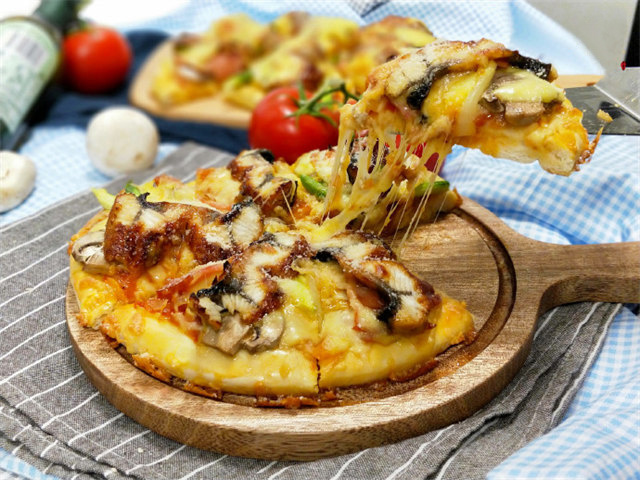
What Nutrients Made Eel Popular Historically
Long before "omega-3" was a marketing term, people noticed eel made them feel stronger. We now know why. Eel nutritional value comes from a fat and protein profile that's unusually dense for a freshwater species.
- Fat content around 20-25% in mature eel, far higher than lean whitefish, which explains the caloric punch prized by laborers.
- Vitamin A levels that are notably high compared to most fish, historically linked (without the science to prove it) to better eyesight and skin condition.
- Vitamin B12 and B2, supporting energy metabolism — likely the real explanation behind the "eat eel for stamina" custom in Japan.
- Eel omega-3 benefits — the fatty acids in eel support cardiovascular health, a fact modern researchers have confirmed, even if traditional cooks only knew it as "food that makes you strong."
Traditional eel consumption wasn't guesswork. It was generations of trial and observation, arriving at the same conclusion nutritional science reached later: eel is calorie-dense, nutrient-rich, and worth the effort to catch and prepare.
Eel Benefits Compared: Historical Belief vs Modern Nutritional Science
This is the differentiator worth understanding if you're sourcing eel products for foodservice or retail — the old traditions and the modern nutrition data actually line up.
| Traditional Belief | Modern Nutritional Explanation |
|---|---|
| Eating eel in summer fights fatigue | High B-vitamin content supports energy metabolism |
| Eel makes skin and eyes healthier | Vitamin A content is significantly above average for fish |
| Eel is a "strengthening" food for laborers | High fat and protein density delivers more usable calories per portion |
| Smoked eel keeps well for travel or storage | Curing and smoking reduce moisture, extending shelf life safely |
| Eel dishes reserved for festivals or hard seasons | Higher cost-to-catch ratio historically limited eel to special occasions |
For importers and restaurant buyers, this comparison matters. It means the appeal of unagi isn't a trend — it's a few thousand years of consistent behavior backed up, only recently, by lab data.
Common Mistakes Buyers Make When Sourcing Eel Products
Understanding the history is one thing. Applying it to sourcing decisions is another. Here are the mistakes we see most often from new importers and foodservice buyers:
- Assuming all kabayaki is the same — sauce quality, glaze thickness, and grilling method vary widely between suppliers. Our article on kabayaki sauce quality explains what separates a good glaze from a mediocre one.
- Ignoring fat content variation — eel raised in different water conditions can have noticeably different fat percentages, which affects both flavor and nutritional labeling.
- Overlooking sauce sourcing — many buyers focus entirely on the eel and forget that the eel sauce is half the flavor profile customers actually remember.
- Not checking freezing and cold-chain practices — freshness at the point of freezing determines texture after reheating, more than almost any other factor.
- Underestimating menu versatility — eel isn't limited to sushi. Buyers who explore options like eel noodle soup often find higher plate turnover than expected.
A Practical Scenario — Menu Planning Around Eel's Nutritional Story
Say you're a restaurant group adding a new eel-based dish and want to market its nutritional angle honestly. Here's a workable approach:
- Step 1: Source frozen unagi kabayaki from a supplier with traceable freshwater eel origin, such as an established eel farm.
- Step 2: Verify fat and protein content sheets from the supplier rather than relying on generic nutrition databases.
- Step 3: Pair the eel with a sauce that complements, not masks, the natural richness — a well-balanced tare keeps sodium and sugar in reasonable proportion.
- Step 4: Frame the dish description around historical context (a "stamina dish since the Edo period") plus nutrition facts (protein and omega-3 content), which resonates with both traditionalists and health-conscious diners.
- Step 5: Test seasonal promotion timing — many operators see stronger uptake when eel dishes launch around midsummer, echoing the original Japanese custom.
Buyer's Decision Checklist for Sourcing Eel with Confidence
- Does the supplier disclose eel origin and farming method? Check resources like our eel lab testing process.
- Is the sauce made in-house or outsourced? Flavor consistency depends heavily on this.
- What's the fat content range for the batch you're purchasing?
- Does the packaging support the cold chain needed for frozen seafood shipping over long distances?
- Can the supplier provide product pages with clear specs, such as unagi kabayaki product details?
FAQ — Common Questions About Eel Benefits and History
Why has eel been valued in traditional diets?
Because it delivered dense calories, good fat content, and long shelf life once smoked or salted — three things that mattered enormously before refrigeration existed.
How did different cultures use eel for nutrition?
Japan grilled it for summer stamina, the UK jellied it as cheap working-class protein, and coastal Europe smoked it for storage. Each culture adapted eel to its own food security needs.
What nutrients made eel popular historically?
High fat content, strong B-vitamin levels, notable vitamin A, and beneficial fatty acids — all recognized informally for centuries before modern nutritional science confirmed the details.
If your team is exploring new eel dishes or reviewing supplier options, browse our recipe library for practical ideas, starting with proper eel cleaning and deboning technique. We'd genuinely like to hear which traditional eel dish from this article surprised you most — drop a comment or reach out to compare notes on sourcing.