

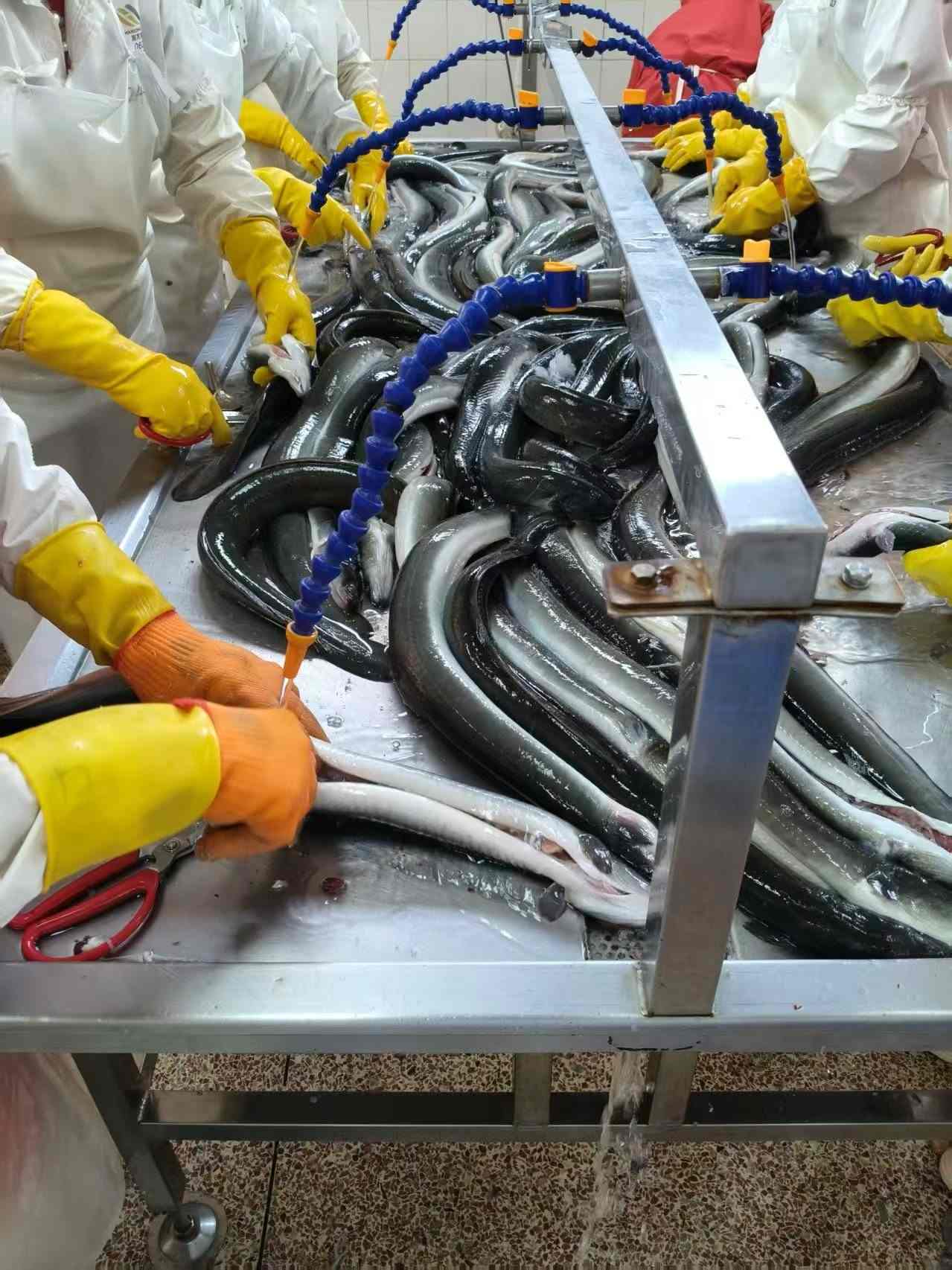
Facts about the gulper eel explain why pelican eel is the same animal
Picture a dark ocean more than 500 meters below the surface. A fish-like shape opens an enormous mouth, then disappears into black water. Is it a gulper eel, a pelican eel, or two different animals? The quick answer behind the most searched facts about the gulper eel is simple: they are the same animal.
The names “gulper eel” and “pelican eel” describe Eurypharynx pelecanoides, a deep-sea species known for its oversized expandable mouth and long, whip-like tail. “Pelican eel” refers to the pouch-like mouth, while “gulper eel” refers to the way that mouth can open widely around prey.

The short answer is yes, but the common names can mislead
Yes. The key facts about the gulper eel are that “gulper eel” and “pelican eel” are two common names for the same species. They are not separate seafood species, not different life stages, and not a freshwater eel versus a saltwater eel.
This distinction matters when reading seafood menus, aquarium labels, school materials, or online product listings. A name can sound familiar, but the animal behind it may be completely different. The gulper eel is a deep-ocean fish. It is not the type of eel used for Japanese-style grilled unagi.
For food buyers and home cooks, this is the practical conclusion: do not use dramatic deep-sea images or the term “pelican eel” as proof that a product contains unagi. Frozen kabayaki is made from freshwater eel, while the animal in these facts about the gulper eel is not a standard foodservice species.
The naming mix-up happens because many elongated fish are casually called eels. In ordinary conversation, that may be harmless. In sourcing, labeling, and food education, it is not precise enough.
Comparison clarifies common names species identity size habitat and the bioluminescent tail tip
Use this comparison when you want fast facts about the gulper eel without mixing it up with freshwater unagi or another long-bodied fish. The table separates what is known from what remains uncertain.
| Point of comparison | Gulper eel / pelican eel | What the detail means |
|---|---|---|
| Common names | Gulper eel and pelican eel | Both names refer to the same animal. |
| Species identity | Eurypharynx pelecanoides | This is the scientific name used to avoid common-name confusion. |
| Typical reported size | Often reported around 75 centimeters, with some reports reaching about 1 meter | The body is slender, so its huge mouth can make it appear larger than it is. |
| Habitat | Deep open ocean, often around 500 to 3,000 meters | It lives far below coastal fishing grounds and freshwater farms. |
| Mouth | Large, expandable pouch-like jaw | The mouth gives rise to the “pelican” and “gulper” names. |
| Tail-tip organ | A small light-producing organ at the tail tip | Its exact role has not been confirmed. Scientists have suggested prey attraction or signaling, but these remain possibilities rather than settled facts. |
One useful boundary belongs in every quick guide. The light at the tail tip is commonly described as bioluminescent, meaning it produces light through a chemical process. However, the precise purpose of that light is not known with certainty. Do not repeat claims that it “definitely lures prey” as if they were proven.
That uncertainty is one of the most honest facts about the gulper eel. Deep-sea observation is difficult. Much of what scientists know comes from collected specimens, occasional imagery, and studies of related deep-ocean animals.
Its strange body is built for a deep-ocean feeding life
Among the memorable facts about the gulper eel, the mouth is the feature people notice first. It can open much wider than the rest of the body suggests. The animal has a loose, expandable throat area, giving it a pouch-like look rather than the firm jaw shape people expect from coastal fish.
The main conclusion is that the enormous mouth helps it handle prey in a place where meals can be unpredictable. In deep water, an animal may need to make use of an available feeding chance rather than depend on frequent small meals. This explanation fits its habitat. It does not mean the gulper eel swallows everything in sight or attacks large animals.
Its body also looks unusually delicate. The head is large, while the body narrows sharply toward a long tail. The teeth are small rather than built for tearing through large prey. These details support the view that it feeds on manageable animals in the water column, including small fish and crustaceans.
Another point often missed in quick facts about the gulper eel is that its body shape is not a sign of poor health or damage. The thin tail and large mouth are normal species features. A photograph can look unreal because the fish comes from a world with almost no sunlight.
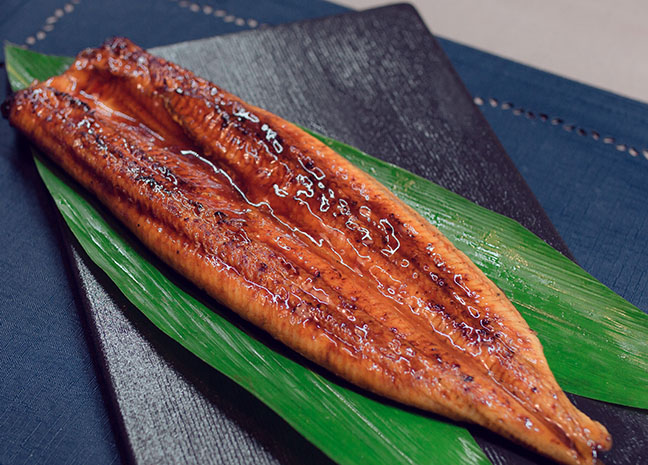
Why gulper eel facts should not be mixed with unagi facts
Search results sometimes place deep-sea eels beside grilled eel recipes. That can confuse shoppers. The facts about the gulper eel in this article concern a deep-sea species, while unagi refers to freshwater eel used in Japanese cuisine.
For a dinner table comparison, the conclusion is clear: gulper eel is an animal to learn about, not a familiar ingredient to buy for kabayaki. If you are looking for prepared Japanese-style eel, review the product description, species information, processing format, and storage requirements rather than relying on the word “eel” alone.
- Choose gulper eel information when you are researching deep-sea biology, unusual fish, or ocean wildlife.
- Choose unagi product information when you are planning rice bowls, sushi, noodle dishes, or restaurant menus.
- Ask for product specifications when a supplier uses broad wording such as “eel product” without identifying the preparation format.
- Do not assume all eels taste alike because they differ by species, habitat, processing method, and intended use.
For example, Eelpro supplies prepared freshwater eel products such as unagi kabayaki products. These are roasted and seasoned products intended for foodservice and retail use, not deep-sea gulper eel.
Sauce can create another small source of confusion. “Eel sauce” usually describes a sweet-savory seasoning used with eel dishes; it does not mean the sauce is made from gulper eel. See our eel sauce product page for the food product context.
A practical checklist for checking an eel-related claim
These facts about the gulper eel are easiest to use when you check the name before sharing a post, choosing a recipe, or requesting a quote. Follow the steps below.
- Check the common name. If the label says gulper eel or pelican eel, treat the two names as the same animal unless a scientific name says otherwise.
- Look for the scientific name. Eurypharynx pelecanoides confirms the deep-sea species discussed here.
- Check the habitat statement. Deep open ocean at roughly 500 to 3,000 meters fits gulper eel information. A freshwater farm does not.
- Inspect the image feature. The most useful visual clue is the huge pouch-like mouth combined with a thin tail.
- Separate biology from food labeling. A recipe for unagi should identify a culinary freshwater eel product, not rely only on a dramatic “eel” image.
- Ask what is confirmed. If a post says the tail light has one definite function, request a scientific source. The tail-tip purpose remains uncertain.
This checklist suits restaurant staff, food writers, parents helping with school projects, and buyers reviewing product descriptions. It does not replace import documentation, species declarations, or food safety verification when purchasing commercial seafood.
Common mistakes that create gullper and pelican eel confusion
Several online shortcuts turn simple facts about the gulper eel into inaccurate claims. Avoid these traps.
- Mistake: Treating gulper eel and pelican eel as separate species.
Correction: They are common names for Eurypharynx pelecanoides. - Mistake: Calling it a typical freshwater eel.
Correction: It is a deep-ocean animal, not a farmed freshwater unagi species. - Mistake: Saying the tail light is proven bait.
Correction: The purpose is still uncertain. Prey attraction is a suggestion, not a confirmed rule. - Mistake: Assuming every long fish is suitable for kabayaki.
Correction: Culinary suitability depends on the actual species and preparation, not body shape. - Mistake: Using a viral image as identification.
Correction: Confirm the scientific name, mouth shape, habitat, and source before sharing.
A small spelling note helps, too: the accepted common term is “gulper eel,” not “gullper eel.” Search engines may still show both spellings, but accurate labeling helps readers find better information.
Frequently asked questions about this deep-sea animal
Are gulper eels and pelican eels exactly the same?
Yes. The central facts about the gulper eel are that gulper eel and pelican eel are alternate common names for Eurypharynx pelecanoides. “Pelican” describes the pouch-like mouth. “Gulper” describes its wide opening. The names describe different visual impressions, not different animals.
Is a gulper eel the same as unagi?
No. Gulper eel is a deep-sea species, while unagi is the Japanese culinary term commonly used for freshwater eel dishes. The distinction matters for recipe planning and purchasing. For cooking ideas involving prepared eel rather than deep-sea wildlife, explore these easy eel cooking methods.
Does the gulper eel really have a glowing tail?
It has a light-producing organ at the end of its tail. This is one of the better-known facts about the gulper eel. Still, the exact biological purpose of the light has not been confirmed. It may help attract prey or play another role, but responsible descriptions should keep that limit clear.
Can people eat gulper eel?
It is not a familiar commercial food species or a standard alternative to unagi. If your goal is to serve grilled eel, use a properly identified food-grade product designed for that purpose. Eelpro applies export-oriented controls to its freshwater eel supply chain, with traceability supported by customs-registered farming bases and quality checks. Learn more about our eel quality laboratory.
Use the right name before you choose the right eel product
The final practical point from these facts about the gulper eel is simple. Common names can be colorful, but scientific identity and intended use are what prevent confusion. Gulper eel and pelican eel mean the same deep-sea animal. Neither name should be used as a substitute for a clear unagi product description.
For menus, retail listings, and food education, state the animal name first, then state whether the topic is deep-sea biology or culinary freshwater eel. That one habit prevents most mix-ups.
If you are sourcing prepared freshwater eel for foodservice or retail, request a product specification and quote from Eelpro.