

Pick the Right Eel Sauce Name for Sushi Menus
A sushi menu can lose credibility with one small wording mistake. Is the glossy sweet sauce on unagi sushi called nitsume, unagi no tare, kabayaki sauce, or simply eel sauce? The right eel sauce name depends on what is in the dish, how the sauce is prepared, and who will read the menu.
For sushi-menu writers, restaurant groups, importers, and foodservice buyers, the eel sauce name is not just a translation choice. It affects customer expectations, menu accuracy, supplier communication, allergen review, and product labeling. A diner ordering anago may expect a different finish from a customer ordering grilled unagi kabayaki over rice.
Here is the practical rule: use the Japanese term when it identifies a specific preparation, then add a plain-English explanation where customers need it. That approach keeps a Japanese menu authentic without leaving guests confused.

Start with the dish before choosing the menu wording
The best eel sauce name starts with the protein and cooking method, not with the color of the sauce. A dark, sweet-looking glaze is not automatically nitsume, and a sauce served with eel does not always need to be marketed as “eel sauce.”
Conclusion: for grilled freshwater eel, “unagi tare” or “kabayaki sauce” is usually the clearest choice. The reasoning is simple: tare refers to a sauce used during grilling or finishing, while kabayaki identifies the grilled, glazed preparation commonly associated with unagi. This wording suits sushi bars, Japanese restaurants, frozen prepared-eel product descriptions, and rice-bowl menus. It does not apply automatically to simmered conger eel, other fish, or a general-purpose sweet sushi drizzle.
Use the protein name as your first check
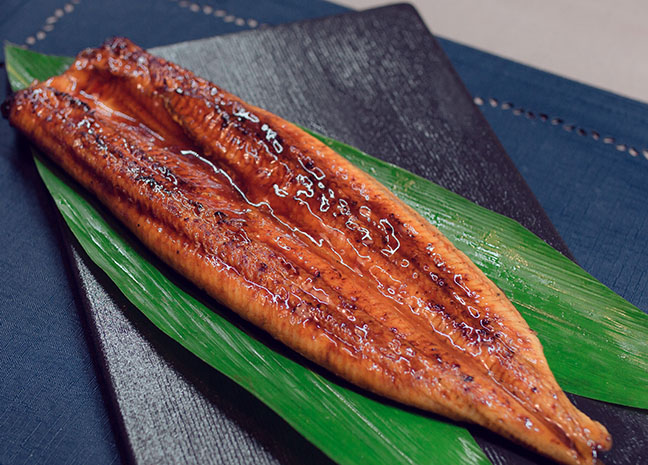
- Unagi: Freshwater eel. If it is grilled in kabayaki style, use “unagi tare” or “kabayaki sauce” where accurate.
- Anago: Conger eel. It is often simmered and may be brushed with nitsume. Do not call an anago finishing sauce “unagi tare” unless that is genuinely how the kitchen prepares and markets it.
- Other sushi items: If the same sweet sauce is applied to avocado rolls, salmon rolls, or fried appetizers, “sweet soy glaze” may be more transparent than an eel sauce name that suggests eel-specific use.
This distinction matters in print. A menu description such as “Anago nigiri with unagi tare” can create a mismatch between the Japanese preparation expected by informed diners and the product actually served. By contrast, “Grilled unagi nigiri with kabayaki sauce” tells the customer what they are getting.
For product pages, connect the sauce term to the finished eel format. Buyers sourcing glazed roasted eel can review our unagi kabayaki product information before deciding whether their menu needs a sauce name, a preparation name, or both.
Compare nitsume, unagi no tare, and kabayaki sauce before publishing
The three terms overlap in casual English use, but they are not interchangeable. The table below gives menu writers a working distinction. Treat the eel sauce name as a description of function and context, rather than a decorative Japanese phrase.
| Term | Preparation method | Typical menu context | Common English usage | What goes wrong if used incorrectly |
|---|---|---|---|---|
| Nitsume | A reduced, simmered sauce, traditionally associated with seafood preparations and often linked with anago. | Anago nigiri, Edomae-style sushi, and menus emphasizing traditional sushi technique. | “Reduced simmering sauce” or “sweet soy reduction.” | Calling every dark glaze nitsume can mislead guests who expect an anago-style finishing sauce rather than a kabayaki glaze. |
| Unagi no tare | Tare used with unagi, commonly brushed during grilling and used as a finishing sauce for grilled eel. | Unagi nigiri, unadon, unaju, eel rolls, and grilled-eel product descriptions. | “Unagi sauce,” “eel sauce,” or “grilled eel sauce.” | Using this term for non-eel dishes can make the menu sound less precise, especially when the sauce is a generic sweet soy dressing. |
| Kabayaki sauce | A sweet-savory glaze associated with the kabayaki grilling method, applied in layers during roasting or grilling. | Grilled unagi, eel rice bowls, bento items, and retail packages of prepared eel. | “Kabayaki sauce,” “grilled eel glaze,” or “sweet soy glaze for grilled eel.” | Calling it nitsume removes the link to kabayaki preparation and can confuse buyers comparing restaurant recipes with ready-to-heat eel products. |
Practical recommendation: use “unagi tare” on a Japanese-focused menu where diners recognize Japanese terminology; use “kabayaki sauce” when the preparation method needs to be clear; use “eel sauce” as the plain-English helper term for broad customer readability. The limit is that recipes differ by restaurant and supplier, so wording should describe the actual sauce and application method rather than assume one universal formula.
A useful format is: “Grilled Unagi Nigiri, brushed with kabayaki sauce” or “Unagi Roll with unagi tare sweet soy glaze.” Both make the menu readable without flattening the culinary distinction.
Choose the right eel sauce name for each menu format
Menu placement changes the best wording. A short sushi-bar menu needs fast recognition. A retail package or importer specification needs tighter technical language. The same eel sauce name should not be copied into every channel without review.
| Use case | Recommended wording | Why it fits | When not to use it |
|---|---|---|---|
| Sushi restaurant menu | Unagi sauce or kabayaki sauce | Guests can understand it quickly, while “kabayaki” adds Japanese culinary context. | Do not use “unagi sauce” if the dish contains anago and the sauce is specifically nitsume. |
| Traditional sushi counter | Nitsume for anago, unagi tare for grilled unagi | The terms show preparation-specific knowledge and match a more specialized audience. | Do not use Japanese-only wording when the customer base may not understand it and no explanation is provided. |
| Frozen prepared-eel packaging | Kabayaki sauce or unagi tare | The wording identifies the glaze with the grilled eel product and helps purchasing teams compare specifications. | Do not use “sushi sauce” if the product is intended for rice bowls, bento, or broader foodservice use. |
| General roll menu | Sweet soy glaze, with “eel sauce” in parentheses if needed | It tells customers what the topping tastes like without suggesting that every roll contains eel. | Do not use this vague wording for a premium unagi dish where the kabayaki method is a selling point. |
For example, a casual restaurant may label a dragon roll “topped with avocado and sweet soy glaze.” If the same restaurant offers grilled eel nigiri, “unagi nigiri with kabayaki sauce” is more accurate. This avoids using one eel sauce name as a catch-all phrase for unrelated dishes.
Avoid the menu mistakes that create customer and buyer confusion
Small terminology errors can multiply when a restaurant has printed menus, delivery-app listings, point-of-sale descriptions, distributor catalogs, and bilingual packaging. Use the eel sauce name consistently, but confirm that consistency is based on the real preparation.
- Mistake: treating “eel sauce” as proof that eel is in the sauce.
Use a clear ingredient statement separately from the menu name. “Eel sauce” is widely used in English as a culinary label, but customers may assume it contains eel. This is especially relevant for vegetarian roll descriptions and allergen communication. - Mistake: using nitsume for grilled kabayaki unagi.
Choose “kabayaki sauce” or “unagi tare” when the sauce supports grilled freshwater eel. Nitsume fits a narrower traditional context and should not become a fashionable substitute for every sweet glaze. - Mistake: translating tare as teriyaki without checking the recipe.
Tare is a broader Japanese sauce category. Some customers may understand “teriyaki,” but it is not automatically the correct name for every unagi preparation. - Mistake: putting Japanese words on the menu without a customer-facing explanation.
Pair the Japanese term with plain English on first use. For example, “unagi tare, a sweet soy glaze for grilled eel.” - Mistake: letting the supplier name replace the menu description.
Procurement documents may use an internal product name, while the restaurant menu needs guest-friendly language. Review both before launch.
Cold fact: “Tare” does not mean one fixed recipe. It describes a sauce category used in Japanese cooking. That is why a buyer should ask how the sauce will be applied: as a roasting glaze, a finishing brush, a dip, or a packaged condiment. The answer determines whether “unagi tare,” “kabayaki sauce,” or a broader eel sauce name makes sense.
For menus built around glazed grilled eel, our eel sauce product page can help buyers align sauce sourcing with menu wording. For recipe teams testing sweetness, gloss, and finishing application, this kabayaki sauce guide is also useful during development.
Build a buyer-ready naming and specification process
Restaurant groups and importers should approve terminology before purchasing artwork, printing labels, or loading product data into ordering systems. The right eel sauce name should match the recipe, finished product, intended market, and foodservice application.
- Identify the eel species and dish. Confirm whether the menu item is unagi, anago, or another seafood item. Do this before choosing any Japanese sauce term.
- Define the sauce role. State whether it is used during grilling, brushed after heating, supplied in a separate sachet, or used as a cross-menu drizzle.
- Choose the customer-facing phrase. Use “kabayaki sauce” for grilled-eel specificity, “unagi tare” for Japanese-menu accuracy, or “sweet soy glaze” for broad menu clarity.
- Add a plain-English explanation once. This is most useful on printed menus, online ordering pages, and export-market retail packaging.
- Check the phrase against the supplier specification. Confirm the sauce and eel format match the sales description. Do not approve an eel sauce name only from a marketing draft.
- Review food safety and import documents separately. Menu language is not a substitute for ingredient declarations, allergen review, or import compliance paperwork.
Eelpro applies export quality standards to its products, with ISO 22000:2018, HACCP, HALAL certification, export food producer registration, and an SC Food Production License. Our food safety system includes an in-house laboratory and metal detectors at critical control points. Buyers who need process documentation can also review our quality laboratory details.
For international sourcing, menu language should be checked alongside the buyer’s country requirements. Eelpro supplies kabayaki eel and eel sauce to customers in Japan, the United States, Germany, Poland, Australia, Indonesia, and Southeast Asian foodservice channels. Products are made to meet Japan, United States, and European Union food inspection standards for veterinary drug residues and microbiological indicators. For HACCP terminology and its food-safety purpose, see the HACCP guidance from the U.S. Food and Drug Administration.
Use this final checklist before the menu goes live
- Does the eel sauce name match unagi, anago, or a non-eel menu item?
- Does “nitsume” describe a reduced simmering sauce rather than a grilled kabayaki glaze?
- Does “unagi tare” refer to sauce used with unagi?
- Does “kabayaki sauce” correctly signal grilled, glazed eel preparation?
- Is there a plain-English explanation for customers unfamiliar with Japanese terminology?
- Does the wording match the actual supplier specification and packaging statement?
- Have menu, delivery-app, retail, and distributor descriptions been checked for the same terminology?
The strongest eel sauce name is the one that tells the truth quickly. For a traditional sushi counter, that may be nitsume or unagi tare. For a grilled eel rice bowl, kabayaki sauce is often clearer. For a broad roll menu, “sweet soy glaze” may prevent confusion. Accurate wording protects the menu’s character and makes purchasing conversations much easier.
Request a quote or sample guidance from Eelpro to match your unagi product, sauce format, and menu terminology.