

Grilled Unagi Quality Guide: Cut, Char, and Texture
You tear open a vacuum-packed frozen fillet. It hits the grill, and within minutes, the kitchen fills with that sweet, smoky, fatty aroma. But then you notice it — the fillet curls, the sauce burns in patches, and the texture is mushy, not flaky. That’s the difference between a menu star and a costly mistake. Grilled unagi quality isn’t luck. It’s a science of cut, char, and texture that starts long before the fish hits the heat.
For importers, distributors, and chefs, buying frozen unagi kabayaki isn’t just about price per kilo. It’s about plate performance. A poorly graded fillet can ruin a signature dish. A perfectly grilled piece can build a cult following. This guide breaks down what actually matters when you’re evaluating grilled unagi quality — the visual cues, the tactile feedback, and the product specifications that separate premium from pedestrian.
Why the Cut Matters Before the Grill
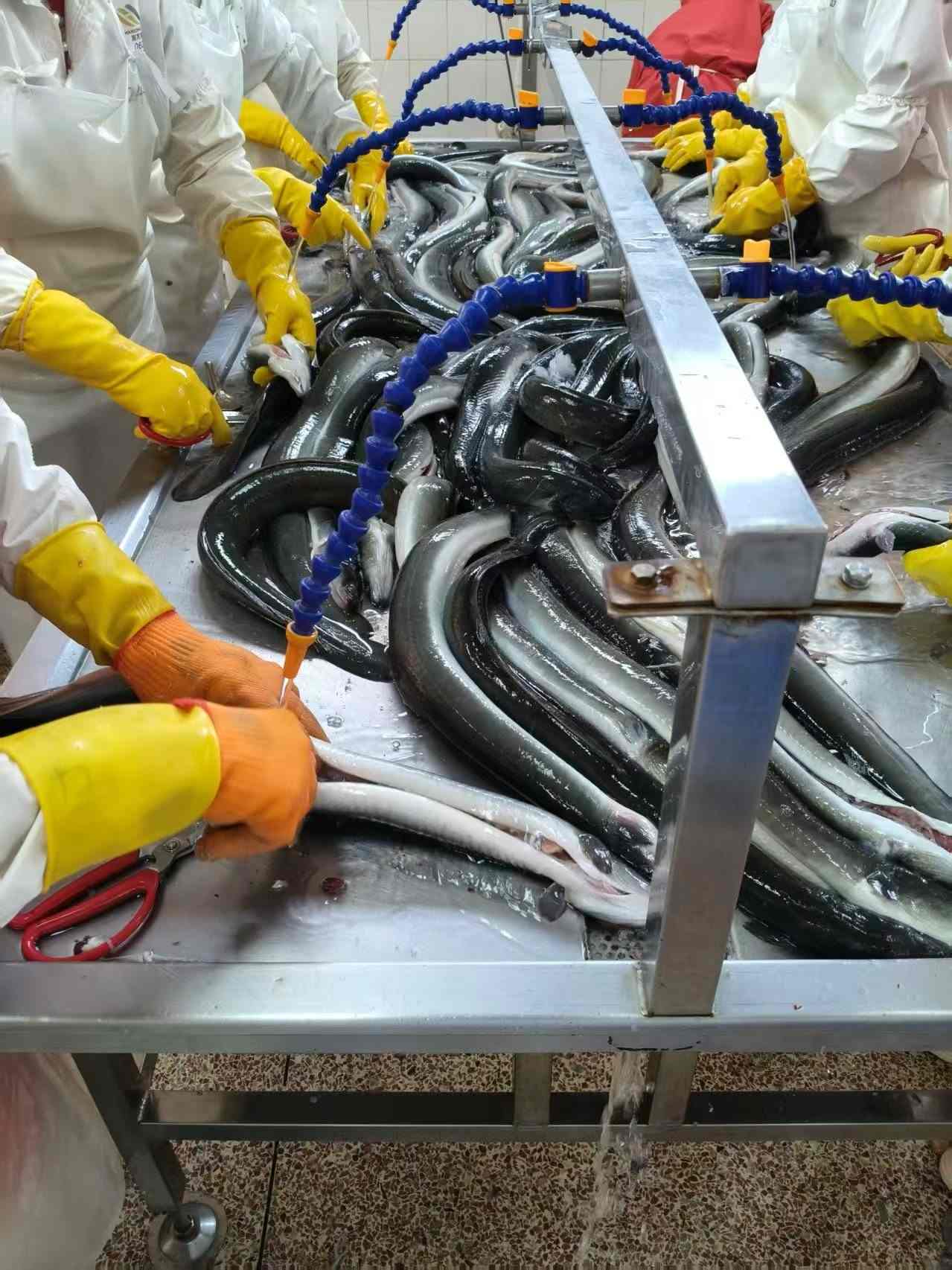
Ask any itamae and they’ll tell you: the knife work defines the eating experience. Unagi isn’t a uniform fish. The body tapers, the belly is fattier, and the tail is leaner. How a processor handles these variables directly impacts grilled eel texture.
There are two primary cuts you’ll encounter when sourcing from a frozen eel supplier:
- Hiraki (butterfly cut): The eel is split along the belly or back and opened flat. This is the standard for most kabayaki. It gives you a wide, even surface area that caramelizes beautifully. The thickness is relatively uniform, which means predictable cooking times.
- Kushi-giri (block cut): The dressed eel is cut into rectangular blocks, often skewered. You’ll see this for unagi donburi or bento applications. It’s convenient but leaves more cut edges exposed, which can dry out faster if the glaze isn’t applied correctly.
Then there’s the matter of where on the fish the fillet comes from. A premium unagi kabayaki product will often specify or allow you to select sections:
- Kami (front half): Richer, higher fat content. Melts on the tongue. Ideal for high-end nigiri or sashimi-style presentations where the luxurious mouthfeel is the star.
- Shimo (tail half): Firmer, leaner, with a more defined flake. Stands up better in soups, rolls, or dishes where the eel needs to hold its shape against other ingredients.
Ignoring the cut is a recipe for inconsistency. A mixed box of random sections will cook unevenly. Some pieces will be perfect, others overdone. For a restaurant kitchen during a dinner rush, that’s a nightmare. Specify your cut. Your grill cook will thank you.
Decoding Unagi Fillet Grades
Not all unagi is created equal, and the grading system is your roadmap to consistency. Unagi fillet grades aren’t just about size. They reflect a combination of origin, fat content, and visual perfection. Understanding this is central to how to evaluate grilled unagi quality before you even place an order.
While there’s no single universal global standard, most serious producers — including our team at Eelpro — grade based on a matrix that looks something like this:
| Grade | Typical Use | Key Characteristics |
|---|---|---|
| A / Premium | High-end sushi, unadon | Uniform golden-brown char, no skin blemishes, belly section preferred, fat content > 12%, flawless glaze coverage. |
| B / Standard | Bento, rolls, casual dining | Minor char variation acceptable, slight skin imperfections, mixed body sections, consistent texture. |
| C / Utility | Processed foods, fillings | Fragments, tail-heavy mix, uneven glaze, used for chopped eel (kizami unagi) or sauce bases. |
A common pitfall? Judging a fillet by its weight alone. A water-retained, poorly purged eel might weigh more but shrink drastically on the second grill. You’re buying water, not eel. Look for a clean, dry surface on the frozen fillet. Excessive ice crystals inside the pack signal temperature abuse or a slow freeze, which wrecks the cell structure and leads to a mushy final texture. Our eel lab runs constant texture analysis on every batch to prevent exactly this.
When you’re comparing suppliers, ask for their grading spec sheet. If they can’t provide one, you’re buying a mystery box. A clear spec should define acceptable char percentage, fillet length tolerance, and glaze ratio. These unagi product specifications are your quality contract.
The Char: More Than Just a Pretty Color
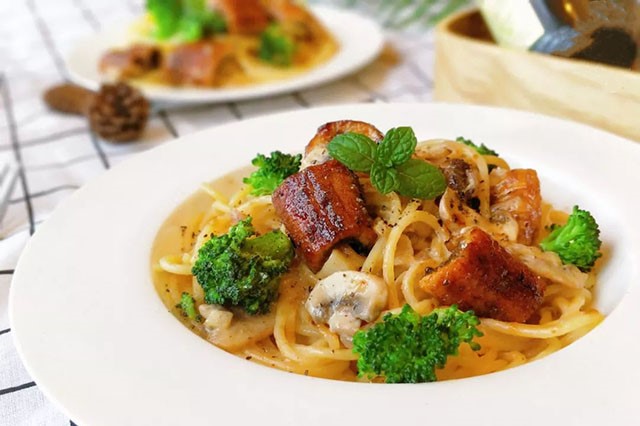
That glistening, mahogany-brown surface isn’t just aesthetics. It’s a flavor engine. The char on grilled unagi is the result of the Maillard reaction and caramelization of the tare sauce. Get it right, and you have a symphony of sweet, savory, and slightly bitter notes. Get it wrong, and it’s either pallid and steamed or scorched and acrid.
What makes grilled unagi tender and flavorful under that char is a precise dance of heat and time. The ideal piece has what we call a “tiger stripe” pattern — alternating bands of deep brown glaze and slightly lighter amber where the fat rendered and bubbled up. A uniform, dark, almost black surface often means the sauce was applied too early or the grill was too hot, carbonizing the sugars before the flesh could cook through.
Here’s a quick field guide to what the char is telling you:
- Glossy, slightly tacky surface: Perfect. The sugars in the eel sauce have polymerized just right. This piece will reheat beautifully.
- Dull, matte finish: The sauce was over-diluted or the eel was grilled too slowly, allowing moisture to steam the surface. Flavor will be washed out.
- Patchy, with bare spots: The fillet wasn’t dried properly before glazing. Steam pockets prevented the sauce from adhering. This is a processing flaw.
- Blistered and blackened edges: The tail or thinner sections weren’t protected. A skilled griller will shield these areas or trim them. If you see this on a frozen product, it suggests poor quality control.
For a foodservice operator, the char also dictates how the eel performs in a hot-holding scenario. A perfect char acts as a seal, locking in moisture. A poor char lets the fillet dry out under a heat lamp in under five minutes. Test this: reheat a sample fillet and let it sit. If it turns leathery, the initial grilling was flawed, no matter how pretty the box looked.
Texture: The Flake, The Bite, The Melt
Texture is the ultimate arbitrator of grilled unagi quality. You can mask a mediocre char with extra sauce, but you can’t fake a perfect flake. The ideal texture is a paradox: it should yield to the bite with a buttery softness, yet the flesh should separate into distinct, moist layers. Not mush. Not rubber.
How do unagi cuts affect grilling results when it comes to texture? Significantly. A thick, center-cut fillet from the belly will have a luxurious, almost custard-like interior when grilled correctly. A thin tail piece, even from the same fish, will be firmer and more fibrous. This is why grading and sorting by section is non-negotiable for a consistent customer experience.
When you’re evaluating a sample, use the “chopstick test.” Pick up a reheated fillet with chopsticks. It should hold together but show a slight, clean fracture line where it bends. If it snaps rigidly, it’s overcooked. If it collapses into a paste, it’s been over-processed or suffered freeze-thaw damage. The sweet spot is a fillet that quivers slightly — a sign of intact, hydrated muscle fibers.
Another texture killer? The skin. Grilled eel texture lives and dies by how the skin is handled. A properly grilled unagi has skin that is crisp and slightly blistered at the edges, melting into a gelatinous, collagen-rich layer just beneath. If the skin is rubbery and chewy, the initial steaming step (a critical part of the kabayaki process) was too short. The collagen didn’t convert to gelatin. There’s no fix for this on the reheat. It’s a fundamental processing defect.
Our farming practices directly influence this. The health and diet of the freshwater eels determine the fat structure. A stressed, underfed eel produces a lean, tough fillet. A healthy eel, raised in clean water with a controlled diet, develops the intramuscular fat that creates that signature melt-in-your-mouth sensation. You can taste the farm in the texture.
The Glaze Ratio: The Hidden Specification
There’s a number that rarely appears on a standard invoice but dictates your food cost: the glaze-to-eel ratio. The tare isn’t just a condiment; it’s part of the product. Too little, and the eel is bland. Too much, and you’re paying eel prices for sugar and soy sauce.
Industry standard for a premium frozen kabayaki is a glaze ratio of 10% to 15% of the total weight. Anything above 20% is a red flag — you’re being sold sauce, not protein. When you’re requesting samples for how to evaluate grilled unagi quality, weigh a fillet frozen, then gently scrape off the frozen glaze and weigh it again. This simple test can save you thousands of dollars on a container load.
The quality of that glaze matters just as much. A complex, slow-reduced kabayaki sauce clings to the fillet and reheats without separating. A cheap, thin sauce will pool on the plate and burn onto your grill. When you see a fillet with a deep, three-dimensional sheen, you’re looking at a sauce that’s been properly emulsified and reduced. That’s the secret weapon for a perfect eel rice bowl.
Bringing It All Together: A Buyer’s Checklist
So you’ve got a supplier’s sample box in front of you. The grill is hot. Before you sign that purchase order, run through this checklist. It synthesizes everything about cut, char, texture, and specs into a repeatable evaluation.
- Check the freeze: No large ice crystals. Vacuum seal tight. No signs of frostbite on the edges.
- Assess the cut: Are the fillets uniform in section? Or is it a random mix of belly and tail? Specify your requirement.
- Examine the char cold: Even frozen, you can see the glaze coverage. Look for the tiger stripe. Reject patchy, dull pieces.
- Weigh the glaze: Do a quick scrape test. Know your protein-to-sauce ratio.
- Reheat and rest: Grill or broil per the supplier’s instructions. Let it sit for 3 minutes. Then do the chopstick test.
- Taste the skin: Crisp, then gelatinous. Not rubbery.
- Taste the flesh: Clean, sweet, no muddy off-notes. The flake should be distinct but tender.
This isn’t about being a difficult customer. It’s about protecting your menu. A consistent, high-quality grilled unagi program builds trust with your diners. They come back for that exact texture, that exact char. Your job is to make sure the supply chain delivers it, every single time.
If you’re exploring how to anchor your menu with a reliable, premium unagi program, take a look at our full range of unagi kabayaki eel and frozen seafood. We’ve built our production line — from the unagi eel farm to the final freeze — around these exact quality metrics. Because in the end, the best specification sheet is the one you can taste.