

How to Make Unagi Sauce: Complete Guide
Unagi sauce is that glossy, amber-dark drizzle that turns a simple grilled eel into an unforgettable meal. The sweet-savory aroma hits you first—caramelized sugar, rich soy, a whisper of the grill. For food businesses, mastering how to make unagi sauce isn't just a recipe; it's a profit lever. A bad batch is thin, cloying, or one-dimensional. A great batch coats the back of a spoon and makes customers come back. Let's break down the real process, minus the fluff.
What Exactly is Unagi Sauce (Unagi Tare)?
At its core, unagi sauce—or unagi tare—is a reduced glaze built on four pillars: soy sauce, mirin, sugar, and sake. Unlike a quick teriyaki mix, traditional unagi sauce relies on repetition. Chefs don't make it fresh daily. They build a "mother sauce," dipping grilled eel into it, letting the fish oils and charred bits mingle back into the pot. The result deepens over months, sometimes years. It’s not just a condiment; it’s a living flavor archive. For a more detailed breakdown of what separates professional-grade sauce from the supermarket stuff, our eel sauce product page walks through the specifications that matter for export.
The Core Ingredients: No Shortcuts
Before you touch a stove, look at your ingredients. Skimp here, and you'll taste it immediately. There's no rescue for a sauce built on watery soy.
1. Soy Sauce (Shoyu)
This is the backbone. You want Japanese dark soy sauce (koikuchi). It has a higher wheat content than Chinese dark soy, giving a rounder sweetness and less aggressive salt punch. Avoid light soy—it lacks the body needed for a proper reduction. If you're producing at scale, your soy sauce's salt percentage dictates every other ratio. Test your supplier's batch first.
2. Mirin
Real mirin—hon mirin—contains about 14% alcohol and a complex sweetness from fermented rice. Aji-mirin (mirin-type condiment) is mostly corn syrup with a dash of alcohol. It works in a pinch, but the glaze won't have the same luminous sheen or depth. Heat the mirin first to burn off the raw alcohol smell before it meets the other ingredients. This small step prevents a harsh, boozy undertone.
3. Sugar
White granulated sugar is standard. But many Japanese kitchens blend in a portion of zarame (coarse raw sugar) or brown sugar. The molasses in unrefined sugar adds a subtle bitter-caramel edge that cuts through the fatty richness of eel. For a B2B operation, consistency matters most. We recommend a 70/30 blend of white to raw sugar for a predictable yet complex profile.
4. Sake
Sake adds umami and helps tenderize the eel proteins when used as a marinade. Cooking sake with added salt is fine, but adjust your soy quantity downward. A dry junmai sake is ideal—nothing too floral or fruity.
If balancing these variables sounds like a headache for your production line, you're not alone. Many restaurants and distributors skip the trial-and-error by sourcing a stabilized, export-ready product. Our kabayaki sauce article explains why consistency in viscosity and pH matters more than a "secret family recipe" when you're shipping globally.
How to Make Unagi Sauce: The Step-by-Step Process
This is the foundational recipe. Yields about 500ml of fresh sauce—perfect for testing before scaling up. Remember, this is your starting point. The real magic happens after you've used it a few times.
- Measure precisely: Combine 200ml dark soy sauce, 200ml hon mirin, 100ml sake, and 80g sugar (use the 70/30 blend mentioned above) in a heavy-bottomed saucepan.
- Dissolve cold: Whisk the sugar into the liquids off the heat until it feels dissolved. Don't rush this. Undissolved sugar crystals scorch on the pan bottom later.
- Low heat reduction: Place over medium-low heat. Once a few lazy bubbles appear, drop the heat to low. You want a bare simmer, not a rolling boil. A boil emulsifies the sauce too aggressively, making it cloudy.
- Skim the scum: A greyish foam will rise to the surface in the first 10 minutes. This is coagulated protein from the soy and sake. Skim it patiently with a fine-mesh spoon. Skipping this leaves a muddy flavor and rough texture.
- Reduce by one-third: Simmer gently for 30 to 45 minutes. The target is a 30% volume reduction. The sauce will shift from watery brown to a syrupy glaze. Drag a silicone spatula across the pan bottom—if the trail holds for a second before closing, it's done.
- Cool and rest: Pour into a glass or stainless steel container. Cool it in an ice bath, then refrigerate for at least 24 hours. Fresh sauce tastes disjointed. Resting lets the alcohol notes fade and the flavors marry.
This fresh batch is your canvas. In a professional kitchen, you'd reserve a portion of this to dip grilled eel, then pour the drippings back. Over time, the sauce absorbs unagi kabayaki fats and caramelized bits, evolving into a far more complex condiment than the day-one version.
Avoiding the 3 Biggest Flavor Mistakes
Even seasoned cooks trip up here. The line between a perfect tare and a sweet-salty mess is thin. Here’s where things go wrong.
Mistake 1: The Sugar Burn
Impatience kills sauce. Cranking the heat to speed up reduction scorches the sugar. You’ll smell it—a sharp, acrid bitterness. The sauce turns from amber to a murky, dark brown. Solution: If you see dark wisps rising from the bottom, kill the heat immediately. Pour the sauce into a new pan without scraping the bottom. The burnt layer stays behind.
Mistake 2: The One-Note Sweetness
A sauce that's just sweet soy is boring. It lacks dimension. The fix isn't more salt—it's bitterness and umami. A tiny drop of blackstrap molasses or a pinch of roasted coffee grounds steeped in the reduction for 5 minutes (then strained) can add that missing bass note. This is the "cold knowledge" that separates a home cook from a pro. For more advanced troubleshooting, our kabayaki sauce recipe: fix flavor mistakes guide covers pH balancing and mouthfeel adjustments.
Mistake 3: Using It Straight from the Fridge
Cold unagi sauce is thick, gloppy, and won't brush smoothly. It tears the delicate eel skin. Always warm the sauce gently before use. A bain-marie or a quick 15-second microwave zap restores its flow without cooking it further. Brushing cold sauce onto hot eel also drops the grill temperature, steaming the fish instead of searing it.
Scaling Up: From Kitchen Pot to Production Line
Making 500ml on a stove is one thing. Making 500 liters for a restaurant chain or export is a different beast. Viscosity becomes critical. You need a sauce that holds to the eel during freezing and reheating without separating. That requires precise Brix measurements and often a small percentage of a natural stabilizer like xanthan gum (usually 0.1% by weight) to prevent syneresis—the water weeping you see in low-quality frozen meals.
Our facility tackles this daily. When you're shipping frozen seafood and eel products across borders, the sauce must perform identically whether it's in a Tokyo kitchen or a California food truck. This is why many B2B buyers opt for a finished sauce that's already been formulated for freeze-thaw stability. You focus on the grill; we handle the chemistry.
Beyond the Eel: Unagi Sauce is a Kitchen Multitool
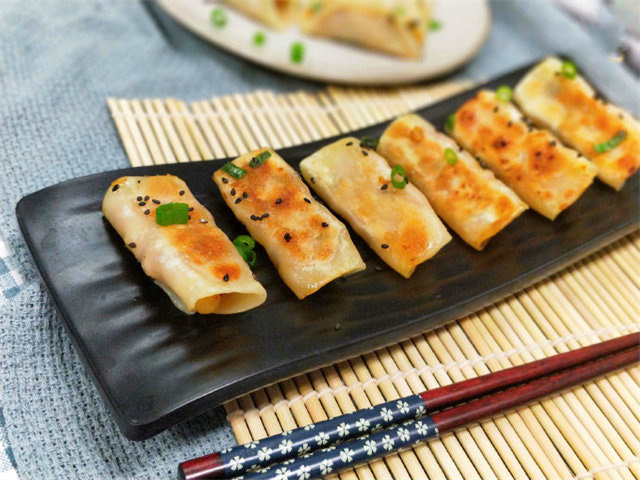
Don't limit this sauce to eel. Its sweet-savory punch works wonders across a menu. Brush it onto grilled unagi kabayaki eel, obviously, but also try it as a glaze for salmon, a drizzle over eel tempura, or even as a finishing sauce for a unagi ramen broth. It’s also a fantastic secret ingredient in stir-fries or as a dipping sauce for Chinese dimsum items like pan-fried radish cakes.
For meal-prep businesses, unagi sauce is a goldmine. It freezes beautifully in portioned sachets. A eel recipes for meal prep strategy that includes a separate sauce packet lets the end-user control the glaze level, preventing soggy rice bowls. The sauce itself, stored correctly, has a long refrigerated shelf life thanks to its high sugar and salt content—both natural preservatives.
The Make-or-Buy Decision for B2B Kitchens
Here’s the honest math. A scratch-made sauce requires skilled labor, 24-hour resting time, cold storage space, and rigorous batch testing. Inconsistent sauce leads to inconsistent dishes, and that leads to customer complaints. If your core business is grilling or retail, not sauce manufacturing, buying a ready-made, export-certified eel sauce often delivers a better ROI. You get a product that's already shelf-stable, pH-tested, and formulated to cling to eel perfectly during smoked eel preparations or high-heat broiling.
Whether you decide to make or buy, understanding the process gives you a sharper palate. You'll taste the difference between a reduction built on hon mirin and one cut with corn syrup. You'll know why a properly rested sauce tastes rounder. That knowledge translates directly into better quality control, no matter which path you choose. If you're exploring sourcing options, our unagi kabayaki manufacturer page details how our integrated production—from unagi eel farm to eel lab testing—ensures the sauce and the eel are engineered to work together.
Now, over to you. Does your kitchen build its tare from a 30-year-old mother sauce, or do you start fresh each week? The debate is endless. Share your approach—and your biggest sauce disaster—in the comments below.