


Eel Sauce vs Unagi Sauce: What’s the Difference?
A sushi plate arrives with glossy eel, warm rice, and a dark sweet-savory glaze. Then you notice that the menu calls it “eel sauce,” while your supplier’s bottle says “unagi sauce.” Are they different products, or simply different names for the same sauce? For most foodservice buyers, the answer comes down to naming, formulation, and intended use—not the label alone.
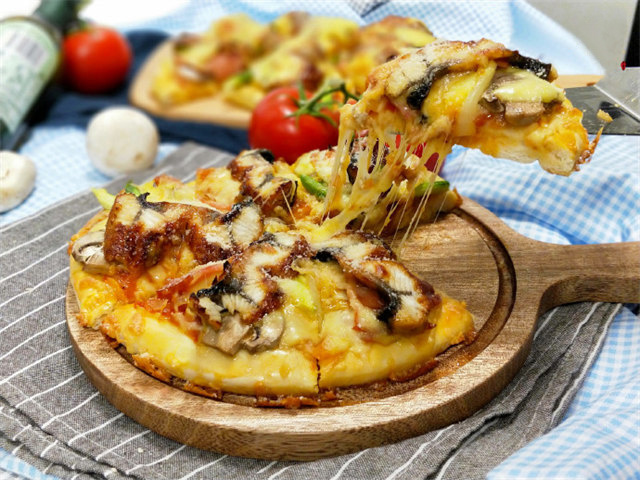
What Is Eel Sauce Unagi Sauce?
Eel sauce and unagi sauce usually refer to a sweet-savory glaze served with grilled freshwater eel, sushi, rice bowls, noodles, and other Japanese-style dishes. “Unagi” is the Japanese word for freshwater eel. “Eel sauce” is the English name that restaurants, distributors, and consumers often use for the same style of sauce.
That simple answer does not resolve every sourcing question. Suppliers may use “eel sauce,” “unagi sauce,” “unagi tare,” or “kabayaki sauce” for products with similar culinary roles. Flavor, thickness, color, sweetness, saltiness, and cooking performance can still vary by product.
For buyers, the practical approach is to treat the names as related terms and confirm the product specification before ordering. A name may suggest the sauce’s intended pairing, but it cannot tell you exactly how the product will taste or perform in a commercial kitchen.
Is Eel Sauce the Same as Unagi Sauce?
In many menus and export markets, the answer is yes: eel sauce is commonly used as the English term for unagi sauce. Japanese restaurants may prefer “unagi tare,” while overseas supermarkets may use “eel sauce” on the front label. Both names can describe a sauce used to add a glossy, sweet-savory finish to cooked eel and other dishes.
There is also a language distinction. “Unagi sauce” links the product directly to Japanese cuisine and freshwater eel. “Eel sauce” may be more immediately recognizable to English-speaking shoppers. “Kabayaki sauce” refers to the grilling and glazing style associated with kabayaki eel.
Still, the terms are not always exact synonyms. A restaurant may use “eel sauce” for a dark glaze served mainly with sushi or vegetables, while a supplier may use “unagi tare” for a sauce intended for brushing onto grilled eel. The intended application may be similar, but the final product profile can differ.
Why Do Different Names Appear?
- Language: “Eel sauce” is an English market term, while “unagi sauce” and “unagi tare” use Japanese terminology.
- Dish association: “Kabayaki sauce” points toward glazed grilled eel.
- Menu positioning: “Sushi eel sauce” may describe a sauce served with sushi rolls or nigiri.
- Export labeling: Importers may choose wording that local consumers can more easily search for and recognize.
- Formulation: Similar names can still cover sauces with different sweetness, viscosity, or salt balance.
That is why a useful unagi sauce comparison goes beyond the front label. Review the ingredient declaration, product specification, storage guidance, packaging information, and recommended applications supplied by the exporter.
Eel Sauce vs Unagi Sauce: Flavor and Texture
A typical Japanese eel sauce has a rich savory-sweet character and is often used as a finishing glaze rather than a thin dipping sauce. On the plate, it should add shine, color, and concentrated flavor without masking the taste of the eel.
Buyers typically compare four sensory points:
Sweetness
The sauce should provide enough sweetness to balance grilled eel’s rich flavor. Too little sweetness can leave the dish tasting flat, while too much may overpower the eel and make sushi or rice bowls feel heavy. The right choice depends on the menu, portion size, and whether the kitchen uses a light brush or several coats.
Savory depth
Savory notes give the sauce structure and help it pair with steamed rice, grilled seafood, vegetables, and noodles. A sauce selected for a sushi counter may need to complement delicate fillings, while one intended for a rice bowl may need to stand up to bolder toppings.
Viscosity
Thickness affects both presentation and portion control. A thicker glaze clings to eel and creates a more pronounced visual finish, while a more fluid sauce spreads easily over rice or noodles. Neither option is automatically better. The key question is whether the sauce suits the restaurant’s application method.
Color and gloss
The dark, glossy appearance is part of the sauce’s appeal. It can make grilled eel look freshly finished and give rice bowls a richer appearance. Assess the sauce on the finished dish, not only in the bottle. A sample test can show whether it stays appealing after heating, brushing, or mixing.
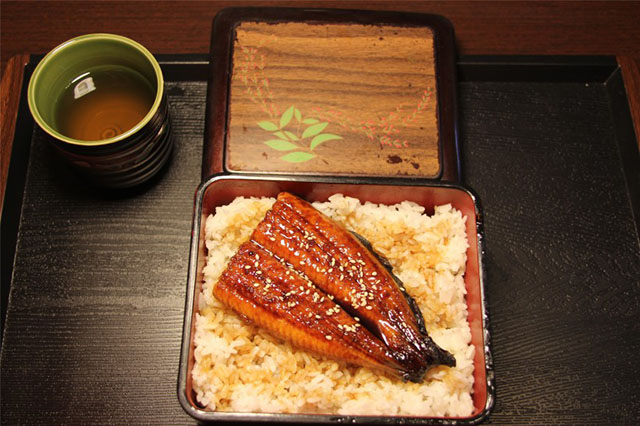
Common Foodservice Applications
How is unagi sauce used in foodservice? Kitchens may use it as a finishing, brushing, drizzling, or flavoring sauce. The best method depends on the dish and the desired visual effect.
Unagi kabayaki
Grilled eel is the classic pairing. The sauce can be brushed over sliced or portioned eel before service, or added after heating for a bright, glossy finish. For buyers sourcing both items, pairing the sauce with the texture and flavor of frozen unagi kabayaki can support more consistent menu preparation.
Explore the unagi kabayaki product range when planning a paired eel-and-sauce offer.
Sushi and rolls
Sushi eel sauce is commonly drizzled over eel rolls, unagi nigiri, and mixed sushi platters. The sauce should dispense easily without overwhelming cucumber, avocado, rice, or other fillings. A narrow bottle, squeeze pack, or kitchen dispenser may be more practical for this use than a large open container.
Rice bowls
Unagi donburi relies on contrast: warm rice, tender eel, crisp garnishes, and a concentrated glaze. The sauce can be drizzled over the eel and rice or served separately for portion control. It can also be used with other seafood and vegetables when a menu needs a versatile finishing sauce.
For menu inspiration, see these eel rice bowl toppings.
Noodles
A small amount of sauce can add depth to eel ramen, noodle bowls, and stir-fried noodle dishes. Start with a controlled portion. Noodles may already carry seasoning from broth, soy-based sauces, or other toppings, so a heavy pour can make the dish overly salty or sweet.
Our guide to unagi ramen shows how eel can bring a richer finish to a noodle presentation.
Other menu uses
Chefs may also use Japanese eel sauce with grilled mushrooms, tofu, egg dishes, seafood, or vegetables. These applications can help a restaurant use one sauce across several menu items. For distributors, that versatility may make the product relevant to sushi restaurants, Japanese casual dining, catering kitchens, and retail shoppers.
Unagi Sauce Comparison: What Buyers Should Check
When comparing products, do not choose by name alone. Request a sample and test it in the dish where it will be served.
| Buyer checkpoint | Why it matters |
|---|---|
| Product name and culinary description | Confirms whether the sauce is intended for eel, sushi, rice bowls, noodles, or general use. |
| Flavor profile | Helps the kitchen balance sweetness, saltiness, and savory depth with the menu. |
| Texture and flow | Shows whether the sauce can be brushed, drizzled, dispensed, or mixed easily. |
| Packaging format | Supports the restaurant’s storage, handling, and service routines. |
| Label and documentation | Gives importers information needed for local review and product registration. |
| Application sample | Reveals the sauce’s appearance and taste on eel, rice, sushi, and noodles. |
For export buyers, ask the supplier to distinguish between the commercial name and the technical product description. Confirm available package formats, carton details, storage instructions, and shipping documents before finalizing the order. These details can affect distribution even when two sauces appear similar on a menu.
Eelpro Co., LTD supplies eel sauce products for buyers evaluating sauce alongside frozen eel and other seafood lines. A paired product discussion can help importers plan a more cohesive menu or retail assortment.
Cold Fact and Common Buying Mistake
Cold fact: the sauce is not limited to eel
Although “eel sauce” sounds highly specific, it may be used beyond eel dishes. Its sweet-savory profile can suit grilled seafood, vegetables, tofu, and rice-based menus. That flexibility is one reason a restaurant may keep it as a general finishing sauce even when unagi is not the only item on the menu.
Avoid this mistake: choosing by color alone
A very dark sauce may look impressive in the bottle, but color alone does not reveal whether the flavor balance suits your food. A sauce can be dark yet too sweet, too thin, or too salty for a restaurant’s process. Test it on the intended dish, including after heating and plating—not only straight from the package.
Another common mistake is assuming that “sushi sauce” and “unagi sauce” will perform identically. Some kitchens need a sauce that clings to eel, while others need one that spreads lightly across rice. Let the intended application guide the purchase.
Which Sauce Should a Foodservice Buyer Choose?
Choose an unagi-style sauce when the menu centers on grilled eel, unagi sushi, rice bowls, or Japanese-inspired dishes. Choose a product with broader application potential when the same sauce will be used across seafood, vegetables, noodles, and rice dishes.
Before ordering, prepare a short test plan:
- Apply the sauce to the actual eel portion used by the kitchen.
- Test it on warm rice and in one sushi application.
- Check how easily staff can brush, drizzle, or dispense it.
- Compare the flavor after the dish has stood for the normal service period.
- Review the label, documents, packaging, and storage guidance with the importing team.
If the restaurant also needs the eel itself, review Eelpro’s frozen eel supplier information. Buyers seeking a wider seafood assortment can also view the frozen seafood range.
Frequently Asked Questions
Is eel sauce the same as unagi sauce?
Usually, the terms describe the same style of sweet-savory glaze used with grilled eel and Japanese-style dishes. However, products can differ in taste, thickness, packaging, and application. Confirm the supplier’s product description rather than relying on the name alone.
What is the difference between eel sauce and unagi sauce?
The main difference is often terminology. “Eel sauce” is the common English name, while “unagi sauce” and “unagi tare” link the product to Japanese freshwater eel cuisine. “Kabayaki sauce” usually emphasizes the glazed grilled-eel application. Despite these naming differences, the formula and kitchen performance may vary by supplier.
How is unagi sauce used in foodservice?
Foodservice kitchens may brush or drizzle it over unagi kabayaki, sushi, rice bowls, and noodles. It can also finish grilled seafood, vegetables, tofu, and other dishes. Control the portion according to the sauce’s sweetness, saltiness, viscosity, and the dish’s other seasonings.
Can eel sauce be used without eel?
Yes. Its sweet-savory profile can work with rice, vegetables, tofu, seafood, and noodles. Operators should test the sauce with each menu item, as a flavor that works well with eel may be too strong for a lighter dish.
What should importers ask an eel sauce supplier?
Ask about the product description, intended applications, ingredient and allergen information, packaging, storage guidance, export documentation, and sample availability. If the sauce will be paired with frozen eel, request a tasting test using the proposed eel product as well.
Final Takeaway
Eel sauce and unagi sauce are often two names for the same sweet-savory glaze, but the names do not guarantee identical performance. For buyers, the more useful comparison is practical: flavor, texture, application, packaging, documentation, and fit with the finished menu.
Start with the dish, test the sauce, and then confirm the product details with the supplier.
Have you used “eel sauce,” “unagi sauce,” or “kabayaki sauce” in your market? Share your preferred name and favorite pairing in the comments. For more menu ideas, explore kabayaki sauce insights from Eelpro Co., LTD.