

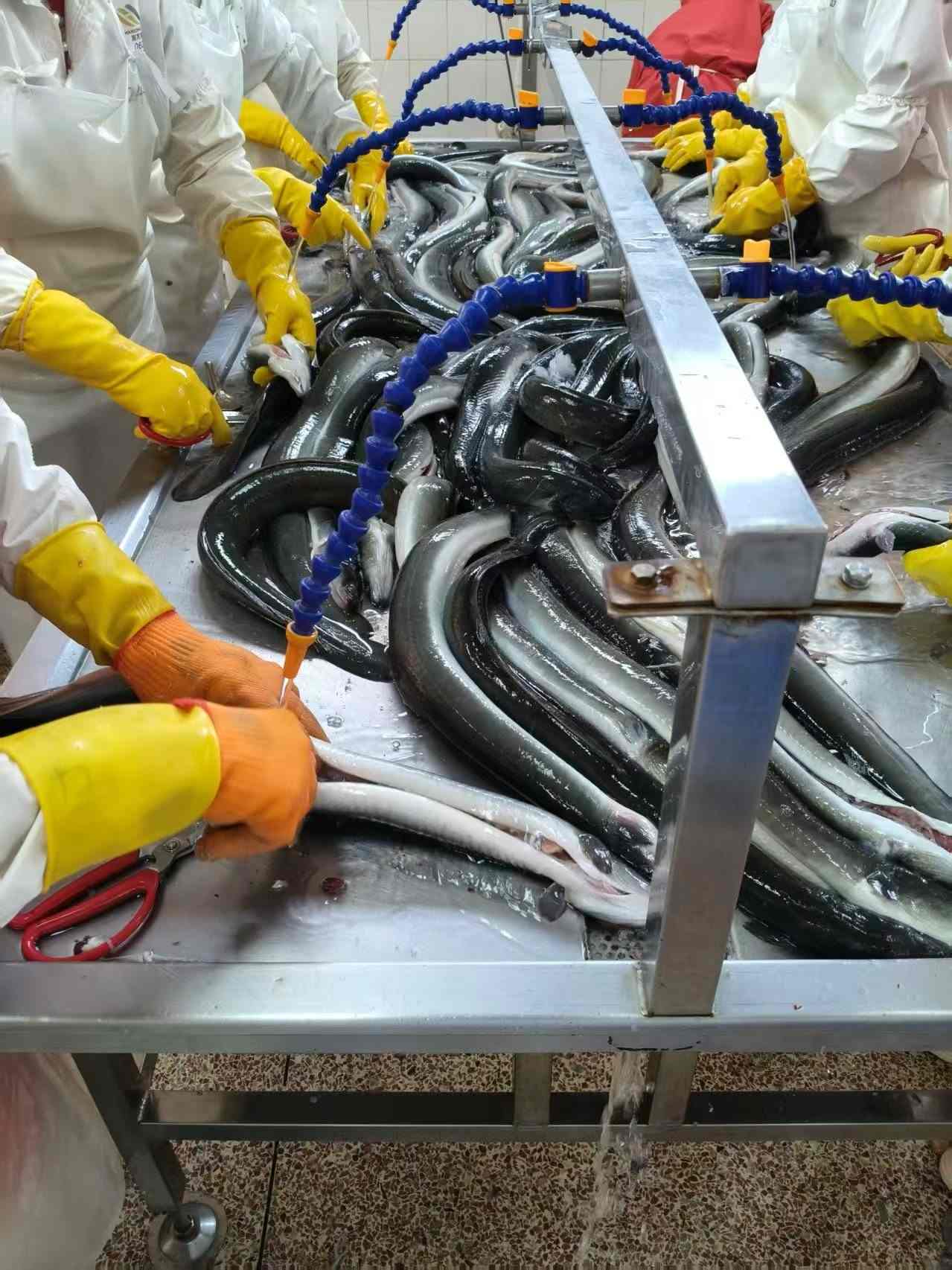
Unagi Rolls: How They Became a Sushi Menu Favorite
Unagi rolls are sushi rolls made with cooked freshwater eel and typically finished with sweet-savory eel sauce. For foodservice buyers, they offer a recognizable Japanese menu option, rich flavor, and a flexible format that does not rely on raw fish. But how did this warm, glossy eel filling become such a reliable sushi-menu favorite?
At a busy sushi counter, rice is pressed onto a neat sheet of nori. A strip of tender kabayaki sits beside cucumber or avocado. The chef rolls, slices, and brushes the top with dark sauce. Customers often notice the shine first, followed by the smoky, sweet, savory aroma.
That combination is a large part of the appeal. Unagi rolls bring comfort and visual appeal to the plate while giving restaurants a practical cooked seafood option with a distinct identity.
What Are Unagi Rolls?
Unagi rolls combine sushi rice, nori, cooked freshwater eel, and one or more supporting ingredients. The eel is commonly prepared as unagi kabayaki: eel that is grilled or broiled and coated with a sweet-savory glaze. In restaurants, the eel may be placed inside the roll, on top of it, or used both ways.
The format varies from one menu to another. A classic preparation may pair eel with cucumber for freshness and crunch. More contemporary versions may include avocado, sesame, scallion, cream cheese, or spicy mayonnaise. The foundation remains recognizable: tender cooked eel, seasoned rice, seaweed, and a rich sauce.
For buyers, this flexibility is valuable. The same frozen unagi kabayaki can support rolls, rice bowls, hand rolls, sushi toppings, and combination platters. Restaurants do not need to treat it as a single-use ingredient.
Our unagi kabayaki product page offers a starting point for buyers comparing cooked eel formats. Operators can also review our frozen eel supplier information when building a sourcing shortlist.
How Did Unagi Rolls Become Popular?
The short answer: they bring together an established Japanese eel tradition and the accessible format of modern sushi dining.
From grilled eel dishes to sushi counters
Eel has long been part of Japanese food culture, particularly in grilled dishes served with rice and sweet-savory tare. Kabayaki gave eel a recognizable cooked presentation, with a glaze that adds aroma, color, and a distinctive flavor profile.
Sushi restaurants later adapted familiar ingredients into rolls. The format made sushi easier to share and gave chefs room to combine contrasting textures. Eel works particularly well because its soft, rich flesh can be balanced with crisp vegetables and fresh herbs.
Cooked seafood widened the audience
Not every diner wants raw fish. Some guests are trying sushi for the first time, while others prefer cooked seafood because of taste, habit, or dietary comfort. Unagi rolls address that preference without losing the Japanese character of the meal.
They are also straightforward for staff to explain. A server can describe them as cooked eel with rice, nori, vegetables, and a sweet-savory glaze. That clear description can reduce hesitation at the table.
Rolls suit social dining
Sushi rolls are easy to share. They arrive pre-portioned, look appealing on a platter, and sit naturally beside salmon rolls, shrimp dishes, sashimi, and vegetarian options. Eel adds a darker color and a richer flavor to the selection.
This helps explain why Japanese unagi rolls appear on both traditional sushi restaurant menus and broader Asian-fusion menus. The ingredient carries cultural meaning, while the roll format can feel accessible to a broad range of diners.
What Makes Unagi Rolls Different from Other Sushi?
The main difference lies in the combination of texture, cooking method, and sauce.
- Cooked texture: Eel is soft, tender, and fatty compared with many lean raw fish fillings.
- Grilled character: Kabayaki preparation contributes a roasted aroma and a lightly caramelized surface.
- Sauce-led flavor: Unagi tare adds sweetness, saltiness, and depth, so the roll often tastes fuller than a simple fish-and-rice combination.
- Warm or reheated service: Depending on the kitchen process, the eel may be warmed before assembly, creating a different eating experience from chilled sushi.
- Strong ingredient identity: The glossy eel topping makes the product easy to recognize on a menu or serving plate.
These qualities make eel sushi rolls useful for menu balance. A sushi set can include light vegetable rolls, clean-tasting white fish, rich salmon, and a cooked eel option. Each item offers diners a different reason to order.
The sauce deserves attention. It is more than a finishing touch: it brings together the eel, rice, nori, and vegetables. A suitable eel sauce product can help a kitchen maintain a recognizable flavor across rolls and rice dishes.
Why Do Restaurants Add Unagi Rolls to Menus?
Restaurants add unagi rolls because they can solve several menu needs at once.
They offer a cooked seafood choice
A menu focused only on raw seafood may not appeal to cautious diners. An eel roll provides a clear alternative and can suit guests who enjoy grilled seafood but are not yet comfortable ordering sashimi.
They create a premium visual cue
The dark glaze, pale rice, green garnish, and black nori create visual contrast. A few carefully arranged slices can make a platter look more varied and generous. Food photography can also benefit from the glossy surface of the eel and sauce.
They support multiple menu formats
One product can appear in a signature roll, lunch box, party tray, rice bowl, or combination meal. This gives operators more ways to test demand without developing an entirely new protein category.
For recipe development, our guide to making unakyu maki can help teams explore a cucumber-and-eel direction. For broader menu planning, see these eel flavor pairings.
They fit current sushi roll menu trends
Many customers look for menu items that feel familiar without being ordinary. They may want a classic Japanese flavor with an added texture or a more contemporary presentation. Eel can work in either direction.
A traditional roll can focus on eel, cucumber, rice, and nori. A modern roll can add avocado, sesame, chili, or a contrasting garnish. The product remains recognizable while giving the restaurant room to create its own style.
How Foodservice Buyers Should Evaluate Eel for Rolls
A strong menu result begins before the first roll is assembled. Buyers should assess the product, packaging, handling instructions, and sauce pairing together.
- Confirm the product format. Check whether the eel arrives as kabayaki, fillets, portions, or another format. The kitchen workflow should align with the product received.
- Review the visual presentation. Look for clean, consistent pieces that are suitable for slicing and topping.
- Assess flavor balance. The eel should work with sushi rice and other ingredients rather than overwhelm them with sauce.
- Plan portion control. Decide whether the eel will go inside the roll, across the top, or in both positions. This supports more consistent plating and costing.
- Match the sauce to the menu. A sweeter glaze may suit a familiar specialty roll, while a more restrained application can complement cucumber, scallion, or spicy toppings.
- Check cold-chain and handling requirements. Follow the supplier’s storage, thawing, heating, and food-safety instructions. Do not guess when product documentation provides a specific process.
Product selection should also reflect the restaurant’s service model. A high-volume sushi counter may prioritize simple assembly, while a chef-led restaurant may want greater flexibility for plated dishes. Both can use cooked eel, though the preferred format may differ.
Preparation Tips for Better Eel Sushi Rolls
Small details shape the final bite. The rice should hold together without becoming heavy, the nori should remain pleasant to chew, and the eel should stay tender while the vegetables provide contrast.
Keep the filling balanced
Too much eel can make a roll feel rich from the first bite to the last. Too little, and the eel can disappear among the other ingredients. Pairing it with cucumber, scallion, or another fresh ingredient gives the roll lift.
Use sauce with control
Sauce should support the eel rather than make the rice soggy. Apply it in a controlled line or a light brush, then adjust based on the roll’s other ingredients. A sauce designed for eel can also be tested in donburi, noodle dishes, and grilled seafood applications.
Choose a clear finishing style
Restaurants can finish rolls with sesame, scallion, a small amount of chili, or a clean sauce line. The best choice depends on the menu identity. A classic presentation should feel restrained. A fusion roll can be more expressive, but the eel should remain easy to identify.
For teams developing additional dishes, our kabayaki sauce guide discusses how sauce affects the overall eel experience. Buyers looking beyond rolls can also review our frozen seafood selection for complementary menu planning.
Cold Fact and Common Pitfalls
Cold fact: “Unagi” refers to freshwater eel, while “anago” is commonly used for conger eel. They are different ingredients, even though both may appear on Japanese-style menus. Buyers should check the product name and specification instead of treating every eel dish as the same.
Avoid this mistake: Do not judge a roll only by its sauce. A heavy glaze can hide differences in rice seasoning, eel texture, and ingredient balance. Ask for product information, sample the eel in a simple preparation, and then test it in the intended roll.
Another common issue is treating a cooked eel roll like a raw fish roll during menu development. Eel has a stronger flavor and softer texture, so it usually benefits from a crisp or fresh counterpoint. Without that contrast, the roll can feel dense.
Frequently Asked Questions
How did unagi rolls become popular?
They developed from the popularity of grilled eel and the wider adoption of sushi rolls as an approachable dining format. Cooked eel brought a familiar, rich Japanese flavor, while the roll made it easy to portion, share, and pair with vegetables. Restaurants could offer a cooked seafood option that still looked distinctive on a sushi menu.
What makes unagi rolls different from other sushi?
They use cooked freshwater eel, often prepared as kabayaki, instead of relying on raw fish. The eel has a soft texture, grilled aroma, and sweet-savory sauce profile. Cucumber, avocado, scallion, and sesame can add freshness, crunch, or fragrance. Together, these ingredients give the roll a fuller flavor than many lighter sushi options.
Why do restaurants add unagi rolls to menus?
Restaurants add them to appeal to diners who prefer cooked seafood, create a visually distinct specialty item, and extend one ingredient across several menu applications. Eel rolls can appear in lunch sets, sharing platters, signature menus, and combination meals. They also pair naturally with rice, noodles, vegetables, and eel sauce.
Are unagi sushi rolls suitable for a first-time sushi diner?
They can be. Because the eel is cooked and typically served with a familiar sweet-savory glaze, the flavor may feel more approachable than raw seafood. Staff should still explain the ingredients clearly and mention that the texture is soft and rich.
What should a restaurant serve with an eel roll?
Fresh, crisp ingredients help balance the eel. Cucumber, scallion, pickled vegetables, and light greens are useful options. A restaurant can also pair the roll with miso soup, edamame, another vegetable roll, or a rice dish. The goal is contrast rather than adding more heavy flavors to every item.
Building a Stronger Eel Menu
Unagi rolls remain relevant because they are more than a single recipe. They connect Japanese food tradition with the practical needs of a modern sushi operation. They are cooked, recognizable, visually appealing, and adaptable across service formats.
For buyers, the best approach is straightforward: define the restaurant’s desired flavor, choose a suitable frozen unagi kabayaki format, select a matching eel sauce, and test the product in the intended menu application. Then compare the result with the rice, vegetables, garnish, and portion plan used by the kitchen.
Eelpro Co., LTD supplies frozen unagi kabayaki, eel sauce, frozen seafood, and freshwater eels for overseas foodservice buyers. If you are developing a new roll, refining a sushi platter, or adding cooked seafood to a menu, start with the product format and work outward from there.
Which style do you prefer: a classic eel-and-cucumber roll or a richer modern version with avocado and extra sauce? Share your view in the comments. For more ideas, explore our unagi roll recipe and practical eel cooking tips.