

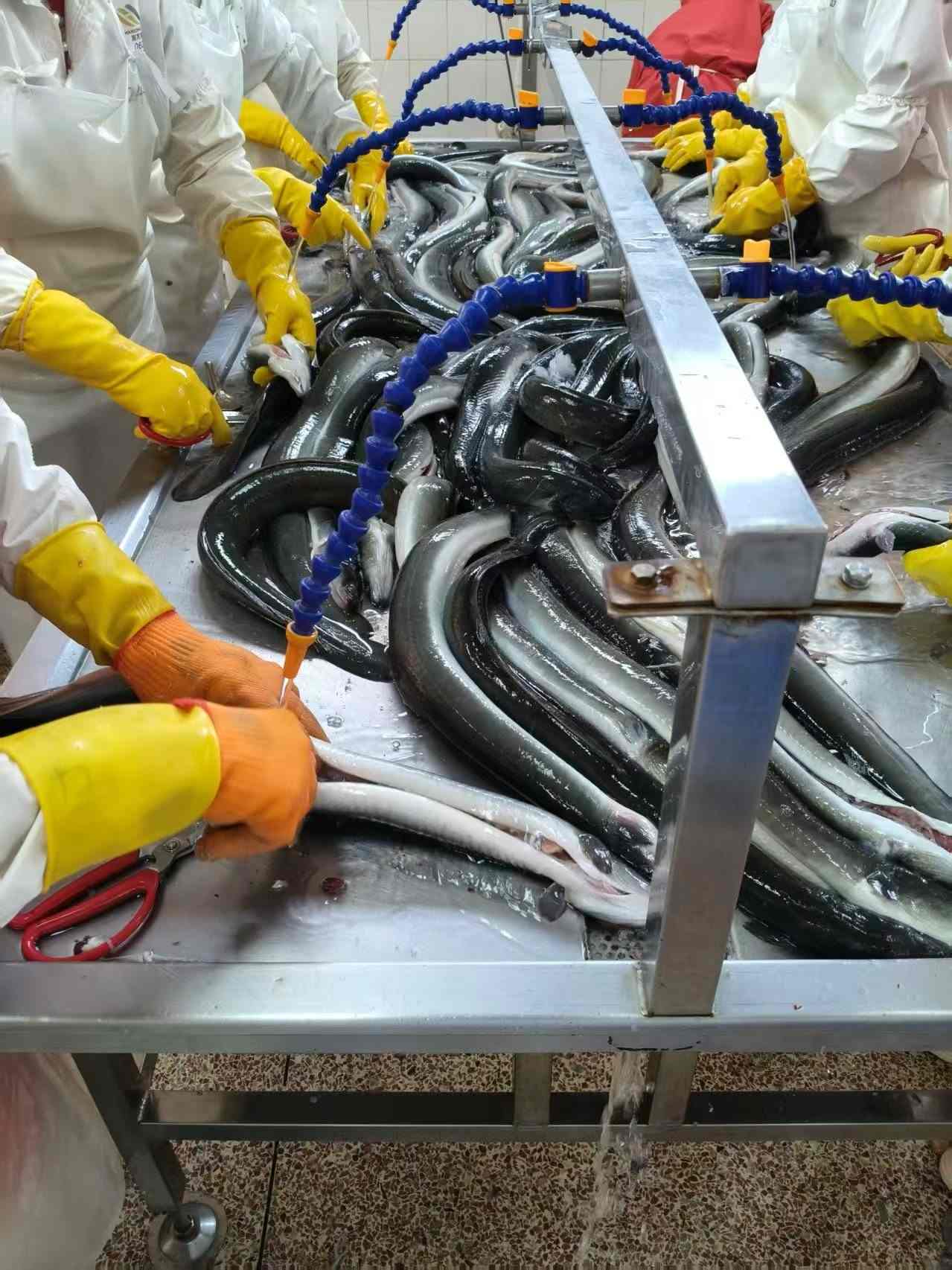
How Unagi Japanese Eel Differs From Anago
One looks dark, glossy, and richly glazed over rice. The other is pale, soft, and often served with a lighter finish. Both are called eel, yet choosing the wrong one can change a sushi item, rice bowl, or grilled entrée completely. Buyers searching for unagi japanese products need to separate these two familiar Japanese menu ingredients before comparing suppliers or formats.
Unagi and anago are not two names for the same fish. They come from different eel groups, live in different environments, and perform differently under heat. For a Japanese restaurant buyer, that difference affects menu positioning, sauce selection, portion presentation, and back-of-house preparation.
The basic distinction is straightforward. Japanese eel, commonly used for unagi, is a freshwater eel. Anago generally refers to conger eel, a marine fish found in coastal waters. That single difference explains much of the contrast in fat, flavor, and preferred cooking style.
Compare the Fish Before Choosing a Menu Format
The first purchasing rule is simple: choose the eel species based on the finished dish, not only on the word “eel” in a product description. A rich grilled rice bowl needs a different texture and flavor profile than a delicate nigiri topping. This is where unagi japanese products and anago clearly separate.
| Comparison Point | Unagi | Anago | What It Affects in Practice |
|---|---|---|---|
| Species | Usually Japanese eel, Anguilla japonica | Usually conger eel, often Japanese conger | Different species mean different flesh structure, fat character, and cooking response. |
| Habitat | Freshwater and migratory waters | Marine and coastal waters | Habitat is linked to the fish’s flavor profile and the culinary traditions built around it. |
| Texture | Dense, tender, and rich after grilling | Softer, lighter, and more delicate when simmered or steamed | Texture determines whether the eel holds up well in rice bowls, sushi, or composed plates. |
| Fat Level | Generally higher and more noticeable | Generally leaner and lighter | Fat carries sauce flavor and gives grilled unagi its full mouthfeel. A leaner eel can taste overwhelmed by a heavy glaze. |
| Common Cooking Method | Grilled, often in kabayaki style with a sweet-savory tare | Simmered, steamed, grilled lightly, or served as sushi | Using anago in a heavy kabayaki presentation may make the item feel less rich than diners expect. |
| Typical Menu Use | Unadon, unaju, grilled eel skewers, sushi rolls, rice bowls | Nigiri sushi, pressed sushi, lighter rice dishes, small plates | The selected eel should match the menu promise and the customer’s expected eating experience. |
For unagi japanese rice bowls, the richer flesh is usually the better fit because it can support a glossy sauce and remain satisfying with hot rice. Anago is generally the better fit when a chef wants a gentler seafood profile, especially for nigiri or dishes where the topping should not dominate the rice.
The limit is menu style. A restaurant is not required to use only one eel type. A broader Japanese menu may use unagi for grilled bowls and anago for sushi. The mistake is presenting one as a direct substitute for the other without adjusting the recipe, description, and customer expectation.
Why Unagi Works So Well for Kabayaki Eel Dishes
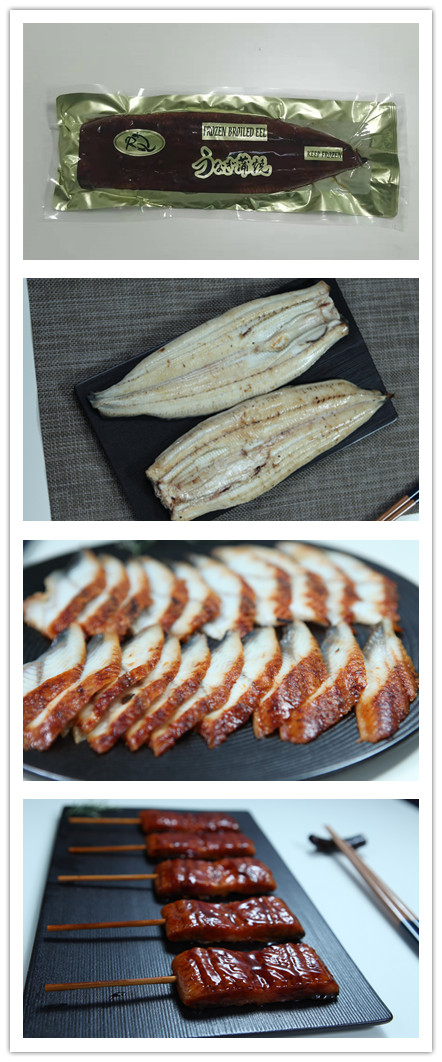
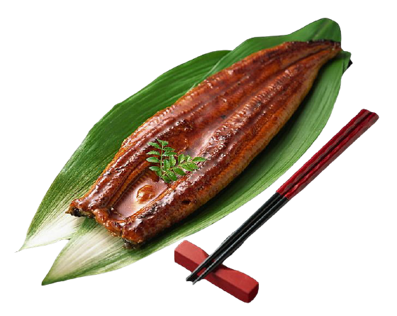
The signature appeal of unagi japanese cuisine comes from the relationship between fatty freshwater eel, grilling, and tare. Kabayaki eel is typically opened, prepared, grilled, coated with sauce, and grilled again. The result should be tender inside, fragrant from roasting, and lightly lacquered on the surface.
For a restaurant serving unadon or unaju, the conclusion is clear: choose frozen kabayaki rather than asking kitchen staff to turn a delicate anago product into a classic grilled eel bowl. The reason is operational as well as culinary. A prepared kabayaki format gives the kitchen a consistent base for portioning, reheating, and plating.
Eelpro produces unagi kabayaki using a controlled four-layer soy-sauce coating process. The roasting process includes established color standards from white-roasted eel through the first, second, third, and fourth sauce-coating stages. This supports buyers who need a recognizable grilled appearance across repeat orders.
For unagi japanese menu items, sauce is not merely decoration. It contributes sweetness, saltiness, shine, and a roasted aroma during heating. A sauce that is too thin can run into the rice. A sauce that is too heavy can hide the eel’s natural richness.
Use this decision guide when selecting a prepared eel format:
- Choose frozen kabayaki fillets for unadon, unaju, bento, and premium grilled-eel plates. The rich texture and glazed finish suit these familiar presentations. This does not apply when the menu calls for a pale, lightly seasoned sushi topping.
- Choose standardized cut pieces for rice bowls, mixed grain bowls, and meal-prep portions. Smaller cuts reduce knife work and can help maintain portion control. They are not the best choice when a menu depends on the visual impact of a full fillet.
- Choose sushi slices when a menu needs uniform topping portions. This format fits sushi production, but it should be matched with the intended sushi style and sauce level.
- Choose white-roasted skewers when chefs want more control over finishing sauce or seasoning. This format is less suitable for kitchens that need the shortest possible preparation step.
For sauce matching, buyers can also review our eel sauce product options and the practical notes in kabayaki sauce article. The best choice depends on whether the menu wants a traditional glossy finish, a lighter brush of sauce, or extra sauce served at the table.
How Texture Changes the Customer Experience
Texture is where diners notice the distinction fastest. Unagi japanese eel becomes tender and substantial after roasting, with enough body to sit over a bowl of rice without feeling slight. Its natural richness also gives it a fuller finish on the palate.
Anago is commonly associated with a softer, more delicate bite. It can be an excellent sushi ingredient, but it does not create the same grilled richness as kabayaki unagi. If a restaurant replaces unagi with anago in a signature rice bowl, regular customers may notice that the portion feels lighter even if the visual plating remains similar.
Cold fact: “Eel” on a menu does not tell the diner enough. In Japanese foodservice, the cooking treatment often reveals which eel is being used. A dark, sweet grilled glaze points toward unagi kabayaki, while a pale, soft topping often points toward anago.
For unagi japanese applications, use a format that protects the intended texture from freezer to service. Frozen products should remain within the cold chain, be handled according to the supplier’s product instructions, and be reheated in a way that warms the center without scorching the sauce surface. A kitchen that overheats glazed eel can darken the coating before the interior is ready for plating.
A Buyer Checklist for Unagi and Anago Selection
Restaurant buyers should not begin with price alone. Start with the menu role, then compare product format, preparation labor, documentation, and supply capacity. The right answer for a high-volume rice bowl program may be different from the right answer for a small sushi counter.
| Buyer Question | Best Direction | Reasoning | When It May Not Apply |
|---|---|---|---|
| Is the dish a sauce-forward grilled rice bowl? | Choose unagi kabayaki. | Unagi japanese eel has the rich body expected in a glazed rice presentation. | Not ideal for a menu that specifically calls for a subtle nigiri topping. |
| Does the kitchen need to reduce trimming and deboning work? | Choose prepared, standardized eel cuts. | Ready-to-heat formats can reduce back-of-house processing steps. | Not the best fit for chefs who want to perform their own opening, skewering, and seasoning. |
| Will the item be used in sushi rolls? | Consider sushi slices or suitable cut pieces. | Uniform portions help with consistent roll assembly and food cost control. | Not suitable when a full fillet presentation is the menu priority. |
| Is the target market sensitive to import compliance? | Request export documentation and traceability information. | Importers need confidence in food-safety controls before shipment planning. | Requirements vary by destination and importer program. |
| Does the menu need a lighter, softer seafood character? | Consider anago. | Anago’s delicate style can suit sushi and lighter dishes. | It may disappoint diners expecting the deep grilled flavor of kabayaki unagi. |
When selecting unagi japanese products for export or restaurant distribution, ask suppliers for the exact cut, sauce status, packaging format, and intended cooking method. “Eel fillet” is too broad for a purchase order. A buyer should clarify whether the item is white-roasted, fully sauced kabayaki, portion-cut, strip-cut, diced, shredded, chunk-cut, three-section cut, or prepared as sushi slices.
Avoid These Common Menu and Purchasing Mistakes
The best way to protect a Japanese eel program is to prevent mismatch before the first order. These mistakes are common because unagi and anago may look similar to new buyers once processed, especially when product descriptions are brief.
- Mistake: Treating anago as a lower-cost replacement for unagi.
Conclusion: Do not substitute without changing the recipe and menu description. The reason is that texture, fat, and sauce performance differ. This approach only fits a deliberate menu redesign, not a quiet ingredient swap. - Mistake: Ordering glazed eel without checking the intended serving style.
Conclusion: Confirm whether the eel will be served over rice, in sushi rolls, in bento, or as a plated entrée. A full fillet can look impressive in a bowl but may create unnecessary handling work for small rolls. - Mistake: Using too much tare on a prepared kabayaki fillet.
Conclusion: Start with the sauce level already on the product, then add only what the finished dish needs. This matters because an excessive coating can make rice soggy and conceal roasted flavor. Extra sauce may still be appropriate for delivery bowls where rice absorbs sauce during transport. - Mistake: Ignoring origin and compliance records.
Conclusion: Ask for traceability and food-safety documentation early in the sourcing process. This is especially relevant for importers serving Japan, the United States, Germany, Poland, the European Union, Australia, Indonesia, and Southeast Asia. Documentation needs can differ by market. - Mistake: Buying a format that creates avoidable labor.
Conclusion: Match the cut to the kitchen workflow. Diced or strip-cut products can suit bowls and prepared foods, while whole fillets fit premium presentations. Neither format is universally better.
What Restaurant Buyers Should Verify With an Eel Supplier
For unagi japanese purchasing, the final selection should include quality-system review as well as culinary evaluation. Eelpro holds ISO 22000:2018, HACCP, and HALAL certification, along with export food producer registration and an SC Food Production License covering quick-frozen prepared foods, including cooked products and seasoned aquatic products.
Our sourcing system includes approximately 20 customs-registered eel farming bases covering more than 2,150 mu, with traceability controls from farming registration through processing verification, sampling, and shipment tracking. Buyers evaluating a long-term program can review our eel farm information and learn how our eel lab supports in-house quality controls.
Eelpro operates two modern production lines for frozen roasted eel and deep-processed aquatic products, with annual finished-product capacity of 4,000 tons. A 1,000-ton cold storage facility supports product storage and cold-chain logistics. Regular order delivery is approximately 30 days from order confirmation to shipment, subject to specification and order quantity.
These capabilities are relevant when a buyer needs unagi japanese products in repeatable formats rather than a one-time spot purchase. They do not replace the buyer’s responsibility to confirm destination-market requirements, packaging needs, labeling, and import procedures before finalizing an order.
Build the Right Eel Menu Around the Eating Occasion
A useful menu strategy is to let each eel type do the job it does best. Use unagi japanese kabayaki for the warm, aromatic, satisfying center of the menu: grilled eel rice bowls, bento, sushi rolls, and shareable grilled dishes. Use anago where softness and restraint are the point, especially on sushi-focused menus.
For example, a casual Japanese restaurant can build a focused eel offering around three formats:
- A signature unadon bowl: full or portioned kabayaki over rice, finished with a measured extra brush of tare.
- An unagi roll: standardized slices or cuts for repeatable assembly and a clear grilled-eel identity.
- A lighter sushi option: anago nigiri for guests who prefer a softer, less rich eel experience.
This structure gives diners a real choice rather than two items that taste nearly the same. It also helps purchasing teams forecast demand by format. Buyers who want more serving ideas can review eel rice bowl toppings and eel sushi roll recipe suggestions for menu development.
Request a product specification or sample to compare the right unagi japanese format for your restaurant menu.