

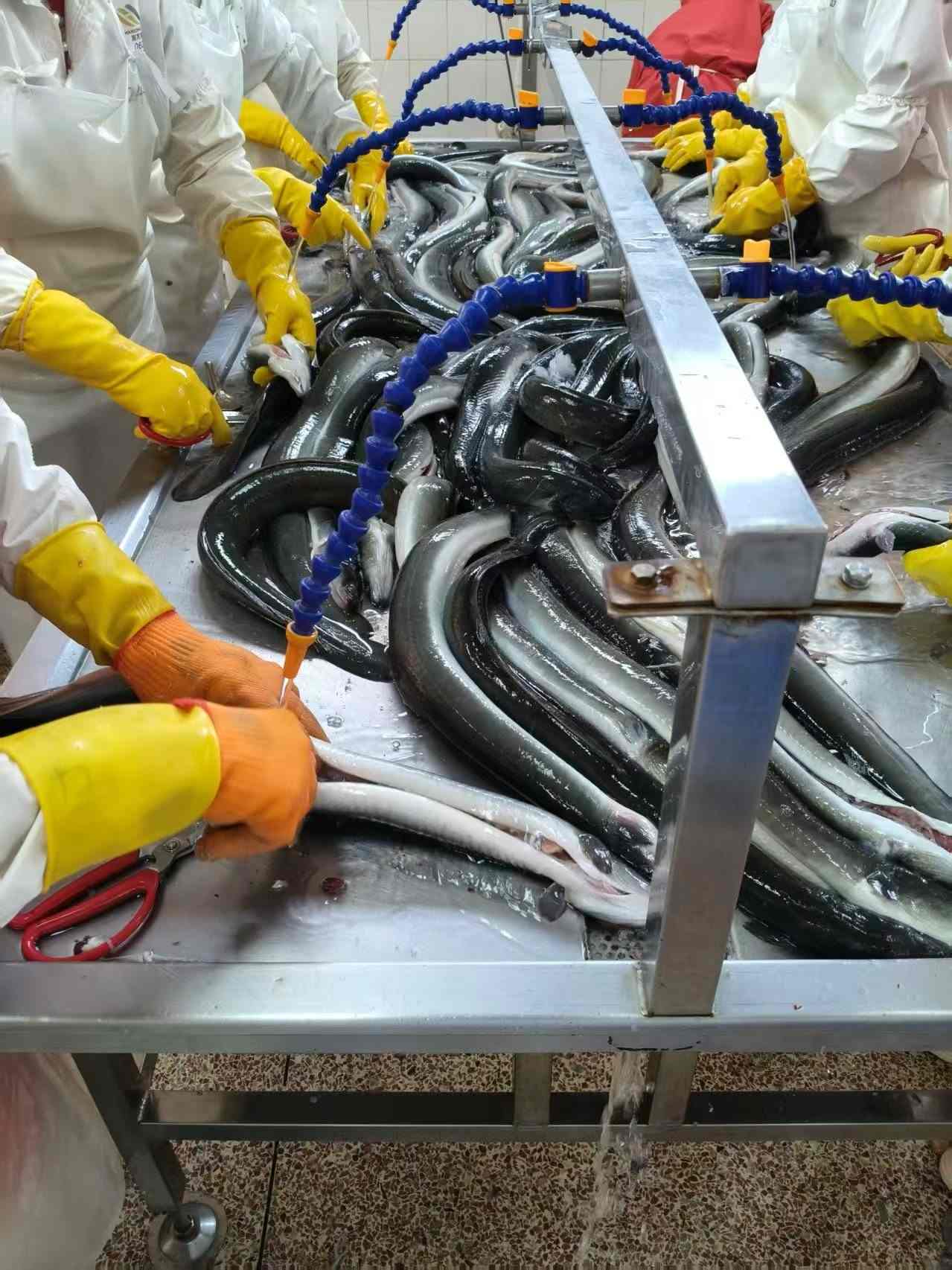
Understanding the Key Differences Between Unagi and Anago Japanese Eels
For international food importers and restaurant chains, the terms 'Unagi' and 'Anago' often appear in discussions about Japanese cuisine. While both are types of eel, they are not interchangeable. Understanding their fundamental differences is essential for making informed sourcing decisions, developing authentic menu items, and managing supply chain consistency. The choice between these two affects everything from flavor profile and cooking method to cost and sourcing stability. As a quality specialist, I've guided many clients through the specifics of sourcing high-quality japanese eels, and the distinction between these two species is always the first topic we clarify.
Unagi is the Japanese term for freshwater eel (specifically Anguilla japonica), while Anago refers to saltwater conger eel (Conger myriaster). This primary difference in habitat leads to significant variations in fat content, texture, and taste, which in turn dictate their ideal culinary applications and the complexities of their respective supply chains.

Unagi vs. Anago: A Side-by-Side Species Comparison
To make a clear sourcing choice, buyers must understand the product attributes that stem from each species. A menu calling for the rich, bold flavor of kabayaki cannot be satisfied with the delicate texture of anago, and vice versa. This table breaks down the essential distinctions for importers and chefs.
| Attribute | Unagi (Freshwater Eel) | Anago (Saltwater Conger Eel) |
|---|---|---|
| Habitat | Freshwater rivers, lakes, and estuaries. Farm-raised in controlled environments. | Saltwater; typically lives in burrows in the sand or mud of the seafloor. Almost exclusively wild-caught. |
| Appearance | Darker, grayish-black to bluish-green skin with a yellowish belly. Thicker body. | Lighter brown skin with a line of pale dots along its lateral line. A more slender, pointed head. |
| Fat Content & Texture | High fat content. Rich, firm, and tender texture when cooked. The fat renders during grilling, creating a succulent mouthfeel. | Low fat content. Very soft, delicate, and fluffy texture. Can fall apart easily if not handled carefully. |
| Flavor Profile | Bold, rich, and slightly sweet flavor that stands up well to strong sauces like kabayaki tare. | Subtle, delicate, and clean flavor. Less "fishy" and much lighter than unagi. |
| Common Culinary Uses | Primarily grilled in the kabayaki style, served over rice (unadon), or as premium sushi (unagi nigiri). The richness is balanced by the sweet and savory glaze. | Often simmered (ni-anago), deep-fried for eel tempura, or served as a lighter style of sushi. Its delicate nature suits less overpowering preparations. |
Sourcing and Supply Chain: The Impact on Your Business
The biological differences between Unagi and Anago directly influence their supply chains. For a B2B buyer, this is where risk, cost, and consistency come into play. Unagi, particularly the kind used for high-volume products like frozen unagi kabayaki eel, benefits from a highly controlled and traceable aquaculture system.
At Eelpro, we manage a full-chain system built on approximately 20 customs-registered eel farms covering over 2,150 mu. This allows us to control everything from the water quality and feed to the final size and fat content of the eels. This level of control is impossible with Anago, which is primarily wild-caught. Wild fisheries are subject to seasonality, weather conditions, and fluctuating quotas, leading to price volatility and inconsistent supply.
For importers supplying restaurant chains in Japan, foodservice distributors in the United States, or retailers in Australia, consistency is non-negotiable. Farmed Unagi delivers that reliability.
Buyer's Checklist for Sourcing Japanese Eel Products
Before placing an order, use this checklist to ensure you're sourcing the right product from a reliable supplier. This helps avoid common pitfalls like mislabeling, quality issues, or compliance failures.
- Verify the Species: Confirm with the supplier whether the product is Anguilla japonica (Unagi) or Conger myriaster (Anago). Request a specification sheet that clearly lists the scientific name.
- Confirm the Origin and Traceability: Is the eel from a certified, registered farm or is it wild-caught? Ask for traceability documentation that links the final product back to its source. Our full-chain traceability provides this assurance.
- Check for Key Certifications: A credible supplier should hold internationally recognized food safety certifications. We operate under ISO 22000:2018 and HACCP systems, and also hold HALAL certification and an Export Food Producer Registration Certificate.
- Assess Processing and Value-Add: How is the eel processed? We offer custom cutting (shredding, dicing, sushi slices) and our patented low-fat roasting process creates a superior product. This reduces back-of-house labor for your foodservice clients.
- Evaluate Supply Capacity: Can the supplier handle your volume? With an annual production capacity of 4,000 tons and a 1,000-ton cold storage facility, we ensure stable supply for large-scale orders.
How Processing Methods Define the Final Product
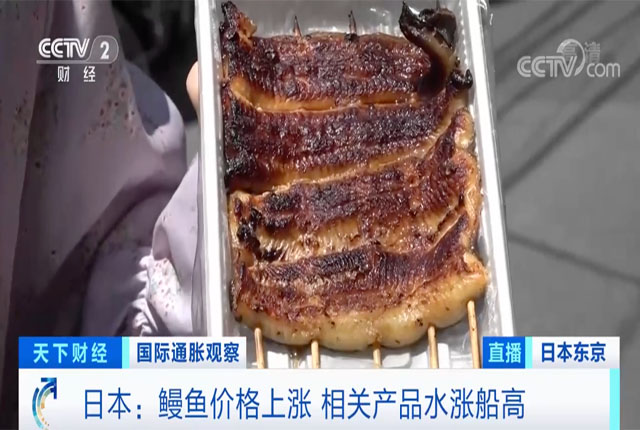
The inherent qualities of each eel type demand different processing techniques. Unagi’s robust texture and high fat content make it the ideal candidate for the intense heat of grilling and the application of rich sauces.
Our export-grade roasting process for unagi kabayaki is a perfect example. It involves four precise layers of soy sauce application, each at a controlled temperature. This method builds a deep, complex flavor that permeates the flesh without overpowering it. Our patented deodorizing equipment further refines the taste, ensuring a clean finish. This meticulous process would overwhelm the delicate nature of Anago.
Anago, with its lower fat and softer flesh, excels in cooking methods that preserve its texture:
- Simmering (Ni-Anago): Gently cooked in a sweet and savory broth until it is exceptionally tender.
- Frying (Tempura): The light, airy batter protects the delicate flesh, resulting in a crispy exterior and a fluffy interior.
- Steaming: A simple method that highlights its natural, clean flavor.
For foodservice operators, this distinction is critical. Unagi products, especially pre-cooked and frozen kabayaki, offer tremendous convenience. They are ready-to-heat, standardized in portion, and boneless, which drastically cuts down on kitchen prep time and costs. Anago often requires more skilled preparation in-house.
Meeting Global Export Standards: A Non-Negotiable Requirement
Sourcing eel products for international markets like the EU, US, and Japan requires strict adherence to food safety regulations. This is an area where a vertically integrated supplier provides a significant advantage. At Eelpro, we apply our export-quality standards to every product we make.
Our in-house professional eel lab conducts rigorous testing for veterinary drug residues and microbiological indicators to ensure our products meet the stringent requirements of our export destinations, including Germany and Poland. Critical control points are monitored with metal detectors, and our 25-person quality control team oversees the entire process from raw material receiving to final packaging.
This commitment to safety and compliance protects our buyers from the risks of customs rejection, product recalls, and damage to their brand reputation. When you source from a certified supplier with a proven track record of exporting to demanding markets, you are not just buying a product; you are securing a reliable and safe link in your supply chain.
Ultimately, while both Unagi and Anago are cherished elements of Japanese food culture, they represent different products with distinct supply chains and culinary roles. For importers focused on stable, high-volume, and value-added products like unagi kabayaki, a partnership with a specialized, certified producer is the most direct path to success.
To learn more about our frozen unagi kabayaki specifications or to discuss your import requirements, please contact our team for a detailed consultation.