

Grilled Eel Japanese Restaurants Serve as Unagi Kabayaki Comes Fully Cooked and Ready to Reheat
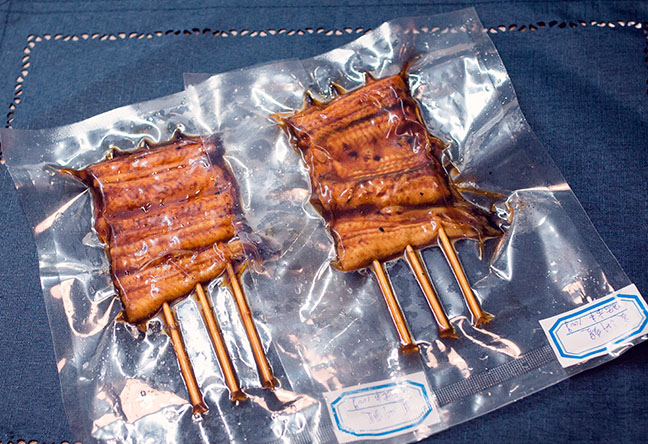
You pull a vacuum-sealed pack of unagi from the freezer. The flesh looks glossy, dark brown, almost too soft to be cooked. Is it safe to eat straight from the bag? Short answer: grilled eel Japanese kitchens sell as kabayaki is fully cooked before it's ever frozen. The confusion comes from color and texture, not from raw fish. Below, we break down how to tell cooked from raw, how to reheat it without drying it out, and what the label actually means.
How Is Grilled Eel Japanese Kabayaki Actually Made?
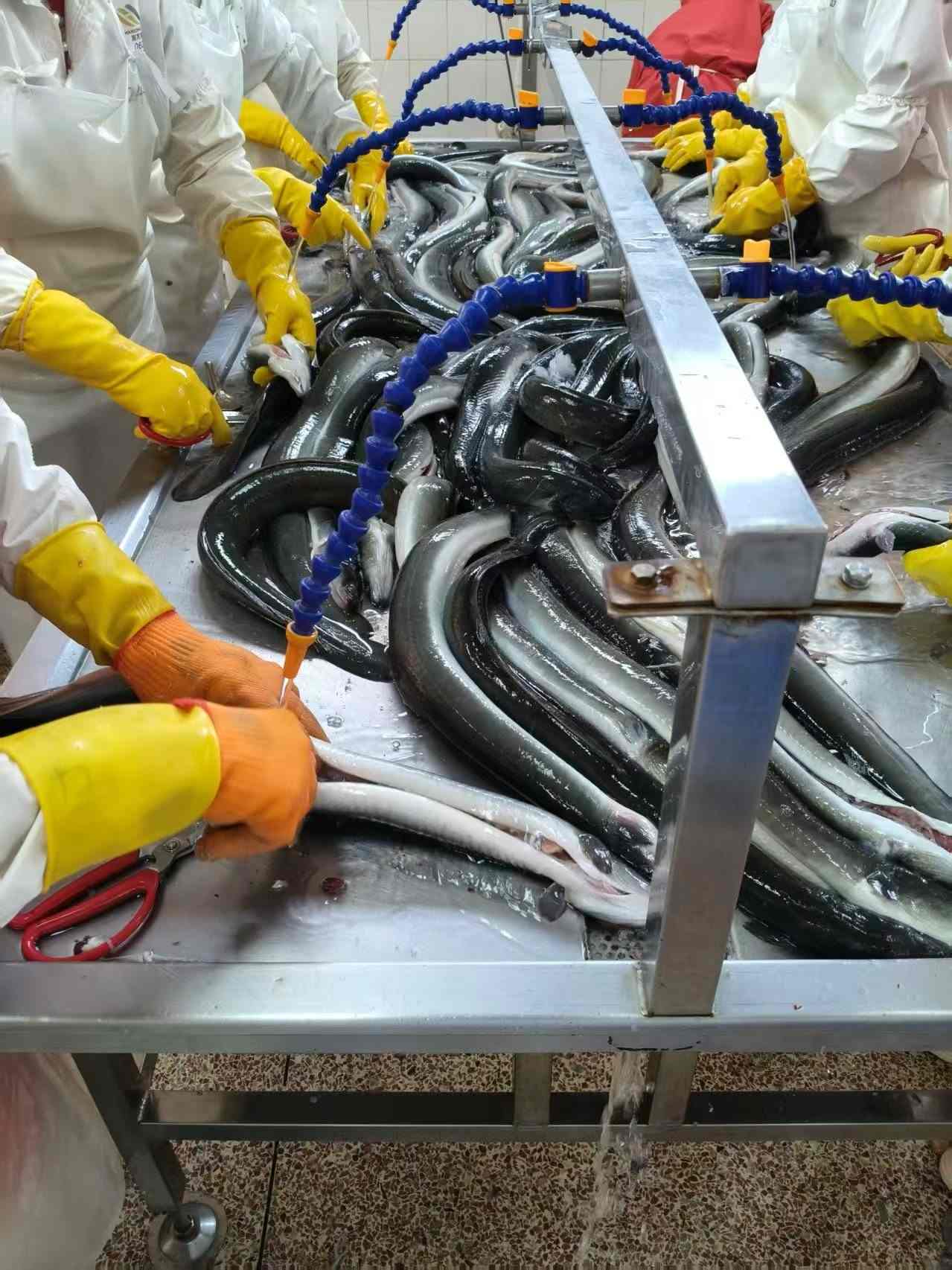
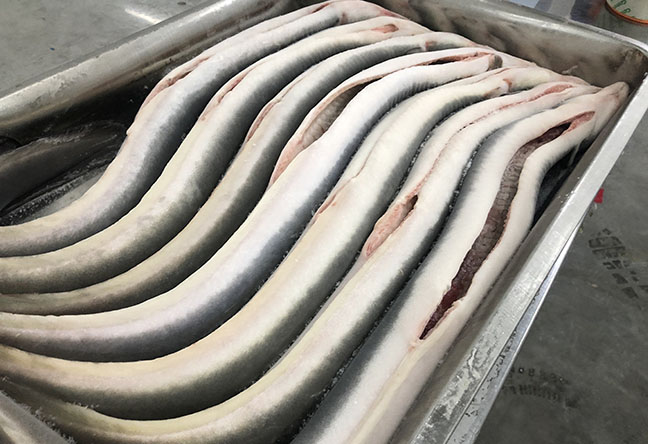
Kabayaki starts with a fresh eel that's split open, deboned, and skewered flat. The first pass over open flame is called white roasting — no sauce yet, just heat that renders surface fat and firms the flesh. That's the "white-roasted color" stage our production team checks against a fixed color standard before the eel moves forward.
After white roasting, the eel goes through four separate soy-sauce coating passes, each done at a controlled temperature. This is where the near-black glaze comes from — caramelized soy sauce and sugar reacting under heat, not raw pigment. Our patented low-fat roasting and deodorizing equipment strips out excess fat and fishy smell during this stage, which is one reason properly made kabayaki doesn't taste greasy even after reheating.
By the time it's packed, the eel has passed through fire four to five separate times — once white-roasted, then grilled again after each sauce layer. That's standard for export-grade unagi kabayaki eel, and it's why the coating looks almost lacquered rather than bright pink like raw salmon or tuna. For a closer look at what gives the glaze its layered flavor instead of a flat, one-note sweetness, see our breakdown of kabayaki sauce production.
Boundary Check: Fully Cooked Steamed-and-Grilled Eel vs Raw Eel
This is the part that trips up first-time buyers the most. Raw eel fillets and fully cooked kabayaki can look surprisingly similar once frozen, especially through a vacuum bag under store lighting. Here's how to draw the line before you buy or cook.
| Feature | Fully Cooked Kabayaki | Raw Eel Fillet |
|---|---|---|
| Color | Dark mahogany to near-black glaze, uniform coating | Grayish-pink to translucent, uneven surface |
| Texture when thawed | Firm, slightly sticky glaze, flakes cleanly | Soft, slick surface, springs back when pressed |
| Label wording | "Kabayaki," "roasted," "fully cooked," "ready to heat" | "Sashimi grade," "raw fillet," or no cooking claim at all |
| Packaging | Skin-pack or gift box, sauce visibly baked in | Skin-on, minimal glaze, sometimes only ice-glazed |
| Safe handling | Already safe cold from a sealed pack; reheat to 140°F / 60°C internal for best texture | Must be cooked to 145°F / 63°C internal before eating |
The safest check before purchase: look for the word "kabayaki" or "fully cooked" printed on the label. If a pack only says "eel fillet" or "raw," treat it like any raw seafood and cook it fully before serving — never assume it's ready to eat.
One limit worth flagging here: reheating kabayaki isn't a food-safety step, it's a texture step. Because it's already cooked, you're only warming the glaze and loosening the flesh. Overheating for too long dries the meat out and makes the sauce taste scorched instead of caramelized.
Reheating Grilled Eel Safely: A 4-Step Procedure
- Thaw in the fridge, not at room temperature — 12 to 24 hours depending on portion size.
- Keep the vacuum bag sealed and submerge in warm water at 140°F / 60°C for 8-10 minutes, or unseal and move to step 3.
- Oven method: wrap in foil, 320°F / 160°C for about 8 minutes, brushing extra tare halfway through for a fresher glaze finish.
- Check internal temperature reaches at least 140°F / 60°C, rest 2 minutes before slicing so the glaze sets instead of running off.
Brushing on extra eel sauce (unagi tare) at this stage revives the shine that freezing can dull. For more reheating variations by dish type, our easy methods and tips guide covers stovetop and rice-cooker options too.
Common Mistakes Buyers and Home Cooks Make With Frozen Unagi
- Microwaving straight from frozen — uneven heating turns the glaze rubbery and the edges chewy.
- Refreezing after thawing — the sauce separates and the flesh loses its firm bite permanently.
- Assuming every "grilled" label means fully cooked — not all grilled eel Japanese labels use the word kabayaki specifically, so check the fine print if you're unsure.
- Skipping the resting step — cutting immediately after reheating releases moisture and dries the meat out fast.
- Judging quality by color alone — an over-glazed product can look darker without being higher grade; texture and label wording matter more.
Choosing a Supplier: Spec, Certification, and Cutting Checklist
For importers and foodservice buyers, the decision isn't just "cooked or raw." It's whether the supplier's paperwork and production controls hold up under your market's import inspection. Here's what to confirm before sending a purchase order for grilled eel, the kind Japanese import agents actually clear at customs without delay:
- Certification match — confirm ISO 22000:2018, HACCP, and HALAL status by certificate number, not just a logo on a brochure.
- Residue testing — veterinary drug residue and microbiological testing thresholds differ slightly across Japan, US, and EU markets, so ask which standard the batch was tested against.
- Traceability — can the supplier trace a lot back to a specific farming base? Full-chain tracking across roughly 20 customs-registered eel farming bases covering 2,150 mu, from registration through sampling, is what this looks like in practice.
- Lab and inspection controls — an in-house testing lab with metal detectors at critical control points reduces the odds of a rejected shipment at your port.
- Cutting spec — whole fillet, 3-section cut, dicing, or sushi slices should match your kitchen's prep line; re-cutting frozen eel in-house adds labor cost you didn't budget for.
- Cold chain — ask whether product sits in a dedicated cold storage facility (1,000-ton capacity is a reasonable benchmark) rather than shipping straight off the line.
- Lead time — standard order-to-shipment runs about 30 days, though this shifts with spec complexity and order volume; get it confirmed in writing before you commit.
| Cutting Spec | Best Use | Typical Packaging |
|---|---|---|
| Whole kabayaki fillet | Donburi bowls, retail sale | Skin-pack, gift box |
| 3-section cut | Portion control, foodservice | Skin-pack |
| Dicing / strip-cutting | Fried rice, salads, ramen toppings | Bulk bag |
| Sushi slices | Nigiri, unakyu rolls | Skin-pack, small trays |
| White-roasted skewers | Grill-to-order, izakaya menus | Skewer tray |
FAQ: Quick Answers Before You Order
Is frozen unagi kabayaki safe to eat cold from the package?
Yes. It's fully cooked and packed under controlled sanitation conditions, though for taste and texture most people prefer it warmed.
Does grilled eel Japanese kabayaki contain bones?
Deboned kabayaki removes the main bone structure, but fine pin bones can occasionally remain — check the spec sheet if a strict bone-free product is required for your menu.
How long can I keep frozen kabayaki before use?
Follow the label's use-by date. Once thawed, use it within 2-3 days and don't refreeze it.
What's the difference between eel sauce and the glaze already on the kabayaki?
The glaze is baked into the fillet during roasting. Eel sauce is the pourable version used for topping rice bowls or soup — our eel noodle soup recipe shows exactly how it's applied there, and our general frozen seafood range covers related items if you're sourcing beyond eel alone.
Does export-grade production actually matter for a small foodservice order?
It matters more than most buyers expect. A facility running 4,000 tons of annual capacity across two production lines, with 25 quality-control staff among 160+ employees, tends to hold tighter batch-to-batch consistency than smaller operations — which shows up as fewer surprises when your kitchen opens the next case.
If you're evaluating a supplier for grilled eel Japanese buyers can safely reheat and serve without extra testing on your end, request a spec sheet and a sample pack before placing a full order — it's the fastest way to confirm cut, glaze, and packaging match what your kitchen actually needs.