





Is Unagi Healthy for a Balanced Meal?
A glossy piece of grilled eel over warm rice looks like pure comfort food. But is unagi healthy when it is brushed with sweet sauce, served with rice, and ordered as a full restaurant portion? The answer depends less on eel alone and more on portion size, preparation, sauce use, and the rest of the plate.
Unagi is Japanese-style freshwater eel, often prepared as kabayaki: grilled eel coated with a sweet-savory soy sauce glaze. It can provide protein and dietary fats, but the finished dish may also bring extra calories, sodium, and sugar from sauce and rice. For diners and menu planners, the practical question is not whether unagi is “good” or “bad.” It is how to serve it with intention.
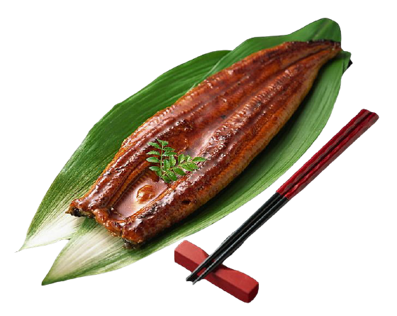
Is unagi healthy when compared with other rich seafood dishes?
Conclusion: Unagi can fit a balanced eating pattern, especially when it is treated as the protein centerpiece rather than a heavily sauced, oversized rice dish. The reasoning is simple: eel naturally contains protein and fats, while the kabayaki glaze and side dishes often determine how rich the final meal becomes.
Is unagi healthy for someone choosing between fried seafood, fatty meat, and grilled fish? In many cases, grilled eel may be a satisfying alternative because it delivers a rich texture without batter or deep-frying. However, this does not mean every unagi bowl is a light choice. A thick layer of tare, a large rice base, mayonnaise toppings, and sweet drinks can shift the meal in a different direction.
For foodservice buyers, the useful menu position is “flavor-forward premium seafood,” not “diet food.” This fits Japanese restaurants, Asian fusion cafés, rice-bowl concepts, and retail meal kits where a smaller, well-balanced eel portion can still feel generous.
- Best fit: Diners who want a satisfying grilled seafood dish with a rich, savory profile.
- Less suitable: Guests following a low-sodium plan, a strict calorie-controlled plan, or medical dietary instructions that limit sugars or fats.
- Practical adjustment: Use sauce as a finishing glaze rather than covering the full portion repeatedly.
- Menu limit: Do not describe kabayaki as a low-calorie dish unless the exact finished recipe and serving information support that statement.
Is unagi healthy if it is eaten frequently? Variety still matters. A menu built around different seafood, vegetables, legumes, grains, and proteins usually gives diners more dietary range than relying on one rich item several times a week.
Nutrition trade-offs per serving for protein, omega-3 fats, calories, and kabayaki sauce
Is unagi healthy from a nutrition perspective? It can be, but buyers should assess the finished serving rather than judging the plain eel fillet alone. The table below breaks down what each parameter actually affects in practice and what can go wrong when it is ignored.
| Nutrition factor per serving | What it contributes | What it affects in practice | What buyers and diners can get wrong |
|---|---|---|---|
| Protein | Unagi provides protein as the main seafood component of the meal. | Protein helps make a rice bowl, sushi roll, or plated dish feel more filling and substantial. | Assuming protein automatically makes the whole dish light. Sauce, rice, fried toppings, and creamy additions still change the total meal. |
| Omega-3 fats | Eel contains dietary fats, including omega-3 fats, although the exact profile varies by eel type, farming conditions, recipe, and product specification. | These fats are one reason eel has a rich mouthfeel and differs from very lean white fish. | Promising a fixed omega-3 amount without checking the product nutrition panel or laboratory documentation. |
| Calories | Calories come from eel itself and from the other meal components. | The finished bowl can become much more energy-dense when served with a large rice portion, extra glaze, tempura sides, or sweet beverages. | Comparing plain eel with a finished restaurant bowl as if they were the same product. |
| Common kabayaki sauce additions | Kabayaki sauce commonly adds sweetness, savory soy flavor, and sodium. | Sauce affects flavor intensity, surface shine, color, and the nutritional profile of the finished serving. | Adding sauce at every heating stage, then serving additional sauce on the side without considering the combined amount. |
Recommendation: Ask for the nutrition information of the exact SKU and prepared format before making menu claims. This is especially relevant for retail packs, institutional catering, and restaurant chains that standardize portions. Generic food composition data can be useful for broad comparison, but the label or verified specification for the actual product is the decision document.
For a general reference point, food businesses can review food composition data from the United States Department of Agriculture. Still, a database entry cannot replace the declared information for a particular kabayaki eel recipe, glaze level, or package.
A useful surprise about the sauce
Is unagi healthy when the sauce is the main flavor driver? The sauce is not a minor detail. It is often the difference between a clean grilled-eel plate and a very sweet, heavily glazed bowl. A modest brush gives aroma and color. Multiple thick coatings can dominate the eel itself.
Eelpro uses a four-layer soy-sauce coating process with defined color standards from white-roasted eel through the first, second, third, and fourth sauce coatings. That production control helps buyers specify the intended visual and flavor direction. It does not mean every menu should use the same amount of additional sauce after reheating.
For restaurants that want more control, serve a measured sauce portion separately or use a light finishing brush. Learn more about choosing and applying eel sauce when building a kabayaki dish.
How to build a better unagi portion without losing the restaurant experience
Is unagi healthy as a rice bowl? It can be more balanced when the eel is paired with vegetables, a sensible rice portion, and restrained sauce. The goal is not to make the bowl bland. The goal is to let the eel remain the feature.
Conclusion: A composed plate works better than piling every rich component into one bowl. This approach suits home cooks, meal-kit developers, casual dining operators, and catering teams. It may not apply to customers specifically seeking a traditional extra-sauced unadon style, where indulgence is part of the expected experience.
- Choose the eel format first. Whole fillets create a premium center-of-plate presentation. Cut pieces suit rice bowls, sushi fillings, noodle toppings, and mixed dishes. Eelpro can provide shredding, dicing, strip-cutting, chunk-cutting, three-section cuts, and sushi slices.
- Decide what the eel must do in the meal. If it is the sole protein, let it remain visually prominent. If it is one topping among several, use cut pieces and avoid adding multiple heavy proteins.
- Add contrast. Fresh cucumber, leafy greens, pickled vegetables, mushrooms, seaweed, or lightly seasoned vegetables can offset the sweetness of kabayaki sauce.
- Control the rice-to-eel relationship. A very large rice base can make the serving feel filling but can hide the eel’s flavor. A moderate base or mixed-grain option gives the eel more presence.
- Finish with sauce, do not drown the dish. Brush or drizzle near service, then offer extra sauce only when the diner requests it.
Is unagi healthy for meal preparation? It can be practical because ready-to-heat eel reduces raw-fish handling and back-of-house preparation. However, reheated eel should be combined with freshly prepared vegetables or properly held chilled components. A meal-prep container full of rice, sauce, and eel but without texture contrast can taste overly rich by the next day.

Common menu mistakes that make unagi feel heavier than it needs to be
Is unagi healthy when served in a restaurant setting? The answer often changes at the pass, where sauce, garnish, rice volume, and side dishes are finalized. These are the common mistakes worth avoiding.
- Using sauce before, during, and after reheating: This can create an overly sweet and salty impression. Use the product glaze as intended, then add only the amount needed for service.
- Pairing unagi with too many rich sides: Tempura, mayonnaise-based salads, creamy sauces, and sweet drinks can make one meal feel unbalanced. Pick one indulgent supporting item, not several.
- Calling every eel dish “healthy”: That wording is too broad. Describe the ingredients, portion format, and cooking method instead.
- Ignoring ingredient information: Diners with allergies, sodium restrictions, or sugar-related dietary concerns need the actual product and sauce information, not assumptions.
- Overcooking during reheating: Excess heat can dry the flesh and encourage operators to compensate with more sauce. Follow the supplier’s preparation guidance for the purchased SKU.
Is unagi healthy if it is served as sushi? A sushi roll can be a convenient format, but the same trade-off applies. Rice, sweet glaze, tempura flakes, cream cheese, and mayonnaise can quickly outweigh the simplicity of the eel. A roll with cucumber, avocado, or vegetables may give a fresher balance than one built around several rich toppings. For a home-friendly format, see this eel sushi roll recipe for unakyu maki.
What health-conscious buyers should check before choosing frozen kabayaki
Is unagi healthy only if it comes from a certain source? Nutrition and food safety are separate questions, but both matter to buyers. A good nutrition plan is not useful if a supplier cannot provide dependable traceability, production control, and documentation for the target market.
Conclusion: Buy according to the final application, required documentation, and sauce preference. This is especially relevant for importers, foodservice distributors, restaurant groups, and private-label retailers. It does not replace an importer’s own regulatory review or local labeling obligations.
| Buyer checkpoint | Why it matters | When it is most useful |
|---|---|---|
| Exact product format | Fillets, cut pieces, sushi slices, and shredded eel serve different menus and portion systems. | Menu development, central kitchens, and retail pack planning. |
| Sauce profile and glaze level | These influence sweetness, sodium exposure, color, and final portion control. | Health-positioned menus and recipes with additional house sauce. |
| Nutrition and ingredient documentation | Product-specific information supports accurate menu descriptions and label preparation. | Retail, export, institutional catering, and franchise systems. |
| Traceability and quality controls | They support purchasing confidence and supplier review. | Importers and buyers working across multiple markets. |
Eelpro operates with ISO 22000:2018, HACCP, HALAL certification, export food producer registration, and an SC Food Production License covering quick-frozen prepared foods. Its supply chain includes about 20 customs-registered eel farming bases covering more than 2,150 mu, supported by traceability from farming registration through processing verification, targeted sampling, and tracking. The company also has an in-house laboratory and metal detectors at critical control points.
Is unagi healthy for an export menu? A nutrition-focused recipe still needs a supplier that can meet the requested market requirements. Eelpro supplies kabayaki eel to Japanese restaurant chains, exports unagi kabayaki and eel sauce to United States food importers, and supplies eel products to importers and distributors in Germany and Poland. Products are also supplied to foodservice and retail channels in Australia, Indonesia, and Southeast Asia.
For buyers comparing formats and suppliers, review Eelpro’s unagi kabayaki product options and request the relevant specification details for the intended market.
Quick answers for diners deciding whether to order unagi
Is unagi healthy if I am watching calories?
It may fit, but the finished meal matters more than the eel alone. Choose a balanced plate, avoid excessive extra sauce, and consider vegetables or soup instead of several fried side dishes.
Is unagi healthy for a high-protein meal?
Unagi can contribute protein, but it is not a very lean food in the same way as some white fish. It suits diners who want richer seafood flavor rather than a very low-fat protein choice.
Is unagi healthy when eaten with rice?
Yes, it can be part of a balanced meal when rice, sauce, and sides are selected thoughtfully. The limit is that a large rice bowl with repeated sauce applications changes the overall balance.
Is unagi healthy for children or older adults?
Individual needs vary. Consider portion size, texture preferences, allergy information, sodium needs, and guidance from a qualified health professional when medical conditions are involved.
Is unagi healthy if it is frozen?
Frozen format alone does not decide nutritional quality. Check the ingredient list, glaze level, storage instructions, and preparation method for the exact product.
Is unagi healthy compared with fried seafood?
Grilled kabayaki may be a preferable choice for diners who want to avoid batter and deep-frying, but sauce and portion size still deserve attention.
Is unagi healthy as an occasional comfort meal?
For many people, it can be enjoyed as part of varied eating habits. Enjoy the savory glaze, but build the rest of the meal around contrast, vegetables, and sensible portions.
Request a product specification or sample from Eelpro to compare kabayaki formats, glaze options, and menu applications for your market.
 WhatsApp
 sales@chinaeels.com
 +8619937922411