





Recognize Unagi Japanese Dishes by Serving Style
One glazed eel dish arrives in a bowl, another in a lacquered box, and a third comes with a small pot of broth. They may look similar at first glance, yet the dining experience is completely different. Learning unagi japanese serving styles helps diners order with confidence and helps menu planners match eel dishes to the right occasion.
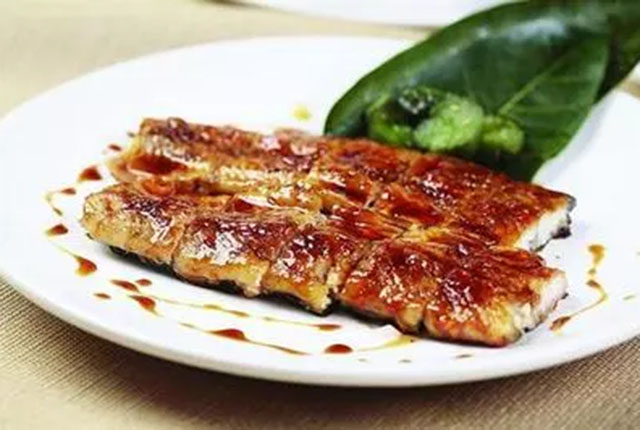
In Japanese cooking, unagi usually refers to freshwater eel prepared for eating, often grilled and finished with a sweet-savory sauce. The most recognized version is kabayaki: eel that has been grilled and coated with sauce in layers. However, the vessel, rice arrangement, garnishes, and eating method determine whether the guest is having unadon, unaju, hitsumabushi, nigiri, or shirayaki.
For anyone learning unagi japanese terminology, the easiest starting point is not the sauce. Look first at the rice and the serving vessel. A deep bowl usually signals one style. A rectangular box signals another. Eel served without rice may be a very different menu category altogether.
How can you identify an eel dish before you take the first bite?
The fastest answer is to check four visible cues: rice placement, vessel shape, condiments, and the way the diner is expected to eat. This method works well for restaurant guests, menu writers, import buyers reviewing product applications, and foodservice operators planning a Japanese eel menu.
- Rice underneath the eel: Usually indicates a rice bowl or boxed rice dish rather than sushi.
- Deep round bowl: Usually points to unadon, a casual and direct way to serve grilled eel over rice.
- Shallow rectangular box: Usually points to unaju, a more formal presentation with eel over rice.
- Small bowls, broth, and several condiments: Often signals hitsumabushi, which is eaten in stages.
- Compact hand-formed rice: Indicates nigiri, where eel is served as sushi.
- No glaze and no mandatory rice: May indicate shirayaki, plain grilled eel without the usual kabayaki sauce coating.
This visual method is useful because a menu description can be shortened, translated, or written for local diners. Still, it is not absolute. Restaurant traditions vary by city and chef, and some operators use a bowl or box based on available tableware rather than strict custom. For accurate menu naming, use the serving method together with the preparation method.
When building a unagi japanese menu, do not label every grilled eel item as kabayaki rice bowl. Kabayaki describes the glazed preparation, while unadon and unaju describe common rice-serving formats. That small distinction prevents guest confusion.
What is the serving-format comparison for unadon, unaju, hitsumabushi, nigiri, and shirayaki?
The table below gives the practical distinctions that matter most. It is especially useful when selecting frozen eel portions, cut styles, and condiments for a restaurant menu.
| Dish style | Rice format | Typical vessel | Common condiments | Dining method |
|---|---|---|---|---|
| Unadon | Steamed rice covered or partly covered with grilled eel | Deep round rice bowl | Eel sauce, sansho pepper, sometimes pickles | Eat directly as a complete bowl meal |
| Unaju | Steamed rice beneath grilled eel | Rectangular lacquer-style box | Eel sauce, sansho pepper, pickles | Eat directly, usually as a more formal presentation |
| Hitsumabushi | Rice mixed or topped with finely cut eel portions | Wooden tub or shared serving vessel, then individual bowls | Green onion, wasabi, seaweed, broth or tea depending on the restaurant | Often eaten in stages: plain, with condiments, then with broth or tea |
| Nigiri | Small hand-formed sushi rice portion | Sushi plate or serving board | Light sauce, sesame, or a small garnish depending on the chef | Eat as one sushi piece, usually without adding broth |
| Shirayaki | No rice is required; rice may be served separately | Grill plate or small ceramic plate | Wasabi, salt, soy sauce, or other restrained seasonings | Eat as plain grilled eel, focusing on the fish flavor |
For unagi japanese dishes, this comparison has a clear menu-planning use. Choose unadon when you want a familiar individual rice bowl with simple service. Choose unaju when presentation and a premium boxed appearance matter. Choose hitsumabushi when diners are likely to enjoy an interactive meal format. Choose nigiri for sushi counters and smaller portions. Choose shirayaki when the menu needs a less sweet, sauce-free eel option.
Each choice has limits. Unadon and unaju need dependable rice service and a bowl or box that retains heat. Hitsumabushi adds more garnishes, separate broth or tea service, and staff explanation. Nigiri requires consistent sushi-rice handling. Shirayaki may not suit guests who expect the sweet glaze commonly associated with unagi japanese food.
What is the practical difference between unadon and unaju?
The direct answer is the vessel. Unadon is generally served in a bowl, while unaju is generally served in a rectangular box. Both commonly feature grilled, sauce-coated eel over rice.
For a casual lunch program, unadon is usually the easier choice. A bowl supports a generous, everyday presentation and can work well with standardized eel portions. For a dinner menu, unaju may create a more traditional visual impression because the rectangular box frames the eel neatly over the rice.
Do not assume that unaju always means better eel or a larger portion. The vessel alone does not prove quality, portion weight, sauce level, or eel origin. A buyer should ask for the proposed cut format, packing format, glaze preference, and product specification rather than judging only by the menu name.
Restaurants serving unagi japanese meals can also use the two formats strategically. Put unadon on a lunch menu where speed and familiarity matter. Reserve unaju for set meals, gifting occasions, or table-service menus where the visual presentation supports the selling price. This is a positioning choice, not a fixed rule.
For a dish built around glossy kabayaki, a consistent sauce matters. Menu teams comparing glaze styles can review our kabayaki sauce article for practical flavor considerations.
How should diners eat hitsumabushi?
Hitsumabushi is recognized by its staged eating method. The eel is commonly cut into smaller pieces and served with rice, condiments, and a liquid such as broth or tea. The diner does not have to eat every restaurant version in exactly the same way, but the usual approach is to divide the portion into several small servings.
- First serving: Taste the eel and rice plain. This shows the balance between the grilled eel, rice, and sauce.
- Second serving: Add condiments such as green onion, wasabi, or seaweed if supplied.
- Third serving: Add the restaurant’s broth or tea if it is provided and intended for the dish.
- Final serving: Repeat the version you preferred most.
This serving method suits diners who enjoy variety in one meal. It also gives foodservice operators a clear reason to offer cut eel rather than one large fillet. Eelpro can provide custom cutting options including dicing, strip-cutting, chunk-cutting, three-section cuts, and sushi slices. The right option depends on the menu format and kitchen workflow.
The limitation is operational. Hitsumabushi requires more than grilled eel and rice. It needs portioned condiments, a liquid component where applicable, and enough table instructions that first-time diners understand the format. If your operation needs very fast assembly, unadon may be a simpler unagi japanese choice.
Is nigiri the same as an eel rice bowl?
No. Nigiri is sushi, not a rice bowl. It uses a small, hand-formed piece of sushi rice topped with a controlled portion of eel. The ratio of rice to fish is much smaller than in unadon or unaju, and the diner usually eats it in one or two bites.
For sushi applications, use portions sized for consistent topping placement. Sushi slices can reduce trimming work in the kitchen and help standardize plate appearance. This format fits sushi bars, tasting menus, and small shared plates. It does not fit a menu seeking a filling rice-centered main course.
A useful unagi japanese menu note is that sauce should support nigiri rather than bury the sushi rice. Too much sauce can make the rice slippery and overly sweet. A controlled brush or finishing drizzle is generally easier to manage than pooling sauce on the plate.
For eel sushi roll ideas, see our eel sushi roll recipe. Rolls and nigiri are not the same format, but both benefit from portion-consistent eel cuts and balanced sauce use.

What makes shirayaki different from kabayaki?
Shirayaki is plain grilled eel, generally served without the characteristic sweet kabayaki glaze. Kabayaki is grilled eel coated with sauce. That is the main difference.
For diners, shirayaki puts more attention on the eel itself. It may be paired with wasabi, salt, or a light seasoning rather than a sweet glaze. For menu planners, it offers contrast beside sauce-forward rice bowls and sushi. It can suit guests looking for a cleaner flavor profile or those who prefer to control their own seasoning.
However, shirayaki is not a substitute for kabayaki in every recipe. A rice bowl developed around sweet-savory sauce may taste incomplete if plain eel is used without adjusting the rice, side dishes, and condiments. When the menu promise is a classic glazed unagi japanese dish, choose kabayaki rather than treating shirayaki as an interchangeable ingredient.
Cold fact: the word “unagi” identifies eel, but it does not automatically tell you whether the eel is sauced, served over rice, presented as sushi, or grilled plain. The serving name carries the missing information.
What mistakes should buyers and diners avoid when choosing an eel format?
The most common mistake is choosing only by the word “unagi” on a menu or supplier inquiry. A better decision comes from defining the finished dish first, then matching the eel cut, sauce, and service format to it.
- Mistake: Calling every glazed eel bowl “unadon.”
Better approach: Check the vessel. Use unaju for a boxed presentation and unadon for a bowl presentation. - Mistake: Ordering large fillets for hitsumabushi without planning the cutting step.
Better approach: Request a suitable cut format for smaller rice-and-eel portions. - Mistake: Treating shirayaki as under-sauced kabayaki.
Better approach: Present it as a separate plain-grilled style with appropriate seasonings. - Mistake: Applying heavy sauce to nigiri.
Better approach: Use a controlled coating that keeps the sushi rice manageable. - Mistake: Buying eel without confirming food-safety documentation and traceability expectations.
Better approach: Ask the supplier how farm registration, sampling, process verification, and shipment traceability are handled.
For import buyers, the last point has practical value. Eelpro holds ISO 22000:2018, HACCP, HALAL certification, export food producer registration, and an SC food production license. Our supply chain includes approximately 20 customs-registered farming bases covering more than 2,150 mu, with traceability from farming registration through shipment. Our in-house laboratory and metal detectors support control at designated production points.
HACCP is a food-safety management approach based on identifying and controlling hazards during production. Buyers should still confirm destination-market import rules independently, because product requirements can differ among Japan, the United States, the European Union, Australia, and Southeast Asian markets.
How should a menu planner select the right eel product format?
Start with the finished serving style, not just the ingredient name. This reduces unnecessary kitchen cutting, avoids mismatched plate presentations, and makes menu descriptions clearer for guests.
| Menu objective | Recommended serving style | Product consideration | When it may not fit |
|---|---|---|---|
| Fast individual lunch | Unadon | Portioned kabayaki suitable for bowl assembly | Less suitable when formal boxed presentation is required |
| Traditional dinner set | Unaju | Well-presented fillet or portion with sauce | May add tableware cost and slower plating |
| Interactive shared meal | Hitsumabushi | Cut eel plus planned condiment and broth service | Not ideal for minimal-prep counters |
| Sushi counter item | Nigiri | Sushi slices or accurately portioned eel | Not filling enough for a rice-bowl main course |
| Plain grilled eel option | Shirayaki | Unglazed eel presentation with restrained seasoning | May disappoint guests expecting sweet eel sauce |
Eelpro produces frozen roasted eel and deep-processed aquatic products on two production lines with annual finished-goods capacity of 4,000 tons. We also maintain 1,000-ton cold storage for product storage and cold-chain logistics. Standard order delivery is approximately 30 days from order confirmation to shipment, subject to adjustment by specification and quantity.
For restaurants using glazed eel bowls, our unagi kabayaki product page provides a starting point for evaluating the sauce-coated format. For sauce planning, see our eel sauce product page. Sauce, cut style, and packaging should be discussed together because each affects kitchen labor and final presentation.
The best unagi japanese format is therefore not one universal dish. It is the format that matches your service speed, tableware, guest expectation, and kitchen capability. Ask for product selection advice or a quote based on your planned menu format.

 WhatsApp
 sales@chinaeels.com
 +8619937922411