

Is Unagi Mushroom the Same as Enoki
You see “unagi mushroom” on a recipe search, menu note, or buyer inquiry. Is it a mushroom with an eel-like name, or is it related to Japanese grilled eel? The short answer is no: unagi mushroom is not the same ingredient as enoki, and the phrase often comes from a naming mix-up.
For food buyers, chefs, and home cooks, this confusion can create a real ordering problem. One item is an aquatic animal used in Japanese seafood dishes. The other is a slim, mild mushroom often added to soups, hot pots, and wrapped dishes. Knowing the difference prevents incorrect purchasing, unclear menu copy, and disappointed diners.
What Does Unagi Mushroom Actually Mean in Food Searches?
Unagi mushroom is not a standard Japanese ingredient name. In most cases, people searching this phrase are combining two separate Japanese food terms: unagi, meaning eel, and enoki, meaning enoki mushroom.
The confusion is understandable. Both ingredients appear in Japanese-inspired cooking, both are popular in Asian foodservice, and both can be used in rice bowls, noodle soups, and grilled dishes. Yet they come from entirely different food categories.
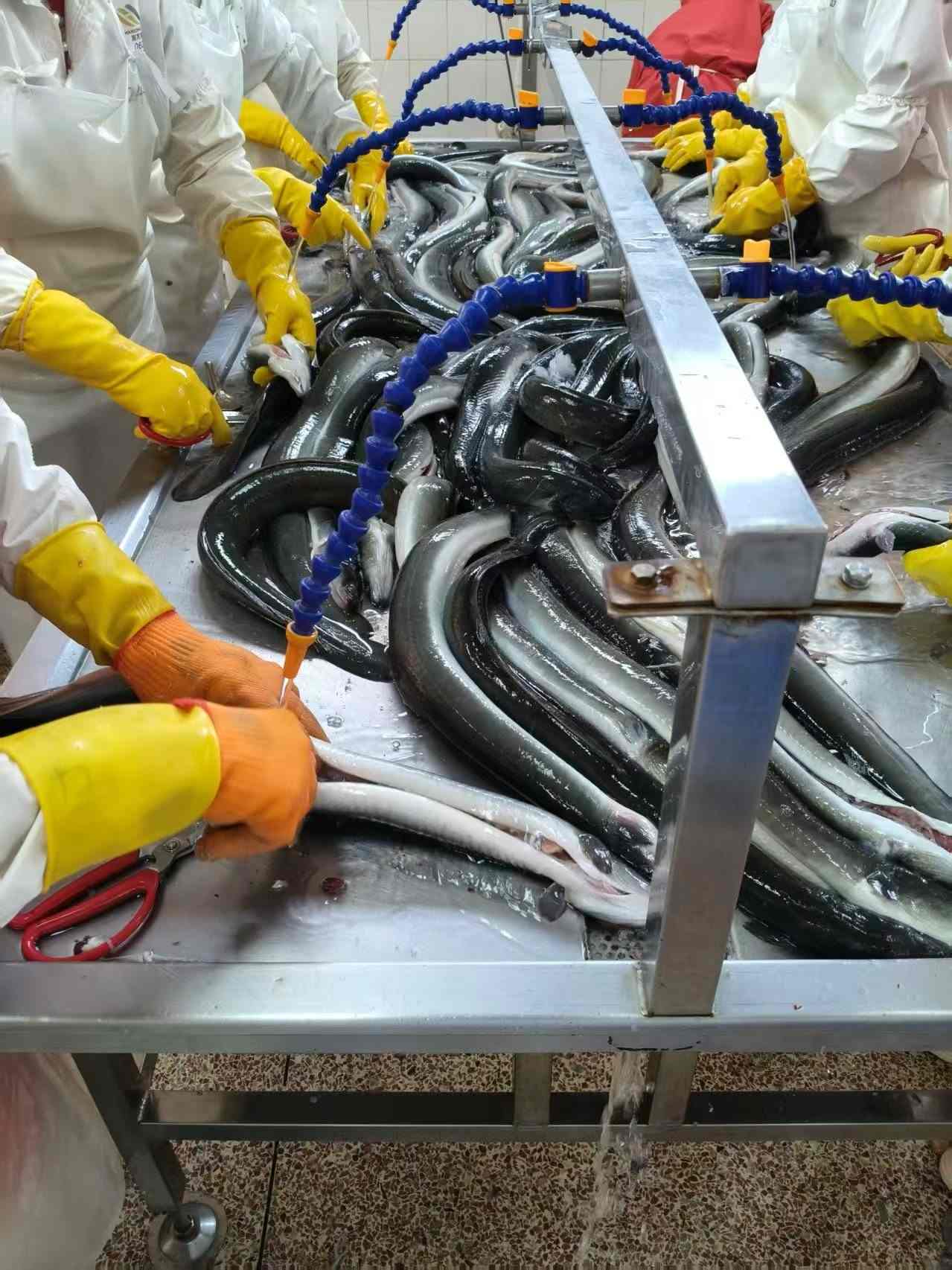
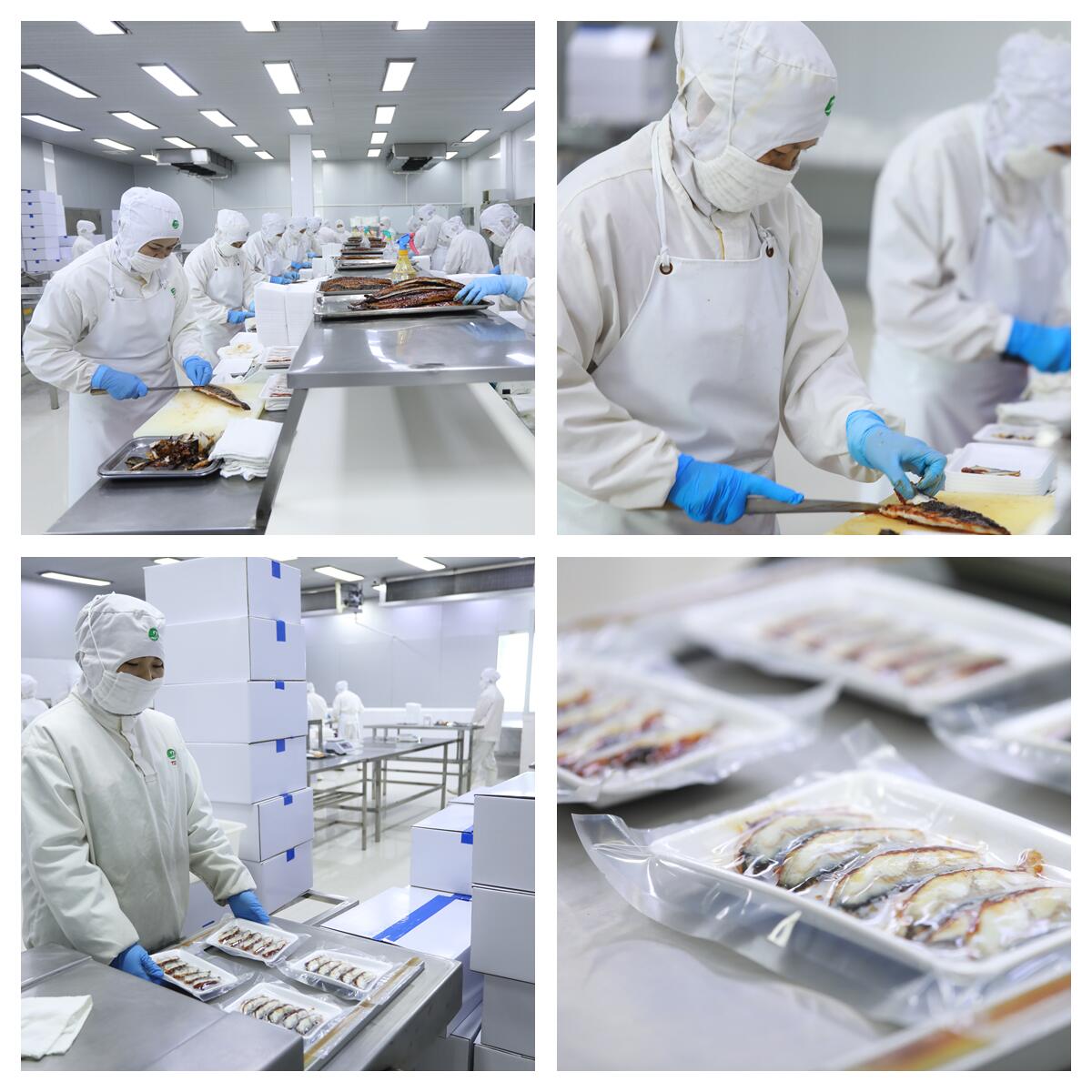
Unagi refers to eel, especially Japanese eel in culinary usage. In restaurants, it commonly means grilled and seasoned eel served over rice, sushi, or noodles. Eelpro supplies unagi kabayaki, a roasted eel product prepared for foodservice and retail use.
Enoki refers to a mushroom with long white stems and small caps. It has a light flavor, a crisp bite when briefly cooked, and a softer texture when simmered longer. It is commonly used in miso soup, hot pot, stir-fries, noodle dishes, and foil-wrapped grilled recipes.
The practical conclusion is simple: if a product list says unagi mushroom, ask the supplier whether they mean eel, enoki mushrooms, or a dish that contains both. Do not approve an order based on the phrase alone.
How Are Unagi and Enoki Different in Japanese and Botanical Terms?
This is the key naming issue. Unagi is eel, while enoki is a mushroom. They are not alternate names, related species, or substitute ingredients.
| Term | Correct Japanese Name | Food Category | Botanical or Zoological Reference | Typical Use |
|---|---|---|---|---|
| Unagi | Unagi | Freshwater eel | Often associated with Japanese eel, Anguilla japonica | Kabayaki, sushi, rice bowls, grilled dishes |
| Enoki | Enokitake | Mushroom | Flammulina filiformis | Hot pot, soup, stir-fries, wrapped dishes |
| Unagi mushroom | No standard Japanese ingredient term | Ambiguous search phrase | Not a botanical name | Requires clarification before buying or cooking |
Is unagi the Japanese word for enoki?
No. Unagi means eel. Enoki, also called enokitake, means enoki mushroom. A menu that uses unagi mushroom as if it were an accepted ingredient name is unclear and should be revised.
Is unagi mushroom a specific mushroom variety?
No standard mushroom species is known by that name in Japanese cuisine. A seller may use it informally, mistakenly, or as a search phrase, but buyers should request the actual product name, ingredient list, species information where applicable, and product photograph.
Can a dish include both unagi and enoki?
Yes. A rice bowl, noodle soup, or grilled plate can include both. In that case, the correct description should name each item separately, such as “grilled eel with enoki mushrooms.” This wording is clearer for diners, purchasing teams, and allergen documentation.
Cold fact: enoki’s long white stems are largely a cultivation appearance, not evidence that it is connected to eel. The pale color and narrow shape may look striking on a plate, but the mushroom has no culinary or biological connection to unagi.
How Should Buyers Clarify an Ambiguous Ingredient Request?
When a restaurant, distributor, or recipe developer asks for unagi mushroom, the best response is not to guess. Clarify the intended ingredient before sending a quotation, sample, or menu specification. This fits buyers at the early research stage, especially those building Japanese menus or sourcing ingredients across language markets.
The reason is straightforward. Eel and mushrooms have different storage needs, suppliers, product documentation, preparation methods, and food-cost roles. A vague request can result in an irrelevant quotation or an ingredient that does not match the planned dish.
- Ask for the intended dish. Determine whether the buyer is planning sushi, a rice bowl, hot pot, ramen, a side dish, or a vegetarian item.
- Confirm the ingredient category. Ask directly: “Do you mean grilled eel or enoki mushrooms?”
- Request a product image or existing menu reference. This is useful when the request originated from a translated recipe, social post, or handwritten kitchen note.
- Confirm format. For eel, identify whether the buyer needs whole fillets, cut pieces, sushi slices, strips, or another cut. For mushrooms, confirm fresh, frozen, or processed format.
- Check the menu claim. A vegetarian or mushroom-focused dish should not be labeled with unagi unless eel is actually included.
- Match the supplier to the product. Eel requires a seafood supply chain; enoki requires a mushroom supplier. They should not be treated as interchangeable sourcing categories.
This procedure is particularly useful for importers supplying multiple restaurant concepts. It may not be necessary when a buyer has already provided a full specification, approved product code, or clear product photo. Even then, keeping the product name precise reduces errors later in the ordering process.
Which Ingredient Fits Your Menu or Recipe Goal?
The right choice depends on the dish’s role. Choose eel when the menu needs a rich seafood centerpiece. Choose enoki when the dish needs a mild mushroom texture, visual height, or a light vegetable component. Neither is a direct replacement for the other.
| Menu Goal | Better Choice | Why It Fits | When It Does Not Fit |
|---|---|---|---|
| Japanese rice bowl with a savory seafood main | Unagi | Grilled eel provides the main protein and classic kabayaki flavor profile. | Not suitable for vegetarian menus or mushroom-only dishes. |
| Hot pot or noodle soup garnish | Enoki | Enoki cooks quickly and adds a soft, delicate mushroom texture. | It cannot replace the rich flavor or protein role of eel. |
| Sushi roll with a seafood center | Unagi | Eel is commonly used in cooked sushi applications. | Enoki needs separate preparation and is not a like-for-like sushi filling substitute. |
| Vegetable side dish or foil packet | Enoki | The mushroom works well with light seasoning and short cooking. | It will not deliver the caramelized, glazed character of kabayaki. |
| Japanese-inspired menu with both seafood and vegetables | Both, named separately | They can complement each other when each has a clear role. | Do not merge the names into a single ingredient label. |
For example, a menu planner developing a grilled rice bowl can use kabayaki eel as the center of the plate and add enoki as a side component. The menu wording should state “grilled eel rice bowl with enoki mushrooms,” not unagi mushroom bowl. The first description tells diners what they are buying. The second creates uncertainty.
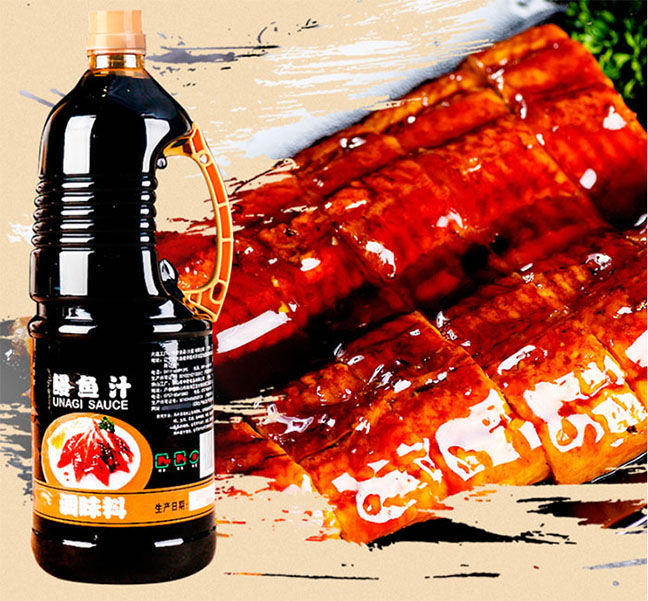
Buyers who want to understand the seasoning side of eel dishes can also review our eel sauce product information. Eel sauce, often called unagi tare, is a savory-sweet sauce used with grilled eel. It is not mushroom sauce, although it can be paired with vegetable side dishes in some recipes.
What Are the Most Common Unagi Mushroom Mistakes?
A few simple errors appear repeatedly in recipe research and menu planning. Avoiding them saves time and protects menu accuracy.
- Mistake: Treating unagi mushroom as a translation for enoki.
Correction: Use enoki or enokitake for the mushroom. Use unagi for eel. - Mistake: Ordering eel when the recipe needs mushrooms.
Correction: Check the ingredient photo and cooking method. Soup, hot pot, and vegetable wraps often indicate enoki; glazed grilling often indicates eel. - Mistake: Calling an eel dish vegetarian because it includes mushrooms.
Correction: Eel is a seafood ingredient. Enoki does not change the dish’s seafood status. - Mistake: Assuming any brown sauce on a Japanese dish is mushroom sauce.
Correction: Kabayaki sauce is associated with grilled eel. See this practical guide to kabayaki sauce for a clearer explanation of its role. - Mistake: Replacing eel with enoki in a recipe without changing the dish concept.
Correction: This can work only as a new vegetarian interpretation. The flavor, texture, and protein contribution will be different.
The most useful rule is this: read the ingredient name, look at the product category, and confirm the intended dish before sourcing. A short clarification at the beginning is far easier than correcting a purchase order, product listing, or printed menu later.
What Should Foodservice Buyers Check Before Selecting Eel Products?
If the request is actually for unagi rather than enoki, product selection should move beyond the confusing unagi mushroom search phrase. Buyers should assess format, flavor profile, traceability, and handling requirements.
- Choose the cut for the dish. Sushi slices and standardized portions fit sushi and rice-bowl operations; strips, chunks, and diced eel may better suit toppings and prepared foods. This does not apply when a menu requires a whole-fillets presentation.
- Confirm the sauce requirement. Some dishes need a finished kabayaki profile, while others need separate sauce control. Select the format that matches the kitchen’s workflow rather than adding unnecessary back-of-house steps.
- Review food-safety documentation. For export sourcing, confirm the supplier’s applicable certifications, registration, product specification, and inspection requirements for the destination market.
- Ask about cold-chain handling. Frozen eel depends on stable storage and logistics. Eelpro has a 1,000-ton cold storage facility to support product storage and cold-chain logistics.
- Check traceability controls. Eelpro works with approximately 20 customs-registered eel farming bases covering more than 2,150 mu, with traceability from farming registration through shipment.
Eelpro operates two production lines for frozen roasted eel and deep-processed aquatic products, with annual finished-goods capacity of 4,000 tons. Our facility is certified to ISO 22000:2018, HACCP, and HALAL requirements, and our quality process includes an in-house laboratory and metal detectors at critical control points. These points matter for importers and restaurant groups seeking a documented eel supply source; they do not replace the buyer’s own destination-market review, product testing plan, or contractual requirements.
For a closer look at traceability and production controls, buyers can review the eel lab information before discussing a product specification.
Can Unagi and Enoki Work Together in One Dish?
Yes, and this is where the unagi mushroom phrase can become useful as a search starting point rather than an ingredient name. The pairing can work well when eel remains the savory centerpiece and enoki adds contrast.
A practical example is a rice bowl with grilled eel, steamed rice, lightly cooked enoki, and a controlled drizzle of tare. The eel brings glaze, aroma, and richness. The mushroom adds a lighter texture. The limit is balance: too much sauce can overpower the enoki, while too much mushroom can make the bowl feel less focused.
For noodle applications, use eel as a prepared topping and add enoki near the end of cooking so its fine stems retain some texture. If you want recipe inspiration for eel-and-noodle menu concepts, see our unagi ramen guide.
So, is unagi mushroom the same as enoki? No. Unagi is eel. Enoki is a mushroom. The phrase should be treated as an ambiguous search term, not a formal ingredient name. Clear naming makes sourcing easier and helps every dish arrive at the table exactly as intended.
If you are sourcing frozen kabayaki eel for a Japanese menu, contact Eelpro for product specifications and sample discussion.