


Why Unagi Sauce Vegan Status Depends on the Bottle, Not the Recipe Name
You're staring at a sushi menu, and the question hits you: is unagi sauce vegan, or is that glossy brown glaze hiding fish stock? The short answer is — it depends entirely on which bottle or kitchen made it. Traditional unagi tare can be plant-based, but most commercial versions are not. Here's exactly what to check before you order.
What's Actually In Traditional Unagi Sauce?
Classic unagi tare (the glaze brushed onto grilled eel) is built from four ingredients: soy sauce, mirin, sugar, and sake. That's it. No fish stock, no bonito flakes, no gelatin. This base recipe is, by definition, plant-based.
The problem starts when sauce makers try to shortcut the roasting process. Real kabayaki glaze develops flavor from eel drippings during repeated basting over the grill — our own export line uses a 4-layer soy-sauce coating process with temperature-controlled steps to build that color and depth. Bottled sauces that skip actual roasting often substitute dashi (fish stock), bonito extract, or oyster-derived flavor enhancers to fake that umami depth. That substitution is where "vegan" status quietly disappears.
The Boundary: Plant-Based Tare vs. Bottled Sauce With Fish-Derived Additives
This is the single most important distinction for anyone checking unagi sauce vegan status. The name "unagi sauce" tells you nothing about the ingredients — it only tells you the sauce is meant to go with eel. Here's the boundary line:
| Feature | Traditional Plant-Based Tare | Commercial Bottled Sauce (Non-Vegan Risk) |
|---|---|---|
| Base ingredients | Soy sauce, mirin, sugar, sake | Same base, plus additives |
| Umami source | Natural reduction + caramelization | Often bonito extract or dashi powder |
| Thickener | Sugar reduction (none needed) | Sometimes gelatin or fish collagen |
| Grill drippings | Not used in home-style vegan version | Eel fat/drippings may be blended in for commercial depth |
| Label clarity | Short ingredient list, easy to verify | "Natural flavor" or "seasoning" can hide fish derivatives |
If a label says "bonito," "katsuobushi," "fish extract," or just "natural flavoring" with no further detail, treat it as non-vegan until confirmed otherwise. This is also the exact distinction our quality team flags when buyers request ingredient documentation for our eel sauce products — the base tare we produce follows the traditional four-ingredient method, but we always confirm specs in writing per order, since formulations can be customized by client request.
How to Check an Unagi Sauce Label in 5 Steps
- Flip the bottle and read top to bottom. Ingredients are listed by weight, so fish-derived items near the top matter more than trace amounts at the end.
- Search for "bonito," "katsuobushi," "dashi," or "fish extract." Any of these confirm the sauce is not vegan.
- Flag vague terms like "natural flavor" or "seasoning." In many regions, these terms can legally include fish-derived compounds without naming them directly.
- Check for allergen statements. Fish is a declared allergen in the US, EU, and most export markets — if fish appears in a "Contains" statement, the sauce is disqualified.
- When dining out, ask the kitchen directly. Restaurant-made tare varies by chef; some use eel bones in the stock, others don't. A menu listing "unagi sauce" gives you zero certainty either way.
Common Mistakes Vegan Diners Make With Unagi Sauce
- Assuming "vegetarian-friendly" menu tags cover vegan diets. Vegetarian labels often allow fish-based stocks since fish isn't meat in some culinary classifications.
- Trusting color and texture as indicators. A glossy, dark glaze looks the same whether it's made from soy and sugar or blended with fish extract.
- Skipping the cross-contamination question. Even a plant-based tare recipe can be unsafe for strict diners if it's brushed onto eel using the same pot used for fish-based stock.
- Buying bottled sauce based on brand reputation alone. Recipes change between batches and regions — always re-check the label, even for a brand you've bought before.
- Confusing "eel sauce" with "unagi tare" as always interchangeable. Some US grocery brands use "eel sauce" as a generic name for a soy-sugar glaze that never touched eel or fish stock at all — ironically, these are often the most reliably plant-based option.
Restaurant vs. Packaged Sauce — A Buyer's Decision Checklist
If you're sourcing unagi sauce for a restaurant menu, a retail product line, or your own kitchen, run through this checklist before committing:
- Does the supplier provide a full ingredient list, not just a marketing description?
- Is there a documented process for how umami flavor is built (grill drippings vs. stock additives)?
- Can the supplier confirm absence of fish-derived additives in writing, for allergen-label purposes?
- Is the sauce produced in a facility with cross-contact controls if a vegan SKU is needed alongside seafood lines?
- Does the product meet the food safety standards of your target market (EU, US, Japan) for labeling accuracy?
For foodservice buyers building a menu around unagi kabayaki, it's worth separating the vegan sauce question entirely from the eel product itself — the two ingredients can be sourced and labeled independently, which gives more flexibility for mixed-diet menus.
Frequently Asked Questions
Is unagi sauce vegan by default?
No. The name only describes its intended pairing with eel, not its ingredients. Traditional soy-mirin-sugar-sake tare is plant-based, but many commercial bottles add fish-derived flavoring.
Does kabayaki glaze always contain eel fat or drippings?
Not always. Home-style and some retail tare recipes are made purely from soy, mirin, sugar, and sake with no eel contact. Restaurant-grilled kabayaki, however, often develops its glaze through repeated basting with drippings from the grilling eel itself — our kabayaki sauce process uses this traditional layering method for depth of flavor, which is why we always disclose production method on request for buyers with dietary-labeling needs.
Can I make a reliably vegan version at home?
Yes. Combine equal parts soy sauce and mirin with a smaller amount of sugar, then simmer until it thickens into a glaze. No fish products are required for this base recipe. For step-by-step ratios and common flavor fixes, see our kabayaki sauce recipe guide or the dedicated eel sauce recipe and storage tips.
What about MSG or dashi powder in packaged sauces?
MSG itself is typically plant-derived (fermented from sugar beets or corn) and is not automatically non-vegan. Dashi powder, however, is a red flag — most commercial dashi is made from bonito flakes or a bonito-kombu blend, which disqualifies it for vegan diets. Always check whether the dashi source is listed as kombu-only.
Why does this matter for B2B buyers and not just home cooks?
Mislabeling an allergen or diet claim creates real compliance risk. Export markets across the EU and US enforce strict allergen-declaration rules, and a sauce incorrectly marketed as vegan can trigger recalls or import rejections. This is why ingredient traceability — from farming base to finished bottle — matters as much for sauce formulations as it does for the eel farming side of the supply chain.
Verifying Before You Commit to an Order
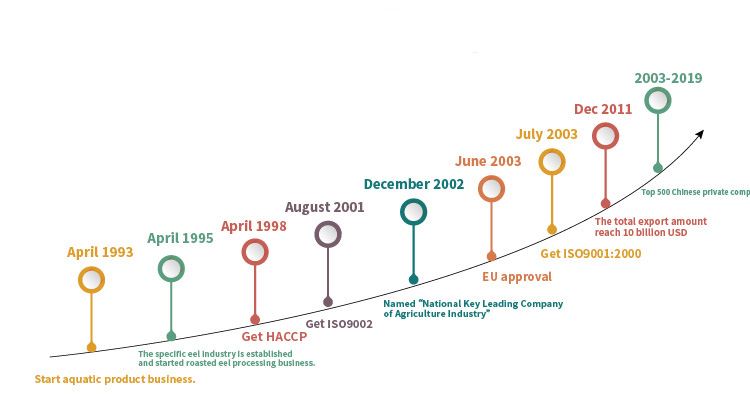
If you're buying unagi sauce at retail scale or building a menu that needs a documented vegan claim, don't rely on the product name. Request the full ingredient breakdown and ask whether the formulation has been tested through an in-house lab. Our quality team, supported by an in-house laboratory and ISO 22000-certified process controls, can confirm sauce composition in writing for buyers who need documentation for allergen labeling or dietary claims.
Whether you're pairing sauce with frozen seafood items on a menu or sourcing a standalone bottled condiment, the rule stays the same: read the label, ask the supplier, and get it in writing before the claim goes on your packaging.
Need a verified ingredient spec sheet for eel sauce or kabayaki glaze? Reach out to our team for documentation suited to your market's labeling requirements, or request a sample batch to confirm flavor and compliance before placing a full order.