

Kabayaki Eel Explained: Glaze, Cut, and Serving Style
Kabayaki eel is a prepared freshwater eel fillet that is grilled and coated with a sweet-savory glaze. Its appeal is straightforward: tender fish, a lightly smoky grilled flavor, and a glossy sauce that can elevate rice, sushi, noodles, and bento dishes. For importers and foodservice buyers, though, the details matter. Fillet cut, skin treatment, glaze coverage, and heating format all influence the finished dish.
What Is Kabayaki Eel?
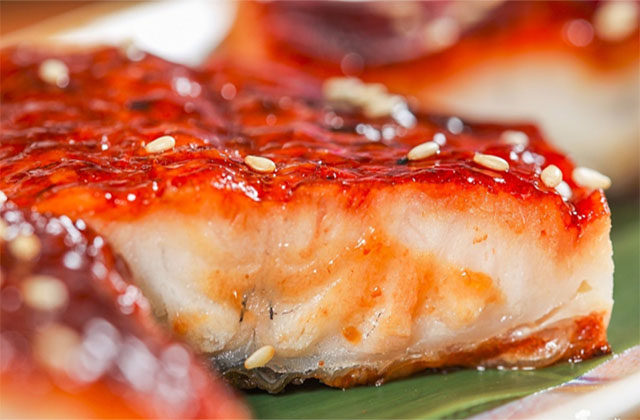
Kabayaki eel is eel prepared in a Japanese-style cooking format. The fish is opened into fillets, grilled, and coated with a seasoned sauce. The finished product is commonly sold frozen, which makes it practical for restaurants, distributors, retailers, and meal-service operators.
The word “kabayaki” describes the preparation style rather than a separate species. In commercial seafood, buyers may see terms such as kabayaki unagi, glazed eel, unagi kabayaki, or prepared eel fillets. These expressions generally refer to the same broad product concept: eel that has been cut, cooked, glazed, and prepared for convenient serving.
Its flavor comes from the combination of fish and sauce. Eel has a naturally rich texture, while the glaze adds sweetness, saltiness, and roasted depth. The sauce also gives the fillet its familiar brown, polished appearance.
How Is Kabayaki Eel Prepared?
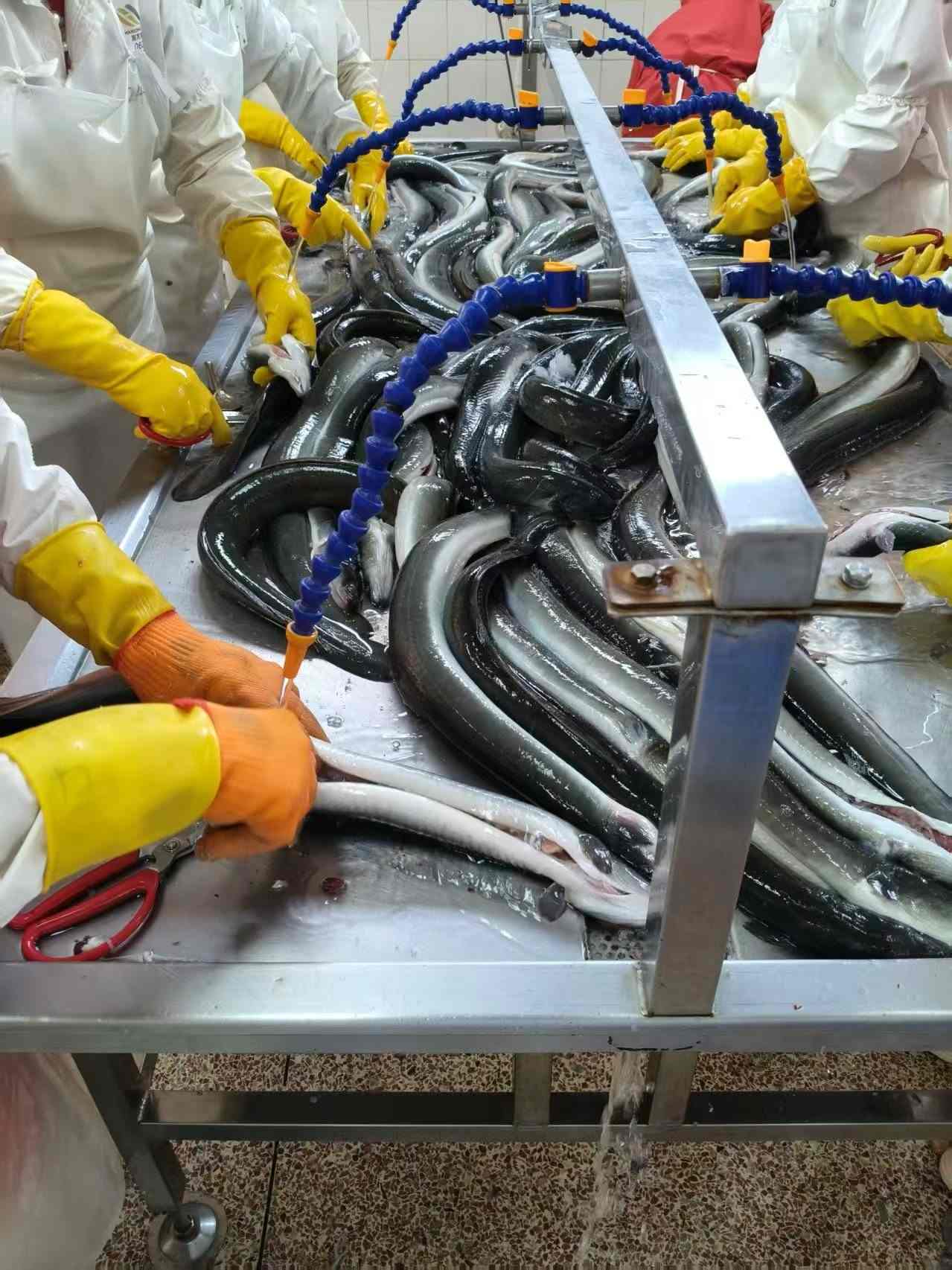
The process begins with freshwater eel. The eel is cleaned and opened into a fillet. Depending on the supplier and market, it may be presented skin-on or in another agreed format. For buyers, this is not a minor detail. Skin-on and skinless presentations create different eating experiences and may suit different menus.
Filleting and portion format
A useful commercial discussion starts with the cut. Ask whether the product is supplied as whole fillets, trimmed pieces, portions, or another format. Also confirm whether the fillet is skin-on, whether the belly and tail sections are included, and how the product is arranged in the pack.
These details affect portion planning. A sushi kitchen may want clean, easy-to-cut pieces. A rice-bowl operator may prefer fillets that can be reheated and placed directly over rice. A distributor serving several restaurant types may need a format that offers broader menu flexibility.
Grilling
After filleting, the eel is grilled. This step develops the characteristic roasted aroma and creates a firm surface around the tender flesh. The grilling style can affect the level of smoke, browning, and sauce absorption in the finished product.
Grilling also affects how the fillet performs during reheating. A foodservice product should be easy to heat without losing its soft texture. Buyers should therefore test the product using the equipment their customers rely on, whether that is an oven, grill, pan, or another commercial heating method.
Glazing
The cooked fillet is coated with eel sauce, also called unagi tare. The glaze should sit evenly on the surface rather than disappear into a thin, patchy coating. A balanced sauce supports the fish rather than overwhelming it with excessive sweetness or leaving the fillet dry and dull.
For a closer look at the role of sauce, see our guide to kabayaki sauce flavor. Buyers can also review the dedicated eel sauce product page when planning a separate sauce program.
The final product is then frozen for distribution. Frozen kabayaki can help foodservice operators keep a convenient eel option available without preparing raw eel in-house. Always follow the supplier’s handling instructions and verify storage, thawing, and heating guidance before commercial use.
Why the Fillet Cut Matters to Buyers
Two products may both be called kabayaki unagi yet perform differently in the kitchen. The cut is one reason. Thickness, shape, skin presentation, trimming, and portion arrangement all affect how the product looks on the plate.
- Whole fillets: useful for rice bowls, plated entrées, and menus that emphasize a generous eel presentation.
- Portioned fillets: practical for standardized servings and repeatable foodservice preparation.
- Trimmed pieces: suitable for sushi rolls, noodle dishes, bento, and toppings.
- Skin-on formats: can provide a distinct bite and a more traditional visual style.
- Skinless formats: may suit menus where a smooth, uniform texture is preferred.
Do not judge a product solely by the photograph on a quotation sheet. Request product information that clearly explains the cut and presentation. If you are importing for restaurant customers, ask for samples and prepare them using the same method your customers will use.
Assess the cooked appearance as well. The fillet should have a recognizable shape, even glaze coverage, and a texture that remains pleasant after heating. Also check whether the sauce pools heavily in the pack or appears patchy across the surface. These details can affect plate presentation and portion consistency.
What Does Glazed Eel Taste Like?
Glazed eel is rich, soft, savory, and lightly sweet. The sauce provides the first impression, but the fish should remain noticeable beneath it. A well-balanced product has rounded flavor rather than a sharp salt hit or an overly sugary finish.
The skin can add texture, while the flesh delivers the soft, full-bodied bite associated with Japanese-style eel dishes. Grilling adds aroma, and the sauce creates the glossy finish that many diners recognize immediately.
For menu development, pair eel with neutral or fresh ingredients. Steamed rice is the classic foundation. Sushi rice, noodles, cucumber, scallions, sesame, pickled vegetables, and lightly seasoned greens can all provide contrast. The goal is balance: eel brings richness, while side ingredients keep the dish fresh and lively.

Common Foodservice Applications
Kabayaki eel suits far more than a single rice bowl. Its prepared format gives chefs a convenient starting point, while the glaze provides an established flavor profile.
Rice bowls and donburi
A rice bowl is the most direct application. Reheat the prepared eel according to the product instructions, place it over rice, and finish with additional sauce if desired. Operators can create a simple core menu item or add toppings that suit local preferences.
Our ideas for eel rice bowl toppings can help foodservice teams develop several serving styles from one product.
Sushi and rolls
Prepared eel is commonly sliced for sushi, hand rolls, and maki. Because the fish has already been cooked and glazed, it can reduce preparation steps at a busy sushi station. It pairs well with rice, cucumber, avocado, and other ingredients that add freshness or textural contrast.
Noodles and ramen
Small portions can be added to noodle dishes as a premium topping. The sauce blends naturally with warm rice noodles, ramen, or other brothy preparations, although chefs should consider the salt and sweetness of the complete bowl before adding extra seasoning.
For a practical menu idea, see this unagi ramen guide.
Bento and prepared meals
Cut portions of glazed eel can add visual appeal to bento, chilled prepared meals, and takeaway boxes. The deep color of the glaze contrasts well with rice and vegetables. For distributors, this makes prepared eel fillets relevant to both Japanese restaurants and broader convenience-food channels.
Specialty plates
Chefs can serve eel with steamed vegetables, grilled seasonal produce, salad components, or a light garnish. It can also be featured on regional fusion menus. The sauce makes the product familiar, while the serving format gives the kitchen room to create its own identity.
What Is the Difference Between Kabayaki Eel and Unagi?
Unagi usually refers to freshwater eel, while kabayaki refers to the way the eel is prepared. In other words, unagi identifies the ingredient or dish category, while kabayaki describes the filleting, grilling, and glazing style.
That is why “unagi kabayaki” is a common commercial term. It tells the buyer that the product is freshwater eel prepared in the kabayaki style. In everyday restaurant language, people may use “unagi” and “kabayaki eel” almost interchangeably when discussing a glazed eel rice bowl, but the terms do not have identical meanings.
For purchasing documents, clarity is essential. Specify the species category, preparation style, cut, skin format, sauce treatment, frozen status, and intended application. This reduces confusion between raw freshwater eels, cooked unagi, and finished glazed products.
Buyer Checklist for Frozen Kabayaki Unagi
Importers and distributors should evaluate more than flavor. The product must also suit storage, preparation, labeling, and menu requirements.
- Confirm the product identity. Is it freshwater eel prepared as kabayaki, or is it a different eel product?
- Review the cut. Ask whether the fillets are whole, portioned, trimmed, skin-on, or skinless.
- Inspect glaze coverage. Look for an even appearance and a sauce level suited to the target menu.
- Test reheating. Follow the supplier’s stated heating temperature and heating time, then assess texture and sauce adhesion.
- Check menu fit. Test the product in rice bowls, sushi, noodles, and prepared meals if you serve several channels.
- Request product documentation. Confirm ingredient information, storage instructions, pack format, and labeling requirements.
- Compare samples consistently. Prepare competing samples using the same method and compare appearance, texture, flavor, and yield for your operation.
Avoid treating sauce color as the only quality signal. A dark glaze may look appealing, but buyers should also assess aroma, texture, flavor balance, and fillet condition after heating. The best choice depends on the customer’s menu and preparation system.
Cold Fact and Common Pitfall
Cold fact: the word “kabayaki” describes a preparation style, not simply a sauce color. A product needs the combination of filleting, grilling, and glazing to fit the familiar kabayaki profile.
Common pitfall: ordering by name alone. “Unagi,” “unagi kabayaki,” and “glazed eel” can sound similar in a sales conversation, yet the cut and serving format may differ. Before placing an order, request clear product details and conduct a sample evaluation.
Another frequent mistake is adding too much extra sauce. Prepared eel already carries its own glaze. Start with the product as supplied, then adjust only if the dish needs more sweetness or salt. This helps keep the fish’s natural richness in focus.
How Eelpro Supports Product Exploration
Eelpro Co., LTD supplies frozen unagi kabayaki, eel sauce, frozen seafood, and freshwater eels for overseas buyers. Our product range allows importers, distributors, and foodservice teams to review finished prepared eel alongside related seafood categories.
Buyers exploring a broader range can visit the unagi kabayaki product page. For sourcing information, the frozen eel supplier page provides another starting point. Eelpro also presents its freshwater eel farm and eel laboratory resources for buyers reviewing the company’s eel-related operations.
The right product depends on your channel. A sushi distributor may prioritize clean portions. A restaurant group may need a consistent serving format. A retail buyer may focus on preparation instructions and package presentation. Discuss the intended use before finalizing a specification.
Frequently Asked Questions
What is kabayaki eel?
Kabayaki eel is freshwater eel that has been filleted, grilled, and coated with a sweet-savory eel sauce. It is commonly sold as a frozen prepared seafood product for rice bowls, sushi, noodles, bento, and other foodservice applications.
How is kabayaki eel prepared?
The eel is cleaned and opened into fillets, then grilled and glazed with unagi tare. The finished product is frozen for distribution and later reheated according to the supplier’s instructions. Confirm the exact cut, skin presentation, sauce format, and pack style with the supplier.
What is the difference between kabayaki eel and unagi?
Unagi generally refers to freshwater eel, while kabayaki describes a preparation style based on filleting, grilling, and glazing. “Unagi kabayaki” combines both terms and refers to freshwater eel prepared in the kabayaki style.
How should buyers compare prepared eel fillets?
Compare the cut, skin format, glaze coverage, cooked texture, flavor balance, pack presentation, storage instructions, and suitability for the intended menu. A sample test is more useful than relying on product names alone.
Can kabayaki eel be used outside Japanese cuisine?
Yes. Glazed eel can be adapted for rice bowls, noodles, sandwiches, salads, bento, fusion plates, and other prepared meals. Keep side ingredients relatively fresh or lightly seasoned so they balance the richness of the eel.
Kabayaki eel brings three useful qualities to a commercial kitchen: a distinctive grilled flavor, a ready-made glaze, and a flexible prepared format. Once buyers understand the cut and sauce, choosing the right product for each menu becomes easier. Whether you serve it in a rice bowl, sushi roll, noodle dish, or a more creative format, explore our eel recipe ideas for further menu inspiration.