

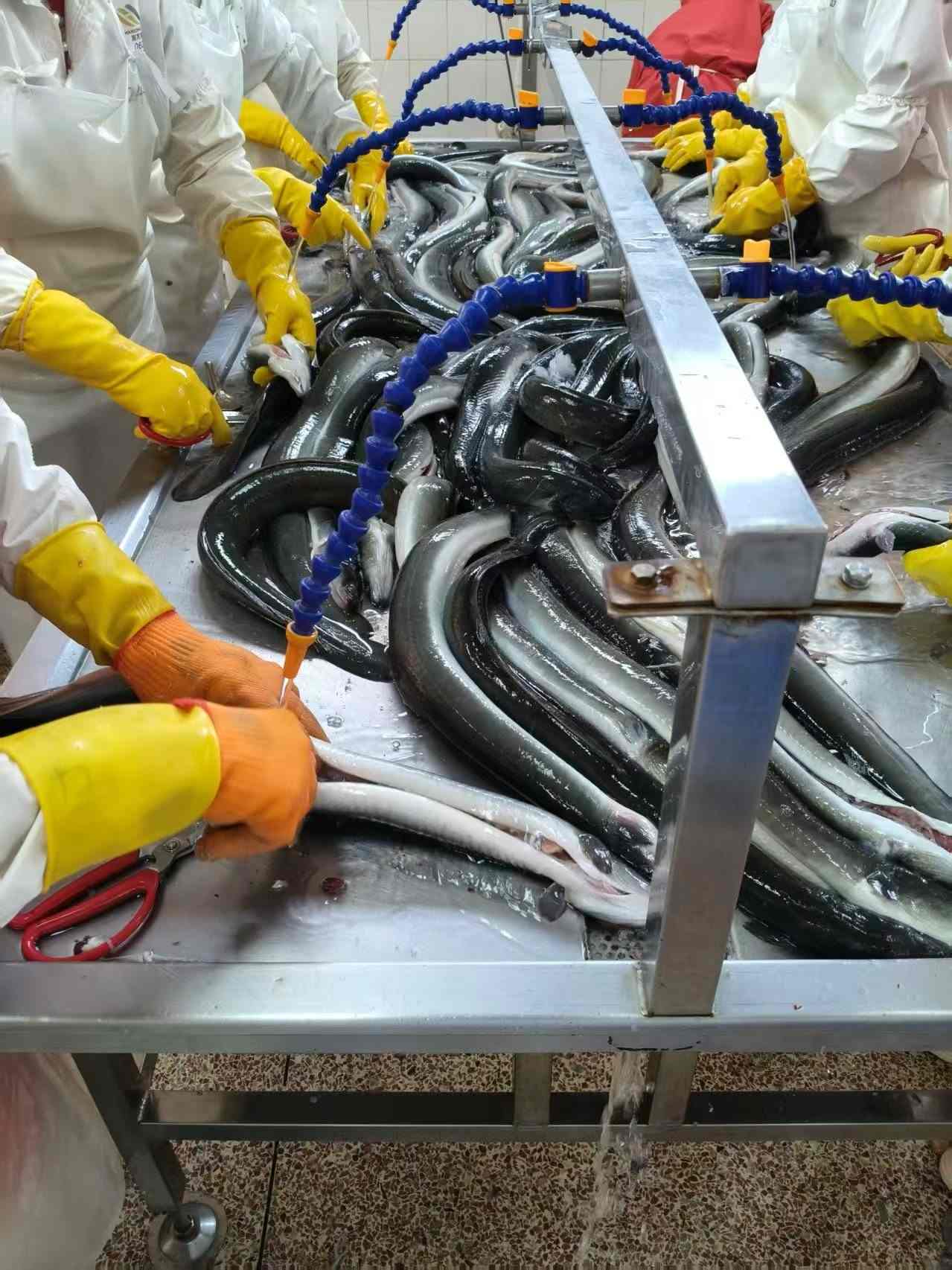
Understanding the Nutrition of Eel Means Separating the Fish From the Sauce
Someone asks "does eel have carbs?" and the honest answer is: it depends what's on the plate. A plain grilled fillet and a bowl of kabayaki donburi are nutritionally two different animals. If you're checking the nutrition of eel before a menu decision or a personal diet plan, the fish itself and the glaze poured over it need to be counted separately.
What the Nutrition of Eel Actually Looks Like Before Any Sauce Touches It
Freshwater eel, on its own, behaves like most fatty fish. It carries a solid amount of protein, a fair amount of fat — eel is naturally fattier than lean whitefish like cod or tilapia — and essentially no carbohydrates. Fish muscle doesn't store starch or sugar the way plants or grains do, so a plain, unseasoned eel fillet is about as close to a zero-carb protein source as you'll find in a seafood case.
That changes fast once processing starts. The moment sugar, soy sauce, mirin, or a marinade enters the picture, the carbohydrate count stops being zero. This is exactly where confusion creeps into product labels and menu descriptions.
Where the Carbs Really Come From: Tare, Marinades, and Serving Style
This is the boundary buyers and health-conscious eaters actually need to understand. Below is a straightforward breakdown, framed as the questions we hear most often from importers and foodservice buyers.
Does the eel fillet itself contain carbs?
No. Plain, unseasoned eel flesh — steamed, grilled without glaze, or "white-roasted" — contributes protein and fat, not carbohydrate. This is true whether the eel is sold whole, filleted, or cut into unagi kabayaki eel portions before saucing.
Does kabayaki (grilled eel with sauce) contain carbs?
Yes, and this is the number that matters for label-checkers. Kabayaki gets its signature dark color and glossy finish from repeated soy-sauce basting — our own process uses four precise soy-sauce coating layers, each temperature-controlled to build color and flavor gradually. Every one of those layers carries sugar and salt, which means carbohydrate content rises with each coat.
Does the eel sauce (tare) itself have carbs?
Yes, and often more than people expect. Tare is essentially a reduced soy-sauce and sugar syrup. Used as a standalone dipping or drizzling sauce, eel sauce is one of the higher-carb components in an eel meal — closer to a condiment than a protein.
Does rice or noodles in the serving style add carbs?
Absolutely, and this is the part most nutrition questions overlook. A donburi bowl's carb load comes overwhelmingly from the rice underneath, not the eel on top. Swap the base for greens or a low-carb noodle and the meal's total carbohydrate count drops sharply while the eel portion stays the same.
| Component | Carbohydrate Contribution | Why |
|---|---|---|
| Plain eel fillet (no sauce) | None / trace | Fish muscle has no starch or sugar storage |
| Kabayaki (4-layer soy sauce coating) | Low to moderate | Sugar and soy sauce in each basting layer |
| Eel sauce / tare (standalone) | High | Reduced sugar-soy syrup, condiment-style |
| Donburi bowl (eel + rice) | High | Rice base, not the eel, drives the total |
If a diet plan or a menu spec sheet needs a low-carb protein, the answer is always plain or white-roasted eel — not the finished kabayaki dish. Buyers sourcing for keto-friendly or diabetic-friendly menu lines should request unglazed or lightly-glazed cuts specifically, and confirm sugar content per batch rather than assuming "eel" automatically means low-carb.
How Eelpro Controls the Line Between Fish and Sauce
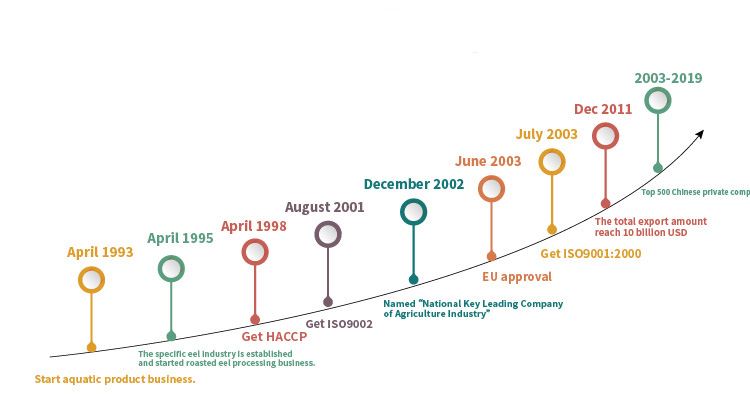
Because carbohydrate content shifts so much between raw fillet and finished kabayaki, consistency in the roasting process matters for anyone specifying nutrition data on a label. Our production runs on two dedicated lines — one for frozen roasted eel, one for deep-processed aquatic products — with a combined annual capacity of 4,000 tons. Each batch follows a standardized "white-roasted color" and "1st-through-4th soy-sauce coating color" reference, so a given SKU's sugar and sodium load stays predictable order after order.
We also hold a patent on low-fat roasting and deodorizing technology, which trims excess oil pickup during grilling without touching the carbohydrate side of the equation — useful for buyers balancing fat content and carb content separately on a nutrition panel. Raw material traceability runs back through our eel farming bases, covering roughly 2,150 mu across about 20 customs-registered farms, so composition data can be verified from pond to shipment.
Quality control on every batch runs through our in-house eel lab, staffed by part of our 25-person quality-control team, with metal detectors at critical control points. This is the same infrastructure that lets us supply kabayaki eel to long-term restaurant chains in Japan, food importers in the US, and distributors across Germany, Poland, and the wider EU, all under export standards for veterinary drug residues and microbiological limits.
Buyer's Decision Checklist for Low-Carb or Balanced Eel Sourcing
- Confirm the cut and glaze level — request white-roasted (unglazed) stock if the end product needs to read as low-carb on a label.
- Ask for sauce specification separately — sugar ratio in the tare should be documented apart from the fish's own nutrition data.
- Check the coating layer count — more soy-sauce passes generally means more sugar pickup per 100g finished weight.
- Match packaging to use case — skin-packaging and gift-box formats hold sauce differently than bulk cut pieces meant for further kitchen prep.
- Request a spec sheet before menu costing — don't estimate carb content from a generic "eel" reference; get the actual batch data.
Common Mistakes When Reading Eel Nutrition Labels
- Treating "eel" and "kabayaki eel" as nutritionally identical — they aren't. One is a fish, the other is a finished sauced dish.
- Blaming the fish for a high-carb meal — usually it's the rice bowl or the sauce portion, not the fillet.
- Assuming all tare is the same — reduction time and sugar ratio vary between suppliers, so carb load per tablespoon isn't universal.
- Skipping the spec sheet — foodservice buyers who order on assumption instead of documentation risk mislabeling a menu item.
- Ignoring portion size — a light glaze on a small fillet carries far fewer carbs than a heavy-basted large cut.
For teams building keto, low-carb, or diabetic-conscious menu lines, this distinction between fish and sauce isn't a technicality — it's the difference between a compliant nutrition claim and a mislabeled one. If your kitchen is testing recipe adjustments, our guide on fixing kabayaki sauce flavor mistakes covers how sugar ratio affects both taste and carb load in a homemade tare. For sourcing frozen product lines built around this same fish-versus-sauce separation, see our frozen seafood catalog or the details on our unagi kabayaki manufacturer page.
Have a spec question about carb content, sugar ratio, or a particular cut for your menu? Send us your product requirements and we'll get back with a detailed spec sheet.