

Understanding Unagi in English for Clearer Seafood Sourcing
For international buyers, importers, and restaurant chains, menu clarity is a sourcing issue. When a specification sheet lists "freshwater eel" but your menu uses the term "unagi," are you ordering the correct product? Understanding the term unagi in English is not just about translation; it's about ensuring product consistency, quality, and compliance. The wrong interpretation can lead to sourcing saltwater conger eel (anago) by mistake or, worse, a product that doesn't meet the flavor and texture profiles your customers expect.
As a food safety and quality specialist who has guided dozens of overseas clients through import compliance, I've seen how precise terminology prevents costly errors. This guide clarifies these terms to help you source with confidence, ensuring the product you buy matches the high standards you deliver.
Decoding the Menu: When Eel, Freshwater Eel, and Unagi Are (and Aren't) the Same
On most Japanese menus in English-speaking countries, the terms "unagi," "freshwater eel," and simply "eel" are used interchangeably to refer to one specific product: grilled, glazed freshwater eel, typically from the species Anguilla japonica. However, for a buyer, this simplification is a risk. Not all "eels" are the same, and the differences in species, habitat, and preparation method are significant.
Here’s how to distinguish the key terms you'll encounter in sourcing and on menus.
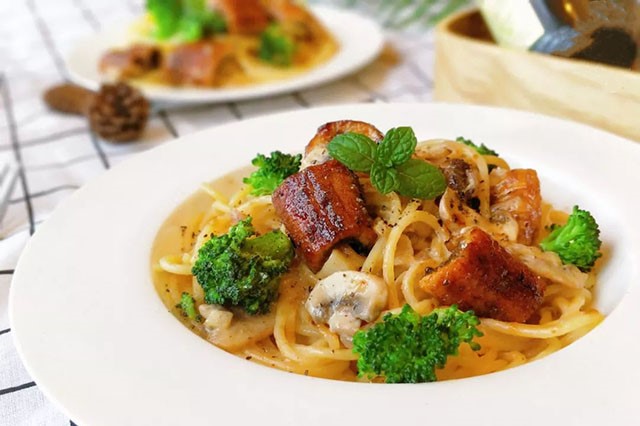
This table breaks down the crucial differences between the two most common types of eel found in Japanese cuisine.
| Attribute | Unagi (うなぎ) | Anago (穴子) |
|---|---|---|
| English Translation | Freshwater Eel | Saltwater Conger Eel |
| Habitat | Rivers and lakes. Farmed in controlled freshwater environments. | Ocean (saltwater). |
| Flavor Profile | Rich, bold, and fatty with a satisfyingly savory taste. The higher fat content holds sauce well. | Subtle, light, and delicate with a softer, fluffier texture. Less oily. |
| Common Preparation | Grilled (kabayaki style) with a sweet and savory soy-based glaze. The richness stands up to the strong sauce. | Often simmered (nitsume) or deep-fried (tempura). Its delicate flavor can be overpowered by a heavy kabayaki glaze. |
| Menu Application | A centerpiece dish like unadon (eel over rice), high-end sushi nigiri, and rolls. Often a premium item. | Commonly used in sushi, tempura dishes, and side dishes where a lighter flavor is desired. |
Why do menus call unagi freshwater eel?
Menus specify "freshwater eel" to distinguish it from "anago" (saltwater conger eel). This distinction is vital for both culinary and cost reasons. Unagi's rich, fatty profile is a result of its freshwater habitat and diet, making it ideal for the classic kabayaki grilling process. This richness commands a higher price and is a sign of a premium product. Foodservice businesses that want to offer authentic, high-quality unagi kabayaki product must ensure their supplier provides true freshwater eel, not a saltwater substitute.
A Buyer's Checklist for Sourcing Export-Grade Unagi
Translating the menu is the first step. The next is verifying that your supplier can deliver a product that is safe, compliant, and consistently high-quality. A reliable partner should provide transparency across the entire supply chain, from the farm to the final package. At Eelpro, we've built our process around the stringent requirements of markets like Japan, the US, and the EU.
Use this checklist during your supplier evaluation process to mitigate risks.
-
Full-Chain Traceability: Can the supplier trace the product back to its source?
What to look for: Ask for documentation on their farming bases. We operate and cooperate with 19 customs-registered eel farming bases covering over 2,150 mu. This allows for full-chain control, from farming registration and targeted sampling to final traceability tracking. This is essential for meeting import regulations and ensuring raw material quality. -
Food Safety Certifications: Does the facility hold internationally recognized certifications?
What to look for: A supplier must provide current certificates. Our facility is ISO 22000:2018 and HACCP certified, and we hold an Export Food Producer Registration Certificate and HALAL certification. These aren't just paperwork; they represent a systematic commitment to preventing food safety hazards. -
Compliance with Target Market Standards: Can they prove their products meet your country's specific regulations for things like veterinary drug residues and microbiological indicators?
What to look for: Request test reports from their in-house or third-party labs. Our professional eel lab of Eelpro Co., LTD and strict quality control, including metal detectors at critical points, ensure our products meet the demanding food inspection standards of Japan, the US, and the EU. This protects you from import rejections. -
Production Capacity and Lead Times: Can the supplier handle your volume, and are their delivery times reliable?
What to look for: Inquire about annual capacity and standard order-to-shipment timelines. With two modern production lines, we have an annual capacity of 4,000 tons of finished goods and a 1,000-ton cold storage facility. Our typical delivery time is approximately 30 days from order confirmation, though this is negotiable based on your specific needs. -
Processing Technology and Standards: What makes their roasted eel unique and consistent?
What to look for: Ask about their roasting and saucing process. We've established precise standards for our "white-roasted color" and "1st-through-4th soy-sauce coating color." Our process involves four precise layers of a high-quality eel sauce product page applied at temperature-controlled steps, ensuring a deep, consistent flavor and perfect glaze every time.
How Processing and Customization Impact Your Final Product
Understanding the unagi in English translation is only part of the equation. The true value for a foodservice business lies in sourcing a product that minimizes back-of-house labor, ensures portion control, and meets specific culinary needs. This is where processing specifications become critical.
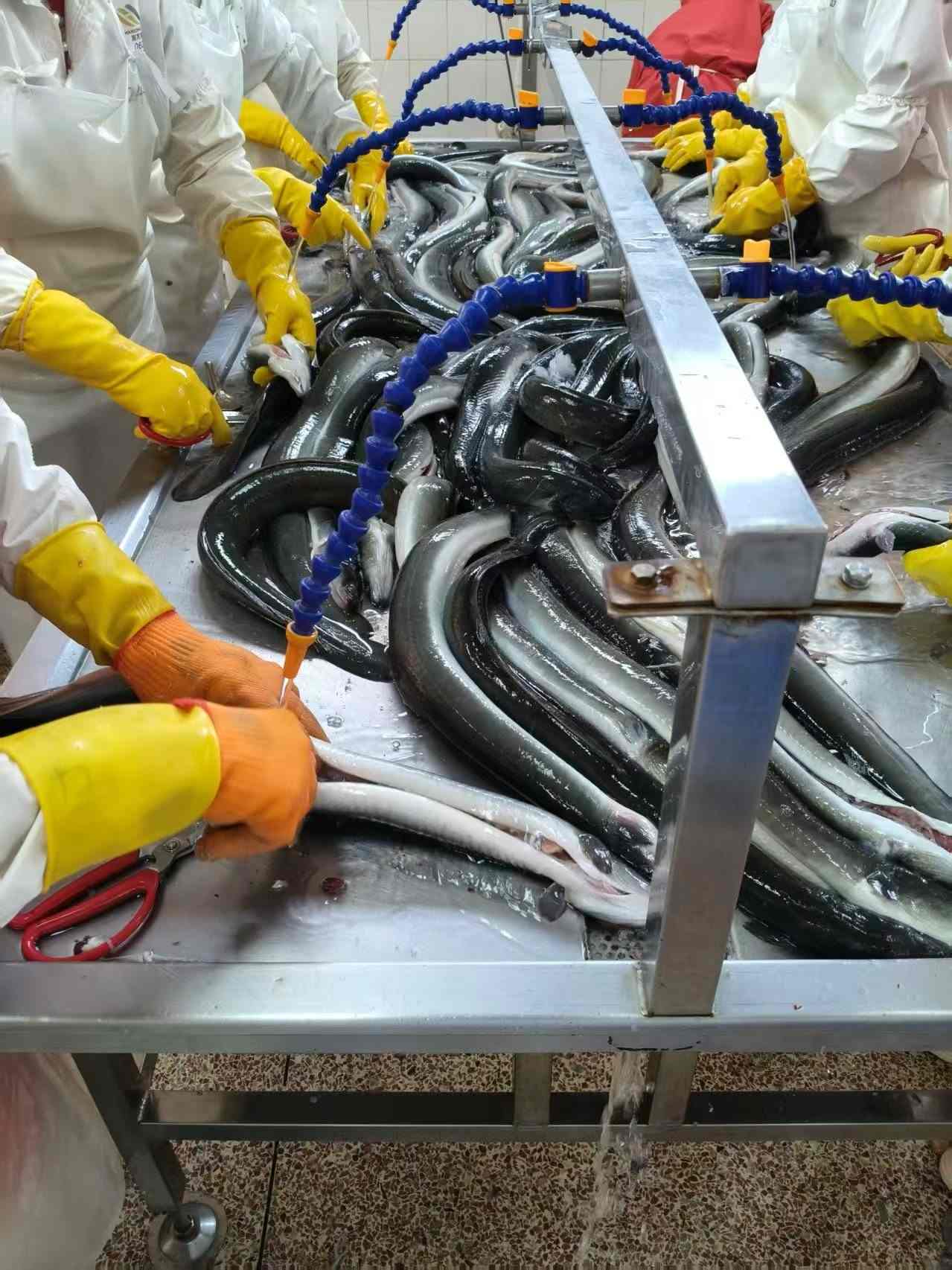
A standardized, ready-to-heat product saves immense time and cost in a professional kitchen. Our entire foodservice supply chain is designed with this in mind. All our eel is boneless and deboned, eliminating a difficult and time-consuming task for chefs. From there, we offer a range of custom cuts tailored to different menu applications.
Common Unagi Cuts for Foodservice and Their Uses:
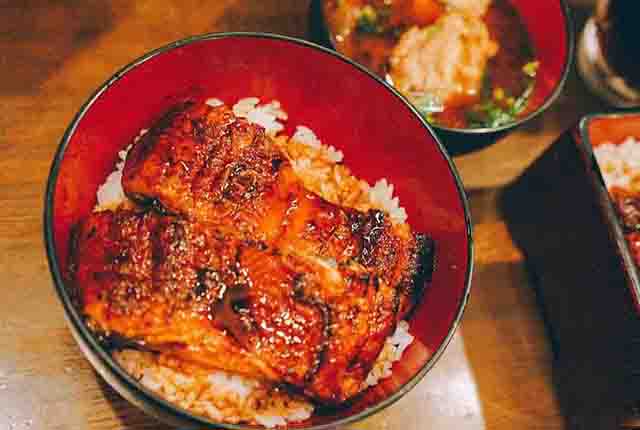
- Whole Fillet (Kabayaki/Shirayaki): The classic presentation, ideal for unagi donburi (eel rice bowls) or as a center-of-the-plate protein. The whole fillet showcases the quality of the eel.
- Cut Pieces (3-Section Cut): Pre-cut fillets into standardized portions. Excellent for bento boxes, combination plates, and ensuring strict portion control across multiple restaurant locations. _
- Sushi Slices (Neta):__ Precisely sliced and sized to sit atop a block of rice for nigiri. This ready-to-use format drastically speeds up sushi preparation. Explore our guide to making an eel sushi roll recipe: make unagi rolls.
- Shreds/Strips: Thinly shredded eel perfect for use as a topping for salads, noodle dishes, or mixed into fried rice (unagi chahan).
- Dices/Chunks: Small, cubed pieces ideal for use in appetizers, skewers (kushiyaki), or as an ingredient in complex dishes where eel is mixed with other components.
Furthermore, our patented technologies for low-fat roasted eel processing and deodorizing equipment address common concerns about texture and taste, delivering a cleaner, more refined product. By discussing your menu needs with us, we can match the right cut and packaging format (like skin-packaging for extended shelf life and presentation) to your operational requirements. This level of customization is a key advantage of working directly with a specialized unagi kabayaki manufacturer , frozen eel supplier.
Ultimately, knowing what unagi means in English is the starting point. Sourcing it effectively requires a partner who understands the nuances of species, food safety, and processing. By asking the right questions and verifying supplier capabilities, you can ensure the product you serve is not only delicious but also safe, compliant, and profitable.
For detailed specifications on our frozen unagi kabayaki, custom cutting options, or to discuss your import requirements, please contact our team for an RFQ.