

What Is Anago and Why Its Tender Texture Differs From Grilled Unagi
Ask any sushi counter regular why anago nigiri feels so different from a grilled unagi roll, and you'll usually get a shrug. What is anago, really — and why does it fall apart so softly compared to unagi's caramelized bite? The short answer: anago is saltwater conger eel, almost always steamed or simmered rather than grilled over charcoal. That one cooking choice changes everything — texture, fat content, how the fish sits on rice. For sushi operators sourcing eel dishes, this distinction matters more than it looks on a menu.
What Is Anago, Exactly?
Anago is the Japanese name for conger eel, a saltwater species found along coastal Japan and parts of the Pacific. Unagi, by contrast, is freshwater eel — typically Japanese eel, farm-raised and prized for a higher fat content. That fat difference is the whole story: unagi's richer flesh holds up to direct grilling and repeated basting, while anago's leaner, more delicate muscle structure would dry out and toughen under the same heat.
Because anago carries less fat, chefs gravitate toward gentler, moisture-retaining methods — steaming and simmering — instead of fire. The result is a paler, flakier piece of fish, usually finished with a light brush of sauce rather than the deep amber lacquer you'd see on frozen unagi kabayaki.
| Feature | Anago (Conger Eel) | Unagi (Freshwater Eel) |
|---|---|---|
| Habitat | Saltwater, coastal | Freshwater, farm-raised |
| Cooking method | Steamed or simmered | Grilled/roasted with soy glaze |
| Fat content | Lower | Higher |
| Texture | Soft, flaky, delicate | Rich, tender, slightly firm skin |
| Typical color | Pale ivory to light brown | Deep amber-brown |
| Common serving | Light nigiri, mild tare or salt | Donburi, glazed rolls, skewers |
How Steaming and Simmering Build Anago's Soft, Flaky Texture
This is the part most menu descriptions skip, and it's the part that actually explains why anago eats so differently. Unagi gets its richer grilled finish from repeated soy-sauce coating over direct heat — Eelpro's own process uses four precise layers of soy sauce with temperature-controlled steps to build that caramelized surface. Anago skips all of that. Instead, the fish is cooked gently in liquid or vapor, which keeps the muscle fibers loose rather than tightening them against a grill.
Step-by-step: how anago is typically prepared
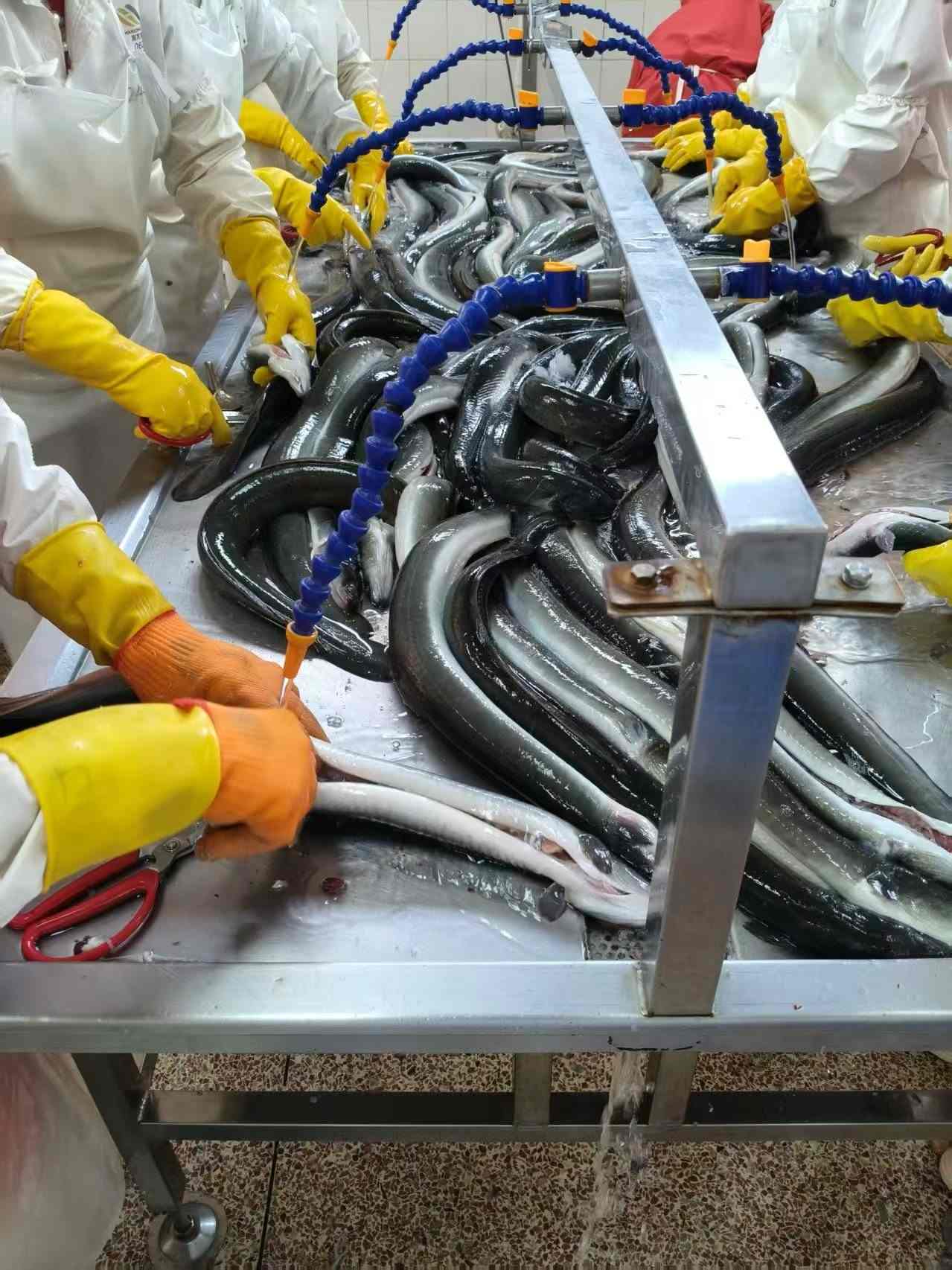
- Clean and butterfly the eel. Bones and the central spine are removed before cooking — see our cleaning, skinning and deboning guide for the general technique shared across eel species. Skipping this step is the single most common cause of gritty, uneven bites.
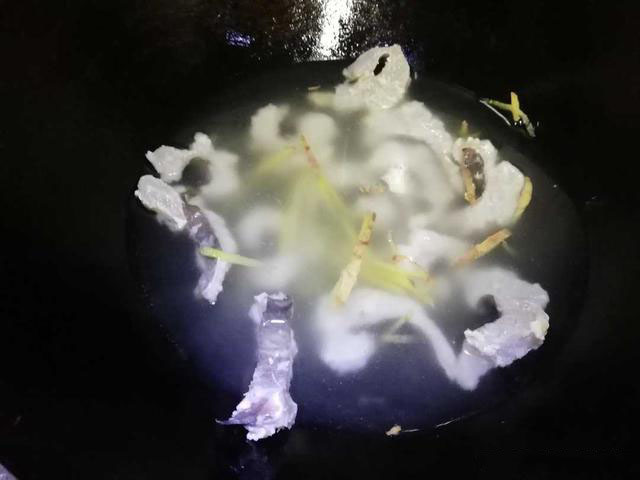
- Simmer in a mild dashi-soy broth. Anago is usually simmered gently, not boiled hard — a rolling simmer breaks down the loose collagen too fast and turns the flesh mushy.
- Check for the flake point. The eel is done once it separates cleanly with light pressure from a chopstick, with no translucent center remaining.
- Steam to finish, if needed. Some kitchens steam first, then simmer briefly to set a light glaze — this keeps moisture locked in without any char.
- Rest, then glaze lightly. A thin brush of sauce goes on at the end, unlike the four-layer build used for grilled kabayaki — our breakdown of why layered soy sauce matters for kabayaki explains that contrast in more depth.
Common failure points at each step
- Leaving bones in — creates sharp fragments and inconsistent texture, a real food-safety concern for foodservice.
- Simmering too hard or too long — breaks the flesh down past the flaky stage into mush.
- Applying grill-style heat — anago has too little fat to survive direct high heat the way unagi does; it dries out fast.
- Over-glazing — a heavy, repeated sauce coat masks anago's naturally mild flavor instead of complementing it.
Common Mistakes When Cooking or Sourcing Anago
- Treating anago like unagi on the grill. Without enough internal fat, it turns rubbery within minutes of direct heat.
- Mislabeling anago as unagi on menus. In markets with strict seafood labeling enforcement — the US and EU among them — this is both a customer-trust issue and a compliance risk.
- Using a heavy kabayaki-style sauce on anago. It overwhelms the eel's naturally subtle flavor instead of letting it come through.
- Buying unsorted, bone-in product for high-volume prep. It slows down kitchen labor and raises choking-hazard risk at scale.
- Assuming any frozen eel works for either dish. Portioning, cut style, and fat content differ enough that swapping species mid-menu rarely works cleanly.
Choosing Between Anago and Unagi for Your Menu: A Decision Checklist
Operators researching eel dishes usually land on one practical question: which species fits the menu slot they're trying to fill? Here's a working checklist.
- Want a light, delicate nigiri or appetizer? Anago's flaky texture and mild flavor fit better than a rich glazed cut.
- Want a rich, glazed donburi, roll, or skewer? Unagi kabayaki's caramelized layers hold up to bold flavor pairings — see donburi topping ideas for examples.
- Kitchen has a grill/broiler line already set up for roasting? That infrastructure favors unagi kabayaki over anago's steam-and-simmer workflow.
- Need standardized, frozen, ready-to-heat portions for back-of-house efficiency? This favors sourcing a frozen eel supplier offering pre-cut unagi kabayaki rather than prepping anago in-house.
- Exporting or importing across Japan, US, or EU markets? Confirm veterinary drug residue and microbiological testing match the destination market's requirements before committing to a supplier.
Where this checklist does not apply: if your kitchen already runs both preparations well and simply wants menu variety, the choice becomes about flavor balance rather than equipment or sourcing logistics.
Sourcing Consistent Eel Quality for Foodservice
Most of what we've covered about anago applies to how it's cooked, not where Eelpro fits — we specialize in freshwater eel, specifically frozen unagi kabayaki, eel sauce, and related frozen seafood. But the anago-versus-unagi distinction still matters when you're vetting a supplier, because it tells you what to ask for.
If your menu calls for the richer grilled profile, you want a supplier that controls the roasting process end to end. Eelpro runs two production lines — frozen roasted eel and deep-processed aquatic products — with a combined annual capacity of 4,000 tons, backed by ISO 22000:2018 and HACCP certification, HALAL certification, and an SC food production license covering quick-frozen prepared and seasoned aquatic products. Raw material traceability runs through roughly 20 customs-registered eel farming bases covering 2,150 mu, with sampling and process verification tracked from farm to shipment. Quality checks happen in an in-house laboratory with metal detectors placed at critical control points, and finished product moves through a 1,000-ton cold storage facility to keep the cold chain stable before export.
For operators standardizing a kabayaki program, that level of control — plus patented low-fat roasting and deodorizing technology and the four-layer soy-sauce coating standard — is what produces consistent color, flavor, and portion size batch after batch. It won't replace an anago program built around steaming and simmering, but it does remove a lot of the guesswork from sourcing the grilled side of your eel menu. You can browse the full unagi kabayaki eel range or check our eel sauce options for finishing glazes alongside it.
Understanding what is anago — and why steaming builds its flaky texture while grilling builds unagi's richer finish — gives sushi operators a clearer basis for menu decisions and supplier conversations alike.
If you're comparing eel preparations for an upcoming menu update or export order, request a spec sheet or sample batch of frozen unagi kabayaki and eel sauce to see how the roasting and glazing process holds up against your current supplier.