

What Is Eel Sauce and Why Is It Named That Way?
If you've ever ordered unagi at a Japanese restaurant, you've tasted the thick, sweet, and savory glaze that makes it so irresistible. This is commonly known as eel sauce. A frequent question we get from new importers and foodservice clients is, "What is eel sauce made of?" Many assume, based on the name, that it must contain eel as an ingredient. The answer, however, is no—traditional eel sauce contains no eel at all.
The name is purely functional. It's the sauce *for* eel, not the sauce *from* eel. As a Senior Food Safety & Quality Specialist at Eelpro, I've guided dozens of overseas clients through import compliance for our unagi kabayaki product, and clarifying the nature of its signature sauce is often one of the first steps. Understanding this distinction is key to sourcing authentic, high-quality products for your market, whether you're supplying restaurant chains in Japan or food importers in the United States.

Unpacking the Name: Unagi no Tare Explained
The confusion surrounding eel sauce stems from a direct English translation that loses the original Japanese context. The sauce's proper name is unagi no tare (鰻のタレ), which provides a much clearer picture of its purpose. Let’s break down the name, function, and ingredients to resolve this common misconception permanently.
Here is a direct comparison to clarify why its name doesn't reflect its contents:
| Aspect | Explanation |
|---|---|
| Japanese Name | Unagi no Tare (鰻のタレ) |
| Literal Translation | "Tare" (タレ) means sauce or glaze. "No" (の) is a possessive particle, like "of" or "'s". "Unagi" (鰻) means freshwater eel. The literal translation is "Sauce of the Eel" or "Eel's Sauce." |
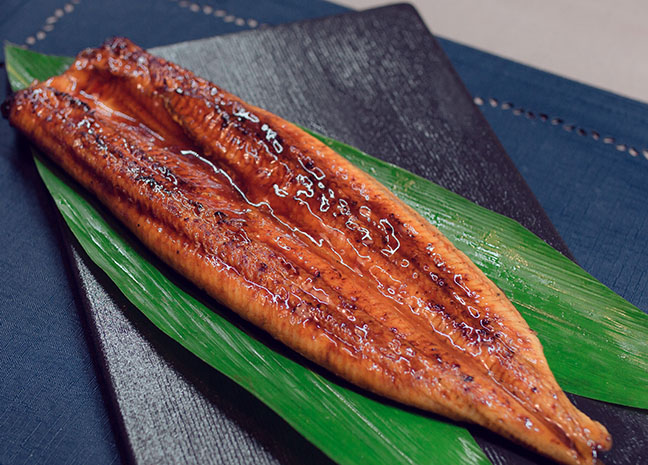
| Culinary Role | This sauce is specifically designed to be brushed onto freshwater eel during the grilling process, known as kabayaki. It is the signature glazing and finishing sauce used to prepare unagi kabayaki eel. It is not an ingredient-based name but a purpose-based one. |
| Core Ingredients | The foundational recipe contains just four main ingredients: soy sauce, mirin (sweet Japanese rice wine), sugar, and sometimes sake. There is no eel in the recipe. |
In short, the sauce gets its name because its identity is inseparable from the dish it was created for. At Eelpro, our roasting process involves four precise layers of this sauce, each applied at a specific temperature to build a perfect glaze. This method adheres to the traditional culinary principle where the sauce and the protein are partners.
Core Ingredients and Commercial Quality Markers
While the base recipe for unagi no tare is simple, the quality and consistency of a commercial supply depend heavily on the grade of its ingredients and the precision of the manufacturing process. For B2B buyers, understanding these components is vital for evaluating a supplier.
The flavor profile is a delicate balance of sweet and savory (umami):
- Soy Sauce: The backbone of the sauce, providing the deep, savory, and salty umami flavor. The quality of the soy sauce (e.g., naturally brewed vs. chemically hydrolyzed) directly impacts the final taste.
- Mirin: A type of rice wine with lower alcohol and higher sugar content than sake. It imparts a mild sweetness, a glossy sheen, and helps the sauce adhere to the eel.
- Sugar: Provides sweetness and, crucially, aids in caramelization during grilling. The balance of sugar and mirin determines the sauce's final viscosity and browning capability.
- Sake: Often added to lend complexity and depth, helping to round out the flavors.
At Eelpro, we produce our eel sauce product page in-house to ensure it perfectly complements our frozen roasted eel. Our production is governed by our ISO 22000:2018 and HACCP systems, which means every batch is monitored for consistency in taste, color, and viscosity. This level of control is essential for our clients, including Japanese restaurant chains and German food distributors, who require absolute product uniformity.
Sourcing Checklist for B2B Eel Sauce Buyers
When sourcing eel sauce for import or foodservice, moving beyond taste alone is necessary to ensure safety, consistency, and supply chain stability. As someone who oversees our quality systems, I recommend buyers use a checklist to vet potential suppliers. This protects your business from trade risks and ensures you receive a product that meets your customers' expectations.
Buyer's Decision Checklist for Eel Sauce
- Certifications and Compliance: Does the supplier hold internationally recognized certifications? Look for ISO 22000:2018 (Food Safety Management), HACCP, and HALAL. Ask for their Export Food Producer Registration Certificate number. This is non-negotiable for exporting to the US, EU, and other regulated markets.
- Traceability: Can the supplier trace all ingredients back to their source? Full-chain traceability is a hallmark of a reliable producer. At Eelpro, our vertical integration with ~20 customs-registered eel farming bases gives us complete control from farm to final shipment.
- Technical Specifications: Request a product specification sheet. Key metrics to check are Brix (sugar content), pH level, and viscosity. Consistent specs ensure the sauce behaves predictably in your kitchen or production line.
- Production Capacity and Lead Time: What is the supplier's annual production capacity? Our facility has an annual capacity of 4,000 tons, ensuring we can handle large, recurring orders. Confirm the standard lead time; ours is approximately 30 days from order confirmation to shipment.
- Packaging Options: Does the supplier offer packaging suitable for your needs? This could range from bulk containers for industrial use to smaller bottles for foodservice or retail. We offer flexible packaging formats.
- Allergen Management: Confirm the supplier has a robust allergen management program. The primary allergens in eel sauce are soy and wheat (from soy sauce). Ensure their processes prevent cross-contamination with other products. Our in-house laboratory and strict quality control protocols manage this effectively.
Versatile Applications in Modern Kitchens
While created for unagi, the sweet and savory profile of eel sauce makes it a highly versatile ingredient in professional kitchens. Its ability to create a beautiful, caramelized glaze is not limited to eel. Foodservice clients in Australia and Southeast Asia use it in a variety of creative ways to reduce back-of-house prep time with a consistent, high-quality flavor base.
Here are some common applications beyond traditional kabayaki:
- Glaze for Other Proteins: Excellent on grilled chicken (yakitori), salmon, pork belly, and even burgers.
- Drizzle for Sushi Rolls: Used to finish popular rolls like the Dragon Roll or Caterpillar Roll, adding flavor and visual appeal. An eel sushi roll recipe often depends on it.
- Base for Noodle and Rice Bowls: A simple way to season rice bowls (donburi) or stir-fried noodles.
- Finishing Sauce for Grilled Vegetables: Adds a delicious char and sweetness to asparagus, eggplant, and mushrooms.
By sourcing a high-quality, commercially stable eel sauce, you provide your clients with a multi-purpose ingredient that can enhance a wide range of menu items, ultimately increasing its value in their supply chain.
Understanding what eel sauce is—a purpose-driven glaze, not an eel-based product—is the first step for any serious buyer. The next is ensuring your supplier has the certifications, capacity, and quality control systems to deliver a safe and consistent product. With over 160 employees, including 25 dedicated quality-control specialists, and a 1,000-ton cold storage facility, we are equipped to meet the stringent demands of the global market.
If you are looking to source premium unagi kabayaki and authentic eel sauce that meets Japan, US, and EU food inspection standards, we can help. Contact our export team to request a product specification sheet or discuss your specific needs.