

What Is Unagi and How It Is Prepared for Sushi
A glossy slice of eel on warm rice can look simple, but the taste depends on many decisions made long before it reaches a sushi counter. What is unagi, exactly? Is it a fish species, a sauce, or the dark glazed topping served on sushi?
The short answer is that unagi means freshwater eel. Yet what diners often call “unagi sushi” is usually grilled and glazed unagi kabayaki, prepared eel rather than raw freshwater eel. Knowing the difference helps home cooks choose the right product and helps foodservice buyers order the right cut, glaze level, and packaging format.
What is unagi when it appears on a sushi menu?
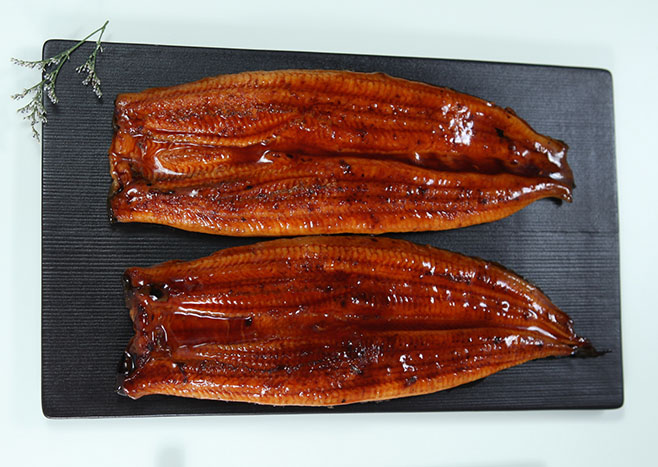
What is unagi on a Japanese menu? It is freshwater eel, commonly served after it has been grilled and coated with a sweet-savory sauce. It is not usually a raw fish topping in the way that tuna or salmon may be served.
For diners, this distinction changes expectations. Freshwater eel has a rich, tender texture after roasting. Kabayaki adds browned surface flavor and a lacquered sauce finish. The final sushi item may be served as nigiri, in a roll, over rice, or in a rice bowl.
| Term | What it means | What buyers or diners receive | What can go wrong if confused |
|---|---|---|---|
| Freshwater eel | The aquatic animal and raw material | Eel before cooked kabayaki preparation | A buyer may request a raw-material format when the kitchen actually needs ready-to-heat eel. |
| Unagi | The Japanese food term generally used for freshwater eel | May refer broadly to eel or to an eel dish on a menu | Menu planning can become unclear if “unagi” is used without a cut, cooking, or sauce specification. |
| Kabayaki | A grilled, sauce-coated preparation | Roasted eel with a glazed exterior | Ordering plain eel instead of kabayaki may leave a sushi bar without the expected finished flavor. |
| Unagi tare | Eel sauce used with kabayaki-style dishes | A sweet-savory finishing sauce or serving condiment | Using an unrelated sauce can change color, sweetness, and the familiar sushi-shop profile. |
The practical conclusion is simple: when asking what is unagi, separate the animal from the finished dish. Choose freshwater eel when you need an ingredient for further preparation. Choose kabayaki when your operation needs a prepared topping with a recognizable grilled and glazed profile. That recommendation fits sushi counters, Japanese restaurants, Asian retail, and home cooks seeking convenience. It does not apply if a chef specifically needs whole eel or another preparation method.
For sauce-focused menu planning, see our eel sauce product page for a clearer look at the condiment that supports kabayaki service.
From freshwater eel to kabayaki for sushi service
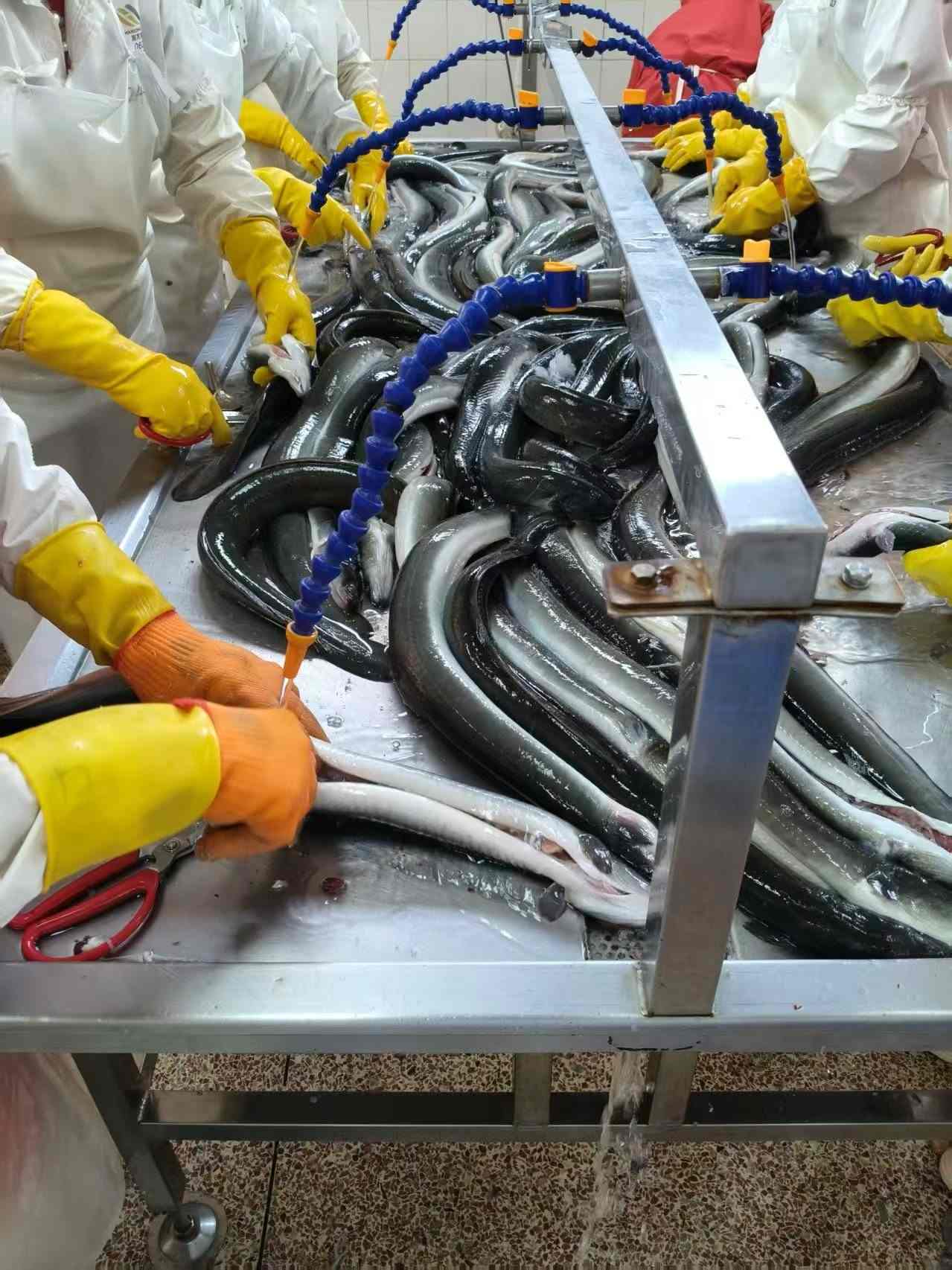
What is unagi before it becomes a sushi topping? It is freshwater eel raised as a food raw material, then processed under controlled conditions into a cooked product such as kabayaki. The farm-to-kabayaki pathway matters because each stage affects flavor consistency, food safety controls, appearance, and preparation work at the restaurant.
At Eelpro, supply control begins with approximately 20 customs-registered eel farming bases covering more than 2,150 mu. These bases are part of a traceability system that follows material from farm registration through processing verification, targeted sampling, and shipment tracking.
| Farm-to-kabayaki stage | What it affects in practice | Best fit | Limit or buyer check |
|---|---|---|---|
| Registered farming source | Traceability and raw-material supply control | Importers that need documented sourcing information | Traceability does not replace a buyer’s own import documentation review. |
| Receiving and inspection | Material verification before production | Buyers focused on stable product specifications | Confirm the required product form, cut, and packaging before production. |
| Roasting process | Texture, surface color, aroma, and cooked appearance | Sushi and rice-bowl applications needing prepared eel | Roasting preference varies by market and menu style. |
| Four-layer sauce coating | Glaze coverage and the recognizable kabayaki finish | Restaurants seeking a classic sauced eel presentation | It may not fit menus that prefer plain white-roasted eel. |
| Freezing and cold storage | Storage stability and distribution planning | Importers, distributors, and multi-location foodservice groups | Maintain the buyer’s own cold-chain procedures after receipt. |
The roasting stage is where freshwater eel becomes the product most diners recognize. Eelpro uses a four-layer soy-sauce coating process with temperature-controlled roasting steps. The company has established color standards for white-roasted eel and for the first through fourth sauce coatings. This is useful when a buyer wants visual consistency between shipments, especially for sushi displays where uneven glaze can look dry, pale, or overly dark.
What is unagi kabayaki from a kitchen viewpoint? It is an ingredient designed to reduce back-of-house work. Boneless or deboned options, standardized cutting, and ready-to-heat packaging can reduce trimming and sauce application at the point of service. That suits sushi bars, restaurant chains, and prepared-food counters. It may not suit chefs whose menu concept depends on grilling and seasoning every eel portion from scratch.
A helpful food fact: unagi and kabayaki are not interchangeable words. Unagi identifies the freshwater eel ingredient, while kabayaki identifies the grilled and glazed style. This small distinction prevents many ordering mistakes.
How prepared eel becomes a sushi topping
What is unagi sushi preparation in practical terms? It is usually a controlled reheating and assembly task, not a raw-fish slicing task. Prepared frozen kabayaki is placed over seasoned rice, used inside a roll, or portioned for a bowl after the product is heated according to its packaging instructions.
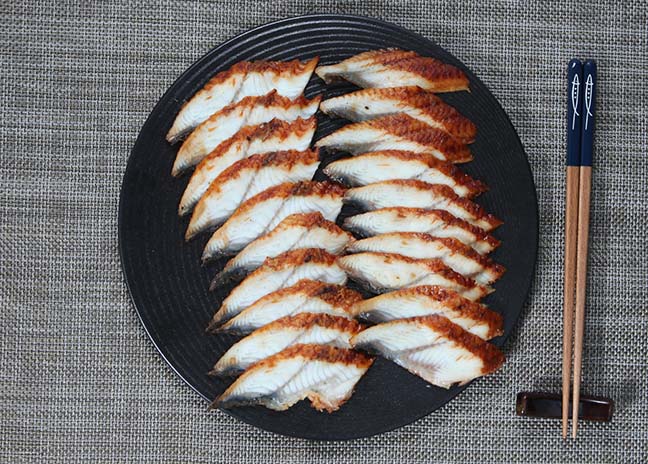
The best preparation approach depends on your product format. A full fillet supports classic nigiri or rice bowls. Sushi slices suit consistent topping portions. Shredded or diced eel works well for rolls, fillings, and mixed rice dishes. Eelpro can provide shredding, dicing, strip-cutting, chunk-cutting, three-section cuts, and sushi slices.
- Confirm the format first. Select fillets for plated eel, sushi slices for nigiri, and smaller cuts for rolls or bowls. The reason is portion control. A mismatch creates unnecessary labor or inconsistent presentation.
- Keep the product frozen until planned use. Follow the handling instructions on the agreed product specification and packaging. This fits all frozen prepared eel formats; kitchens with their own approved thawing procedures should follow those procedures.
- Heat according to the product instructions. Do not invent a cooking time or temperature based on another supplier’s item. Different formats, package types, and portion sizes can require different handling.
- Check the glaze after heating. The surface should look evenly coated, not scorched or dried out. If the desired menu style calls for extra sauce, use it as a finishing step rather than hiding poor reheating results.
- Assemble close to service. Place prepared eel over rice or add it to the roll after heating so the surface remains appealing for the guest.
This procedure fits ready-to-heat kabayaki. It does not apply to raw eel or to a chef’s custom live-grilling method. For more dish ideas beyond sushi, explore these eel flavor pairings.
How to choose unagi for sushi, bowls, and retail packs
What is unagi worth choosing for a sushi program? The right answer is not simply “the biggest fillet.” Buyers should match the product to the serving style, labor plan, customer expectations, and storage arrangement.
- Choose sushi slices when speed and uniform topping appearance matter most. This suits high-turnover sushi counters. It is less suitable for menus built around large eel-over-rice presentations.
- Choose full kabayaki fillets when the menu needs flexible portioning. A chef can use a fillet for nigiri, rolls, or bowls. The trade-off is more cutting work in the kitchen.
- Choose diced, strips, or chunks when eel is used in fillings, meal kits, mixed rice, or prepared bowls. This format reduces cutting labor but does not create the visual effect of a full fillet.
- Choose white-roasted eel when a chef wants to control the final sauce application. This is appropriate for custom flavor development. It is not the fastest choice for kitchens seeking a finished kabayaki presentation.
- Choose ready-to-heat kabayaki when consistent serving is the priority. It works especially well for restaurant groups and retail programs that want less back-of-house preparation.
What is unagi procurement without a specification check? It is a risk. Before requesting a quotation, state the required cut, whether bones must be removed, desired package format, intended market, and expected order quantity. Eelpro applies different minimum-order policies for domestic catering chains, wholesale clients, and export traders, so the minimum quantity is negotiated according to the product and package format.
Buyers should also account for logistics. Eelpro operates a 1,000-ton cold storage facility and has two modern production lines with an annual finished-product capacity of 4,000 tons. Regular orders are generally delivered in approximately 30 days from order confirmation to shipment, subject to product specification and order quantity. This supports planned purchasing, but it is not a fixed promise for every item or every destination.
Common unagi buying mistakes that affect sushi quality
What is unagi quality most likely to be judged by at the table? Diners notice texture, glaze, portion size, and aroma first. Buyers must also look behind the serving plate at traceability, process controls, and compliance documentation.
- Mistake: Ordering “eel” without naming the preparation. Ask for kabayaki, white-roasted eel, or another agreed format. Otherwise, the received product may not match the menu.
- Mistake: Treating eel sauce as an afterthought. Sauce affects appearance and the sweet-savory balance. Review the intended flavor profile and consider a separate sauce option where the menu needs finishing control. Our kabayaki sauce article explains why this choice changes the finished dish.
- Mistake: Ignoring cut requirements. Full fillets, sushi slices, and diced pieces create different labor needs. Confirm the cut before production rather than asking a kitchen team to adapt every portion.
- Mistake: Assuming all export paperwork is the same. Japan, the United States, the European Union, and other markets can have different import requirements. Confirm destination-specific documents before placing an order.
- Mistake: Selecting a supplier without food-safety visibility. Eelpro is certified to ISO 22000:2018, HACCP, and HALAL requirements, with export food producer registration and an SC food production license. Its in-house laboratory and metal detectors support production controls. Learn more about our eel quality laboratory.
What is unagi supply planning for an importer? It is matching a prepared-food item to the requirements of a specific market. Eelpro supplies kabayaki eel to Japanese restaurant chains and exports unagi kabayaki and eel sauce to United States food importers. The company also supplies eel products to importers and foodservice channels in Germany, Poland, Australia, Indonesia, the European Union, and Southeast Asia. These examples show relevant market activity, not a guarantee that every product format is approved for every destination.
Questions to ask before ordering prepared unagi
What is unagi documentation likely to include? Ask the supplier which product specification, packaging information, traceability records, and market-related documents can be provided for your order. The exact document set depends on the destination and product format.
| Question for the supplier | Why it matters | When to ask |
|---|---|---|
| Is this white-roasted eel or finished kabayaki? | It determines sauce coverage and kitchen preparation work. | Before requesting a quote. |
| Which cut is available? | It affects plating, yield management, and labor. | Before sample approval. |
| Can the product be supplied boneless or deboned? | It affects customer eating experience and kitchen handling. | During specification review. |
| Which package format fits the order? | It affects retail presentation, storage, and foodservice use. | Before confirming production. |
| What is the planned shipment timing? | It supports inventory and cold-chain planning. | At order confirmation. |
What is unagi for a sushi buyer after all these checks? It is a prepared freshwater eel program that should be specified as carefully as rice, seafood toppings, or sauces. The best choice is the one that fits the menu format and operational capacity, not simply the one with the broadest description.
Request a product specification or sample discussion for your intended unagi format.