





What Is in Eel Sauce Made Of When Each Ingredient Has a Job
A glossy eel rice bowl can look simple, but one wrong sauce choice can make the eel taste flat, overly salty, or sticky like candy. If you are asking what is in eel sauce made of, the real answer is not just a list of ingredients. It is a question of balance.
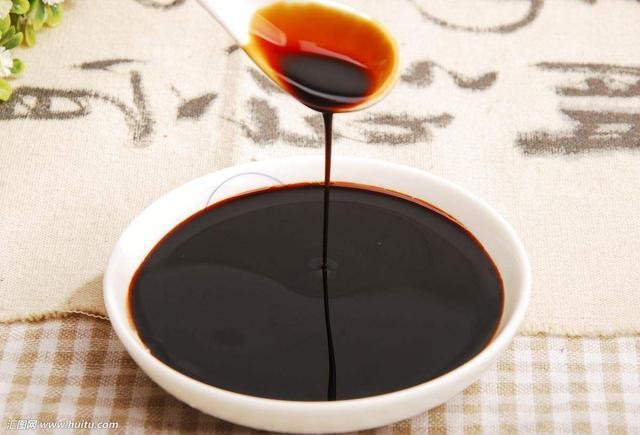
Eel sauce, often called unagi tare or kabayaki sauce, is usually built around soy sauce, sweetness, alcohol-based seasoning such as mirin or sake, and sometimes eel cooking juices or umami-rich ingredients. The sauce is then reduced until it clings to grilled eel. That last step changes almost everything.

Start with the base formula rather than the bottle name
The shortest answer to what is in eel sauce made of is that it is generally a sweet-savory Japanese-style glaze. However, not every bottle follows the same formula. Traditional restaurant tare may be repeatedly used with grilled eel and enriched by cooking juices. A simplified home formula may contain only soy sauce, sugar, mirin, and sake.
For a shopper, the practical conclusion is simple: read the ingredient list before assuming that every “eel sauce” tastes the same. This matters when you are pairing it with fatty grilled eel, light sushi rice, smoked seafood, or vegetables. A darker and sweeter sauce may suit char-grilled eel, while a lighter sauce can be better for sushi rolls where rice already adds body and sweetness.
| Common ingredient | Main job in the sauce | Best use case | What can go wrong |
|---|---|---|---|
| Soy sauce | Provides salt, color, fermented aroma, and savory depth | Grilled eel, rice bowls, marinades | Too much makes the glaze harsh and can hide eel flavor |
| Sugar | Adds sweetness and supports a glossy finish during reduction | Kabayaki-style eel and caramelized grilled dishes | Too much creates a heavy, candy-like taste |
| Mirin | Adds rounded sweetness, aroma, and alcohol-soluble flavor | Japanese-style glazes and sauces for grilled seafood | Replacing it carelessly can make the sauce taste sharp |
| Sake | Brings light aroma and helps soften salty edges | Traditional-style tare and seafood sauces | Too much can leave an obvious alcoholic note before reduction |
| Eel cooking juices or umami ingredients | Add depth, richness, and a more traditional tare character | Restaurant-style kabayaki applications | Not suitable for buyers seeking a simpler vegetarian-style sauce |
| Water or stock | Controls starting intensity and reduction speed | Custom kitchen production | Too much dilution can leave the final glaze thin |
When comparing labels, what is in eel sauce made of should not be treated as a trick question. The ingredient order, sweetness level, and presence or absence of alcohol-based seasonings can tell you whether the sauce was designed for grilling, dipping, brushing, or general table use.
How salinity sweetness alcohol umami and viscosity change the finished glaze
To understand what is in eel sauce made of, look at each ingredient as a functional tool. A sauce may contain similar items on paper but perform very differently in a hot pan or on a grilled eel fillet.
| Functional parameter | Ingredient source | What it affects in practice | What happens when it is wrong | How reduction changes it |
|---|---|---|---|---|
| Salinity | Primarily soy sauce | Defines the savory backbone and makes sweetness feel less flat | High salinity overwhelms delicate eel and makes rice taste bland by comparison | Salt does not cook away, so the sauce becomes saltier as water evaporates |
| Sweetness | Sugar and mirin | Balances salt, supports browning, and gives the glaze its familiar sweet finish | Excess sweetness masks smoke, char, and the natural richness of eel | Sweetness concentrates quickly, making a reduced sauce taste stronger than the starting liquid |
| Alcohol | Mirin and sake | Contributes aroma and rounds the edges of soy sauce | Too little may taste one-dimensional; too much may remain noticeable if not cooked sufficiently | Reduction drives off part of the alcohol while concentrating the remaining flavor compounds |
| Umami | Fermented soy sauce, eel juices, or other savory ingredients | Creates length of flavor after the first sweet-salty taste | Weak umami makes the sauce taste sugary rather than suited to seafood | Reduction concentrates savory compounds, but an over-reduced sauce can become too intense |
| Viscosity | Sugar concentration, dissolved solids, and water loss | Determines whether the sauce coats eel, pools on rice, or runs off | A thin sauce slides away; an overly thick sauce sits on top like syrup | Water evaporation makes the glaze thicker, darker, shinier, and more concentrated |
The key lesson is that reduction is not merely “making the sauce thicker.” It concentrates salt, sweetness, color, aroma, and umami at the same time. This is why a sauce that tastes pleasant from a spoon can become too strong after simmering.
If your goal is a brush-on glaze for grilled unagi, choose a formula that reaches a light coating texture after reduction. If your goal is a dipping sauce for sushi or tempura, a less reduced, more fluid version may work better. The same starting sauce does not fit every application.
For anyone researching what is in eel sauce made of, this is the most useful distinction: ingredients establish the flavor direction, while reduction decides the final intensity and texture.
Traditional tare and simplified eel sauce are not interchangeable
A traditional kabayaki tare can develop more depth than a quick household sauce because repeated brushing and grilling may introduce roasted eel notes into the glaze. That does not mean a simplified formula is inferior. It simply fits another purpose.
When buyers ask what is in eel sauce made of, they should first decide whether they want traditional character or easy everyday use.
- Choose a traditional-style tare when serving grilled unagi kabayaki, restaurant-style eel rice bowls, or premium Japanese menus. The richer savory profile supports fatty eel and grilled aroma. It may not suit diners who prefer a clean, lighter sauce.
- Choose a simplified soy-based sauce when preparing sushi rolls, vegetable bowls, chicken, tofu, or quick home meals. It is flexible and familiar. It may lack the deeper roasted character some diners expect with kabayaki.
- Choose a lower-sweetness option when the menu already includes sweet rice seasoning, sweet pickles, or a sweet side dish. This avoids stacking sweetness. It may taste less traditional to diners who expect a glossy kabayaki finish.
- Choose a thicker glaze for brushing during grilling. It stays on the eel better. It is not the best choice for dipping because it can overpower small bites.
A practical comparison starts with the dish, not the marketing name. Our eel sauce product page can help buyers compare sauce use alongside frozen eel applications, while this guide on kabayaki sauce explains why glaze balance matters for grilled eel.
Use this buying checklist before choosing an eel sauce
Knowing what is in eel sauce made of is useful only when it helps you choose better. Use the checklist below when comparing retail bottles, foodservice packs, restaurant sauces, or private-label samples.
- Check the first ingredients. They usually indicate the main flavor direction. If soy sauce and sweeteners appear early, expect a sweet-savory glaze. This works for grilled eel but may be too strong for lightly seasoned sushi.
- Identify the sweetness source. Sugar, syrup, and mirin create different impressions. A sauce can be sweet without tasting balanced, so taste it with rice and eel rather than tasting it alone.
- Look for alcohol-based seasonings if traditional aroma matters. Mirin or sake may add a more rounded profile. This is less relevant if you only need a sweet soy drizzle for casual rolls.
- Ask whether the sauce is intended for brushing or dipping. Brush-on sauces need enough body to cling during heating. Dipping sauces should remain fluid enough for controlled portions.
- Consider the rest of the plate. Rich eel, seasoned sushi rice, mayonnaise-based toppings, and sweet sauces can quickly become too heavy together.
- Review allergen and food safety information. Soy-based sauces commonly involve soy and may involve wheat depending on the formula. For commercial sourcing, verify the supplier’s current specification and labeling documents.
This checklist is especially useful for first-time buyers comparing what is in eel sauce made of across different brands. It does not replace a product sample, because aroma, sweetness perception, and viscosity are best judged on the actual finished dish.
Common mistakes when making or using eel sauce at home
Home cooks often know what is in eel sauce made of but still miss the final result because they treat all ingredients as equal. Small adjustments can change the sauce dramatically.
- Mistake: reducing first and tasting later. The result can become too salty or too sweet. Taste during cooking because reduction concentrates every dissolved flavor.
- Mistake: adding a thick glaze too early on high heat. Sugars can darken quickly and leave a bitter note. Use the sauce in controlled layers near the end of cooking, especially on already roasted eel.
- Mistake: using one sauce for every seafood dish. A bold kabayaki glaze can bury the taste of mild fish or shellfish. Use it where grilled aroma and rich texture need support.
- Mistake: assuming eel sauce always contains eel. Here is a useful food fact: many commercial “eel sauces” are named for their use with eel, not because eel is necessarily an ingredient. Traditional tare may include eel juices, but simplified sauces may not.
- Mistake: ignoring soy sauce variation. Different soy sauces vary in salinity, color, sweetness, and fermentation character. Swapping one without adjusting the rest can change the whole glaze.
For a troubleshooting approach, see our kabayaki sauce recipe guide, which focuses on correcting sauce that tastes too salty, too sweet, too thin, or too heavy.
Pair the sauce style with the eel product and serving format
The better question is not only what is in eel sauce made of, but also what the sauce needs to do on the plate. Frozen eel products can arrive with different levels of seasoning, and that affects how much extra glaze is appropriate.
For pre-seasoned frozen kabayaki, use additional sauce sparingly. The eel may already carry a soy-based coating, so a second heavy layer can hide the grilled flavor. For plain or white-roasted eel, a stronger finishing glaze may be more appropriate because the sauce has a larger flavor role.
Eelpro produces frozen roasted eel and deep-processed aquatic products through two production lines with an annual finished-goods capacity of 4,000 tons. Our export-grade roasting process uses four precise soy-sauce coating layers and temperature-controlled steps, with standards for white-roasted color and each coating stage. That distinction matters when selecting a separate sauce: an already glazed product and a plain roasted product need different finishing choices.
Buyers sourcing unagi kabayaki for restaurants, retail, or foodservice should request the current product specification and discuss whether the intended menu needs extra sauce, a lighter drizzle, or a separate dipping pack. This is more reliable than choosing only by bottle color.
For commercial buyers, food safety documentation also belongs in the evaluation. Eelpro holds ISO 22000:2018, HACCP, HALAL certification, export food producer registration, and an SC Food Production License covering quick-frozen prepared foods. Our in-house laboratory, metal detectors, and full-chain traceability from customs-registered farming bases through shipment support export-oriented quality control. These points matter for importers, but they do not determine personal flavor preference; samples still matter.
Build a better tasting test for your own kitchen or menu
If you are still comparing what is in eel sauce made of, do not test the sauce only from a spoon. Run a small side-by-side tasting with the final food.
- Prepare plain warm rice, a piece of grilled eel, and a small amount of sauce.
- Taste the eel without sauce first to identify its smoke, fat, and natural sweetness.
- Add a light brush of sauce rather than pouring it over the full portion.
- Check whether the sauce supports the eel or becomes the dominant flavor.
- Compare it with sushi rice, since seasoned rice can make a sweet sauce seem even sweeter.
- Try a second sample with a slightly thinner application if the first bite feels heavy.
This simple test gives a clearer answer to what is in eel sauce made of than ingredient names alone. A good glaze should bring shine, savory depth, and a satisfying finish without turning the eel into a vehicle for sugar and salt.
For more serving ideas, explore our eel rice bowl toppings guide and compare how sauce intensity changes with vegetables, eggs, herbs, and rice bowl additions.
Ask Eelpro for an eel sauce or unagi kabayaki sample specification if you are comparing formats for your menu or retail range.
 WhatsApp
 sales@chinaeels.com
 +8619937922411