

What is eel in Japanese cuisine is more than just one word
You see two options on a menu or a supplier's product list: unagi and anago. Both are translated as "eel," but choosing one over the other results in a vastly different flavor, texture, and price point. For food importers, restaurant chains, and distributors, understanding this distinction is fundamental to sourcing the right product and managing costs. Knowing what is eel in Japanese culinary terms protects your menu's integrity and your supply chain's reliability. This distinction goes beyond simple translation; it reflects differences in habitat, farming, processing, and ultimately, market value.
As a food safety and quality specialist with over a decade in seafood exports, I've seen firsthand how a lack of clarity can lead to costly sourcing errors. An importer expecting the rich, bold flavor of grilled unagi for their restaurant clients would be disappointed by the delicate, subtle taste of anago. At Eelpro, our focus is on premium freshwater eel, or unagi, and our entire production system—from farm to final freezing—is built to perfect its unique qualities. Let's clarify the terms so you can make informed purchasing decisions for your market.
Unagi vs. Anago: A Practical Guide for Buyers and Chefs
Confusing these two types of eel is a common mistake for those new to Japanese cuisine. While both are elongated fish, they belong to different biological orders and live in completely different environments. This directly impacts their taste, texture, and how they are prepared and sold. For a B2B buyer, these differences influence everything from menu planning to cost analysis.
Here is a direct comparison to guide your sourcing and menu development:
| Attribute | Unagi (うなぎ) - Freshwater Eel | Anago (あなご) - Saltwater Conger Eel |
|---|---|---|
| Habitat & Sourcing | Primarily freshwater rivers and lakes. Most commercial supply is farmed for consistency and quality control. At Eelpro, we manage ~20 customs-registered eel farming bases to ensure full traceability. | Exclusively saltwater; lives in the sandy or muddy bottoms of the ocean. It is wild-caught, leading to more variability in size and supply. |
| Flavor Profile | Rich, bold, and fatty with a satisfying depth of flavor. The higher fat content makes it ideal for grilling, as it caramelizes beautifully with sauces. | Delicate, light, and subtly sweet. It has a much lower fat content, resulting in a cleaner, less intense taste. |
| Texture | Firm yet tender and flaky. The skin becomes slightly crispy when grilled properly, providing a pleasant contrast to the soft flesh. | Extremely soft, fluffy, and almost melts in your mouth. It lacks the firm structure of unagi and can fall apart easily if not handled carefully. |
| Common Preparation | Most famously served as kabayaki: grilled and basted with a sweet and savory soy-based eel sauce (tare). Also served shirayaki (grilled with salt only). | Often simmered (nitsume) in a sweet broth or deep-fried for tempura. The delicate flavor would be overwhelmed by the intense grilling of kabayaki. |
| Market Position & Price | Considered a premium, high-value delicacy. Farming is resource-intensive, contributing to a higher price point. It's a staple in specialty eel restaurants (unagi-ya). | More common and generally less expensive than unagi. Often found in casual sushi restaurants and as a component in bento boxes. |
For foodservice clients in Japan, the US, and Germany, the choice is clear. If your menu features a classic grilled eel dish like Unadon (eel over rice), you require high-quality Unagi. If you need a delicate topping for sushi or a component for tempura, Anago is the appropriate choice. Mislabeling one for the other is a significant misstep in Japanese culinary standards.
Sourcing Premium Unagi Kabayaki: A Buyer's Quality Checklist
Sourcing high-quality unagi involves more than just finding a supplier; it requires verifying the entire supply chain. The rich flavor of unagi is a direct result of its diet, water quality, and processing methods. For international buyers in Australia, Poland, or the wider European Union, ensuring product safety and traceability is non-negotiable to avoid import rejections and protect your brand.
As a quality manager, I use a rigorous checklist when evaluating our own processes and helping clients understand what to look for. Here are the key checkpoints for sourcing reliable frozen unagi:
- Full-Chain Traceability: Can the supplier trace the product back to the specific farm? Ask for documentation. We operate a full-chain control system, from our 2,150 mu of certified farming bases through processing, with targeted sampling and traceability tracking for every batch.
- International Certifications: Does the facility hold globally recognized food safety certifications? Look for ISO 22000:2018 and HACCP. These are not just logos on a box; they represent a systematic commitment to preventing hazards. Our facility is also HALAL certified, opening access to markets like Indonesia and Southeast Asia.
- Processing Technology and Standards: How is the eel prepared? The best kabayaki comes from a precise, multi-stage process. Our proprietary method involves a 4-layer application of soy sauce, with each layer applied at a specific temperature to build flavor. We also utilize patented low-fat roasting and deodorizing equipment to ensure a clean taste and superior texture.
- Compliance with Import Standards: Can the supplier provide test reports for veterinary drug residues and microbiological indicators that meet your country's specific limits (e.g., Japan, US, or EU standards)? Our in-house eel lab of Eelpro Co., Ltd and strict quality control, including metal detectors at critical points, ensure our products consistently meet these stringent requirements.
- Production Capacity and Logistics: Can the supplier handle your volume and ensure product integrity during shipping? With two modern production lines yielding 4,000 tons annually and a 1,000-ton cold storage facility, we guarantee stable supply and an unbroken cold chain for our partners.
Failing to verify these points can lead to inconsistent product quality, potential food safety recalls, and blocked shipments at customs—risks that no serious importer can afford.
How Processing Defines the Final Unagi Product
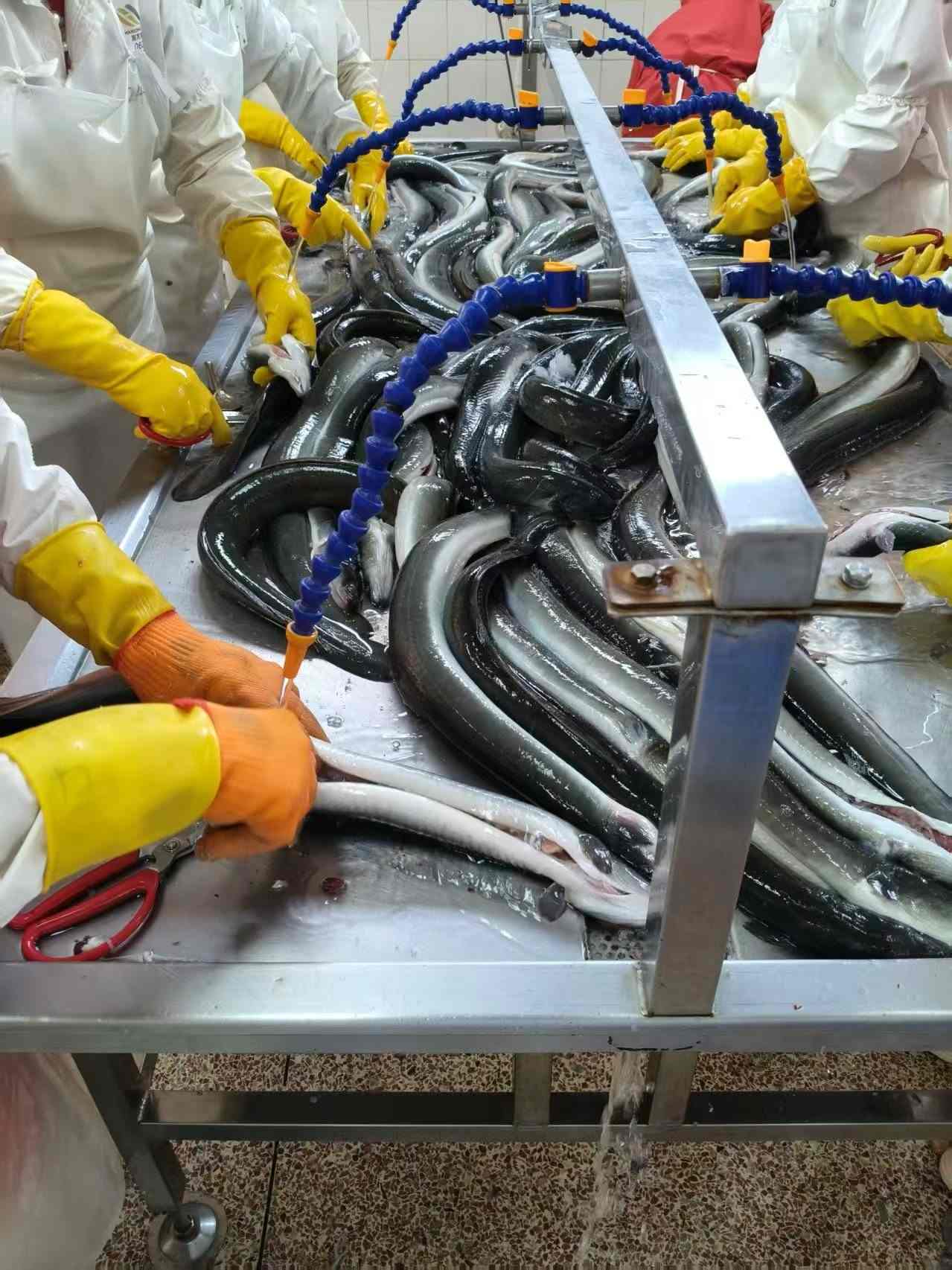
The journey from a live freshwater eel to a ready-to-heat unagi kabayaki product is a testament to meticulous processing. Unlike the simple simmering of anago, preparing unagi is an artform standardized for quality and consistency, especially for the export market. The goal is to reduce the natural earthiness of freshwater fish, enhance its rich umami flavor, and create a perfect texture.
This is where our technical expertise provides a clear advantage for our wholesale and foodservice clients.
Common Mistakes in Eel Processing that We Solve:
- Mistake 1: Incomplete Deboning. Finding bones is an immediate quality failure for the end consumer. Our process guarantees boneless/deboned fillets, reducing back-of-house labor and eliminating customer complaints.
- Mistake 2: Uneven Sauce Application. A single, thick coating of sauce can burn easily and fail to penetrate the meat, resulting in a bitter taste and bland interior. Our 4-layer coating process builds flavor gradually, ensuring each fillet is perfectly seasoned from edge to edge. We've even established internal color standards for "white-roasted" and each of the four soy-sauce coatings to ensure absolute consistency.
- Mistake 3: "Muddy" Aftertaste. Improper purging or processing can leave freshwater eel with an undesirable earthy flavor. Our patented deodorizing equipment effectively removes these off-notes, ensuring a clean and premium taste profile suitable for discerning palates.
- Mistake 4: Inconsistent Sizing and Cutting. Foodservice operations rely on standardized portions for cost control. We offer custom cutting specifications—including shredding, dicing, 3-section cuts, and sushi slices—to meet the precise needs of any menu application, from eel rice bowl toppings to high-end sushi.
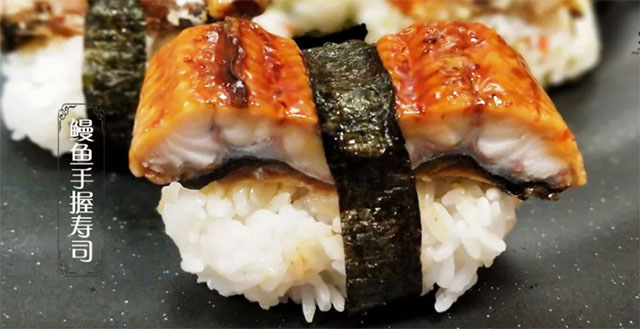
By controlling these critical steps, we provide a product that is not just safe and traceable but also consistently delicious and easy for professional kitchens to use. This level of standardization is a key reason why Japanese restaurant chains and US food importers choose us as their long-term supply partner.
Partnering with a Certified Unagi Exporter
Understanding what eel is in Japanese cuisine is the first step. The next is securing a supply chain that delivers on the promise of quality, safety, and authenticity. As an ISO 22000, HACCP, and HALAL certified enterprise, we have built our reputation on meeting the world's most demanding food safety standards. Our 160+ employees, including 25 dedicated technical and quality-control specialists, are committed to this mission.
Whether you are a distributor in the European Union, a restaurant chain in Southeast Asia, or an importer in the United States, your success depends on the reliability of your suppliers. With a 4,000-ton annual capacity and a standard 30-day delivery timeline, we are equipped to be a stable, long-term partner for your business.
For detailed specifications on our frozen unagi kabayaki and to discuss your import requirements, contact our export team to request a quote.