


Whats Unagi Sauce and How Can Kitchens Use It Beyond Sushi and Grilled Eel?
You bought a case for eel night. Now the bottles sit on the shelf. So whats unagi sauce actually good for once the eel is gone?
Short answer: it is a sweet-salty glaze, and it works on more than eel. It also has limits. This guide covers both, from a supplier's side of the pass.
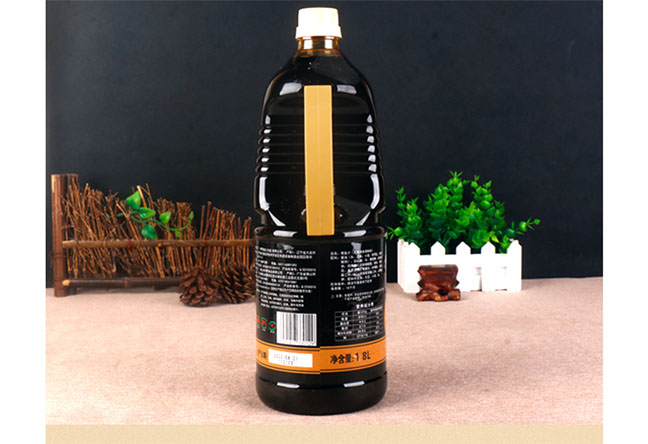
A Sweet-Salty Glaze, Not a Sushi-Only Sauce
Unagi sauce, also called unagi tare or kabayaki sauce, is a soy-based glaze. It is typically built from soy sauce, mirin and sugar, then reduced until it clings to food. You get salt, sweetness, umami and a lacquered shine.
That profile is not eel-specific. Eel simply carries it well because the flesh is rich and fatty. Sweet-salty glaze cuts through richness.
Our own roasting process shows the logic. We apply 4 precise layers of soy sauce with temperature-controlled steps, and we hold standards for the first-through-fourth coating colour. Thin layers build depth. One heavy pour does not. That lesson carries straight over to every other use below.
If you want the sauce itself, see our eel sauce product page. For the thinking behind the glaze, the kabayaki sauce article goes deeper.
What the Evidence Supports and What It Does Not
Let's separate observation from interpretation. This matters before anyone rewrites a menu.
- Observed: Most leading pages on this topic frame the sauce as a glaze for grilled eel, sushi and occasionally tempura. Many focus on homemade versions.
- Observed (our side): We supply kabayaki eel to Japanese restaurant chains and export unagi kabayaki and eel sauce to US food importers. We also supply eel products to Australian Asian foodservice and retail channels, and to catering chains in Southeast Asia.
- Interpretation: Little foodservice-oriented guidance appears to exist for non-eel uses. That is a content gap, not proof of buyer demand.
- Not established: Those supply cases do not show that those buyers glaze other proteins. They show where we ship eel and sauce.
So treat everything below as a set of test-kitchen hypotheses. No trend report is behind it.
How Foodservice Teams Can Use the Glaze Across Proteins, Rice Bowls and Sushi
The goal is simple. Keep the sauce's intended balance of salt, sweetness and umami intact. Each use below follows one rule: one sweet-salty element per plate.
| Menu use | How to apply | Balance guard | Where it does not fit |
|---|---|---|---|
| Grilled chicken thigh or pork belly | Grill first, then brush in 2-3 thin coats during the final minute or two | Skip extra sugar in the marinade; salt the meat lightly | Long, high-heat grilling with the glaze already on |
| Salmon or other oily fish | Light brush after searing or under the salamander | Keep the coat thin so the fish still tastes of fish | Lean, delicate white fish that the glaze would overpower |
| Rice bowls (donburi) | Glaze the topping, then add a small drizzle at the rice edge | Season the rice plainly; let the sauce do the seasoning | Bowls that already carry a sweet dressing or mayo-heavy topping |
| Sushi and rolls | Fine brush or thin ribbon on the topping only | Use plain vinegared rice; do not pair with a second sweet sauce | Fresh raw nigiri where the fish is the point |
| Tofu, eggplant, mushrooms | Pan-sear or grill, then glaze at the end | Add acid or a fresh herb to lift the sweetness | Soft items that go soggy under a wet coat |
| Tempura and fried items | Serve on the side for dipping | Keep the batter's crunch intact | Pre-coating fried items before holding |
Need pairing ideas on the bowl side? Our guide to eel rice bowl toppings shows how toppings balance the glaze. The eel sushi roll recipe shows the sauce in its home territory.
A worked example (illustrative)
A lunch kitchen wants one glazed special without a new supplier line. It could grill chicken thigh, slice it over plain rice, add a thin glaze coat and finish with pickled cucumber. One sauce, one new dish, no second sweet element. Track sell-through for two weeks before extending it. This is a scenario, not a result from a customer.
Why Many Kitchens Keep It Eel-Only: Drivers and Alternative Explanations
Why would a sauce this flexible stay locked to one protein? We see plausible reasons, though none is documented as fact.
- Habit and menu logic. Staff learn the sauce with eel and never see it elsewhere.
- Sweetness stacking. A glaze on top of a sweet marinade or sweet slaw tastes flat and cloying.
- Salt load. Soy-based sauces add salt quickly, so a chef who seasons as usual over-salts.
- Cost and inventory worries. A prepared sauce feels single-purpose until it earns a second job.
There is another explanation worth taking seriously. The problem may not be flavour at all. It may be menu communication. Guests expect "unagi sauce" on eel. A glazed chicken bowl needs a clear name, such as "soy-mirin glazed chicken", to avoid confusion.
Evidence that would change this view: a test dish that sells poorly after clear naming. Then the flavour pairing is the weak point, not the label.
Common Mistakes When Using Unagi Sauce Outside Eel Dishes
- Glazing too early. Sugars darken fast under heat. Brush at the end, not at the start.
- One thick coat. It slides off and pools. Several thin coats cling and shine.
- Doubling up sweet. Teriyaki-style marinade plus glaze equals too much sugar.
- Skipping a counterpoint. Pickles, citrus, scallion or sesame keep the dish from tasting heavy.
- Treating it as a dip and a glaze at once. Pick one role per dish for portion control.
Cold fact: that sticky shine and the bitter, burnt edge come from the same thing, sugar caramelising. A few seconds too long under the flame and the glaze turns from glossy to acrid. It is the reason traditional eel chefs build the glaze in layers rather than coating once.
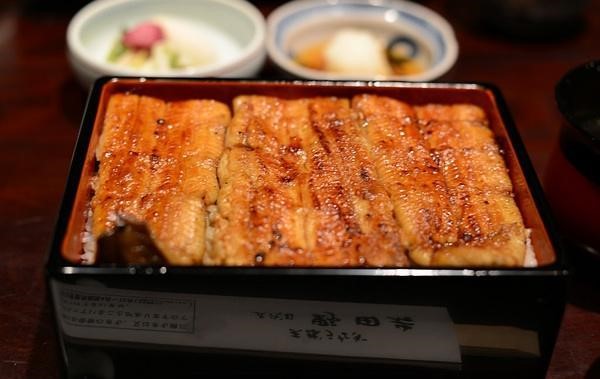
Questions to Ask Before You Pick a Prepared Sauce for Menu Development
A glaze that works on four proteins has to behave consistently. Use this checklist with any supplier, including us.
- What is the flavour profile? Request a sample and taste it on your own proteins, not just on eel.
- How thick is it at working temperature? Test on a hot grill and on cold rice.
- What documents come with the specific SKU? Confirm paperwork for your destination market. Do not assume it from the supplier's general certifications.
- How is the supplier controlled? We operate under ISO 22000:2018 and HACCP, with an in-house laboratory and metal detectors at critical control points.
- What are the MOQ and packaging options? MOQs are negotiable by specification and packaging format.
- What is the lead time? Our regular order delivery is about 30 days from order confirmation to shipment, negotiable by specification and quantity.
If you also run eel, pair the sauce with our unagi kabayaki product. One supply line then covers both the protein and the glaze. That is a convenience, not a reason to skip testing.
What to Check Now, and What Would Change the Plan
Start small. Choose two non-eel dishes and run a short pilot. Record plate waste, sell-through and staff feedback on salt and sweetness.
- Keep going if: the dishes sell and the sauce holds consistent across shifts.
- Rethink if: guests find the plates too sweet or too salty. Adjust the coat or the counterpoint first, then the pairing.
- Unresolved: we have no market data on how widely operators use these glazes beyond eel. Your own pilot is the better evidence.
For more ideas to test, browse eel recipes: 10 flavor pairings for menus. It shows which counterpoints work with a sweet-salty glaze.
Want to taste before you decide? Ask us for an eel sauce sample, or tell us your menu format and we will suggest a spec and packaging option.