


Which Eel Dish Fits Japanese, British or Vietnamese Menus?
You want eel on the menu. You do not want another copy of the same rice bowl. So which eel dish suits your venue: glazed and grilled, cold and set, or fired with lemongrass and chili?
The answer rarely comes from the recipe. It comes from texture, sauce, service speed and what your kitchen can prep at 4 p.m. on a Friday.

Why one fish needs three different menu logics
Search results for eel mostly fall into two camps. Some are broad lists of dish names. Others are single recipes, usually unadon. Very few put regional formats next to each other and ask what each one demands from a kitchen.
Scope matters here. This article is an evergreen comparison of traditional preparations in Japan, the British Isles and Vietnam. It is not a market report. It does not claim any of these formats is growing or shrinking, and a list of countries we have shipped to is not evidence of demand for a particular style.
For the broader picture, our guide to eel recipes by region covers more cuisines. Here we stay with three.
Regional eel dish formats compared by method, texture, sauce and occasion
| Format | Cooking method | Texture | Sauce profile | Typical service occasion |
|---|---|---|---|---|
| Japanese kabayaki / unadon | Split, boneless fillet; steamed or roasted, then grilled with repeated sauce coats | Soft, tender flesh with lightly caramelized, slightly sticky surface | Sweet-savory soy-based tare, glossy and layered | Lunch sets, dinner mains, premium rice bowls, sushi toppings |
| British jellied eels | Cut into short chunks, simmered in seasoned stock, then chilled until set | Firm, bouncy chunks inside a soft jelly | Savory stock, often finished with vinegar and white pepper | Cold plate, market-stall or heritage-pub style |
| British stewed eel | Chunks stewed gently in a herb-flecked liquid | Tender, bone-in pieces | Light parsley-style liquor | Traditional pie-and-mash settings |
| Vietnamese eel glass-noodle soup | Eel pieces cooked or fried, served in hot broth with noodles | Springy eel against slippery noodles | Clear, savory broth, fresh herbs, pepper | Casual lunch, noodle-shop menus |
| Vietnamese stir-fried eel | Strips wok-fried with aromatics | Chewy-tender, sauce clinging to the surface | Lemongrass, chili, garlic; sharp and fragrant | Shared plates, dinner menus with rice |
Read the table by service pressure, not by authenticity. Kabayaki is a finishing job: heat, brush, plate. Jellied eel is a make-ahead job. Vietnamese soup and stir-fry are à la minute jobs that depend on cut size.
What drives the differences, and what is still interpretation
Observed: each format pairs eel with a counterweight. Japanese cooks use sweet, salty glaze. British preparations use acid and set stock. Vietnamese cooks use herbs, chili and pepper.
Plausible interpretation: eel is rich and, if handled badly, can carry an earthy note. Each cuisine may have developed its own way of balancing that. This is a reasonable reading, not a proven cause.
Alternative explanations: local ingredients, trade history and street-food economics probably shaped these formats as much as flavor balance did. We would not claim any one factor explains them.
Cold fact: eel blood contains a protein that is mildly toxic when raw, and heat breaks it down. That is why eel is essentially never served raw, and why every format above is fully cooked. Menu copy that hints at "raw eel" is a red flag.
What this means for sourcing and prep
The format you choose changes what you buy. Not every eel dish starts from the same product.
- Japanese-style menus start from a ready-to-heat fillet. Our unagi kabayaki product is roasted with 4 layers of soy sauce under temperature control, using a patented low-fat roasting process and deodorizing equipment. Boneless, standardized fillets cut back-of-house labor.
- Vietnamese-style menus depend on cut size. We offer custom cuts including shredding, dicing, strip-cutting, chunk-cutting, 3-section cut and sushi slices. Strips suit stir-fry, and chunks suit soup. Confirm whether a pre-roasted base suits your broth or wok recipe before ordering volume.
- British-style menus traditionally start from freshwater eel simmered in stock. We supply freshwater eels, but specification, format and quantity for this use should be confirmed with us before you plan a menu around it.
As for track record: we have supplied kabayaki to Japanese restaurant chains over the long term. We have also exported eel products to importers in the United States, Germany, Poland and Australia, and to regional catering chains in Southeast Asia. These are supply cases. They show where we ship, not which dish format is winning in those markets.
On the compliance side, the facility is ISO 22000:2018, HACCP and HALAL certified. Products are produced to meet Japan, US and EU inspection standards on veterinary drug residues and microbiological indicators. Regular lead time is about 30 days from order confirmation to shipment, negotiable by spec and quantity.
Common mistakes when adding an eel dish to a new menu
- Copying the sauce, ignoring the fat. A sweet glaze on a fatty fillet can turn cloying. Test glaze levels on your actual product. Our eel sauce product page lists the tare we supply.
- Choosing by name, not by labor. A bone-in format needs a trained eye at the pass. A boneless one does not. Match the format to your station skills.
- Skipping a portion test. Chunk size changes mouthfeel in soup and jelly. Trial 2-3 cuts before fixing a spec.
- Assuming one product fits all three cuisines. A kabayaki fillet is already glazed. In a clear Vietnamese broth, that sweetness may clash.
- Treating prep skills as optional. If you ever buy whole eel, use a proper cleaning, skinning and deboning guide first.
A buyer's checklist and a worked example
Answer these in order. Each one changes a decision.
- Service speed: can the line finish in under a few minutes per plate? If yes, a ready-to-heat fillet fits. If no, consider make-ahead formats such as jellied or stewed.
- Cut spec: do you need fillets, strips or chunks? This decides the supplier's cutting setup and your waste rate.
- Sauce ownership: will you use a supplier tare or build your own? This affects flavor consistency across outlets.
- Compliance: what residue and microbiological standards apply in your import market? Ask for documentation and check how the supplier tests. Our eel lab of Eelpro Co., Ltd and in-line metal detectors are one example of what to look for.
- Volume and packaging: MOQ is negotiable by product and pack format (skin-packaging, gift boxes). Settle this before menu pricing.
Hypothetical example (illustrative only, not a customer case): a 60-seat Asian-fusion restaurant in Europe wants one eel item. Its line is fast and its cooks are not specialists in bone-in preparation. A ready-to-heat kabayaki fillet on rice fits that profile. A jellied format would need cold-set prep time and a different customer base. A Vietnamese-style stir-fry could work if the supplier can deliver a consistent strip cut.
What is still uncertain: we have no dated sales data comparing these formats, so we cannot say which one sells best. A small tasting menu trial, with sell-through tracked over a few weeks, would settle it better than any list.
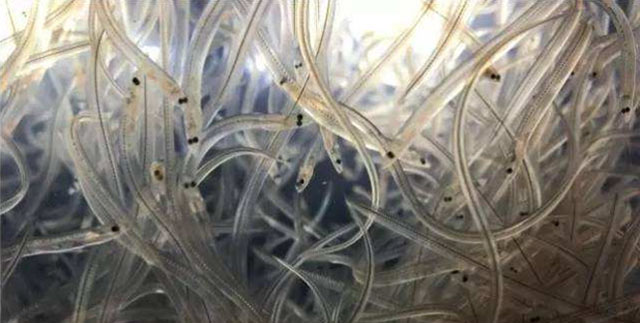
Traditional context helps too. Jellied eels have a long history in London's East End, and reading about them shows how far a set, cold format sits from a hot glazed bowl.
If you are shortlisting a format, tell us your cuisine, cut preference and rough volume. We will send our unagi kabayaki specifications and arrange samples for testing.