


A Homemade Eel Sauce Recipe That Scales Perfectly for Any Occasion
Ever made a small batch of perfect unagi tare, only to find that doubling or quadrupling the ingredients for a larger group results in a sauce that's too salty, too sweet, or just... off? You're not alone. The delicate balance of soy, mirin, and sugar is notoriously difficult to scale. This isn't just a home-cooking problem; it's a fundamental challenge in professional kitchens and even in large-scale food production. A great sauce should be consistent, whether you're preparing a single plate of unagi kabayaki eel or serving a hundred guests.
As a food safety and quality specialist, I’ve spent over a decade focused on the science of consistency. At Eelpro, our 4-layer soy-sauce coating process for roasted eel is built on precise controls that ensure every piece has the same perfect glaze. In this guide, I'll share those principles to help you master a homemade eel sauce recipe that delivers reliable, delicious results at any batch size. We'll move beyond a simple ingredient list and into the technique of scaling correctly.
The Foundation: Understanding Your Core Ingredients
A truly great eel sauce, or unagi tare, is built on the quality of just four simple ingredients. Choosing the right ones is the first step toward a professional-grade product. Skimping here will be noticeable in the final taste and texture.
- Soy Sauce (Shoyu): This is the backbone of your sauce, providing salinity and umami. For unagi tare, a high-quality Japanese dark soy sauce (koikuchi shoyu) is standard. Avoid light soy sauce, which is saltier and lacks the deep, fermented flavor needed. Also, steer clear of chemically produced soy sauces; a naturally brewed product will have more complex notes.
- Mirin: This sweet rice wine is crucial for the sauce's characteristic luster and balanced sweetness. True mirin (hon-mirin) contains about 14% alcohol and is fermented, giving it a complex sweetness. Be careful not to confuse it with aji-mirin, which is a "mirin-like seasoning" with much lower alcohol content, added corn syrup, and a less refined flavor. For the best glaze, hon-mirin is non-negotiable.
- Sake: A dry Japanese rice wine, sake adds depth and helps to mellow the harsher notes of the soy sauce. It also contributes to the final aroma. You don't need an expensive bottle, but use a sake you would be willing to drink. Cooking sake often contains added salt, which can throw off your recipe's balance.
- Sugar: Plain white granulated sugar is all you need. It dissolves cleanly and provides a neutral sweetness that allows the other ingredients to shine. Some recipes use brown sugar, but this can add a molasses flavor that may overpower the delicate taste of the eel.
At Eelpro, we source our ingredients for our commercial eel sauce (unagi tare) with the same scrutiny we apply to our eel farming. Consistent sourcing is key to a consistent product, a lesson that applies equally to your kitchen.
How to Scale Your Unagi Tare Without Breaking the Flavor
Here is where most recipes fail. Simply multiplying ingredients doesn't account for changes in surface area and evaporation rates. A larger batch in a wider pot will reduce differently than a small batch. The key is to adjust the ratios slightly and focus on visual and textural cues rather than just the clock.
As a quality auditor, I rely on clear standards. The following table provides a tested scaling guide and the critical quality checkpoints for each batch size. This method preserves the essential balance of salty, sweet, and umami.
| Batch Size (Yields Approx.) | Soy Sauce | Mirin | Sake | Sugar | Key Checkpoint & Common Failure Point |
|---|---|---|---|---|---|
| For 2 Servings (~1/2 cup) | 1/4 cup (60ml) | 1/4 cup (60ml) | 2 tbsp (30ml) | 2 tbsp (25g) | Checkpoint: Simmer for 10-15 minutes. Sauce should lightly coat the back of a spoon. Failure: Over-reduction. In a small pot, liquid evaporates fast. Watch closely to prevent a thick, salty syrup. |
| For 4 Servings (~1 cup) | 1/2 cup (120ml) | 1/2 cup (120ml) | 1/4 cup (60ml) | 3.5 tbsp (44g) | Checkpoint: Simmer for 15-20 minutes. The slightly reduced sugar ratio compensates for longer reduction time. Failure: Too thin. Using a pot that's too deep and narrow prevents sufficient evaporation. Use a wider saucepan. |
| For 8 Servings (~2 cups) | 1 cup (240ml) | 1 cup (240ml) | 1/2 cup (120ml) | 6 tbsp (75g) | Checkpoint: Simmer for 20-25 minutes. Notice the sugar is not a direct multiplication. This prevents it from becoming overly sweet and syrupy upon reduction. Failure: Scorching. More sugar means a higher risk of burning. Keep heat at a low, steady simmer and stir occasionally. |
The science is simple: as you increase volume, the ratio of surface area to liquid changes, affecting evaporation. Furthermore, sugars concentrate as water boils off. By slightly reducing the sugar percentage in larger batches, you compensate for the longer simmer time required, ensuring the final product has the same balanced sweetness and viscosity across all batch sizes.
Step-by-Step Production: From Saucepan to Glaze
With your ingredients selected and ratios calculated, the process is straightforward. Precision is your friend here. In our ISO 22000 certified facility, every step is timed and temperature-controlled. You can adopt the same mindset in your kitchen.
- Combine Liquids: In a medium saucepan, combine the soy sauce, mirin, and sake. Bring the mixture to a boil over medium heat. This initial boil is important for burning off the alcohol from the mirin and sake, which can otherwise leave a harsh, boozy aftertaste.
- Dissolve the Sugar: Once boiling, reduce the heat to a low simmer. Add the sugar and whisk until it is completely dissolved. Do not let the sugar sit on the bottom, as it can easily burn.
- Simmer and Reduce: Let the sauce simmer gently, uncovered. Do not rush this step. A frantic boil will cause the sugars to caramelize too quickly and can result in a bitter taste. The goal is a slow, steady reduction. A low simmer allows the flavors to meld and deepen. Your target is to reduce the volume by about one-third to one-half, depending on your desired thickness.
- Check for Consistency: To check if the sauce is ready, dip a cool spoon into it. The sauce should coat the back of the spoon in a thin, translucent layer. It will thicken significantly as it cools, so it should look slightly thinner in the pot than your desired final consistency. This is one of the most common kabayaki sauce recipe mistakes.
- Cool and Store: Remove the saucepan from the heat and let it cool completely. Transfer the finished sauce to a clean, airtight glass jar or bottle. It can be stored in the refrigerator for several weeks.
Common Mistakes to Avoid
From my experience overseeing production lines that produce thousands of tons of frozen unagi kabayaki annually, I've seen how small errors compound. Here are the most frequent issues with homemade eel sauce:
- Using High Heat: Boiling the sauce aggressively will burn the sugar and create a bitter, unusable mess. A gentle simmer is all that is needed.
- Walking Away from the Pot: A sauce can go from perfect to burnt in less than a minute. Stay close and monitor its progress, especially toward the end of the reduction period.
- Ignoring the Cooling Factor: Judging the thickness while the sauce is hot is a recipe for a solid, jelly-like block once it cools. Always aim for a consistency that is slightly thinner than you want.
- Using a Lid: Covering the pot traps steam and prevents the sauce from reducing properly. Always simmer uncovered.
From Your Kitchen to Ours: Ensuring Safety and Consistency
Making a great sauce is one thing; ensuring it's safe and stable is another. In a professional setting, food safety is paramount. When you make unagi tare at home, proper storage is your primary safety control.
Because of its high sugar and salt content, eel sauce is naturally resistant to spoilage. However, it's not immune. Always store it in a sterilized, airtight container in the refrigerator. It should last for several weeks, but always check for signs of spoilage (off-smells, mold) before using.
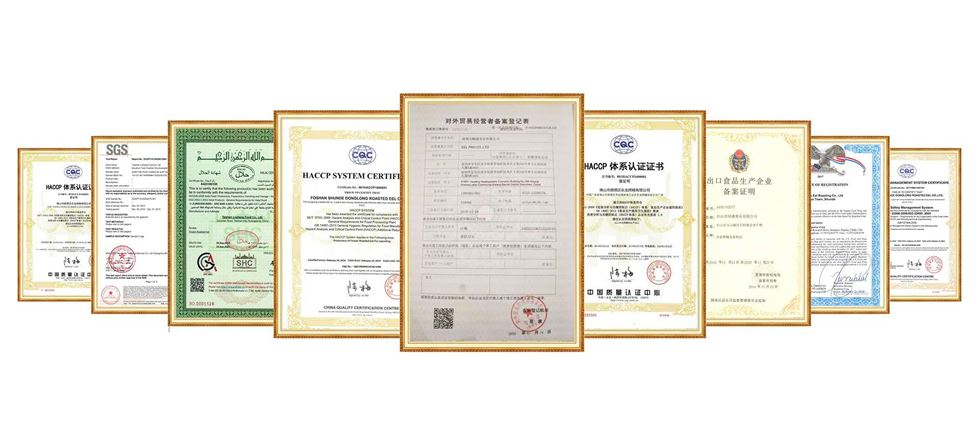
At Eelpro, we take this to the next level. Our entire production chain, from the 20 customs-registered eel farming bases to the final packaging, operates under strict HACCP and ISO 22000:2018 systems. We use metal detectors at critical control points and have our own professional in-house laboratory to test for microbiological indicators and veterinary drug residues. This ensures that every batch of our product meets stringent export standards for Japan, the US, and the EU.
While you may not have a lab, you can adopt the same principles: start with quality ingredients, follow a precise process, and store the final product correctly. This discipline is what separates a good cook from a great one. It’s how you get repeatable results, whether you’re making an eel sushi roll recipe for your family or developing a menu item for your restaurant chain.
This scaled homemade eel sauce recipe provides a foundation. Use it as a base, and feel free to experiment with additions like ginger or a piece of kombu during the simmer. The key is to apply these principles of scaling and consistency to every batch you make.
For foodservice businesses and importers requiring a consistent, certified, and ready-to-use solution, our commercially produced unagi kabayaki and eel sauce offer guaranteed quality at scale. Contact us to request a spec sheet or discuss your sourcing needs.