


Build Eel Rolls Sushi Without Overfilling Nori
Your nori tears just as you try to close the roll. Rice escapes. Eel slides toward one end. This usually is not a rolling problem. It is a filling problem.
Good eel rolls sushi should feel neat in the hand, hold together after slicing, and show a clean spiral of rice, cooked unagi, cucumber, and nori. The secret is not squeezing harder. It is leaving enough nori exposed for a secure seal and giving each ingredient a clear place inside the roll.
For home cooks using cooked kabayaki eel, the aim is simple: build a roll that is generous enough to taste satisfying but controlled enough to stay intact. A properly filled roll lets the glossy eel remain the star instead of turning into a slippery, overloaded center.
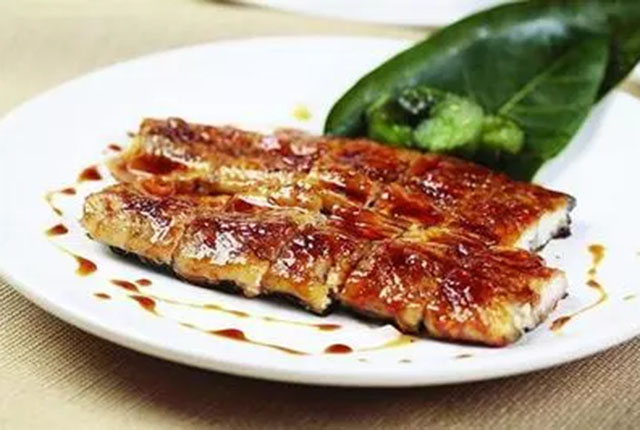
Start with ingredients that behave well inside the roll
The best filling plan begins before the nori touches the bamboo mat. Cooked eel is tender, sauced, and naturally soft, so it needs firmer supporting ingredients. Choose fillings that add crunch or freshness without releasing too much water.
For eel rolls sushi, frozen unagi kabayaki is a practical starting point because it is already cooked and seasoned. Warm it gently until it becomes flexible and glossy, then let excess sauce settle before placing it on rice. Very wet eel can soak the rice layer and weaken the nori.
Readers who want to compare prepared eel formats can review our unagi kabayaki product page before planning the cut style for home rolls.
| Ingredient | Best Role in the Roll | How to Prepare It | When It Does Not Fit |
|---|---|---|---|
| Cooked unagi kabayaki | Main rich, savory filling | Cut into long, even strips and drain excess sauce | Do not use thick stacked pieces in a narrow roll |
| Sushi rice | Structure and moisture balance | Use cooled, seasoned rice that is tacky but not wet | Do not press it into a heavy, compact layer |
| Cucumber | Crunch and freshness | Remove watery seeds if necessary and cut slim batons | Avoid thick pieces that create a hard ridge |
| Avocado | Soft, creamy balance | Use narrow slices rather than a large pile | Skip it if the eel pieces are already wide and rich |
| Eel sauce | Sweet-savory finish | Brush lightly after slicing or use a very small amount inside | Do not flood the filling before rolling |
The conclusion is straightforward: use cooked eel as the flavor center, not as a bulky layer. This approach works especially well for unakyu-style rolls with cucumber. It is less suitable when making oversized specialty rolls designed to be served immediately on a plate, where a larger filling may be manageable with experienced knife work.
If you want a deeper look at balancing sweetness and saltiness, see kabayaki sauce guidance before adding extra glaze.
Use filling portion ratios and placement to stop torn nori and loose rolls
This is the assembly point that changes everything. The rice, eel, and vegetables should not occupy equal amounts of space. Rice creates the outer structure. Eel forms a narrow flavor line. Vegetables provide a smaller supporting line beside it.
For stable eel rolls sushi, place ingredients slightly below the center of the rice-covered nori. That lower placement gives the top section of nori enough room to travel over the filling and seal against the rice. When fillings sit in the exact middle or above it, the final flap is too short. The result is a loose roll or torn sheet.
| Roll Component | Correct Portion and Position | What It Prevents | Common Failure When Overused |
|---|---|---|---|
| Sushi rice | A thin, even layer across most of the nori, with a bare top edge | Cracks caused by dry nori stretching over an uneven mass | A thick rice layer makes the roll heavy and hard to close |
| Cooked unagi | One narrow line below the rice center | Eel slipping out during the first turn | Stacked eel creates a high ridge that breaks the nori |
| Cucumber or similar vegetable | A slim line beside the eel, not underneath it | Round rolls with an even cross-section | Too much crunching vegetable pushes eel off-center |
| Sauce | A light brush on eel or a finishing drizzle after cutting | Wet seams and soggy rice | Excess sauce causes the nori to soften before slicing |
Follow this practical placement sequence
- Place the nori shiny-side down on the bamboo mat.
- Spread sushi rice in a thin layer, leaving a clear strip of nori uncovered along the far edge.
- Set the eel in a straight line below the center, rather than directly in the middle.
- Place cucumber or avocado beside the eel. Keep the supporting filling lower than the eel line.
- Lift the near edge of the mat and bring the nori over the fillings in one controlled motion.
- Press gently after the first fold. Shape the roll before continuing forward.
- Use the bare nori edge to close the roll. Let the rice beneath it act as the natural adhesive.
This method is best for standard maki rolls using a full nori sheet. It does not apply in exactly the same way to inside-out rolls, where rice sits on the outside and the nori is less exposed. For inside-out styles, the same principle still applies: keep the eel line narrow and leave room for the first fold.
Cold fact: nori does not usually tear because it is weak. It tears because it is being asked to stretch over a filling mound that is too tall. Nori bends well. It does not stretch like dough.

Build the roll with controlled pressure instead of force
Once the fillings are in place, the next risk is compression. A loose roll falls apart. An over-compressed roll becomes dense, sticky, and difficult to slice. The right pressure is firm enough to shape the rice, yet light enough to preserve the eel strip.
For eel rolls sushi, use the bamboo mat to form the roll rather than using your fingers to squeeze the exposed nori. Your fingers should guide the mat. The mat should apply the shape.
- First fold: Bring the near nori edge over the filling and tuck it in gently.
- First press: Press along the length of the mat so the roll becomes even from end to end.
- Second turn: Move the mat forward while keeping light contact with the roll.
- Final shape: Press the finished roll into a round or slightly squared form, depending on your serving style.
The conclusion here is clear: form the roll in stages. This works for beginners because it prevents the common habit of forcing the entire roll closed at once. It may not suit very soft fillings such as mashed seafood mixtures, which can require a lighter touch and a different roll shape.
If you are choosing between a simple cucumber roll and a more layered home-style roll, our eel sushi roll recipe offers another useful serving direction.
Avoid the mistakes that make cooked unagi rolls collapse
Even high-quality eel cannot rescue a roll built with overly wet rice, thick fillings, or a blunt knife. Many home sushi problems happen after rolling, especially at the slicing stage.
Common mistakes and practical fixes
- Mistake: Using rice straight from the cooker. Hot rice releases steam, which softens the nori quickly. Use seasoned rice that has cooled enough to handle comfortably while remaining slightly tacky.
- Mistake: Adding sauce to every layer. Sauce is flavorful but slippery. Brush a small amount directly onto the eel, then finish the sliced roll with a light drizzle.
- Mistake: Using wide eel pieces. Wide pieces create an uneven center and can split the roll. Cut cooked unagi into long, narrow strips that follow the direction of the roll.
- Mistake: Piling fillings vertically. Eel, avocado, and cucumber should sit side by side when possible. A tall stack is the fastest route to torn nori.
- Mistake: Sawing through the roll with a dry knife. Wipe the knife clean and lightly moisten it between cuts. Use one confident downward-and-forward motion instead of repeated back-and-forth sawing.
- Mistake: Serving too late. Nori slowly absorbs moisture from rice and sauce. Assemble close to serving time when you want the outer sheet to remain pleasantly crisp.
These fixes are most useful for home cooks making eel rolls sushi for lunch, casual dinners, or a small sushi platter. If you are preparing rolls well ahead for transport, use fillings with less moisture and keep sauce separate until serving.
Choose the right eel cut for the style of sushi roll
The eel cut affects rolling more than many people expect. A long strip creates a clean center line. Small chunks can taste good but often produce gaps, uneven pressure, and awkward slices. For home sushi, consistency matters more than dramatic size.
| Eel Cut Style | Best Use | Why It Works | Limitation |
|---|---|---|---|
| Long narrow strips | Classic maki and unakyu rolls | Creates an even filling line and slices cleanly | Requires careful trimming if the fillet is wide |
| Small diced eel | Mixed fillings or hand rolls | Spreads flavor through the bite | Can fall from a sliced roll if packed too loosely |
| Sushi slices | Open-face sushi or topping-style presentation | Shows the eel’s surface and glaze clearly | Not the best choice for narrow nori rolls |
| Shredded eel | Rice bowls or softer fillings | Easy to distribute in small amounts | May lack the clean center line needed for maki |
Eelpro Co., LTD can provide custom cutting options including shredding, dicing, strip-cutting, chunk-cutting, three-section cuts, and sushi slices. For home roll assembly, strip-cut eel is usually the most practical choice because it supports balanced eel rolls sushi without building a high mound in the center.
Our frozen roasted eel is produced with a four-layer soy-sauce coating process, while patented low-fat roasting and deodorizing technology supports a cleaner eating experience. Eelpro operates two production lines with an annual finished-goods capacity of 4,000 tons, supported by a 1,000-ton cold storage facility. The company is certified to ISO 22000:2018, HACCP, and HALAL requirements, with export food producer registration and an SC food production license.
Finish and serve the roll while nori still has structure
After slicing, arrange the pieces with the cut sides visible. Brush a little eel sauce over the top only if the eel looks dry or needs more shine. This preserves the contrast between warm, rich unagi and fresh cucumber.
For eel rolls sushi, serve with pickled ginger, wasabi, and soy sauce on the side rather than soaking the roll before plating. The roll should carry enough flavor from the kabayaki eel and sauce already used in the filling.
If you have extra cooked eel after rolling, it works well in rice bowls, noodles, or a simple grilled plate. You can also explore more serving ideas in our eel recipes collection.
For home cooks and foodservice buyers seeking cooked eel suitable for clean, balanced rolls, request a sample or product specification from Eelpro Co., LTD.