





Build Japanese Eel Sushi With Balanced Rice and Eel
Why does homemade japanese eel sushi sometimes slide apart, taste too sweet, or feel heavy after one bite? The answer is usually not the eel alone. It is the balance between warm rice, soft kabayaki, a controlled glaze layer, and the moment you serve it.
A good unagi nigiri should feel light in the hand but satisfying on the palate. The rice should hold its shape without becoming dense. The eel should sit on top instead of sinking into the rice. The glaze should shine, not flood the plate.
This guide is designed for home cooks using cooked frozen kabayaki fillets. You do not need a restaurant counter or specialist equipment. You need a clean sequence, a gentle touch, and a few checkpoints that prevent common mistakes before the first piece reaches the table.
Choose Cooked Kabayaki That Fits the Way You Serve Sushi
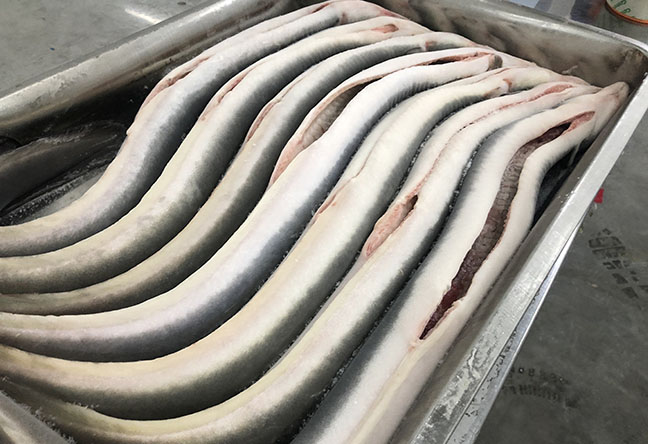
The best starting point for japanese eel sushi is cooked kabayaki with a tender texture, intact flesh, and a glaze that can be adjusted during reheating. This suits home cooks who want reliable results without cleaning, deboning, grilling, and seasoning raw eel. It does not apply if you are preparing fresh eel from scratch, where skinning and grilling methods need much more preparation.
For nigiri, choose portions with a broad, even surface. Wide pieces are easier to lay over rice and less likely to curl. Very narrow scraps still have value, but they are better for rolls, chopped toppings, or rice bowls.
| Product Format | Best Use | Why It Works | When It Does Not Fit |
|---|---|---|---|
| Whole kabayaki fillet | Nigiri and plated servings | Allows you to cut wide, attractive pieces that follow the rice shape | Less convenient when you only need small chopped toppings |
| Cut kabayaki pieces | Quick home meals and sushi rolls | Reduces knife work and supports portion control | Piece shape may not match every nigiri mold |
| Shredded or diced eel | Rice bowls, hand rolls, and mixed fillings | Useful when appearance matters less than speed | Cannot create the classic layered nigiri profile |
Eelpro produces frozen roasted eel with a controlled 4-layer soy-sauce coating process. That matters when preparing japanese eel sushi because the surface flavor is already developed, so extra sauce should be treated as a finishing touch rather than the main source of taste.
If you are selecting products for repeated home use, look for packaging that lets you take out only what you need. For larger foodservice or retail programs, ask for the specification that matches your intended cut style. Eelpro can support custom cutting formats including strips, chunks, sushi slices, and other standardized cuts. Learn more about available unagi kabayaki options before choosing a fillet format.
Prepare Rice That Supports the Eel Instead of Competing With It
Rice is the structural base of japanese eel sushi. The conclusion is simple: shape rice while it is warm and slightly moist, not cold, dry, or steaming hot. Warm rice remains flexible enough to form a stable bite. Cold rice becomes firm and may crack. Steaming rice can soften the eel too quickly and make the glaze run.
Use properly seasoned sushi rice rather than plain table rice when you want a classic nigiri taste. Vinegared rice adds light acidity that cuts through the rich roasted eel. Plain rice can work for children, casual lunches, or diners who prefer a mild flavor, but the finished piece may taste flatter.
- Use short-grain rice: It clings together without requiring excessive pressure. Long-grain rice tends to separate, which makes japanese eel sushi unstable.
- Season gently: Fold seasoning through the rice rather than stirring hard. Aggressive mixing crushes grains and creates a pasty texture.
- Cover the rice loosely: This keeps the surface from drying while you prepare eel portions. Do not seal it tightly while it is hot, because trapped steam can make it wet.
- Use a light hand: Rice should hold together when lifted but separate easily when eaten. If it feels packed like a dense ball, use less pressure on the next piece.
A simple visual test helps. Pick up one shaped rice portion with chopsticks or clean fingers. If it stays together, the structure is ready. If it clumps heavily or leaves a sticky paste on your fingers, it has been compressed too much.
For home cooks preparing japanese eel sushi for a family meal, make the rice before reheating the eel. That order lets you assemble while both elements are in their best condition. It does not suit a long buffet service, where rice can dry and eel can lose its soft surface. In that case, keep components separate and assemble closer to serving.
Balance Eel Portion Size Rice Shape Glaze Quantity and Serving Temperature for Stable Nigiri
Stable nigiri depends on four parts working together: eel portion size, rice shape, glaze quantity, and serving temperature. The goal is not to make the tallest piece or the darkest shine. The goal is a bite that can be lifted cleanly and eaten without the topping sliding away.
Use this assembly method for japanese eel sushi when you are serving individual nigiri. It is especially useful for home cooks who want restaurant-style presentation with cooked kabayaki. It is less suitable for heavily sauced eel bowls or unagi rolls, where rice structure and topping placement work differently.
| Assembly Element | Action | Checkpoint | Common Failure Reason |
|---|---|---|---|
| Eel portion | Cut a piece that covers the rice with a slight overhang | The eel lies flat without folding over itself | Oversized eel pulls away from the rice or creates an awkward bite |
| Rice shape | Form a compact oval with soft edges | The rice holds together when lifted but does not feel tightly packed | Too much pressure makes the rice dense and unpleasant |
| Glaze quantity | Brush a thin layer over warm eel | The surface shines while the rice remains dry | Too much sauce makes the topping slide and overwhelms the rice |
| Serving temperature | Place warm eel over warm rice and serve promptly | The eel remains tender and the rice keeps its shape | Cold eel feels firm; very hot eel loosens the rice and thins the glaze |
Build Each Nigiri in a Practical Sequence
- Reheat the kabayaki gently: The eel should become soft and flexible. Stop before the surface dries or the glaze becomes overly thick. A dry surface is harder to brush and can tear during cutting.
- Rest the eel briefly: Let excess steam escape before placing it on rice. This protects the rice texture. Do not leave it exposed so long that it cools and firms up.
- Cut across the fillet with a clean sharp knife: Wipe the blade between cuts if sauce builds up. Clean cuts produce smoother edges and a neater finish.
- Shape the rice with damp hands: Form an oval that is slightly narrower than the eel piece. The exposed edge of eel should look intentional, not oversized.
- Set eel onto rice without pressing hard: Let the eel follow the curve of the rice. Pressing aggressively forces sauce into the rice and flattens the grains.
- Brush only the top surface: Add a thin finishing layer of unagi tare after assembly. Keep the underside of the eel relatively dry so it grips the rice better.
- Serve while the contrast is right: The rice should be warm, the eel should be tender, and the glaze should still have a gentle sheen.
This method gives japanese eel sushi a stable profile because each element has a job. Rice provides structure. Eel provides richness. Glaze provides aroma and color. Temperature keeps those three parts connected.
Use Eel Sauce as a Finish Rather Than a Cover
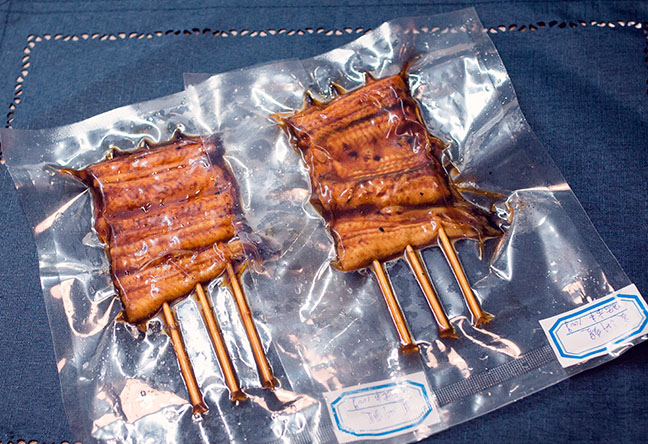
For japanese eel sushi, the best conclusion is to use sauce sparingly at the end. A thin brush of sauce adds aroma and shine without hiding the eel flavor or soaking the rice. This approach suits roasted kabayaki that already carries seasoning from production. It does not apply when you are using plain grilled eel with no marinade, which may need more seasoning during cooking.
Unagi tare should coat the surface, not pool at the bottom of the plate. If sauce gathers around the nigiri, the rice will absorb it and lose its clean shape. The first bite may still taste good, but the last pieces often become heavy and sticky.
Use a small brush or the back of a spoon. Apply one light pass, then look at the surface under kitchen light. If the eel has a gentle sheen, stop. If dry spots remain, add a little more only to those areas.
For product details, see Eelpro’s eel sauce page. If your glaze tastes too sweet, too salty, or too thick after reheating, this guide on kabayaki sauce recipe: fix flavor mistakes can help you correct the finish without drowning the eel.
Avoid the Small Mistakes That Make Nigiri Fall Apart
Most japanese eel sushi problems are visible before serving. Catching them early saves the meal and reduces wasted eel. The list below gives a direct correction for each issue.
- Mistake: using cold rice. Cold rice resists shaping and feels hard against warm eel. Use rice that is warm, pliable, and covered until assembly.
- Mistake: cutting eel straight from a very hot pan. The flesh can tear and the glaze can smear. Let the surface settle until it is manageable but still warm.
- Mistake: adding sauce before forming nigiri. Sauce on the underside reduces grip. Shape rice first, place eel second, then glaze the top.
- Mistake: making rice portions too large. A thick rice base hides the eel and makes each bite tiring. Keep the rice lower than the eel so the topping remains the visual focus.
- Mistake: pressing the eel deeply into the rice. This can make the topping look secure at first, but it damages the rice texture. Use a light settling touch instead.
- Mistake: preparing too far ahead. Rice dries, eel firms, and glaze loses its fresh shine. Assemble close to eating time whenever possible.
Cold Knowledge About Why Eel Can Slide Off Rice
Here is a useful food-science detail: the issue is often moisture, not poor knife skills. Hot steam from eel can soften the rice surface, while excess sauce acts like a slippery layer between eel and rice. That is why japanese eel sushi is more stable when the eel is warm rather than steaming and the glaze is brushed mainly on top.
A thin strip of nori can be used around the center when you need extra support, such as when serving a larger eel piece or carrying sushi to the table. This is practical for casual home service. It does not create the same open, classic unagi nigiri appearance, so skip it when presentation is your main goal.
Plan a Simple Home Serving Sequence Without Losing Texture
For japanese eel sushi served at home, prepare your tools before reheating the eel: a damp cloth, a sharp knife, a rice bowl, a small sauce dish, and a brush. The reason is simple. Once kabayaki is warm, it is at its best for a short window. Searching for equipment at that point can lead to cooling eel, dry rice, and rushed shaping.
Place finished pieces on a dry plate with enough room between them so the glaze does not transfer. Serve with ginger, cucumber, or a light soup if you want contrast. Avoid pairing with very sweet side dishes, because kabayaki already brings a rounded soy-sauce sweetness.
If you have leftover eel, do not force it into more nigiri after the rice has cooled. Chop it for a rice bowl or use it in a roll instead. For a different format, try this eel sushi roll recipe: make unakyu maki, where cucumber adds freshness and helps balance the roasted flavor.
Eelpro supports frozen roasted eel, eel sauce, freshwater eel, and frozen seafood programs with ISO 22000:2018, HACCP, HALAL certification, export food producer registration, and full-chain traceability from customs-registered farming bases through shipment. For home cooks, that sourcing discipline translates into a more dependable cooked kabayaki starting point. For importers and foodservice buyers, it supports product selection for consistent sushi applications.
For kabayaki samples, sushi-cut specifications, or product selection advice for your menu, contact Eelpro’s unagi team.
 WhatsApp
 sales@chinaeels.com
 +8619937922411