





Eel BBQ can go wrong fast. One minute you're flipping tender fillets, the next they're glued to the grate. The secret? The marinade. It’s not just about preventing sticking — the right marinade transforms fatty freshwater eel into something aromatic, crisp-edged, and deeply flavorful. We’ve tried eel barbecue marinade blends from kitchens across the globe, and the difference a good soak makes is night and day. Here are seven regional flavor profiles to spark your next eel bbq menu idea, whether you’re running a restaurant or cooking at home.
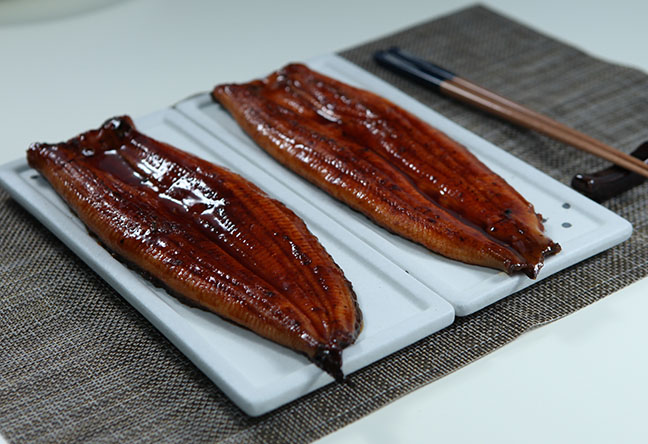
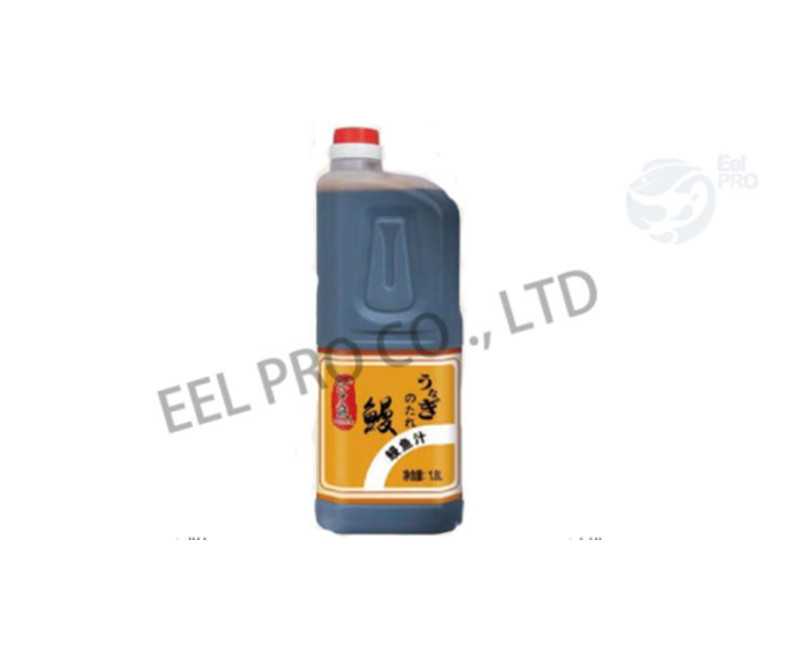
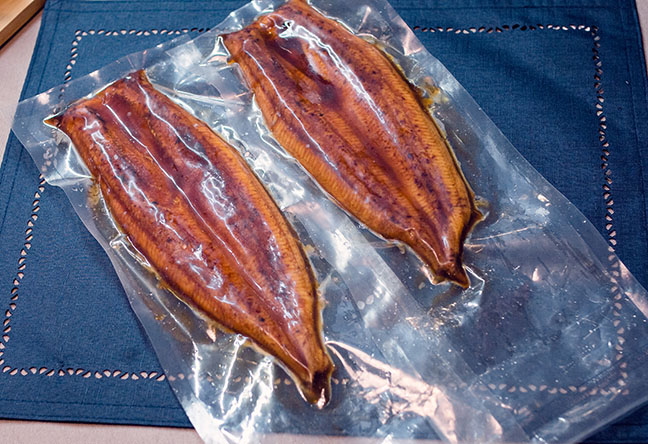
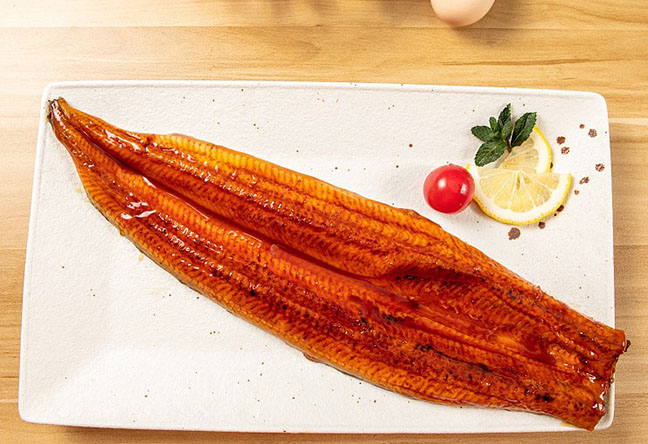
When most people think of unagi BBQ flavors, they picture glossy, caramelized fillets fresh off the grill. That’s kabayaki. The classic eel barbecue marinade here combines soy sauce, mirin, sake, and sugar — simmered until syrupy. In Japan, the tare is regularly brushed on while grilling over binchotan charcoal, creating layers of umami. A 15-minute dip before cooking works wonders. For a shortcut that doesn’t sacrifice authenticity, our ready-to-use eel sauce is practically identical to the house-made tare you’d find in Tokyo unagi-ya. Use it to baste frozen unagi kabayaki fillets straight from the pack — no need to start from scratch.
Grill at 200°C, skin-side down, for 4 minutes. Flip, brush generously, and give it another 2 minutes. The sauce will sizzle and set into a lacquered shine. That glossy finish isn’t just for looks; it seals in moisture while the eel fat renders gently.
Gochujang brings a slow-building, savory heat that pairs beautifully with the richness of eel. For a BBQ eel seasoning that clings and chars just right, whisk together 3 tablespoons gochujang, 1 tablespoon soy sauce, 1 tablespoon sesame oil, 1 minced garlic clove, and a teaspoon of grated ginger. Let the marinated eel rest in this paste for 20 minutes — no longer, or the chili can overpower the fish’s delicate sweetness. We’ve seen Korean grill masters brush on extra glaze during the final minute, creating chewy, spicy bark.
Serve with ssamjang and perilla leaves for a ssam-style wrap. The bold, funky unagi BBQ flavors hold up even when paired with kimchi.
Here, the marinade leans on nam pla (fish sauce), palm sugar, lime juice, and crushed bird’s eye chilies. The resulting eel barbecue marinade is sweet, sour, salty, and fiery all at once. Combine 2 tablespoons fish sauce, 3 tablespoons melted palm sugar, juice of 1 lime, and 2 minced chilies. Marinate eel fillets for 15 minutes. The sugar caramelizes fast, so keep the grill around 180°C and stay close. The charred bits develop a toffee-like crunch, while the lime cuts through the oily richness. This one’s a favorite for outdoor eel bbq parties.
Jerk isn’t just for chicken. The aromatics — allspice, thyme, scallion, scotch bonnet, and a touch of brown sugar — work wonders on marinated eel. Pulverize 4 allspice berries, 1 scotch bonnet (seeded), 2 scallions, 1 teaspoon fresh thyme, 1 tablespoon soy sauce, and 2 tablespoons olive oil. Let the fillets soak for 30 minutes. Grill over pimento wood if you can; the smoke adds another dimension. The result is deeply spiced, nose-tickling, and slightly sweet. It’s a dramatic departure from typical unagi BBQ flavors and always gets people talking.
For a backyard feel, blend ¼ cup ketchup, 2 tablespoons bourbon, 1 tablespoon apple cider vinegar, 1 tablespoon dark brown sugar, ½ teaspoon smoked paprika, and a dash of Worcestershire sauce. This BBQ eel seasoning approach leans into slow-smoking notes. Marinate eel for 1 hour in the fridge. Grill at medium heat, turning only once to preserve the sticky coating. The alcohol burns off, leaving a mellow sweetness that doesn’t mask the eel. Pile onto toasted brioche buns with slaw — a truly satisfying eel bbq sandwich.
Hoisin’s fermented soybean depth meets ginger’s warming kick in this eel barbecue marinade. Mix 3 tablespoons hoisin sauce, 1 tablespoon Shaoxing wine, 1 teaspoon grated ginger, 1 teaspoon sesame oil, and a pinch of five-spice powder. The five-spice adds a whisper of star anise that complements the eel’s natural sweetness. After 25 minutes of marinating, grill over high heat for a quick char. In our kitchen, we sometimes drizzle a little extra hoisin mixed with hot water as a finishing glaze. This style pairs wonderfully with steamed bao.
Unlike thick, sugary sauces, chimichurri is a loose, spoonable blend of parsley, oregano, garlic, red wine vinegar, and olive oil. It’s not a heavy marinade — it’s a bright, acidic bath that tenderizes while adding freshness. Use it as both a 20-minute eel barbecue marinade and a post-grill drizzle. Combine ½ cup finely chopped parsley, 2 tablespoons oregano, 4 minced garlic cloves, ⅓ cup red wine vinegar, and ½ cup olive oil. Salt well. After grilling the eel, spoon more chimichurri over the top. The garlic punch cuts through the fat and lifts every bite. This is the lightest of all the unagi BBQ flavors on our list.
No matter which flavor profile you choose, marinating eel requires a light touch. The flesh is delicate, high in fat, and absorbs seasoning quickly. 20 to 60 minutes is the sweet spot — anything over 2 hours in a highly acidic mix can turn the surface mushy. Always pat fillets dry before they hit the grill; wet eel steams instead of charring. And the golden rule: skin-side down first, always. Eel skin contracts with heat. Starting flesh-down will curl your fillet into a stubborn crescent. That’s a tip we learned the hard way. We often reach for ready-to-grill unagi kabayaki when time is tight. These frozen fillets already have a thin base glaze, so you can simply thaw, pat dry, and brush on any regional marinade to push the flavor in a new direction. Our kabayaki sauce works as an instant dipping glaze or a foundation for custom blends — mix in gochujang for Korean heat or bourbon for American smokiness.
Eel skin is edible and delicious — don’t discard it. When grilled, its collagen turns into a crisp, slightly chewy layer that’s prized in many cuisines. If you’re buying whole freshwater eels, have your fishmonger remove the slime coat but keep the skin intact. Another pitfall: over-salting a marinade that already has soy or fish sauce. The eel’s own fat carries flavor, so a little salt goes a long way. Taste the raw marinade before adding extra; it should be punchy but not mouth-puckering.
The best eel bbq marinades balance sweetness, salt, and a touch of acidity. Japanese tare (soy-mirin) is the benchmark, but Korean gochujang, Thai chili-lime, and Argentine chimichurri all shine because they complement eel’s richness without overwhelming it. Stick to quick marinades under an hour, and avoid heavy creams or dairy-based mixes that can curdle over high heat.
Japanese profiles lean sweet and glossy, Korean versions bring fermented chili heat, Thai emphasizes bright citrus and fish sauce, while Caribbean jerk adds warm allspice and scotch bonnet fire. American bourbon BBQ goes smoky-sweet, Chinese hoisin-ginger is savory-floral, and Argentine chimichurri remains herbaceous and garlic-forward. Each region’s unagi BBQ flavors reflect local staple ingredients and cooking traditions, giving chefs endless variety.
Salt, sugar, umami boosters, and a mild acid form the core of any good BBQ eel seasoning. Soy sauce, fish sauce, mirin, citrus juice, garlic, ginger, brown sugar, and sesame oil are common building blocks. Smoked paprika and five-spice also work well. A final sprinkle of toasted sesame seeds or sliced scallion adds texture and visual appeal right off the grill.
Grilling eel doesn’t have to be a one-note affair. By changing the marinade, you can take the same frozen unagi fillet from a Tokyo street stall to a Kansas City barbecue, all within the same week. Experimenting with these seven profiles can make your seafood menu stand out — and keep customers curious. For a consistent, high-quality base, start with our frozen freshwater eel and eel sauce, designed to hold up under high heat. If you’ve got leftover grilled eel, try tossing it into a quick eel noodle soup — the broth picks up all those charred bits beautifully. We’d love to hear which regional marinade becomes your signature. Drop us a line or explore our product range to get grilling.
 WhatsApp
 sales@chinaeels.com
 +8619937922411