





The grill is hot, the eel is ready, and the first ticket is waiting—but today’s sauce tastes thinner than yesterday’s. A consistent recipe unagi sauce takes more than soy sauce and sugar. In a restaurant, every batch needs a measured formula, a defined yield, safe cooling, and a clear portioning plan.
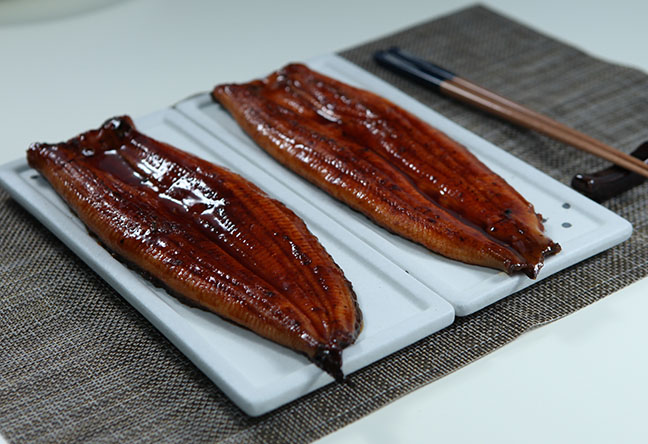
Unagi sauce, also known as unagi tare or kabayaki sauce, is sweet, salty, glossy, and lightly smoky when brushed over grilled freshwater eel. It also pairs well with rice bowls, sushi rolls, grilled chicken, vegetables, and noodles. The real challenge is delivering that familiar flavor consistently, from a quiet Monday lunch through a packed weekend service.
This guide covers a practical method for restaurants, caterers, central kitchens, and foodservice buyers. You will find an unagi sauce batch recipe, yield calculations, storage guidance, service portions, and situations where a ready-made sauce may be the better operational choice.
A well-made sauce is all about balance. Soy sauce provides salt and umami. Mirin brings sweetness and a gentle fermented aroma, while sake adds fragrance and softens the overall profile. Sugar gives the sauce its familiar sheen and sticky finish as the liquid reduces.
At home, cooks can adjust by eye. In a commercial kitchen, that approach can create avoidable variation:
A different soy sauce brand can shift the salt level.
A wide pan evaporates liquid faster than a narrow pot.
A hard boil can create a darker, sweeter sauce than a gentle simmer.
A different ladle can turn a planned 15 ml serving into 25 ml.
Repeated reheating can make the sauce thicker and more concentrated.
Record ingredients by weight, establish a finished-batch target, and use the same checking tools every time. Tasting still matters, of course, but measurement gives the kitchen a dependable baseline.
The formula below is a practical starting point for grilled eel and rice bowls. It is not the only acceptable style. Some kitchens prefer a sweeter tare, while others want a darker, saltier sauce. Test it with your own soy sauce, mirin, and menu items before adding it to regular service.
450 g Japanese-style soy sauce
300 g mirin
150 g sake
180 g granulated sugar
The starting weight is approximately 1,080 g. The target finished weight is 1,000 g. The 80 g difference accounts for evaporation, although the actual reduction will vary with pan shape, heat level, and cooking time.
Weigh the soy sauce, mirin, sake, and sugar separately. Record brand and lot information if your operation uses purchasing specifications.
Combine all ingredients in a stainless-steel pot large enough to prevent splashing. Stir before heating so the sugar does not settle on the bottom.
Warm over medium heat until the sugar dissolves. Bring the mixture to a gentle simmer rather than a rapid boil.
Simmer until the batch reaches approximately 1,000 g. Stir occasionally with a clean utensil and skim foam if needed.
Remove from the heat and weigh the sauce again after a brief rest. If it is above target, return it to the heat. If it is below target, record the result and adjust the next batch rather than casually adding water.
Strain into a sanitized container if the recipe produces sediment or foam.
Do not rely on cooking time alone. A 20-minute simmer in a wide sauté pan can reduce faster than a 35-minute simmer in a tall pot. The finished sauce should coat the back of a spoon, but remember that it will thicken further as it cools.
Some chefs add grilled eel bones or trimmings for a more traditional kitchen tare. This can add depth, but it also changes the food safety plan, allergen controls, filtration needs, and batch-to-batch consistency. If eel components are added, document that process separately and confirm it against local food safety requirements.
Unagi sauce yield is the usable amount left after cooking, straining, and transferring. It is not always the same as the starting volume. Sugar dissolves, alcohol and water evaporate, and some sauce remains on the pot, utensils, and strainer.
Use this formula:
Usable yield = finished batch weight − transfer loss
For example, if the cooked sauce weighs 1,000 g and 20 g remains in the pot and strainer, the usable yield is 980 g.
Calculate portion yield as follows:
Number of portions = usable sauce weight ÷ portion weight
At a 15 g serving size, a 980 g usable batch provides approximately 65 portions. At 20 g per serving, it provides 49 portions. Always round down for purchasing and production planning.
A 15 g portion works well for a light brush or a small drizzle. An eel rice bowl may need more, especially when sauce is applied to both the rice and the fish. Weigh the sauce used on three sample plates, then set a house standard. A small digital scale can uncover a surprisingly large monthly cost difference.
Once the test batch performs well, multiply each ingredient by the required batch factor. For a 5 kg starting formula, multiply the 1 kg formula by five:
2,250 g soy sauce
1,500 g mirin
750 g sake
900 g sugar
The starting weight is approximately 5,400 g, with a target finished weight of about 5,000 g. In a larger kettle, evaporation can be slower because the liquid is deeper. For that reason, a weight target is more reliable than simply copying the small-batch cooking time.
Start by deciding how many portions are needed and how much sauce each portion receives. Multiply the number of portions by the portion weight, then add a measured allowance for transfer and service loss. For example, 300 portions at 15 g require 4,500 g of usable sauce. If measured production loss is 4%, prepare approximately 4,680 g of finished sauce.
Next, choose a batch size that suits your equipment and workflow. A restaurant may prefer two 2.5 kg batches instead of one 5 kg batch if the kettle is small or demand changes during the week. Keep the ingredient ratio constant, but verify the finished weight for every batch.
Use a production sheet that records:
Ingredient weights and supplier brands
Start weight and finished weight
Cooking start and finish time
Cooling time and storage temperature
Batch code and staff initials
Portion size used during service
Unagi sauce is often treated like a pantry condiment, but a freshly made batch should not automatically be considered shelf-stable. Soy sauce and sugar do not guarantee that a cooked sauce is safe at room temperature. Follow local regulations and your own food safety plan.
For many foodservice operations using the U.S. Food Code as a reference, cooked food should cool from 57°C to 21°C within 2 hours, then reach 5°C or below within a total of 6 hours. Requirements vary by country and local authority, so your approved procedure always takes priority.
To cool sauce more quickly:
Transfer it into shallow, food-grade containers.
Do not place a deep, hot pot directly into a crowded refrigerator.
Use an ice bath or blast chiller where available.
Stir with a sanitized utensil to release heat, if your procedure permits it.
Label each container with the batch date, time, and discard date.
Keep refrigerated at 5°C or below unless your validated process and local rules specify another limit. Reheat only the quantity needed for service. Use clean squeeze bottles or ladles, and never pour unused service sauce back into the main storage container.
There is no single safe answer for every kitchen. Shelf life depends on the recipe, pH, water activity, cooking process, packaging, storage temperature, handling practices, and local regulations. A homemade sauce should not be assigned a long shelf-life claim without validation.
As an operational starting point, many kitchens make a small refrigerated batch for short-term use, label it clearly, and apply a discard date approved by the food safety manager. If you need a longer or more predictable shelf life, consider a packaged commercial eel sauce with supplier specifications, lot identification, and storage instructions.
Never rely on smell, color, or thickness alone to decide whether a sauce is safe. These checks may reveal obvious quality issues, but they do not replace temperature control or an approved shelf-life procedure.
Consistency matters long after the sauce leaves the pot. A squeeze bottle is fast, but opening size and staff pressure can produce uneven portions. For closer control, use a measured ladle, pump, dosing bottle, or pre-portioned cup.
Set the portion for each menu item. A restaurant might use:
10–15 g for a light brush on one piece of grilled eel
15–20 g for an eel rice bowl
5–10 g for a sushi roll garnish or finishing drizzle
15–25 g for a noodle dish, depending on broth and toppings
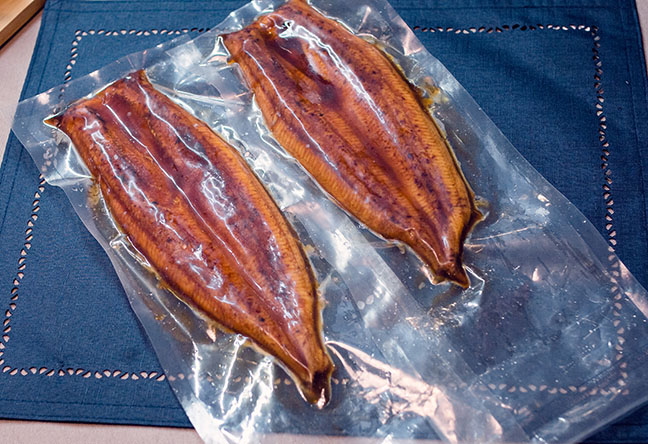
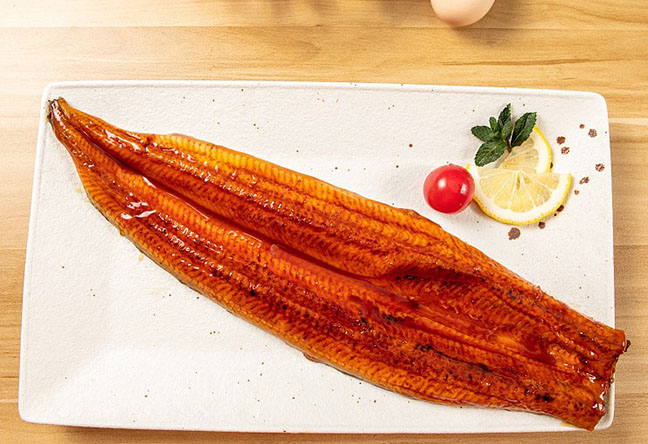
These are starting ranges, not universal standards. Test the plate your guest receives, then calculate food cost using the actual serving weight. If you serve frozen unagi kabayaki, keep the sauce level compatible with the fish’s existing seasoning. A heavily salted eel paired with too much tare can bury its natural flavor.
For a warm service bottle, keep only a working quantity on the line and replenish it according to your food safety procedure. Mark bottles by time when required. Wash, rinse, sanitize, and fully dry them before reuse.
First, check whether the soy sauce brand changed. Then check evaporation. Sauce reduced past its target weight will concentrate both salt and sugar. Do not dilute a finished production batch without recording the adjustment, since added water changes flavor, viscosity, and storage conditions.
Check the finished weight and cooling temperature first. Warm sauce is naturally thinner. If it still seems thin after cooling, reduce a measured portion and compare it with the standard sample. Cornstarch is not typical in classic tare and can create a different mouthfeel, so use it only when your menu specification calls for it.
Fresh ingredients and a correct ratio do not always guarantee full flavor. Check the quality and age of the mirin and sake. Some products labeled “mirin-style seasoning” contain salt or other ingredients. Read the label, then adjust the formula only after a controlled tasting.
This is common when sugar concentration is high. Gently warm the amount needed for service and stir. Avoid reheating the entire batch repeatedly, as this can darken and thicken the sauce over time.
Avoid this mistake: adding raw eel scraps to a sauce, then storing it as though it were a plain condiment. That changes the product and its hazard profile. If your restaurant uses an eel-bone tare, treat it as a separate documented recipe.
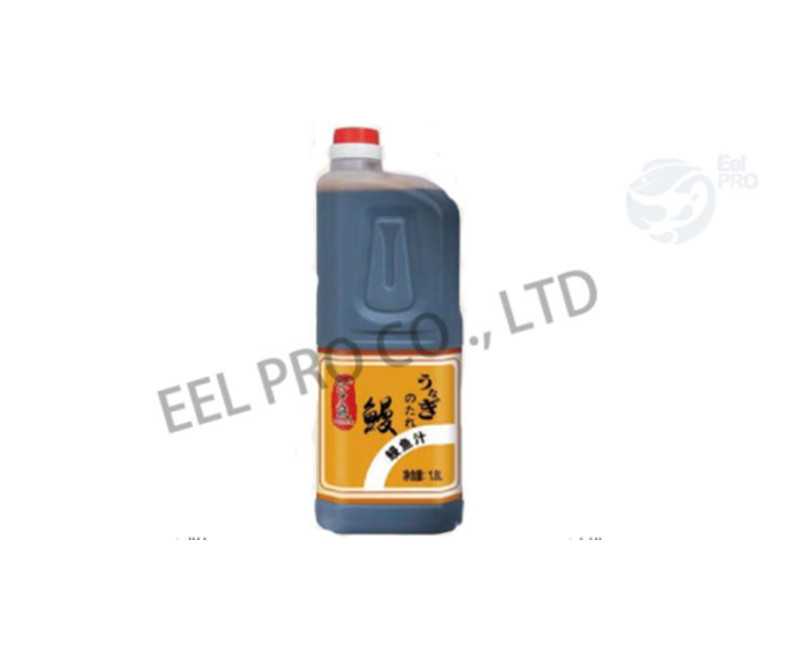
A house-made sauce can give a restaurant a distinctive flavor and a strong sense of craft. It may be a good fit for a small menu with steady demand. A commercial unagi sauce can be more practical when several branches need the same flavor, trained kitchen time is limited, or demand fluctuates sharply from day to day.
When comparing a ready-made foodservice eel sauce, ask for:
Ingredient and allergen information
Pack size and case quantity
Lot or batch traceability
Recommended storage after opening
Serving and application suggestions
Target viscosity and flavor profile
Ready-made sauce does not eliminate the need for safe handling. Follow the supplier’s instructions, protect opened containers, and use clean dispensing equipment.
Eelpro Co., LTD supplies eel sauce alongside frozen seafood and freshwater eel products for overseas buyers. If you are developing an eel menu, you can also compare sauce applications in our guide to kabayaki sauce. For another service idea, see our eel noodle soup recipe.
The yield depends on starting weight, evaporation, straining, and transfer loss. In the example above, 1,080 g of ingredients is reduced to a 1,000 g finished batch. If 20 g remains in the pot and strainer, the usable yield is 980 g.
At 15 g per portion, that batch provides approximately 65 portions. At 20 g per portion, it provides approximately 49 portions. Measure your own batches, as pan size and heat level can affect the result.
You can test a substitute, but the flavor and sweetness will change. Mirin-style seasoning may contain added salt, so check the label before changing the soy sauce level. Record the substitution on the production sheet and conduct a tasting before service.
It can be used either way. Warm sauce spreads easily over grilled eel and rice, while cold sauce is thicker and works well as a finishing drizzle. Warm only the amount required for the service period, and follow your local temperature-control procedure.
Yes. Use a lighter portion for sushi rolls so the sauce does not overpower the filling. For eel noodle soup, add the tare carefully because the broth may already contain soy sauce or other salty ingredients. Taste the finished dish, not just the sauce.
Prepare both sauces at the same service temperature and use the same eel portion, rice weight, and sauce quantity. Compare color, sweetness, saltiness, viscosity, aroma, and plate cost. A blind tasting can help the team focus on performance rather than packaging.
A dependable foodservice sauce starts with a measured ratio, a finished-weight target, safe cooling, and disciplined portion control. Begin with a small test batch, record the results, and scale only after the flavor works with your actual eel and menu.
For a steady supply of frozen unagi kabayaki, eel sauce, frozen seafood, and freshwater eels, contact Eelpro Co., LTD. Tell us your pack size, menu application, and expected volume. We can help you compare a house-made recipe unagi sauce with a ready-made option for your operation.
 WhatsApp
 sales@chinaeels.com
 +8619937922411