





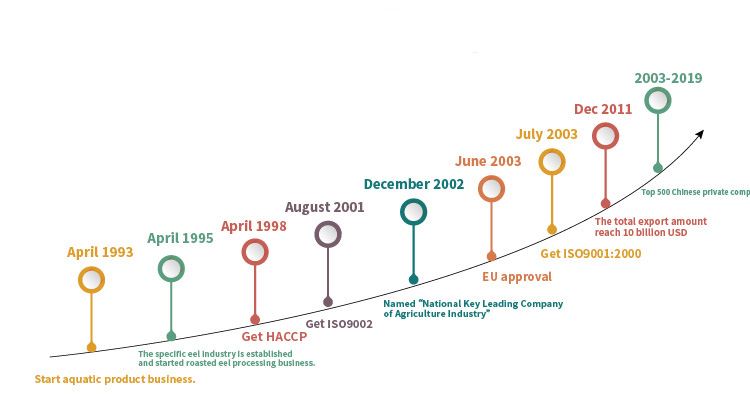
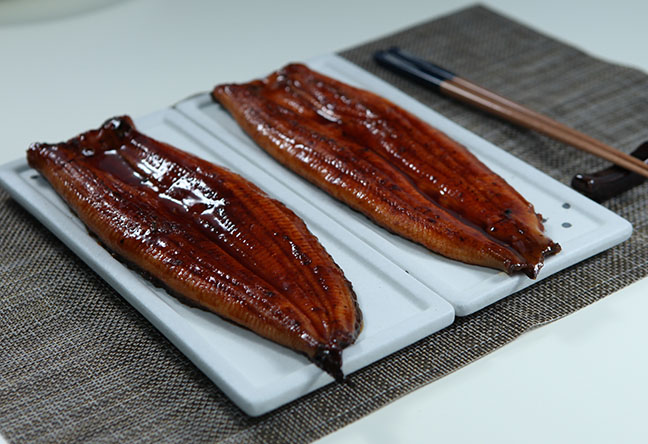
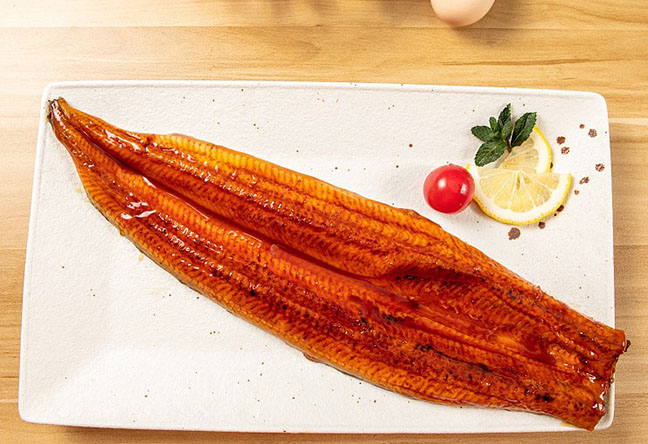
Picture this: it’s Friday night. You’ve pulled a gorgeous pack of frozen unagi kabayaki from the freezer. The grill is hot. But the sauce bottle is empty. You forgot to buy more.
We know that moment. It stings. But here’s the fix—keep a batch of your own eel sauce recipe ready. Make it once, store it right, and you’ll never stare at a dry bottle again. This guide walks you through every step, from homemade unagi sauce to smart storage that preserves its thick, glossy soul.
Store-bought eel sauce (unagi tare) is convenient, sure. We make a professional eel sauce ourselves for that exact reason. But a homemade unagi sauce lets you tweak sweetness, salt, and depth until it matches your cooking style. Want a smokier note? Add a drop of charred soy. Prefer a lighter glaze? Dial back the sugar. You’re the boss.
For foodservice kitchens, having a stable, pre-made tare cuts service time dramatically. A consistent sauce base means every plate of unagi don gets the same lacquered sheen without a last-minute scramble.
Most versions share a backbone of soy sauce, mirin, sake, and sugar. Some add dashi or eel broth for extra umami. Here’s a reliable ratio we’ve used for years:
½ cup soy sauce (usukuchi for a lighter salt, standard for more punch)
½ cup mirin
3 tablespoons sugar
2 tablespoons sake
2 tablespoons eel broth or strong dashi (optional, but it makes a difference)
Combine everything in a small saucepan. Simmer gently for 10 to 12 minutes, stirring often. The sauce will reduce and coat the back of a spoon. Don’t let it boil hard—high heat can turn the sugar bitter. Once it’s thick enough to leave a trail when you drag a spatula through, pull it off the heat.

Before you even think about putting a lid on that pot, cool the sauce correctly. Hot sauce trapped in a container builds condensation. Water droplets drip back down, thinning the glaze and inviting spoilage.
We always cool unagi tare the same way: pour it into a shallow metal bowl or a wide glass dish. Place that bowl over an ice water bath and stir for a couple of minutes. The sauce drops to room temperature fast, usually under 15 minutes. Don’t walk away—cooling uncovered at room temperature for hours is a food safety gamble.
A cold fact: that high sugar content? It’s a natural preservative, but it also causes rapid scorching when reheated carelessly. Keep the heat gentle when you bring it back to life.
Glass jars with airtight lids outperform plastic every time. Plastic can absorb odors and leach subtle flavors into your sauce over weeks. A clean Weck jar or a simple mason jar does the job. For professional kitchens, 500 ml squeeze bottles with tight caps work brilliantly—just make sure the sauce is fully cooled before filling to avoid warping.
In our experience, well-made eel sauce stays fresh for 2 to 3 weeks in the refrigerator at 4°C (39°F). Label the jar with the date you made it. You don’t need complex preservatives—the sugar, salt from soy sauce, and mirin’s alcohol all act as barriers to bacterial growth. That said, if you spot any mold, off smell, or separation that won’t mix back in with a stir, toss it. No sauce is worth a food safety risk.
If you use a spoon to scoop sauce directly from the jar, never return unused sauce to the jar. That’s a common home cook trap. Pour what you need into a separate bowl. That simple habit easily doubles your eel sauce shelf life.
Freezing extends your homemade unagi sauce to 3 months with almost zero quality loss. The trick is preventing freezer burn and ice crystal formation.
Pour cooled sauce into an ice cube tray. Each cube will be roughly 1 to 2 tablespoons—perfect for glazing a single portion of unagi or tossing with noodles. Once frozen solid, pop the cubes into a zip-top freezer bag, squeeze out all the air, and label it. When you need sauce, grab exactly how many cubes you need. No more thawing a whole jar only to re-freeze the leftovers. That repeated thermal abuse is what kills texture.
For larger batches, fill a small freezer-safe container, leaving ½ inch of headspace for expansion. Press a piece of parchment paper directly onto the surface before sealing the lid. It blocks air contact and stops an icy crust from forming.
Getting the consistency back is where many stumble. Microwave on full power will scorch the sugars at the edges while leaving the center cold. You end up with a grainy, separated mess.
Here’s our method:
From frozen cubes: place them in a small saucepan with a teaspoon of water. Warm over the lowest possible heat, stirring constantly. The water evaporates and helps loosen the thick sauce.
From the fridge: a double boiler is your best friend. Set a heatproof bowl over barely simmering water and stir until the sauce is fluid again. It takes about 3 minutes for a ½-cup portion.
Never let the sauce come to a rolling boil during reheating. The high sugar content can cross over into caramel territory fast, leaving you with a bitter glaze. Keep the temperature gentle, and resist the urge to crank up the flame to rush things.
If you run a Japanese restaurant or a busy catering kitchen, scaling this eel sauce recipe changes nothing about the technique but everything about your workflow. Multiply the ratios freely—a 5-quart batch still simmers in 20 to 25 minutes over medium-low.
Immediately after cooling, portion the sauce into dated squeeze bottles for the line and freeze the rest in flat, 1-quart vacuum bags. Lay the bags flat in the freezer so you can snap off a piece as needed. That flat-freeze method saves space and thaws quickly in a warm water bath.
One trap we’ve seen kitchens fall into: reheating the entire batch every day for service. Instead, only thaw what you’ll use within 2 days. The quality stays consistent, and you avoid the slow degradation that comes from daily temperature cycling.
For home cooks who prep Sunday meals for the week, the ice cube tray trick is gold. Pop 2 cubes into a small pan, add a splash of water, and you’ve got an instant glaze for grilled salmon, beef skewers, or even drizzled over a bowl of eel noodle soup.
In the fridge, 2 to 3 weeks if stored in an airtight glass container at or below 4°C (39°F). Always use a clean spoon to remove what you need—never dip directly into the jar with anything that’s touched other food.
Absolutely. Freeze it in ice cube trays or small airtight containers for up to 3 months. The texture after thawing is almost identical to fresh, provided you reheat gently (see our reheating tips above). Avoid refreezing thawed sauce to maintain peak quality.
Use a double boiler or the lowest stovetop setting with a teaspoon of water. Stir often. Don’t microwave unless you’re doing it in 10-second bursts at 50% power and stirring in between. The goal is to warm it just until fluid, never to a sizzling boil.
A reliable eel sauce recipe turns a plain Tuesday night into a rich, restaurant-worthy meal. The glaze that makes unagi unforgettable doesn’t need to be rushed at the last minute. Make a batch, cool it smart, stash it in the freezer, and you’re always 5 minutes away from that glossy, savory-sweet finish.
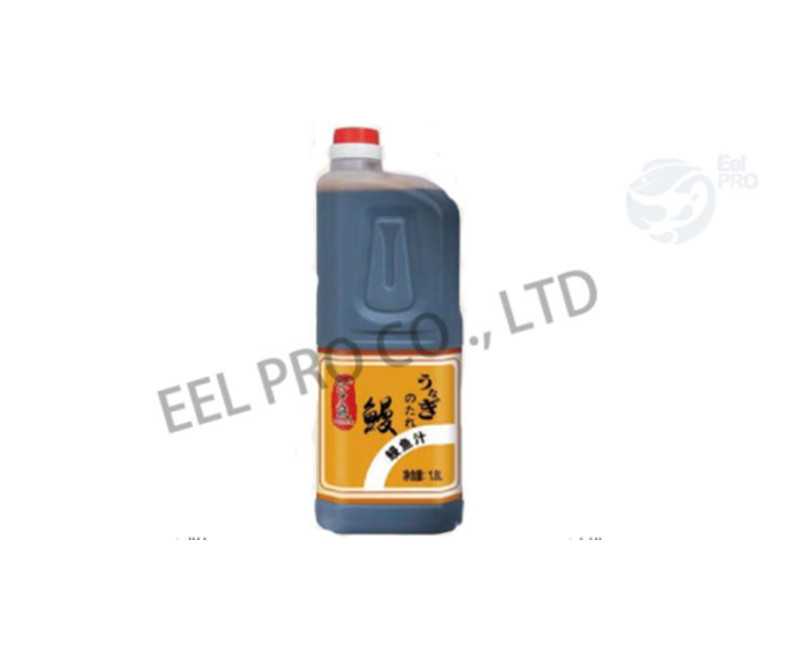
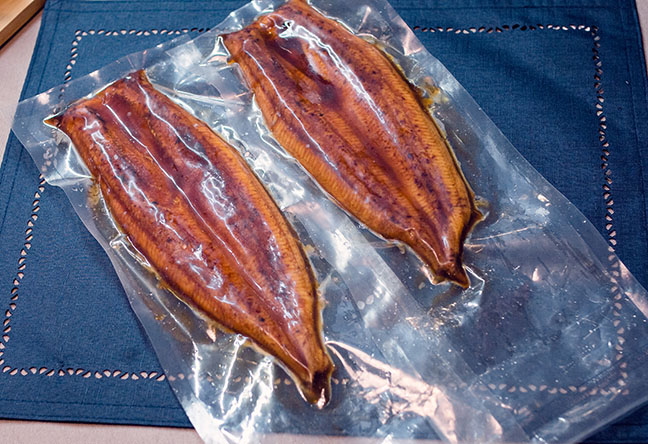
Of course, we’re a little biased. Our own eel sauce is crafted for export kitchens and home cooks who want instant, consistent quality. And if you’re pairing that sauce with the best possible unagi, our unagi kabayaki ships frozen straight from our facility to chefs worldwide.
What’s your go-to trick for storing sauces? Share your method in the comments below—we’d love to hear it. And if you’re curious about the science of what makes a great kabayaki sauce tick, take a peek at why our kabayaki sauce is the secret weapon in professional kitchens.
Stock your fridge, not your anxiety. A little prep goes a long way.
[xss_clean] { "@context": "https://schema.org", "@type": "FAQPage", "mainEntity": [ { "@type": "Question", "name": "How long does homemade eel sauce last?", "acceptedAnswer": { "@type": "Answer", "text": "In the fridge, 2 to 3 weeks if stored in an airtight glass container at or below 4°C (39°F). Always use a clean spoon to remove what you need." } }, { "@type": "Question", "name": "Can you freeze eel sauce?", "acceptedAnswer": { "@type": "Answer", "text": "Absolutely. Freeze it in ice cube trays or small airtight containers for up to 3 months. Thawed texture is almost identical to fresh if reheated gently." } }, { "@type": "Question", "name": "How to reheat eel sauce without changing its texture?", "acceptedAnswer": { "@type": "Answer", "text": "Use a double boiler or the lowest stovetop setting with a teaspoon of water. Stir often. Avoid high heat—sugar scorches easily, turning the sauce grainy." } } ] } [xss_clean]
 WhatsApp
 sales@chinaeels.com
 +8619937922411