





You’ve got 200 guests and a menu that promises something unforgettable. Plating delicate eel dishes for that crowd? It sounds like a logistical nightmare. But it doesn’t have to be.
Eel recipes, especially those built around frozen unagi kabayaki, are actually some of the most caterer-friendly options you can choose. We’ve watched banquet kitchens turn out glistening eel bowls faster than steak platters — once they nail the prep. The secret is in the ingredient itself: pre-grilled, pre-sauced, and shock-frozen at peak texture. You’re not starting from raw fish. You’re finishing a near-perfect product with just heat and timing. That’s why high-volume catering eel recipes deserve a permanent spot in your rotation.
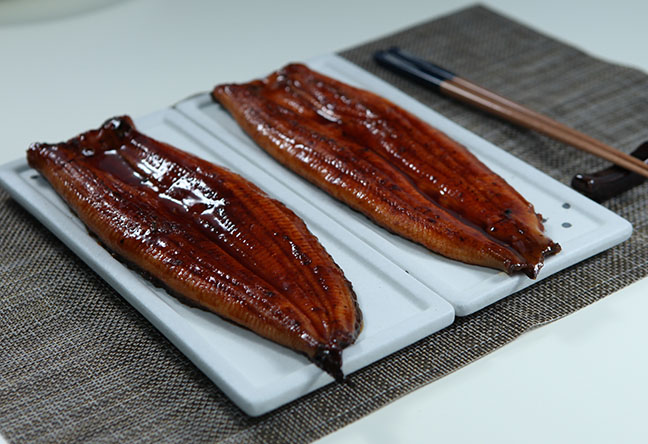
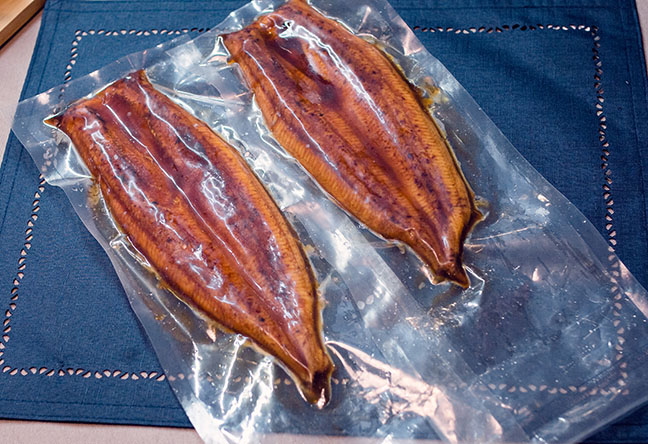
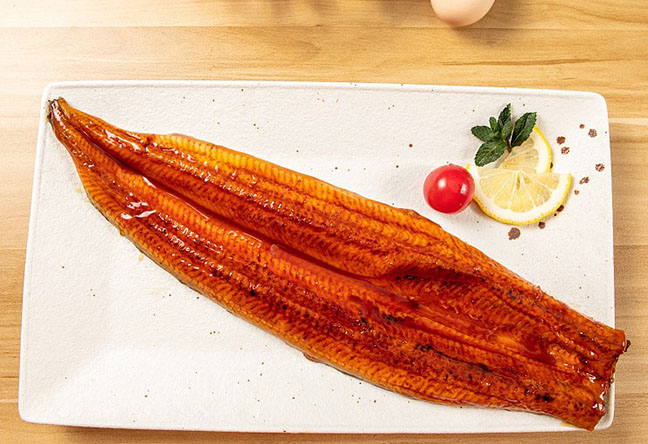
Most chefs think eel is fiddly. Freshwater eel has a reputation for being labor-heavy — killing, filleting, skewering, basting. With frozen unagi kabayaki, you skip all of that. The filets come already grilled with a thin layer of tare, vacuum-sealed, and frozen in stacks. You can take them straight from freezer to oven or grill without thawing, though we recommend a short defrost for the best glaze control.
In a high-volume setting, that predictability is gold. One tray holds 20 to 30 portions, each piece weighing between 80g and 120g. Portioning becomes a matter of counting, not scaling fish. And because the eel is fully cooked, you’re just reheating with a finishing glaze. No raw protein cross-contamination risk. No delicate flesh falling apart on the plancha. This is why bulk eel dishes are quietly taking over catering kitchens — they slash prep time and deliver a product that looks far more expensive than the labor it requires.
Cold knowledge: The sweet soy glaze on kabayaki is a natural insulator. Once heated, the sauce holds surface temperature far longer than a naked protein. That means eel pieces at a buffet station stay warm and glossy for up to 15 minutes under a standard heat lamp without drying out — much longer than grilled chicken or beef slices.
The easiest mistake with foodservice unagi recipes is treating every fillet the same. Frozen kabayaki pieces vary slightly in thickness, especially near the tail. For buffet bowls or bento boxes, aim for a standard cut weight of 60g to 80g per serving. Weigh them after defrosting in the refrigerator overnight (12–14 hours at 4°C). For à la carte plated meals, you might go up to 100g–120g.
If you’re in a rush, you can lay fillets on sheet pans and thaw at room temperature for about 45 minutes, but don’t let them sit beyond 90 minutes. The internal temp should stay below 8°C before heating. Once thawed, transfer immediately to a lined tray, brush lightly with additional eel sauce if you want extra sheen, and they’re ready for the oven.
This is where many catering eel recipes go wrong. High, direct heat burns the sugars in the tare before the eel warms through. You end up with a charred, bitter crust and a lukewarm interior. We’ve tested this exhaustively in our demo kitchen.
The sweet spot: preheat a convection oven to 180°C (350°F). Place eel pieces skin-side down on parchment. Heat for 6 to 7 minutes, then flip and heat another 2 minutes. No more. For a charcoal-grilled effect, finish under a salamander or broiler for 30–45 seconds just before plating. This sequence keeps the flesh juicy and the sauce lacquered, not burnt.
If you’re holding eel for a buffet line, stack perforated hotel pans over a shallow water bath at 65°C (150°F). Cover loosely with foil. The humid environment prevents the glaze from hardening. Stir-fried eel rice dishes can be held in a bain-marie at the same temp for up to an hour with almost no quality loss, provided you add a little extra eel sauce just before service.
The backbone of any eel menu ideas list. Build a station: one person lays steamed rice in bowls, another places a warm eel fillet on top, a third drizzles tare and sprinkles nori strips and white sesame. Output can exceed 200 bowls per hour with three staff. Pro tip: pre-portion rice in 180g scoops using a #6 disher. That consistency makes costing predictable.
Cut thawed kabayaki into 2.5 cm (1-inch) cubes. Thread three cubes onto 15cm bamboo skewers. Brush with a blend of our eel sauce and a touch of mirin, then flash under the broiler for 90 seconds. Serve on slate boards with pickled ginger. These hold well under a heat lamp and are easy to pass during cocktail hour. One 1kg bag of kabayaki yields about 40–45 skewers.
Day-old jasmine rice works best. For every 500g of rice, use 120g of diced eel, 2 tablespoons of our tare, and a splash of soy. Sauté on a flat-top griddle at high heat. The key is adding the eel at the very end, just to warm through, preserving distinct chunks. This dish became a staple at several hotel chains we supply; it holds for 45 minutes in a covered chafer without turning mushy. It’s one of the most forgiving bulk eel dishes you’ll ever cook.
For boxed lunches, press a layer of seasoned rice into a mold, lay a whole fillet of unagi on top, press again, then cut into 8 equal rectangles. Drizzle with a reduced tare glaze that’s been simmered for 2 minutes to thicken. The slightly firmer texture of pressed sushi holds shape for hours, making it a reliable prep-ahead option.
If you’re looking for a comforting soup option, check out our guide to making eel recipes for noodle soup that scales beautifully. The broth — a clean dashi with a drip of our tare — can be prepared in 20-liter batches and gently poached eel slices added per order. This is especially popular for corporate lunches where guests queue for a warming bowl.
The visual appeal of unagi is the lacquered surface. Nothing spoils foodservice unagi recipes faster than dried-out, cracked sauce. Our kabayaki sauce is formulated to retain a higher moisture content than traditional homemade tare, so it’s less prone to turning brittle under heat. Still, a few tricks help.
Pitfall to avoid: Do not glaze eel too far ahead. Apply a final brush of sauce no more than 2 minutes before serving. If you’re holding pieces in a warmer, keep a small pot of diluted tare (2 parts sauce, 1 part hot water) on the side. A quick dip of the fillet right before plating revives the shine instantly. The same trick works wonders for eel fried rice that’s been sitting — a couple of spoonfuls of this thinner sauce tossed in right at the last minute brings the dish back to life.
How to portion eel for foodservice usually trips up new caterers. Over-portion and your food cost spikes; under-portion and you’ll hear about it. Here’s what works based on our supply data from dozens of restaurant clients:
Appetizer or bento side: 40g–50g per person
Main course donburi: 80g fillet plus rice and toppings
Plated entrée with sides: 100g–120g
Buffet fried rice: 30g–40g eel per 200g rice portion
To calculate cost per cover, factor in that our frozen kabayaki has zero trim loss. You’re not paying for head, bones, or skin you can’t use. And because the product is individually quick-frozen, you don’t need to thaw an entire case at once — just the amount you plan to serve. This reduces waste dramatically, especially on menus where eel is one of several protein choices.
Pairing eel with our ready-to-use eel sauce completes the picture. The sauce doubles as a marinade for vegetable sides, a finishing glaze for grilled onigiri, and a dipping sauce for tempura. One 1.8-liter bottle covers roughly 120 to 140 donburi servings, making it extremely cost-effective for high-volume kitchens.
Focus on recipes that can be mostly pre-assembled and require only a final heat step. The donburi station and pressed sushi tray methods we described let you batch all components hours before service. Hot toppings, like the eel itself, are heated just before doors open. For 100+ guests, set up two identical plating lines rather than one — this halves the service time and reduces bottlenecks. And always keep a backup batch of eel in the warmer so you never run out mid-service.
Stick with familiar formats. Unagi fried rice is universally loved — it’s just “really good shrimp fried rice” but with eel. Skewered eel cubes are easy to eat standing up. And unagi donburi, despite being traditionally Japanese, reads like a comfort-food bowl. The sweet-savory glaze is almost barbecue-like, which appeals to a wide audience. If you’re concerned, label the station “Glazed Eel Rice Bowl” rather than “Unagi” and watch it become one of the most popular items.
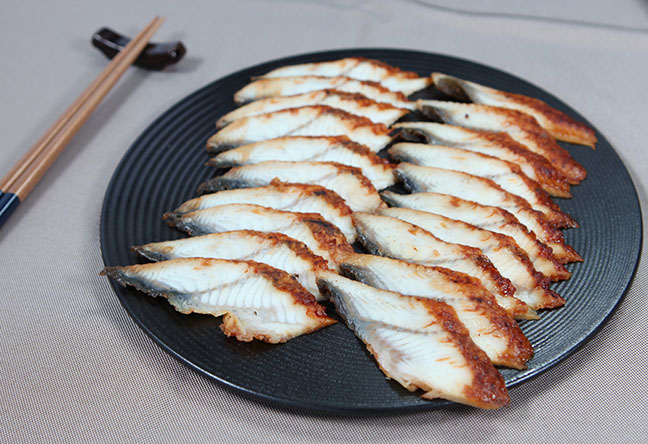
For a buffet where guests self-serve, the best approach is to plate eel as a premium item at a manned station. This controls portion size and preserves presentation. If it must be self-serve, cut kabayaki fillets into 4 equal strips and arrange them side-by-side with tongs. Place a sign suggesting “1–2 pieces per guest.” In our experience, guests take slightly less than an unrestricted whole fillet, and you’ll see about 65g per person average consumption. Track it for a few events and adjust accordingly.
Rolling out a new menu item always carries a bit of risk. With unagi, you’re offering something that feels special but doesn’t demand more from your brigade than a chicken dish. We’ve seen caterers triple their eel orders after a single successful wedding brunch. It’s that kind of showstopper.
If you’re curious about how our frozen kabayaki or eel sauce can fit your specific service style — whether it’s a 500-person corporate gig or a weekly bento box delivery — reach out. We’ve probably solved a challenge similar to yours. Ask for a sample, test a batch in your oven, and see how easy these catering eel recipes really are. And if you’ve got a killer eel dish that your clients rave about, drop it in the comments below. We’re always eager to hear how chefs are making unagi their own.
Want more behind-the-scenes technique? Read why our kabayaki sauce grips the fillet far better than traditional recipes, or explore our full unagi kabayaki specifications to order the right cut for your kitchen.
[xss_clean] { "@context": "https://schema.org", "@type": "FAQPage", "mainEntity": [ { "@type": "Question", "name": "How to prepare eel recipes for large groups without last-minute chaos?", "acceptedAnswer": { "@type": "Answer", "text": "Focus on recipes that can be mostly pre-assembled and require only a final heat step. The donburi station and pressed sushi tray methods let you batch all components hours before service. For 100+ guests, set up two identical plating lines to halve service time, and keep backup eel warm so you never run out." } }, { "@type": "Question", "name": "What eel dishes work best for catering menus that include children or guests new to Japanese food?", "acceptedAnswer": { "@type": "Answer", "text": "Stick with familiar formats like unagi fried rice, skewered eel cubes, and unagi donburi. The sweet-savory glaze resembles barbecue, making it approachable. Label the station 'Glazed Eel Rice Bowl' rather than 'Unagi' for wider appeal." } }, { "@type": "Question", "name": "How to portion eel for foodservice when serving a mixed buffet?", "acceptedAnswer": { "@type": "Answer", "text": "For self-serve buffets, cut kabayaki fillets into 4 equal strips and suggest 1–2 pieces per guest. This usually results in about 65g per person average consumption. Track usage and adjust for subsequent events." } } ] } [xss_clean]

 WhatsApp
 sales@chinaeels.com
 +8619937922411