

Fix Unagi Nigiri Topping with This Unagi Sushi Recipe
Your unagi looks perfect for one second, then slides off the rice as soon as the plate moves. The problem is rarely the eel alone. In a reliable unagi sushi recipe, the rice surface, eel moisture, and tare placement must work together.
Unagi nigiri should feel soft and glossy, not slippery or overloaded. When the topping falls away, many home cooks add more sauce. That usually makes the problem worse. Extra tare creates a slick layer between the eel and rice, especially when the rice is too cool or the eel is still wet from thawing.
This unagi sushi recipe focuses on assembly control rather than complicated restaurant equipment. You will learn what to inspect first, what each symptom means, and how to correct the nigiri without turning it into a sweet, soggy bite.
Diagnose the Slide Before Adding More Sauce
The fastest fix is to check the rice first, then the eel, then the sauce. This order matters because rice provides the contact surface. If the rice is dry, cold, or shaped too loosely, even a well-prepared piece of eel will drift. A good unagi sushi recipe treats the topping and rice as one assembled piece.
| Check Order | What You See | Likely Cause | Immediate Fix | When This Fix Will Not Help |
|---|---|---|---|---|
| 1. Rice surface | Rice grains look dry or separate when lifted | The nigiri was shaped too loosely or the rice has cooled too far | Shape a slightly firmer rice base with a gentle top curve | It will not solve eel that is wet or heavily sauced |
| 2. Eel underside | Liquid collects under the eel or runs onto the plate | Surface moisture from thawing or reheating | Blot the underside carefully before assembly | It will not solve rice that is too cold and dry |
| 3. Tare placement | Eel shines heavily and shifts at the first touch | Sauce was brushed between eel and rice | Brush tare only on the top of the eel after placement | It will not help if the eel piece is much wider than the rice |
| 4. Eel shape | One end hangs over and pulls the piece sideways | The eel strip is too long, too thick, or unevenly cut | Trim or cut to match the rice footprint | It will not correct excess moisture or sauce |
Start with the simplest test. Put a dry piece of warmed kabayaki on fresh rice with no tare between them. If it stays in place, the main issue was sauce placement. If it still slides, inspect the rice shape and eel moisture next. This is a practical way to improve an unagi sushi recipe without guessing.
How Rice Temperature, Eel Moisture, and Tare Placement Prevent the Topping from Slipping Without Using Excess Sauce
The answer is balance. Rice should be warm and lightly tacky, the eel underside should be dry enough to grip, and tare should sit on top of the eel rather than beneath it. This method fits home sushi makers who want a clean bite and a neater plate. It does not apply when you deliberately want a very saucy rice bowl; nigiri needs a drier contact point.
In an unagi sushi recipe, warm rice has a soft, slightly adhesive surface. It gently holds the eel without needing glue-like sauce. Rice that is steaming hot can soften the eel too much and encourage moisture. Rice that is refrigerator-cold becomes firmer, drier, and less able to hold the topping.
| Assembly Factor | Best Judgment Criterion | Why It Prevents Slipping | Common Wrong Move |
|---|---|---|---|
| Rice temperature | Warm to the hand, not steaming and not cold | The surface remains tender and lightly adhesive | Using chilled leftover rice straight from storage |
| Rice shape | A compact oval with a gentle crown, not a flat brick | The eel rests over a small curved contact area instead of a slick flat surface | Pressing rice so hard that grains become dense and dry |
| Eel moisture | No visible beads of liquid on the underside | Direct eel-to-rice contact gives better friction | Putting thawed eel directly on rice without blotting |
| Tare placement | A thin brush on the exposed top surface after assembly | Flavor stays where it is wanted without lubricating the base | Pouring sauce across eel, rice, and plate |
A useful kitchen rule is simple: dry contact, glossy finish. Keep the underside dry. Keep the top attractive with a light glaze. That is the difference between controlled nigiri and a topping that skates across the rice.
If you use prepared unagi kabayaki, warm it according to its packaging instructions, then let any surface moisture settle before cutting. Do not rush it from heating directly to rice. A short resting moment lets excess steam escape instead of becoming water under the topping.
Build a Rice Base That Holds Eel Without Crushing It
The rice base is not just a small ball. It is a shaped support. For this unagi sushi recipe, form the rice into an oval that is slightly narrower than the eel slice. The conclusion is clear: the eel should overlap the rice a little, but it should not hang so far that its own weight pulls it down.
- Moisten your hands lightly. Wet hands prevent rice sticking to your fingers. Use only enough water to handle the rice; dripping-wet hands dilute the rice surface.
- Gather a small portion of seasoned sushi rice. Do not compress it at the start. Loose grains cannot support the eel, but overworked rice becomes heavy.
- Shape a compact oval. Make the top slightly curved. The curve gives the eel a centered resting point.
- Press only enough to hold the grains together. The rice should keep its form when lifted yet separate pleasantly when eaten.
- Compare rice width with eel width. Trim the eel when it is much wider than the rice base. A balanced footprint prevents one-sided sliding.
This method works best for standard nigiri served soon after assembly. It is less suitable for a platter held for a long time, because rice naturally firms as it cools. For longer service, assemble smaller batches rather than making every piece far in advance.
A dependable unagi sushi recipe also avoids a perfectly flat rice top. Flat rice encourages a flat, slick contact layer. A modest curve gives the eel a place to settle, especially when the slice is soft and rich.
Prepare the Eel So the Underside Stays Dry and Even
Frozen roasted eel is convenient, but thawing and warming can leave moisture on the surface. The best correction is not aggressive drying. It is gentle blotting. Press a clean paper towel against the underside and edges of the eel, then lift it away. Do not rub hard enough to tear the tender flesh.
For an unagi sushi recipe, cut the eel after warming, not when it is rigidly frozen. A warmed piece is easier to portion into even strips and has less risk of cracking. However, do not cut it while it is excessively soft or dripping. If it bends heavily and leaves moisture on the board, blot first and allow it to settle.
- Use an even strip: A uniform piece lies flatter on the rice. This fits soft kabayaki with a clean, consistent cut. It will not correct loose rice.
- Remove ragged edges: Torn edges trap sauce and moisture. Trim them for a cleaner base. Do not over-trim if you need a larger topping for a broad rice shape.
- Check for a thick end: A thick end may tip the eel sideways. Place the heavier end toward the center of the rice or cut a shorter piece.
- Keep skin and flesh intact: A broken strip is harder to position. If the eel is delicate, use a wider, shorter cut instead of a long narrow ribbon.
For more preparation ideas beyond nigiri, see this how to cook eel guide. The same principle applies: handle roasted eel gently after heating so its texture remains intact.
Place Tare on Top Instead of Turning It Into Adhesive
Tare adds shine, aroma, and the sweet-savory finish people expect from unagi. It is not meant to act as glue. In fact, using it as glue is one of the most common failures in an unagi sushi recipe. Sauce between the eel and rice creates a smooth layer with very little grip.
Place the eel on the rice first. Make a small adjustment while both surfaces are still dry. Then brush a thin layer of tare over the top. Keep the brush moving from one end to the other instead of leaving a pool in the center.
This approach suits kabayaki nigiri, where the topping should look lacquered but the rice should remain distinct. It does not apply to eel rice bowls, where sauce can intentionally reach the rice. If you want a bolder flavor without making the nigiri slippery, serve a small amount of extra sauce on the side.
You can compare ready-to-use options on our eel sauce page, or review why brushing technique matters in our kabayaki sauce article.
Avoid These Mistakes When Your Nigiri Still Falls Apart
If your unagi sushi recipe still fails after adjusting the rice and sauce, look for a combined error. Slipping often comes from two small issues at once: cool rice plus wet eel, or oversized eel plus heavy tare.
- Mistake: Using cold rice. Cold rice feels firm and separate. Use freshly prepared seasoned rice that is warm and workable. This is not a reason to use hot rice that produces visible steam.
- Mistake: Pouring tare from the bottle. A pour is difficult to control and often reaches the rice. Brush a thin top layer instead. A pour may suit a bowl dish, not neat nigiri.
- Mistake: Skipping the moisture check. Eel can look dry on top while its underside remains wet. Always inspect the contact side before placement.
- Mistake: Making the rice base too large. A very large base invites extra sauce and makes the bite awkward. Match the rice to the eel cut rather than stretching the topping.
- Mistake: Holding finished nigiri too long. Rice changes as it sits. Assemble close to serving when possible. This limitation matters most for home parties and buffet-style plating.
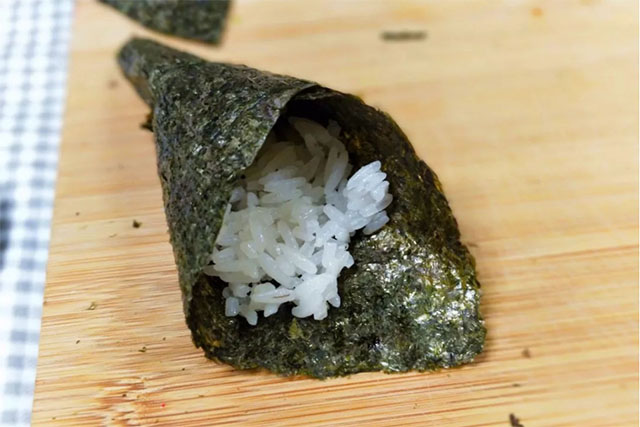
Kitchen fact: A thin strip of nori can support unagi nigiri when used as a deliberate finishing detail. It is useful when you need extra security for a soft or wide eel slice. But it should not hide poor rice texture, wet eel, or excessive tare. Fix those first.
Use a Simple Home Test Before Serving a Full Plate
Before making a dozen pieces, test one nigiri. This small check saves ingredients and helps you identify whether your unagi sushi recipe is ready for plating.
- Form one rice oval with a gently curved top.
- Place one blotted eel strip on the rice without sauce underneath.
- Lift the nigiri gently from the sides.
- Move it from board to plate once.
- Brush the top with a thin layer of tare.
- Pick it up with chopsticks or fingers and observe whether the eel remains centered.
If the eel stays centered during that test, continue with the rest of the batch. If it slips before the tare is added, the issue is rice shape or eel moisture. If it slips only after glazing, reduce the amount of sauce and keep it away from the contact area.
For home cooks who also want to make rolled eel sushi, this eel sushi roll recipe offers another way to use kabayaki with cucumber and rice.
Choose Eel Cuts That Make Nigiri Assembly Easier
Even slicing makes a visible difference. For a stable unagi sushi recipe, choose eel portions that can be cut into consistent strips with a clean underside. Uneven chunks are better suited to rice bowls, chopped toppings, or other dishes where the rice does not need to support one continuous piece.
Eelpro supplies frozen roasted eel made with a 4-layer soy-sauce coating process and supports custom cutting specifications including sushi slices, strips, chunks, dicing, and shredding. The facility is certified to ISO 22000:2018, HACCP, and HALAL requirements, with full-chain traceability from customs-registered eel farming bases through shipment. For home-style nigiri, the practical benefit is simple: select a consistent sushi-slice format when available, rather than trying to force an uneven piece onto a small rice base.
The company operates 2 modern production lines with an annual finished-goods capacity of 4,000 tons, supported by a 1,000-ton cold storage facility. These production details matter more to foodservice buyers and importers than to a single home plate, but they are useful when selecting frozen eel for menus, retail programs, or larger catering needs.
Try the rice-and-eel test on your next plate, then request a product specification or sample advice from Eelpro for kabayaki cuts that suit your preferred nigiri style.