

Stop Homemade Eel Sauce From Turning Grainy Before It Ruins Your Glaze
Your sauce looked glossy in the pan, then cooled into a sandy, dull mess. That frustrating texture usually means your homemade eel sauce has started to form sugar crystals, not that the whole batch is beyond saving.
A good unagi glaze should pour in a slow ribbon, cling to grilled eel, and leave a shiny finish on rice. When homemade eel sauce feels gritty on the tongue or shows pale crystals around the pan edge, the problem normally comes from concentration, heat, cooling, or stirring at the wrong moment.

The good news is simple: most grainy batches can be repaired while they are still fresh. The key is diagnosing the symptom before adding more ingredients. A grainy sauce needs a different fix from a burnt sauce, an overly thin sauce, or a glaze that has separated after refrigeration.
Diagnose the Problem Before You Try to Fix Homemade Eel Sauce
Do not immediately add water, sugar, or soy sauce. Look at the sauce first. The appearance and texture tell you what happened. For homemade eel sauce, the first check should always be whether the graininess is caused by sugar crystals or by scorched solids.
| What You See or Taste | Most Likely Cause | What to Check First | Best Immediate Response | When This Fix Does Not Apply |
|---|---|---|---|---|
| Fine sandy texture, but sauce smells sweet and savory | Sugar crystallization | Look for crystals on the pan wall, spoon, or lid | Warm gently with a small splash of liquid and dissolve crystals | Do not use this method if the sauce tastes burnt |
| Dark flecks and bitter smell | Scorched sugar or soy solids | Smell the sauce before stirring it | Transfer only the unburnt portion to a clean pan | A burnt flavor cannot be fully removed |
| Thick, sticky, but smooth | Normal reduction or over-reduction without crystallization | Check whether it becomes pourable when warm | Add a little liquid and warm gently | Do not add more sugar |
| Thin and watery, with no grit | Insufficient reduction or too much added liquid | Coat the back of a spoon and observe the flow | Reduce slowly in a wide pan | Do not boil aggressively to force thickness |
| Grainy only after chilling | Cooling-related crystallization | Check whether it smooths when warmed | Rewarm gently and avoid scraping crystals back in | Discard if there is an off odor or visible spoilage |
The practical conclusion is this: if the sauce is sweet-smelling, glossy in places, and gritty without bitterness, treat it as crystallized. If it smells acrid or tastes smoky in the wrong way, do not keep stirring from the bottom of the pan. That only spreads burnt particles through the batch.
For a richer reference flavor, compare your batch with a prepared eel sauce. This is especially helpful when you are unsure whether the issue is texture alone or whether saltiness and sweetness have also become unbalanced.
Why Sugar Concentration Pan Heat and Cooling Make Sauce Crystallize
Crystallization happens when dissolved sugar returns to solid crystals. In homemade eel sauce, sugar is held in a hot liquid made with soy sauce and other recipe ingredients. As water evaporates, the liquid holds more and more dissolved sugar. That concentration can become unstable.
Three things usually push the sauce over the edge: too much reduction, uneven pan heat, and disturbed cooling. None of these automatically ruins the flavor. Together, however, they make graininess much more likely.
| Factor | What Happens in the Pan | Warning Sign | How to Prevent It | How to Restore a Smooth Sauce |
|---|---|---|---|---|
| Sugar concentration | Water evaporates and the sugar becomes crowded in the liquid | The sauce turns very thick before cooling | Stop reducing when the glaze still flows easily while hot | Add a small splash of liquid, then warm slowly until clear |
| Pan heat | Hot spots cook the edges faster than the center | Sticky rings form around the pan wall | Use low, even heat and a pan with a heavy base | Move the sauce to gentler heat and dissolve edge crystals |
| Cooling | Cooling gives sugar molecules a chance to join into crystals | Graininess appears after the sauce is removed from heat | Let the pan rest without scraping dried syrup back inside | Warm only until the crystals disappear, then cool undisturbed |
| Stirring after reduction | Crystals on the spoon or pan wall seed more crystals | Graininess spreads after vigorous stirring | Swirl the pan lightly instead of scraping the sides | Use a clean utensil after reheating the sauce |
Think of the pan edge as the danger zone. Sauce splashed there loses moisture faster than the center. Once it dries into a sugar ring, scraping it back into the sauce can trigger more crystals. This is why a batch of homemade eel sauce may look perfect until the final few stirs.
Cold kitchen fact: a glaze can appear smooth while hot and still crystallize during cooling. Heat keeps sugar dissolved more easily. Cooling reveals whether the liquid has been reduced too far or contaminated by crystals from the pan wall.
Restore a Smooth Sauce With a Controlled Reheating Method
If your homemade eel sauce is grainy but not burnt, the repair should be gentle. The goal is not to cook it down again. The goal is to give the sugar enough moisture and mild heat to dissolve back into the sauce.
- Stop scraping the pan. Leave any dried crystals on the upper wall of the saucepan. Scraping them into the glaze can make the texture worse.
- Move the sauce to a clean pan if needed. This is useful when the original pan has a thick ring of hardened syrup or dark residue around the edges.
- Add a small splash of the liquid already used in your recipe. Choose the same type of liquid where possible so the flavor remains balanced. Add only enough to loosen the sauce, not enough to turn it watery.
- Warm over low, even heat. Stir slowly with a clean spoon only after the sauce begins to loosen. Fast boiling can drive off the new moisture before the crystals have dissolved.
- Watch for clarity. The sauce should change from cloudy or sandy to glossy. Rub a cooled drop between clean fingertips only after it is safe to handle. If it feels smooth, stop heating.
- Cool without agitation. Let the sauce settle. Do not keep stirring it as it cools, and do not drag the spoon around the pan wall.
This method fits a sauce that is gritty but still tastes balanced. It does not fix a sauce that has become bitter from burning. If the bottom smells scorched, carefully pour the upper sauce into a new pan without disturbing the bottom layer. Taste it. If bitterness remains, starting again is the better choice.
When a repaired batch is slightly thinner than planned, use it as a brushing glaze rather than forcing a second heavy reduction. Brushing several light layers onto grilled fish or vegetables often gives a better finish than one thick coating. The same approach works well with unagi kabayaki, where a glossy final layer matters more than a sticky, overly reduced coating.
Prevent Graininess in Your Next Batch
The best homemade eel sauce prevention plan is simple: dissolve sugar fully, manage the pan edge, and stop reducing before the sauce becomes candy-like. This suits home cooks making a sushi glaze, a donburi topping, or a brushing sauce for grilled eel. It is less useful when following a recipe designed specifically for a very thick syrup, where its own method should take priority.
- Begin with gentle heat. Let the sugar dissolve before the sauce reaches an aggressive boil. If grains remain at the start, they can become seeds for later crystallization.
- Choose a wider, heavier pan. A broad surface helps reduction happen more evenly. A thin pan can create hot spots that darken the edges before the center is ready.
- Swirl rather than scrape. Swirling redistributes heat without pulling dried sugar from the side of the pan into the liquid.
- Use clean tools. A spoon carrying dried sugar, rice grains, or sauce from an earlier batch can interfere with a smooth finish.
- Judge thickness after cooling. Sauce thickens as it cools. Stop while it seems slightly looser than the final texture you want.
- Keep the lid off during reduction. Condensation can run down the lid and wash concentrated sugar from the pan edge back into the sauce.
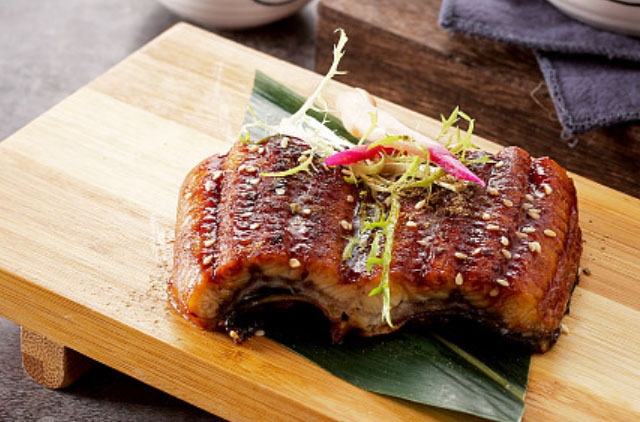
A common mistake is chasing a dramatic, very thick ribbon in the hot pan. That visual can be misleading. A sauce that barely moves while hot may set too thick after cooling and become grainy. For homemade eel sauce, a glossy coating that remains fluid is usually safer than a dense syrup that clings like candy.
Use the Right Sauce Texture for Sushi Rice Grilled Eel and Meal Prep
Not every dish needs the same finish. A smooth homemade eel sauce for sushi rolls should be pourable enough to drizzle in narrow lines. A grilled eel glaze can be slightly thicker because it needs to cling during brushing. For rice bowls, a looser sauce spreads through warm rice and reaches more of the bowl without making one spot overly sweet.
| Dish | Best Sauce Texture | How to Apply It | Texture to Avoid |
|---|---|---|---|
| Sushi rolls | Fluid and glossy | Drizzle after slicing for clean lines | Grainy sauce that catches in the rice |
| Grilled eel | Lightly coating | Brush in thin layers near the end of cooking | Heavy syrup that burns before it shines |
| Eel rice bowl | Pourable with gentle body | Spoon over eel and rice in separate passes | Overly thick sauce that sits in one sticky patch |
| Meal-prep dishes | Smooth after reheating | Warm gently before serving | Crystal-heavy sauce that turns dull when chilled |
If you are building a full eel meal, our guide to eel rice bowl toppings can help you pair the glaze with ingredients that bring freshness, crunch, or gentle acidity. A balanced bowl makes a sweet-savory sauce feel richer without needing a heavier coating.
For cooks who want to compare flavor direction, this kabayaki sauce article explains why layered savory-sweet notes matter when glazing eel. Eelpro uses a controlled four-layer soy-sauce coating process for export-grade roasted eel, while a home batch benefits from the same basic principle: build flavor gradually instead of reducing one thick, sugary layer too far.
Know When to Repair a Batch and When to Start Again
Save homemade eel sauce when it is grainy, smells clean, and becomes smoother with gentle warming. Start over when it has a strong burnt smell, bitter taste, or visible blackened particles throughout. This is not wasteful. A fresh batch is often faster than trying to hide burnt sugar under more soy sauce or sweetness.
For home cooks, the smartest habit is keeping notes after each batch: whether the sauce was stirred near the end, whether crystals appeared on the pan wall, and whether it became too thick before cooling. Those small observations make the next batch easier to control.
For foodservice buyers seeking a consistent unagi tare reference for menu development, request an Eelpro eel sauce specification sheet or sample guidance.