





Mastering Unagi Fried Rice Starts with the Right Ingredients
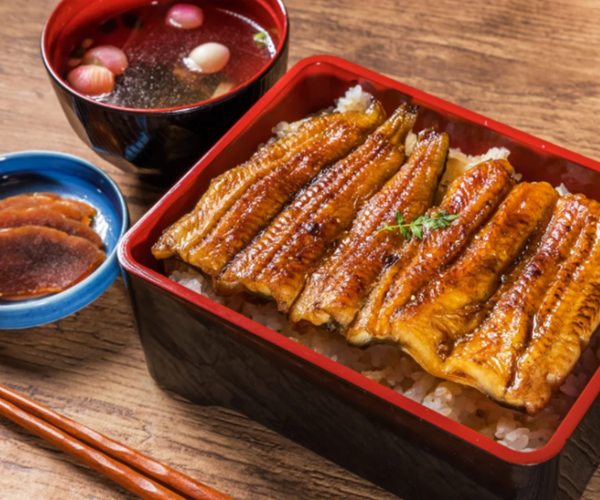
Why does restaurant-quality fried rice have perfectly separate, chewy grains while homemade versions often turn out mushy? The secret isn't just technique; it's the science of rice. For a dish like unagi fried rice, where the delicate, sweet glaze of the eel is the star, controlling moisture is everything. Using day-old, refrigerated rice is the single most important step. The chilled environment causes a process called starch retrogradation, where the cooked starch molecules recrystallize, expelling moisture and firming up each grain. This ensures the rice can withstand the high heat of the wok without clumping, allowing it to absorb the savory flavors of the eel and sauce perfectly.
As a quality specialist with over a decade in seafood export, I've seen how ingredient integrity dictates the final dish. A perfectly prepared frozen unagi kabayaki deserves a base that complements its texture and flavor, not one that compromises it. This guide breaks down the technical details for achieving that balance, ensuring every grain is perfectly cooked and every piece of eel retains its signature sweet and savory glaze.
Why Day-Old Rice is Non-Negotiable for Fried Rice
Using freshly cooked rice for fried rice is a common mistake that leads to a sticky, porridge-like texture. The high moisture content of warm rice causes it to steam in the pan rather than fry. This not only creates clumps but also prevents the rice from developing the desirable "wok hei" — the subtle, smoky flavor that comes from stir-frying at high temperatures. Day-old rice, having firmed up in the refrigerator, has a lower surface moisture content, allowing it to toast and separate beautifully in the pan.
To ensure your base is perfect, follow these guidelines. This isn't just about preference; it's about controlling variables to achieve a consistent, high-quality result every time, a principle we apply daily in our food production facility.
Common Rice Preparation Mistakes to Avoid
Achieving the right rice texture is a critical control point for this dish. Here are common failures and how to prevent them:
- Mistake 1: Using Fresh Rice. As discussed, its high moisture content will cause it to steam and clump. The grains will break apart and turn to mush.
- Correction: Always cook your rice at least one day ahead. Spread it on a baking sheet to cool quickly before refrigerating it uncovered for a few hours to help it dry out further, then cover it overnight.
- Mistake 2: Insufficiently Cooled Rice. Even day-old rice that hasn't fully chilled can retain residual warmth and moisture, leading to clumping.
- Correction: Ensure the rice is cold to the touch directly from the refrigerator. Break up any large clumps with your hands or a spatula before adding it to the wok.
- Mistake 3: Wrong Rice Variety. Very starchy, short-grain rice like that used for sushi can be too sticky, even when aged.
- Correction: Medium to long-grain rice, such as Jasmine or Calrose, works best. These varieties have a lower amylopectin content, which makes them less sticky and better suited for frying.
Our commitment to quality at Eelpro extends from our customs-registered eel farming bases to final processing. We understand that a premium ingredient requires precise preparation, and the right rice is the foundation for an excellent unagi fried rice.
How to Prevent Burnt Eel Glaze: Heat, Moisture, and Timing
The sweet, soy-based kabayaki glaze is what makes unagi so delicious, but it's also prone to burning due to its sugar content. Adding the glazed eel to the pan at the wrong time or with improper heat management will result in a bitter, charred flavor that ruins the dish. The key is to manage the pan's temperature and the sequence of ingredients.
As an ISO 22000 and HACCP certified auditor, my work revolves around identifying and controlling critical points in a process. In cooking unagi fried rice, the addition of the eel is that critical point. The goal is to heat the eel through and lightly caramelize the sauce without scorching it. This requires a specific workflow.
Step-by-Step Process for Perfect Glaze Control
Follow this procedure to ensure the eel is perfectly heated and the glaze remains delicious. This method is designed to protect the delicate flavors of the unagi.
| Step | Action | Reasoning & Key Checkpoint | Common Failure |
|---|---|---|---|
| 1. Prepare the Eel | Cut the thawed unagi kabayaki into bite-sized pieces (e.g., 1-2 cm dice). Set aside at room temperature for 10-15 minutes. | Bringing the eel closer to room temperature prevents it from drastically cooling down the pan when added, ensuring a consistent cooking temperature. Checkpoint: Eel should not be ice-cold. | Adding frozen or very cold eel shocks the pan, causing other ingredients to steam instead of fry. |
| 2. Fry Aromatics & Rice | Heat the wok or pan over high heat. Add oil, then aromatics like garlic and onions. Stir-fry until fragrant, then add the cold, day-old rice and other vegetables. Fry until the grains are separate and heated through. | This builds the foundational flavor of the dish. The rice needs to be fully cooked and separated before the delicate eel is introduced. Checkpoint: Rice grains should be bouncing in the pan. | Under-cooking the rice before adding the eel, forcing you to cook everything longer and increasing the risk of burning the glaze. |
| 3. Create a "Cool Zone" | Push the cooked rice and vegetables to the sides of the pan, creating an empty space in the center. Reduce the heat to medium. | High heat is for frying the rice; medium heat is for warming the eel. This temperature drop is the most critical step for preventing scorching. Checkpoint: The intense sizzling sound should subside. | Forgetting to lower the heat. The residual high heat will instantly burn the sugars in the kabayaki sauce. |
| 4. Add the Eel | Add the diced unagi to the center of the pan. Let it heat for 30-45 seconds, then gently toss with the rice. Add a small amount of extra eel sauce or soy sauce around the edges of the pan, not directly on the eel. | This gently warms the eel through without direct, prolonged high heat. Adding sauce to the pan's edge allows it to caramelize slightly before coating the rice, adding flavor without burning. Checkpoint: The eel is just heated through. Do not try to "sear" it. | Adding the eel too early with the raw vegetables or leaving it on high heat, which causes the glaze to carbonize. |
Sourcing Unagi Kabayaki for Consistent Foodservice Quality
For restaurant chains, importers, and wholesale clients in markets like Japan, the United States, and the European Union, product consistency is paramount. Fluctuations in taste, texture, or size can disrupt kitchen workflows and disappoint customers. Sourcing from a supplier with end-to-end quality control minimizes these risks.
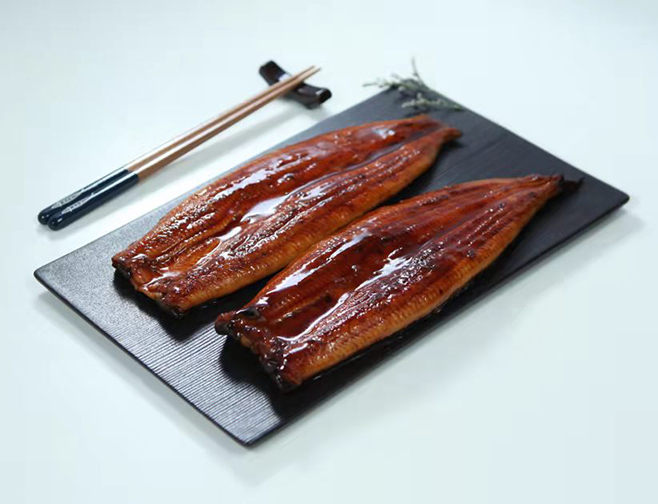
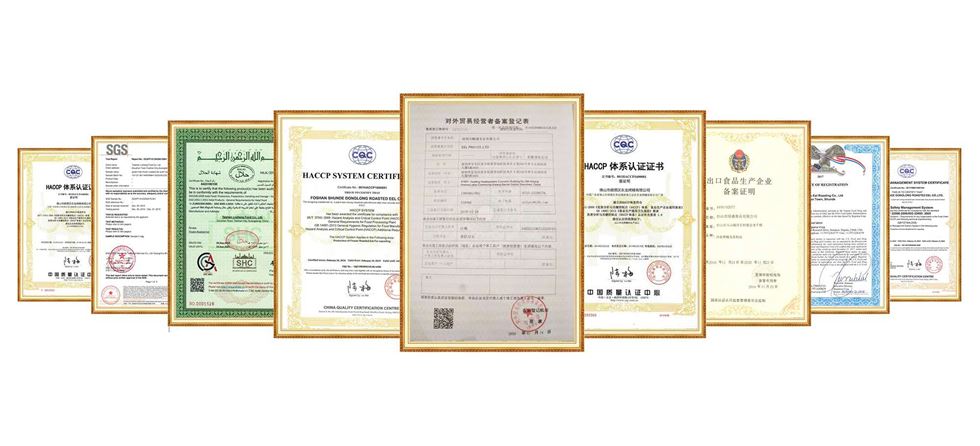
At Eelpro, our entire operation is built for export-grade consistency. With an annual production capacity of 4,000 tons and a 1,000-ton cold storage facility, we ensure a stable supply chain. Our products meet stringent Japan, US, and EU food inspection standards for veterinary drug residues and microbiological indicators, helping our clients avoid trade risks. This is verified by our ISO 22000:2018, HACCP, and HALAL certifications.
Our patented low-fat roasting and deodorizing technologies, combined with a precise 4-layer soy-sauce coating process, create a product with standardized flavor and superior texture. This attention to detail means the unagi kabayaki you source from us today will be the same high quality as the one you source six months from now.
Buyer's Checklist for Frozen Unagi Kabayaki
When evaluating a supplier, consider these factors to ensure you receive a product suitable for high-volume foodservice or retail:
- Certifications: Does the supplier hold internationally recognized food safety certifications like ISO 22000 and HACCP? Are they registered for export to your specific market?
- Traceability: Can the supplier trace the product back to the farm? We manage ~20 customs-registered farming bases, enabling full-chain traceability from raw material to finished product, verified by our in-house professional laboratory.
- Processing Technology: What is their roasting and glazing process? Our 4-layer coating method ensures a deep, even flavor, while our patented technology produces a less fatty, more pleasant texture.
- Customization: Can they provide custom cuts? We offer shredding, dicing, strip-cutting, and sushi slices to reduce back-of-house labor for our clients.
- Logistics: Do they have adequate cold storage and established logistics channels? Our 1,000-ton cold storage facility ensures product integrity throughout the supply chain.
These are the same standards our long-term partners in Germany, Poland, and Australia rely on for their foodservice and retail channels. Whether you're making eel sushi rolls or large batches of unagi fried rice, starting with a reliable product is key. Great eel recipes for meal prep depend on this consistency.
For your sourcing needs, consider Eelpro as a high-quality unagi kabayaki manufacturer and frozen eel supplier, committed to safety and quality.
If you are an importer, distributor, or part of a large catering chain, product consistency and safety are your top priorities. Contact our team to request a sample or discuss how our certified production can meet your specific requirements for frozen unagi kabayaki.
 WhatsApp
 sales@chinaeels.com
 +8619937922411