


A Kabayaki Sauce Recipe That Clings to Grilled Eel
You brush on the glaze. It slides off and burns on the grate. Sound familiar?
The fix is not more sugar or a spoonful of cornstarch. This kabayaki sauce recipe relies on controlled reduction, so the glaze grips the eel and builds a lacquered shine. By the end you will have about 200 ml of brushable glaze and a way to check it before it touches the fish.
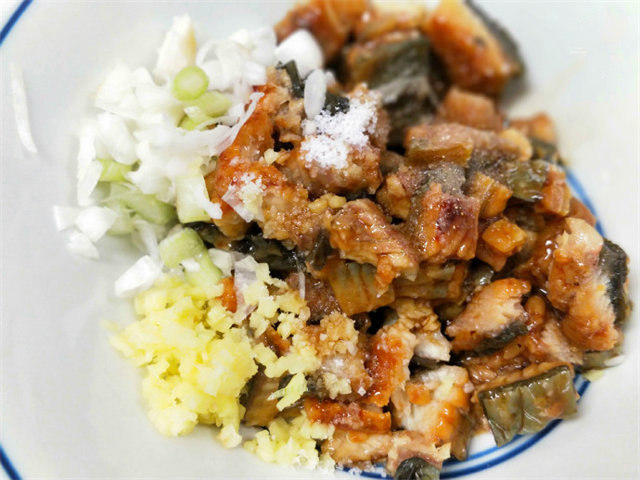
What You Need Before You Start
Four ingredients. One heavy pan. That is the whole list. Starting point: you have raw or pre-cooked eel (or any oily fish) and want a from-scratch glaze for the final grilling stage.
| Item | Amount | Why it matters |
|---|---|---|
| Dark soy sauce | 120 ml | Salt and savory backbone |
| Mirin | 120 ml | Natural sweetness and gloss |
| Sake | 60 ml | Rounds off sharpness, carries aroma |
| Sugar | 40 g (about 3 tbsp) | Body and caramelized color |
Tools: a small, wide, heavy-bottomed saucepan, a silicone spatula, a metal spoon for testing, and a heatproof jar. A wide pan matters because more surface area means faster, more even evaporation.
What can wait? Optional extras such as grilled eel trimmings for depth. What cannot? A thermometer-free eye on the pan. You will be watching bubbles, not numbers.
Build the Base in Five Steps
- Boil off the sake. Simmer it alone for about 1 minute. The sharp alcohol smell should fade.
- Add mirin and sugar. Stir over low heat until no grains remain on the spatula.
- Pour in the soy sauce. Stir once, then stop stirring.
- Bring to a bare simmer. Aim for small bubbles at the edges, roughly 90–95°C. A rolling boil is too hot.
- Reduce for 20–25 minutes. You want to lose about 40% of the volume. Mark the starting level on the pan with the spatula handle if that helps.
Checkpoint after step 4: the surface should shimmer, not churn. If large bubbles keep bursting, lower the heat. Boiling hard scorches the sugar, and the sauce turns bitter and tacky instead of glossy.
Use Reduction Temperature and Spoon-Coating Cues for a Brushable Glaze Without Cornstarch
Cornstarch gives instant thickness but a cloudy, pasty finish. It also breaks down on a hot grill. Reduction concentrates the natural sugars and gives a clear, glossy film. Here is how to read the pan.
| Cue | What you see | What it means | Action |
|---|---|---|---|
| Early reduction | Large, quick bubbles; sauce runs like thin soy | Too watery to cling | Keep simmering at low heat |
| Mid reduction | Bubbles shrink; sauce slightly shiny | About 20% reduced | Continue; start spoon tests |
| Target | Small, slow, glossy bubbles; spoon coating holds a finger line for 2–3 seconds | Ready for brushing | Pull off heat immediately |
| Overshoot | Thick, sticky bubbles; dark edges on the pan | Will set hard when cool | Stir in 1–2 tbsp water or sake |
The spoon test, step by step
- Dip a cold metal spoon into the sauce and lift it out.
- Drag a clean fingertip through the glaze on the back of the spoon.
- If the line stays open for 2–3 seconds and the edges do not flood back, you are close.
- Let a spoonful cool for 1 minute. It should drizzle like warm honey, not run like water or clump like jam.
Cold fact: the sauce looks thinner in the hot pan than it will be on the plate. It thickens noticeably as it cools. Stopping when it already seems "perfect" in the pan is the classic reason for a glaze that turns rubbery in the jar.
Grill and Baste So the Glaze Actually Sticks
Thick sauce alone does not guarantee adhesion. Technique does the rest.
- Dry the surface first. Pat the eel or fish with paper towel. Water under the glaze makes it slip.
- Brush thin, not thick. Apply 3–4 thin coats, about 20–30 seconds of grilling between each. Each layer sets before the next goes on.
- Keep the glaze warm. Rest the jar in a bowl of hot water. Cold, over-thick sauce drags and tears the skin.
- Watch the sugar. Sugar chars quickly. The browning here is partly the Maillard reaction, but if edges turn black rather than mahogany, move the eel off direct flame.
Layering is the same principle used in professional production. Our own export roasting process applies 4 precise layers of soy sauce with temperature-controlled steps, and we define color standards from white-roasted through the first to fourth coating. It is the same logic at kitchen scale: several thin coats beat one heavy one. If you start with pre-cooked eel, our unagi kabayaki product only needs reheating and a light final brush.
Common Mistakes and How to Recover
- Glaze runs off the eel. Reduction stopped too early. Return to a bare simmer and repeat the spoon test.
- Glaze is sticky and bitter. Heat was too high, or it simmered too long. Stir in 1–2 tbsp water or sake. If it smells burnt, start over.
- Crystals in the jar. Sugar was not dissolved in step 2. Rewarm gently and add a splash of mirin.
- Too salty after reducing. Soy sauce concentrates too. Next time, shift to 100 ml soy and 140 ml mirin, or use a lower-sodium soy.
- Flat flavor. The sake was not simmered first, or the sauce is too young. Rest it overnight in the fridge. For more flavor fixes, see our kabayaki sauce recipe: fix flavor mistakes guide.
Variations That Change the Method
Making ahead. The cooled glaze keeps in a clean jar in the fridge. It will firm up, so warm it gently before brushing. Our guide on eel sauce recipe: make-ahead and storage tips covers the details.
Lighter sweetness. Cut sugar to 25 g and reduce a few minutes longer. Limit: the glaze will be less glossy and browns less deeply.
Kitchen volume. If you run a restaurant or distribute, batch cooking changes the timing. A larger, deeper pot reduces more slowly, so rely on the spoon test, not the clock. When consistency across batches matters, a ready-made unagi tare removes that variable. Our eel sauce product page lists what we supply. We export eel products and eel sauce to importers in the United States, and we have supplied kabayaki eel to Japanese restaurant chains over the long term. Our facility is ISO 22000:2018, HACCP and HALAL certified. MOQ and packaging are negotiable by specification.
Completion Check: Is Your Glaze Ready?
- Volume reduced by roughly 40%, to about 200 ml.
- Spoon coating holds a finger line for 2–3 seconds.
- A cooled spoonful drizzles like warm honey.
- No burnt smell, no sugar crystals.
- On the grill, 3–4 thin coats leave a glossy, even film that does not drip.
If any check fails, go back to the reduction step first. Nearly every failure starts there.
Have you found a reduction cue that works better in your kitchen? Share it in the comments. And if you are planning the whole plate, our how to cook eel: easy methods and tips guide is a good next read. Need unagi tare samples or a spec sheet for your menu? Send us a request.