





Prevent Burning in a Kabayaki Sauce Recipe While It Reduces
Your sauce looked glossy one moment, then turned dark, bitter, and sticky on the pan. A kabayaki sauce recipe usually fails at the reduction stage, not because the ingredients are wrong, but because the heat is too aggressive before the sauce has time to thicken evenly.
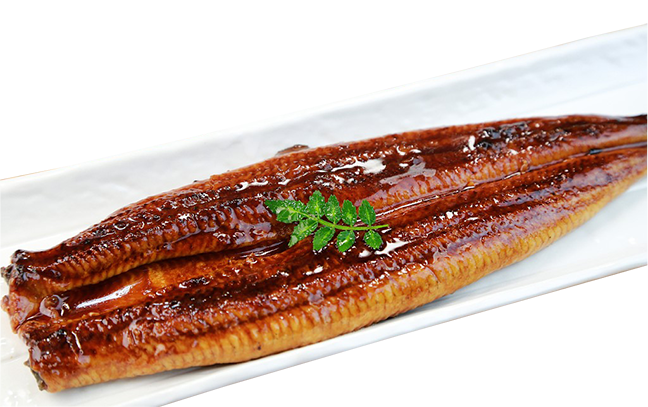
Kabayaki sauce is supposed to have depth: savory soy sauce, sweetness, gentle richness, and a shiny finish that clings to grilled eel. It should not taste like burnt sugar or leave a harsh, smoky bitterness at the back of the mouth.
The good news is that a scorched batch is usually preventable. The key is to treat reduction as a visual process, not a race. This kabayaki sauce recipe guide explains what to check first, how to control the pan, and when to stop cooking before a good glaze becomes a blackened mess.
Start by identifying whether the sauce is reducing or scorching
Before changing ingredients, inspect the pan and the sauce surface. The best fix depends on whether the sauce is simply getting thick, or whether sugar-rich liquid is catching at the bottom. For a kabayaki sauce recipe, reduction should make the sauce more glossy and cohesive. Scorching makes it darker in uneven patches and adds an acrid smell.
| What you see or smell | What it usually means | What to do now | When this advice does not apply |
|---|---|---|---|
| Small, calm bubbles across the surface | The sauce is reducing steadily. | Keep the heat low and stir around the edges as well as the center. | If the bottom smells burnt, do not keep stirring it into the sauce. |
| Fast, popping bubbles that splash thick sauce | Heat is too high for a sugar-heavy glaze. | Move the pan off the heat briefly, then return it at a lower setting. | If the sauce is still very thin, the issue may be an overly narrow pan rather than heat alone. |
| Dark streaks appearing near the pan wall | Sauce is drying and catching where it is hottest. | Scrape the clean sauce away from the wall and lower the heat. | Do not scrape up blackened residue from the bottom. |
| Sharp burnt aroma before the sauce looks thick | Scorching has started beneath the visible liquid. | Pour the clean upper sauce into another pan immediately. | If bitterness is already spread through the sauce, starting a fresh batch is the better choice. |
| Glossy sauce that coats a spoon lightly | The reduction is close to finished. | Stop heating and let residual pan heat finish the thickening. | If you need a brushable glaze for hot eel, it may loosen again when warmed gently. |
The first decision is simple: trust the aroma before the color. Dark color can come from soy sauce, but a burnt smell means the bottom has overheated. Do not assume more stirring will repair it. Stirring is useful before scorching begins; afterward, it can distribute the bitter flavor through the entire kabayaki sauce recipe.
For sauce that is too salty, too sweet, or bitter for another reason, use this related guide on kabayaki sauce recipe fix flavor mistakes. Flavor balancing and burn prevention are connected, but they are not the same problem.
Use heat control, pan choice, and visual cues before the sauce thickens
This is the boundary that protects a sugar-rich glaze: do not wait until the sauce looks thick before reducing the heat. A kabayaki sauce recipe can scorch while it still appears loose because the pan bottom is much hotter than the liquid above it.
Conclusion: choose a wider, heavy pan and maintain low, steady heat. This gives moisture room to escape while reducing hot spots. It suits home cooks making sauce in small batches and foodservice teams preparing a glaze for grilled or reheated eel. It is less useful when the pan is already crowded with food; reduce the sauce separately instead of trying to cook eel and sauce together from the start.
| Check in this order | Judgment criterion | Likely cause | Corrective action |
|---|---|---|---|
| Check the heat source | The sauce is bubbling violently or splattering. | The burner is driving the sugar to the pan base too quickly. | Lower the heat or lift the pan away until bubbling becomes calm. |
| Check the pan shape | The sauce has a deep pool with little exposed surface. | A narrow pan slows evaporation, tempting the cook to increase heat. | Transfer to a wider pan with a stable base. |
| Check the pan material | One area browns faster than the rest. | Thin cookware creates localized hot spots. | Use a heavier pan and keep the sauce moving across the base. |
| Check the edges | A dark ring forms around the upper sides. | Thin sauce is drying on the hottest exposed area. | Brush or stir the sauce back into the liquid before it burns. |
| Check the spoon trail | A stirred path closes slowly rather than instantly. | The sauce is gaining body and needs less heat. | Turn the heat down further or stop and use residual warmth. |
A useful visual cue is the change from watery movement to slow, shiny movement. Early in a kabayaki sauce recipe, the liquid runs freely from a spoon. Near the finish, it falls in a smoother ribbon and leaves a brief line on the spoon. That is the moment to become more cautious, not more impatient.
Cold kitchen fact: a sauce can continue thickening after it leaves the burner. This is why a glaze that looks slightly loose in the pan can become ideal after resting. Reducing it until it looks very thick over direct heat often creates an overly sticky sauce, or worse, a burnt one.
Follow a calm reduction procedure instead of chasing a darker color
The goal of a kabayaki sauce recipe is a brushable glaze, not the darkest possible sauce. Soy sauce already brings deep color. If you keep heating only to make it darker, you can push the sugars past their pleasant caramel notes and into bitterness.
- Combine the sauce ingredients before heating. Mix thoroughly so the sweet and salty elements are evenly distributed. This prevents concentrated sugar from sitting in one area of the pan.
- Choose a wide, stable pan. A broad base encourages gentle evaporation without demanding aggressive heat. A small, tall saucepan can work, but it requires more patience and closer attention.
- Begin at low heat. Look for quiet simmering rather than hard boiling. If the sauce leaps or spits, reduce the heat before it starts sticking.
- Stir deliberately. Draw the utensil across the bottom, into the corners, and around the sides. Focus on areas where sauce clings and dries. Constant frantic stirring is unnecessary, but long gaps are risky once the sauce becomes glossy.
- Watch for the spoon trail. When the sauce begins to coat the spoon and the trail does not vanish immediately, reduce heat further. This is the transition point where scorching becomes more likely.
- Stop a little early. Remove the pan while the sauce remains slightly more fluid than your final target. Let it settle before deciding whether it needs more reduction.
- Rewarm gently for service. If the cooled glaze becomes too thick for brushing, warm it slowly. Do not blast it with high heat, especially after it has already concentrated.
This process works well when glazing grilled eel, rice bowls, sushi fillings, and broiled seafood. For home use, it also suits prepared unagi kabayaki, where the sauce should support the eel rather than bury its roasted aroma.
It does not apply in exactly the same way to a sauce intended only as a dipping condiment. A dipping sauce can remain thinner. Do not reduce it merely because you expect every kabayaki sauce recipe to behave like a lacquered grilling glaze.
Avoid the mistakes that make sweet eel sauce turn bitter
Most burnt sauce problems come from a few repeated habits. Correcting them makes the next kabayaki sauce recipe easier, even if you change the ingredient balance later.
- Mistake: raising the heat because the sauce looks thin.
Why it fails: evaporation may speed up, but the pan bottom can overheat faster than the sauce can reduce evenly.
Better move: keep gentle heat and use a wider pan when you need faster evaporation. - Mistake: judging only by color.
Why it fails: soy sauce is naturally dark, while scorched sugar can begin affecting flavor before the whole sauce looks black.
Better move: smell the sauce and inspect the bottom during stirring. - Mistake: leaving sauce residue on the pan walls.
Why it fails: thin sauce at the edges dries first, then burns and can fall back into the glaze.
Better move: sweep the sides clean during reduction. - Mistake: adding sauce too early to the eel.
Why it fails: the glaze can scorch on the cooking surface before the eel is warmed through.
Better move: heat the eel first, then apply thin coats near the end. - Mistake: trying to rescue a fully burnt batch by adding more sweet ingredients.
Why it fails: sweetness may hide bitterness briefly but does not remove it.
Better move: transfer unburnt sauce at once if possible, or begin again with a clean pan.
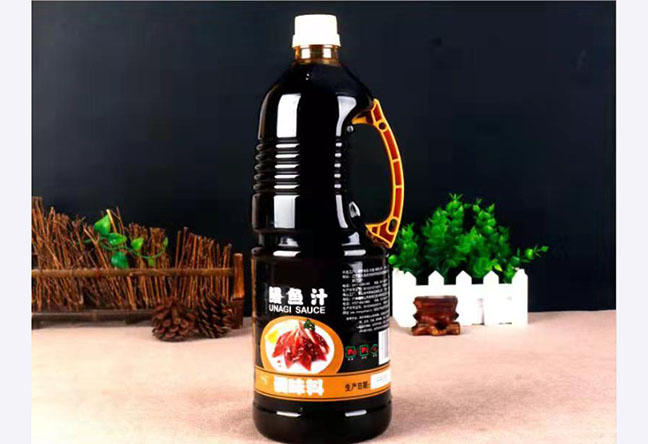
When using a ready-made eel sauce, the same rule applies: concentrated sauce needs gentle reheating. It may already have the right flavor balance and body, so extended boiling can change its character rather than improve it.
Match the finished glaze to the eel and serving method
A properly reduced kabayaki sauce recipe should cling in a thin, shiny layer. It should not form a thick candy-like shell. The best final texture depends on how you will use it.
| Serving use | Best sauce texture | Why it works | Watch out for |
|---|---|---|---|
| Brushing grilled eel | Glossy and fluid enough to spread in a thin coat | It layers flavor without masking the eel. | Over-thick glaze can burn on the grill. |
| Serving over rice | Pourable with gentle body | It seasons the rice while keeping the bowl moist. | Very thick sauce can gather in sticky patches. |
| Using in sushi rolls | Thicker, but still smooth | It stays on the eel and does not flood the rice. | Do not use hot sauce that softens the roll structure. |
| Finishing reheated frozen eel | Lightly brushable | It refreshes the roasted surface during final heating. | Adding a heavy coat too soon can scorch. |
For a rice bowl, brush the eel lightly, warm it, then add a small final spoonful after plating. For sushi, cool the sauce enough that it stays controlled. For grilled fish, use multiple thin applications rather than one heavy layer. Each approach protects the clean sweet-savory profile that makes a kabayaki sauce recipe so appealing.
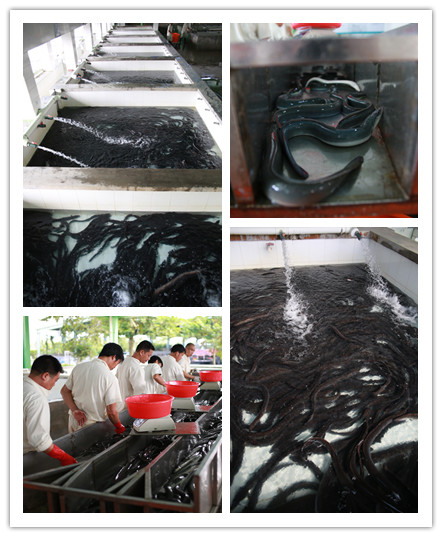
Eelpro produces frozen roasted eel using a four-layer soy-sauce coating process, with defined color standards from white-roasted eel through successive sauce coats. That approach reflects a useful home principle: build glaze in controlled layers instead of trying to create all color and shine in one long, high-heat reduction.
If you are planning a fuller eel menu, see our kabayaki sauce article for serving ideas, or explore eel rice bowl toppings that pair well with glossy grilled unagi.
For foodservice buyers seeking frozen unagi kabayaki or ready-to-use unagi tare, request a product sample or specification advice from Eelpro Co., LTD.
 WhatsApp
 sales@chinaeels.com
 +8619937922411