





Unagi Don Recipe: 7 Mistakes That Ruin the Bowl
You spent good money on frozen unagi kabayaki, followed a recipe you found online, and the bowl still came out wrong. Rice turned gummy. Eel skin went rubbery. Sauce tasted like syrup instead of that deep, savory-sweet glaze you remember from a restaurant. If that's you, the problem usually isn't the ingredients — it's the sequence. A solid unagi don recipe depends less on fancy technique and more on avoiding a handful of predictable errors. Let's go through them one by one.
What Goes Into a Proper Unagi Don
Before troubleshooting, it helps to know what a correct bowl actually contains. Skipping components — or substituting the wrong one — is where half the mistakes start.
- Short-grain Japanese rice — not long-grain or jasmine, which won't hold sauce properly
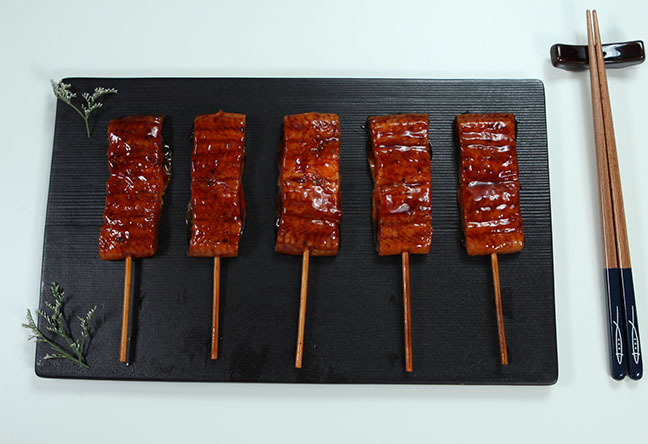
- Unagi kabayaki — pre-grilled, pre-sauced eel fillet, usually sold frozen
- Unagi tare (eel sauce) — a soy-mirin-sugar glaze, either store-bought or homemade
- Nori strips, sansho pepper, or scallions — for finishing, optional but traditional
- A tight-lidded pot or rice cooker — for steaming rice without losing moisture
Buyers sourcing eel products for restaurant menus often start with unagi kabayaki and a dedicated eel sauce rather than making tare from scratch — it saves prep time and keeps flavor consistent across batches.
Mistake 1: Using the Wrong Rice or Cooking It the Wrong Way
Long-grain rice doesn't absorb tare the same way short-grain does. It stays too separate, too dry, and the sauce just pools at the bottom of the bowl instead of coating each grain.
Fix: Use Japanese short-grain rice, rinse until the water runs mostly clear, and cook with a 1:1.1 water-to-rice ratio. After cooking, let it rest covered for 10 minutes before fluffing. This step alone prevents the mushy texture most home cooks blame on "bad rice."
Mistake 2: Reheating Eel the Wrong Way (This Causes Sogginess)
This is the single biggest reason eel rice bowls turn out wrong. Frozen unagi kabayaki still has moisture locked in the flesh and glaze. Microwave it straight from frozen, and that moisture releases fast — soaking straight into your rice below.
How do you keep unagi don from getting soggy? Reheat the eel separately from the rice, using dry heat, not steam or direct microwave blasting.
Step-by-step reheating method
- Thaw the eel in the refrigerator overnight — never at room temperature
- Preheat oven or toaster oven to 200°C (390°F)
- Wrap the fillet loosely in foil, skin-side down
- Heat for 8–10 minutes, then unwrap and broil 1–2 minutes to re-crisp the skin
- Brush with a little extra tare right before serving, not during reheating
Skip the microwave entirely if you can. It's fast, but it makes the flesh rubbery and releases excess liquid onto the rice — exactly the sogginess problem you're trying to avoid.
Mistake 3: Pouring Sauce Directly Onto Hot Rice
Sounds harmless. It's not. Hot rice absorbs liquid aggressively, and if you pour tare straight onto it before plating the eel, you end up with wet, clumpy rice by the time the bowl reaches the table.
Fix: Sauce the eel, not the rice. Brush tare onto the kabayaki during the last minute of reheating, then add a small drizzle — no more than a teaspoon — directly onto the rice right before serving. Serve immediately.
Mistake 4: Oversweetening or Undercooking the Tare
Homemade eel sauce mistakes are common because mirin and sugar ratios get thrown off easily. Too much sugar and the sauce tastes like candy syrup instead of a savory glaze. Undercooked tare stays thin and won't cling to the eel at all.
| Problem | Cause | Fix |
|---|---|---|
| Sauce too sweet | Excess sugar or mirin ratio too high | Rebalance with soy sauce and a splash of sake |
| Sauce too thin | Not reduced long enough | Simmer until it coats the back of a spoon |
| Sauce tastes flat | No dashi or aromatics used | Add a small piece of kombu while reducing |
| Sauce burns easily | Heat too high during reduction | Use medium-low heat, stir often |
If sauce-making feels like a hassle, a ready-made kabayaki sauce solves the consistency problem outright — no reduction guesswork, same flavor every batch. For those who want to troubleshoot a homemade batch, this kabayaki sauce recipe fix guide covers ratio corrections in more detail.
Mistake 5: Skipping the Rest Time Before Slicing
Cutting eel straight out of the oven causes it to fall apart, and the juices run out onto the cutting board instead of staying in the flesh.
Fix: Let the reheated kabayaki rest for 2 minutes before slicing into portions. This keeps the fillet intact and holds moisture inside the flesh where it belongs.
Mistake 6: Poor Layering and Portioning
A rushed bowl looks like eel dumped on top of rice. A well-built bowl has structure. Layering affects both texture and how evenly sauce distributes with each bite.
Correct assembly order
- Fluffed rice, pressed gently flat in the bowl
- A thin layer of nori strips (optional, adds texture contrast)
- Sliced eel fanned across the surface, skin-side up
- Light tare drizzle over the eel only
- Sansho pepper or scallion garnish last
Portioning tip: One standard fillet (roughly 150–180g) covers one adult bowl. Cutting it into 5–6 slices, rather than leaving it whole, makes chopstick eating far easier and distributes sauce more evenly per bite.
For more topping ideas beyond the classic, see this guide on eel rice bowl toppings and better donburi ideas.
Mistake 7: Buying the Wrong Grade of Frozen Eel
Not all frozen unagi kabayaki is equal. Thin fillets dry out fast during reheating. Inconsistent glaze thickness means uneven flavor from piece to piece. This matters more for restaurants doing repeat orders than for a single home-cooked bowl, but the principle applies either way — the base ingredient sets the ceiling on how good the final dish can be.
| Parameter | What It Affects | If You Get It Wrong |
|---|---|---|
| Fillet thickness | Moisture retention during reheating | Thin fillets dry out and turn tough |
| Glaze consistency | Flavor evenness across the fillet | Some bites taste bland, others too salty |
| Freezing method | Texture after thawing | Poor freezing causes mushy, watery flesh |
| Skin quality | Ability to re-crisp under broiler | Weak skin turns slimy instead of crisp |
Sourcing from a supplier that controls the process from eel farm to processing, with quality checks through an eel lab, tends to produce more consistent fillets batch to batch. That consistency is what separates a restaurant-quality bowl from an inconsistent one.
What Mistakes Should You Avoid When Making Unagi Don — Quick Checklist
- Don't use long-grain rice — stick to short-grain Japanese rice
- Don't microwave frozen eel directly — thaw first, then dry-heat reheat
- Don't pour sauce onto rice before plating the eel
- Don't skip tasting your tare before serving — adjust sweetness early
- Don't slice eel immediately out of the oven — rest it 2 minutes
- Don't dump eel on rice without slicing and fanning it
- Don't assume all frozen kabayaki is the same grade — check fillet and glaze quality
How Do You Reheat Eel for Unagi Don Without Drying It Out
The safest method balances heat and moisture. Oven reheating at 200°C for 8–10 minutes wrapped in foil keeps the flesh moist while allowing a quick unwrapped broil to restore crisp skin. Steaming works too, but it won't crisp the skin at all — better suited if you're serving eel over noodles rather than rice, as covered in this eel noodle soup recipe. Avoid boiling reheating methods entirely; they wash out the glaze completely.
Building the Bowl: A Worked Example
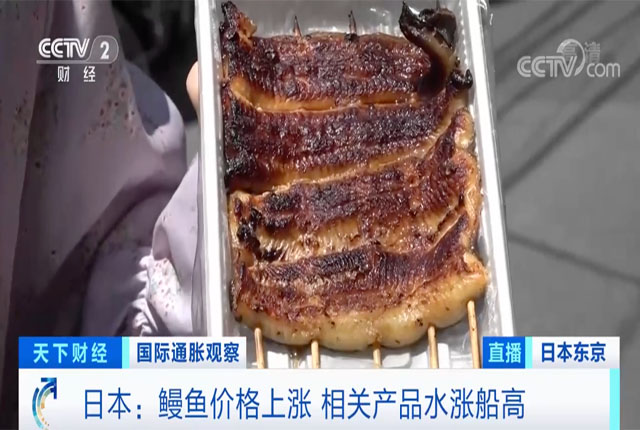
Say you're serving two people with two 160g fillets, frozen. Thaw both overnight. Cook 1.5 cups of short-grain rice (yields about two generous bowls). Reheat fillets per the oven method above, rest 2 minutes, slice each into 6 pieces. Layer rice, fan the eel, brush with 1 teaspoon tare per bowl, garnish with scallion. Total active time: about 20 minutes, most of it hands-off oven time. This is close to how a Japanese eel rice bowl is put together in casual restaurants that use pre-grilled kabayaki rather than grilling raw eel from scratch, which is far more labor-intensive.
Frequently Asked Questions
How do you keep unagi don from getting soggy?
Reheat the eel separately using dry oven heat, not microwave or steam, and add sauce to the eel — not the rice — right before serving.
What mistakes should you avoid when making unagi don?
The most damaging ones are microwaving frozen eel directly, pouring sauce onto hot rice too early, and slicing the fillet before it rests.
How do you reheat eel for unagi don?
Thaw overnight in the fridge, then reheat wrapped in foil at 200°C for 8–10 minutes, finishing with a short unwrapped broil to crisp the skin.
Looking to source consistent frozen unagi kabayaki or eel sauce for your kitchen or menu? Reach out to Eelpro Co., LTD for product specs or a sample request — we're happy to help you pick the right grade for your setup.
 WhatsApp
 sales@chinaeels.com
 +8619937922411