





Unagi How to Cook Without Common Mistakes
Unagi how to cook is the question behind a disappointing plate of eel that turns dry, overheated, or drowned in sauce. The good news is simple: tender eel does not need aggressive cooking. It needs gentle heat, careful sauce control, and a quick check before serving.
Unagi how to cook means warming and finishing eel in a way that protects its soft flesh and savory kabayaki character. For home cooks and foodservice teams, this matters because packaged eel can go from glossy and tender to tough within a short cooking cycle. The goal is not to “cook it harder.” The goal is to heat it evenly and serve it at its best.
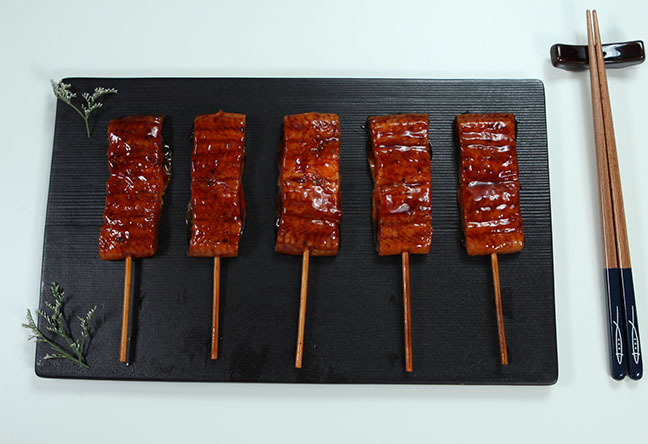
At Eelpro Co., LTD, our technical team works with frozen unagi kabayaki, unagi tare, freshwater eels, and frozen seafood for overseas buyers. We often see the same kitchen problems repeated: direct high heat, sauce added too early, uneven thawing, and unnecessary handling. This unagi preparation guide turns those problems into clear corrections.
Unagi how to cook starts with choosing the right preparation path
Before heat reaches the eel, identify what you are working with. A prepared frozen kabayaki fillet needs a different approach from fresh freshwater eel. Mixing up these product types causes many avoidable mistakes.
| Product condition | Best kitchen approach | What to avoid | Serving result to look for |
|---|---|---|---|
| Frozen unagi kabayaki | Thaw or warm gradually according to the product label, then finish with gentle heat | Placing a frozen fillet straight over fierce heat | Soft flesh, warm center, lightly caramelized surface |
| Refrigerated prepared kabayaki | Warm slowly, then brush sauce near the end | Repeated heating cycles before service | Moist fillet with a clean glaze |
| Fresh freshwater eel | Clean, skin, debone, and cook through using a fresh-eel method | Treating raw eel like ready-to-serve kabayaki | Fully cooked eel with a firm but pleasant bite |
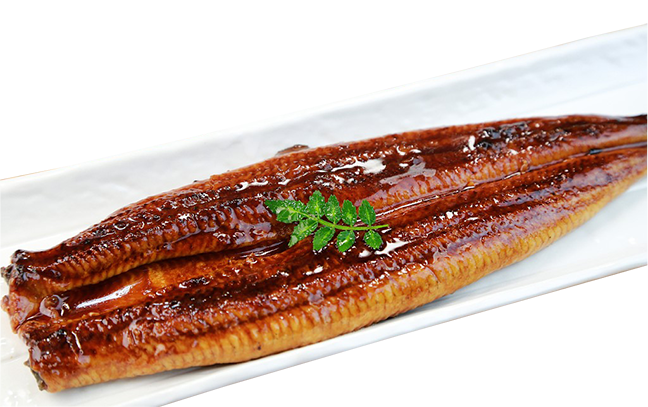
This difference is the key definition for buyers and cooks: frozen kabayaki is a prepared eel product that needs careful reheating and finishing, while fresh eel requires full preparation before it can become a finished dish. If your kitchen is working with raw product, use our eel cleaning guide before planning the final recipe.
For packaged fillets, inspect the label, keep the product protected from excess air, and prepare your rice, vegetables, bowl, or sushi components before warming the eel. This prevents the fillet from sitting under heat while the rest of the plate is still unfinished.
Why gentle finishing makes unagi different from ordinary grilled fish
Unagi how to cook well is not the same as grilling a firm white-fish fillet. Kabayaki has a tender structure and a sweet-savory surface. That combination makes it especially sensitive to drying and burning.
| Cooking factor | Ordinary firm fish approach | Better approach for unagi kabayaki | Reason |
|---|---|---|---|
| Heat intensity | Strong direct heat can create a quick crust | Use controlled, moderate heat and watch the surface closely | The glaze can darken before the eel is evenly warm |
| Sauce timing | Sauce may be added at the start | Apply a light finishing brush near service | Early sauce application can become heavy or scorched |
| Handling | Frequent turning may be acceptable | Move the fillet as little as possible | Tender eel can break and lose its attractive surface |
| Holding for service | Some fish can tolerate a longer hold | Serve promptly after warming | Continued heat reduces moisture and gloss |
That is the practical differentiator: tender unagi cooking depends on finishing a prepared fillet, not forcing it through a harsh grilling process. A kitchen that understands this can create a better bowl, sushi topping, appetizer, or noodle garnish with less waste.
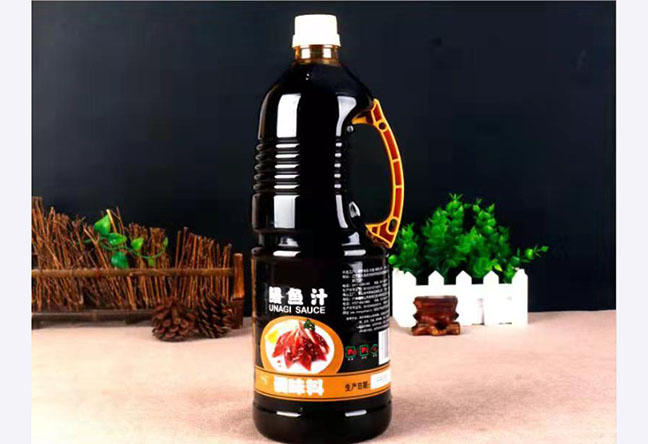
For a consistent flavor layer, consider pairing the eel with a dedicated eel sauce product rather than covering it with a random sweet sauce. Unagi tare should support the eel’s natural richness. It should not hide it.
Unagi how to cook with a practical no-dryness procedure
How do you cook unagi without drying it out? Use a short, controlled sequence. The fillet should be warmed through, lightly glazed, and served while it still looks moist. Avoid treating it like a steak.
- Check the product condition. Confirm whether the eel is frozen, thawed, refrigerated, or raw. Follow the package handling direction before applying heat.
- Prepare the serving base first. Have rice, noodles, vegetables, sushi rice, or plating components ready. The warmed eel should not wait around.
- Pat away unwanted surface moisture. If condensation is visible after thawing, remove it gently. Do not press hard on the fillet.
- Warm with controlled heat. Use your preferred oven, pan, grill, or steaming setup, but keep the process gentle. Watch for a moist surface and a warmed center.
- Add sauce near the finish. Brush only enough unagi tare to create shine and flavor. Keep extra sauce available for the diner.
- Rest briefly off the heat. Let the surface settle before cutting or placing the eel over rice.
- Serve without delay. A glossy fillet is at its best when it reaches the table soon after warming.
Frozen unagi preparation becomes easier when the kitchen avoids shortcuts. Do not rush the thawing stage with extreme heat. Do not stack fillets tightly while warming. Do not leave a finished fillet exposed while other dishes are being assembled. These habits reduce quality even when the eel itself is good.
Common unagi cooking mistakes and the fixes that work
Unagi how to cook successfully often comes down to catching a small mistake early. The table below gives cooks a direct response for dryness, uneven heating, broken flesh, and sauce imbalance.
| Common mistake | What you will see | Likely cause | Immediate fix |
|---|---|---|---|
| Dry or chewy eel | Dull surface and firm edges | Heat was too aggressive or continued too long | Reduce heat, shorten the finishing cycle, and serve as soon as the eel is warm |
| Cold center with dark surface | Outside looks done but the middle is not warm | Direct heat was used before the fillet warmed evenly | Use gentler warming before the final surface finish |
| Overly strong sauce | Sweetness dominates and eel flavor disappears | Too much tare or repeated brushing | Use a lighter final brush and serve extra sauce separately |
| Burnt glaze | Bitter dark patches | Sauce was applied too early under high heat | Apply sauce later and keep close visual control |
| Broken fillet | Pieces tear during turning or plating | Too much handling or unsuitable utensils | Use a broad spatula and turn only when necessary |
| Watery plate | Rice or garnish becomes wet | Condensation or thawing liquid was left on the fillet | Gently remove excess surface moisture before warming |
A useful cold fact about sauce
More sauce does not automatically mean more unagi flavor. In fact, a heavy coating can make eel taste flatter because sweetness and salt cover the natural aroma of the fish. This is one of the most common avoidable errors in unagi cooking tips. Use the tare as a finish, not as a soaking liquid.
If a sauce tastes too sharp or too heavy for the dish, do not keep brushing more eel. Stop, serve the fillet with plain rice or mild vegetables, and offer the sauce at the table. For further flavor troubleshooting, see this sauce mistake guide.
Unagi how to cook for bowls, sushi, noodles, and foodservice plating
The same fillet can behave differently depending on the dish. Unagi how to cook for a rice bowl should prioritize a warm, glossy fillet that can sit over rice without flooding it. For sushi, the goal is clean portions that hold their shape. For noodles, the eel should be warmed separately and placed on top near service so broth does not soften the glaze too much.
- For rice bowls: Place the eel over hot rice and add a restrained sauce finish. Keep toppings light so the eel remains the main flavor.
- For sushi rolls: Cool the eel slightly before cutting. A fillet that is excessively hot can soften rice and make the roll harder to shape.
- For noodle bowls: Keep the unagi above the broth line when plating. This preserves texture and visual appeal.
- For buffet or batch service: Warm smaller working batches rather than holding all fillets under heat at once.
- For appetizers: Cut only after warming, using a clean sharp knife and gentle pressure.
Our technical team recommends building the plate around the eel rather than making the eel wait for the plate. This simple kitchen discipline supports tender unagi cooking and gives foodservice teams a more repeatable result. If you are planning noodles, our unagi ramen guide offers serving ideas that keep eel and broth in balance.
Buyer and cook checklist for better frozen unagi preparation
Use this checklist before purchasing, receiving, or preparing packaged eel. It helps both home cooks and professional kitchens prevent avoidable losses.
- Confirm whether the product is prepared kabayaki or fresh eel before selecting a cooking method.
- Check that the package remains properly sealed and protected during storage.
- Plan the final dish before heating the eel.
- Use controlled heat rather than a harsh direct blast.
- Keep sauce light until the final stage.
- Use a broad utensil to support the fillet during transfer.
- Watch the eel visually instead of walking away during the finishing stage.
- Serve promptly once the fillet is warm, soft, and glossy.
- Keep extra tare separate so guests can adjust flavor themselves.
Questions cooks ask about unagi how to cook
How do you cook unagi without drying it out?
Unagi how to cook without dryness starts with gentle warming and ends with prompt service. Avoid harsh direct heat, repeated reheating, and early heavy sauce application. The finished eel should look moist and lightly glazed, not dark, stiff, or oily.
What mistakes should you avoid when cooking unagi?
The biggest mistakes are overheating, warming from frozen with aggressive direct heat, applying too much sauce, leaving thawing moisture on the surface, and turning the fillet repeatedly. Follow the package instructions, warm evenly, glaze lightly, and handle the eel with care.
How do you reheat unagi properly?
For unagi how to cook during reheating, bring the prepared fillet back to an even warmth with controlled heat, then add a light sauce finish near service. Avoid reheating the same portion again and again. Foodservice teams should also follow their local food safety requirements for storage, handling, and service.
Want more ideas after mastering unagi how to cook? Explore our unagi kabayaki product page and share your preferred eel bowl, sushi, or noodle pairing with fellow food lovers.
 WhatsApp
 sales@chinaeels.com
 +8619937922411