





Unagi Kabayaki Recipe Fixes Common Cooking Mistakes
Your eel looked glossy in the package, but the finished plate turned dry, salty, or scorched. That is frustrating. A reliable unagi kabayaki recipe depends less on adding more sauce and more on gentle heat, controlled glazing, and knowing when to stop cooking.
Kabayaki is a Japanese preparation in which eel is grilled and coated with a sweet-savory sauce. For home cooks, the goal is simple: tender flesh, warm rice, and a thin shiny glaze that clings to the surface rather than pooling on the plate.
This guide is built for packaged frozen eel and ready-to-heat kabayaki fillets. At Eelpro Co., LTD, our technical team works with frozen unagi kabayaki and unagi tare products, so we know that small handling mistakes can change the final texture quickly. Use this unagi kabayaki recipe as a correction-first method when your eel needs saving.
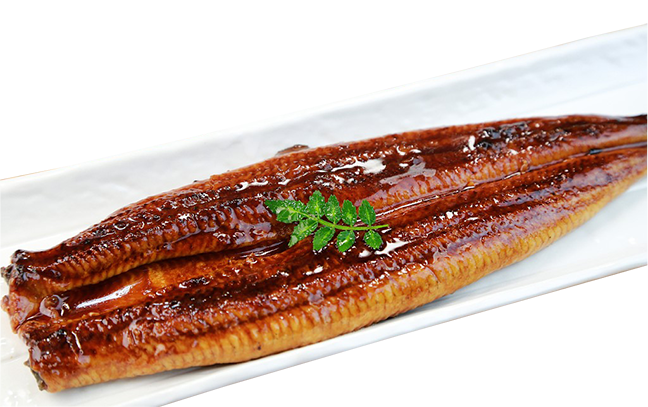
Use This Unagi Kabayaki Recipe as a Correction-First Method
A correction-first unagi kabayaki recipe means identifying the problem before adding sauce, raising heat, or returning the eel to the pan. Most disappointing results come from one of four issues: dry flesh, burnt glaze, uneven warming, or excess saltiness.
| Cooking problem | What usually caused it | Immediate correction | What to avoid |
|---|---|---|---|
| Dry or firm eel | Heat was too aggressive or cooking continued after the eel was hot | Cover the eel briefly while warming and add sauce only near the end | Repeated reheating or leaving the fillet exposed to direct heat |
| Burnt glaze | Sauce touched a hot pan or grill too early | Warm the eel first, then brush on a thin coat of sauce | Starting with a heavy sauce layer |
| Cold center | Heat reached the surface faster than the middle | Use gentler heat and allow the fillet to warm gradually | Turning the heat high to rush the result |
| Overly salty flavor | Too much tare or sauce was added after cooking | Serve a lighter glaze with plain rice and fresh toppings | Adding extra sauce before tasting |
The best kabayaki eel recipe does not hide eel under a thick coating. The sauce should support the fatty, soft character of the fish. If the glaze becomes the only flavor you notice, pull back on the next brush application.
Follow the Gentle Heating Sequence for Tender Eel
For a dependable unagi kabayaki recipe, treat the fillet as a delicate finished product rather than raw fish that needs hard grilling. Check the package instructions first. If your eel is frozen, thaw it according to the product directions before reheating.
- Prepare the rice and garnish first. Have steamed rice, sliced scallions, sansho pepper if desired, and sauce ready before the eel goes near heat.
- Pat away excess surface moisture. Use a clean paper towel gently. Do not press hard enough to tear the soft flesh.
- Warm the eel over gentle heat. Place it skin-side down when using a pan or tray. Keep the surface protected from harsh direct heat.
- Cover during the early warming stage. A lid or loose foil helps the center warm without drying the exposed surface.
- Brush on a thin sauce layer after the eel is hot. Use a pastry brush or spoon. A light coat gives you more control than pouring.
- Finish only until the glaze looks glossy. Remove the eel once the sauce clings and the fillet bends easily when lifted.
- Rest briefly before slicing. This keeps the tender flesh intact rather than tearing it across the grain.
This Japanese unagi recipe approach works because the eel is warmed before the sauce is asked to caramelize. Heat the fish first. Glaze second. Serve promptly.
For a prepared-product starting point, review our frozen unagi kabayaki selection and match the package instructions to your heating method.
Prevent Dry Texture Without Drowning the Eel in Sauce
The most common question around an unagi kabayaki recipe is how do you prevent unagi kabayaki from drying out? The answer is moisture management, not a thicker glaze.
Eel dries when it remains exposed to heat after it has already warmed through. Sauce cannot fully repair flesh that has been cooked too long. It may make the surface look better, but the bite stays firm.
- Choose gentle heat rather than intense heat. The surface should warm quietly, not blister before the center is ready.
- Cover during reheating. A loose cover reduces moisture loss while the center warms.
- Keep the skin facing the heat source when possible. The skin can take more direct heat than the soft flesh side.
- Brush sauce in thin coats. A heavy layer can overheat while you wait for it to set.
- Serve immediately after glazing. Holding finished eel on a hot tray continues cooking it.
Cold knowledge for home cooks: a glossy surface does not always mean tender eel. A dark, sticky glaze can hide a dry interior. Lift one edge with chopsticks or a spatula. Tender kabayaki should flex easily and separate cleanly without crumbling.
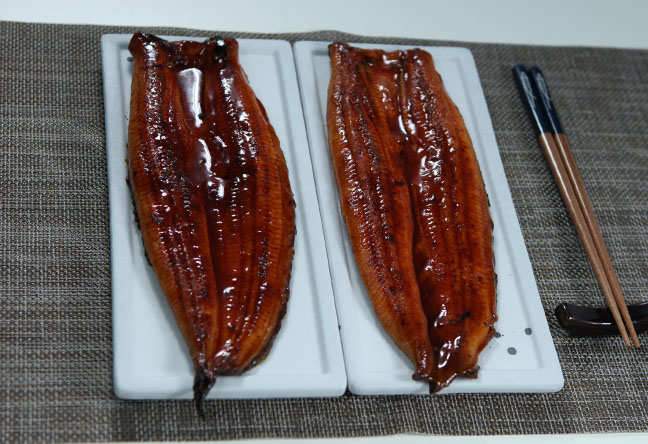
Stop Kabayaki Sauce from Burning During Cooking
Why does kabayaki sauce burn during cooking? Most often, the sauce is applied before the eel is warmed, or it lands directly on a very hot cooking surface. The sweet elements in tare darken rapidly. Once they burn, the flavor turns bitter and the gloss becomes dull.
A good unagi kabayaki recipe treats sauce as a finishing layer. If sauce begins to smoke, remove the eel from direct heat at once. Do not keep cooking in the hope that the flavor will improve.
Use this sauce-control checklist
- Warm the eel before adding sauce.
- Brush sauce onto the flesh side, not into the pan.
- Use a clean brush so burnt residue is not transferred back onto the fillet.
- Apply a light coat, let it become glossy, then decide whether another light coat is needed.
- Move the eel away from direct heat if the glaze darkens too quickly.
- Keep spare sauce separate from the brush used on cooked eel.
If the flavor is too strong, serve the eel over plain rice and add crisp cucumber, shredded nori, or lightly pickled ginger. These additions give the mouth a reset between bites. For buyers and home cooks who want a ready-made flavor base, our eel sauce product page explains the unagi tare category.
If you are developing your own eel glaze recipe, avoid adjusting every ingredient at once. Change one point at a time: sweetness, saltiness, thickness, or the amount brushed onto the eel. This makes the next batch easier to judge. You can also review these sauce flavor corrections for practical troubleshooting.
What Makes This Unagi Kabayaki Recipe Different
The differentiator in this unagi kabayaki recipe is its definition-based approach: kabayaki is not simply “eel with sauce.” It is a heating and glazing method where texture and sauce timing work together. That distinction matters when choosing between ready-to-heat kabayaki, fresh eel, and a heavily sauced prepared dish.
| Approach | Main focus | Likely result | Best correction |
|---|---|---|---|
| Heat first, glaze last | Tenderness before shine | Soft eel with a clear glossy coating | Use for most frozen kabayaki preparations |
| Glaze from the start | Fast color development | Higher risk of burnt sauce and dry flesh | Use less sauce and delay brushing |
| Heavy sauce after cooking | Trying to repair dryness or blandness | Overly salty, wet presentation | Reduce sauce and improve gentle warming |
| High heat throughout | Speed | Uneven center and tough edges | Lower heat and cover during warming |
This is why unagi cooking tips should begin with product handling rather than seasoning. A tender fillet needs restraint. A burned fillet needs less heat, not more sauce.
Fix Uneven Heating and Salty Flavor Before Serving
An unevenly heated unagi kabayaki recipe can leave one side hot and another side cool. This often happens when the eel is placed directly over strong heat or when a thick portion is treated exactly like a thin edge.
Use visual and touch checks instead of rushing. The full fillet should look relaxed, glossy, and gently flexible. If one end still feels firm, cover and warm it gradually rather than continuing to char the already-hot section.
Quick rescue plan for overly salty eel
- Stop adding sauce immediately.
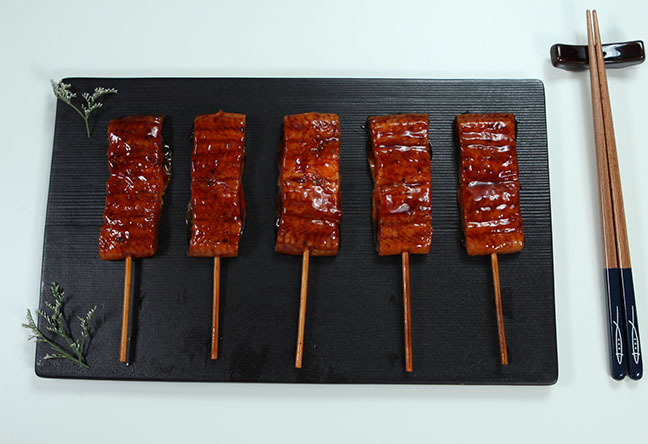
- Slice the eel into smaller serving pieces.
- Place it over unsalted or lightly seasoned rice.
- Add neutral ingredients such as cucumber, egg, or plain greens.
- Offer extra sauce on the side rather than brushing more onto the eel.
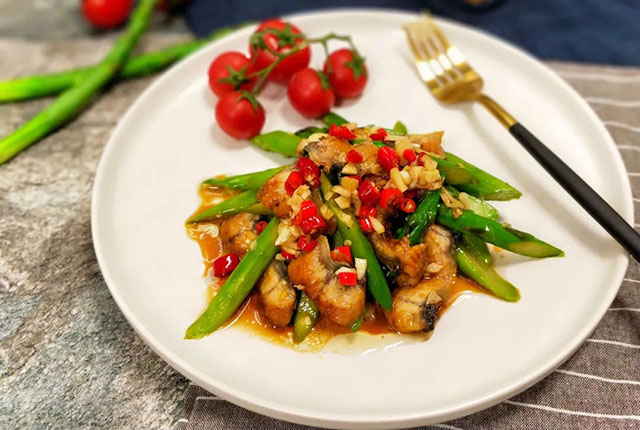
This kabayaki eel recipe also works well in bowls, rolls, and noodle dishes because the supporting ingredients can balance the sauce. For menu ideas beyond rice bowls, see our unagi ramen guide.
Answer Common Unagi Kabayaki Recipe Questions
How do you prevent unagi kabayaki from drying out?
Use gentle heat, cover during early warming, and apply the glaze near the end. Remove the eel as soon as it is hot and flexible. Do not leave it on the pan or grill while preparing side dishes.
Why does kabayaki sauce burn during cooking?
Kabayaki sauce burns when it meets strong direct heat too early or collects on the cooking surface. Warm the eel first, then apply a thin coat to the flesh side. If the sauce smokes, move the eel away from direct heat immediately.
How do you reheat unagi without losing tenderness?
For this unagi kabayaki recipe, reheat slowly with a loose cover, keep the skin closer to the heat source, and glaze only after the interior is warm. Avoid repeated reheating. Portion only what you expect to serve.
Should I make an eel glaze recipe from scratch?
You can, but start with a small batch and adjust one flavor point at a time. If convenience and consistency are your priorities, prepared tare can simplify the final glazing step. The eel itself should remain the main flavor.
Use These Final Checks Before Plating Kabayaki
Before serving your unagi kabayaki recipe, pause for a quick plate check. The eel should look moist rather than wet, shiny rather than blackened, and tender rather than flaky-dry. Rice should support the sauce, not become saturated by it.
- Texture: The fillet bends easily and slices without breaking apart.
- Glaze: The sauce clings in a thin, even layer.
- Color: The surface is deep brown and glossy, not charred.
- Flavor: Sweetness, savory notes, and eel taste remain balanced.
- Service: The dish reaches the table soon after the final glaze.
Once you have the heating sequence right, this unagi kabayaki recipe becomes an easy favorite for weeknight bowls or a more special Japanese-inspired meal. Explore our eel rice bowl toppings for fresh ways to finish your next serving, and share which correction made the biggest difference in your kitchen.
 WhatsApp
 sales@chinaeels.com
 +8619937922411