





Versatile Unagi Recipes for Pre-Cooked Kabayaki Eel
You have high-quality frozen unagi kabayaki, but your menu needs more than the classic unadon. How do you adapt this pre-cooked product for different dishes without sacrificing its delicate texture and rich flavor? The key is matching the reheating method to the final application. Using the wrong technique can turn tender, flavorful eel into a rubbery, disappointing ingredient. This guide provides clear, actionable advice for foodservice professionals on expanding their unagi recipes using ready-made kabayaki.
As a quality specialist with over a decade in seafood exports, I've worked with chefs and importers across Japan, the US, and the EU. A common challenge is maximizing the potential of a high-quality frozen product. Our fully cooked unagi kabayaki is designed for consistency and kitchen efficiency, but understanding its properties is essential for creative menu development.
Matching Reheating Methods to Unagi Dishes
The texture of unagi kabayaki changes significantly based on how you warm it. A gentle steam creates a soft, moist texture, while a quick broil under high heat crisps the skin and caramelizes the sauce. Choosing the right method is the first step to creating successful unagi recipes that stand out. Below is a direct comparison to guide your kitchen workflow.
| Dish Application | Recommended Reheating Method | Resulting Texture & Flavor | When to Use This Method |
|---|---|---|---|
| Unagi Nigiri or Sushi Rolls | Thaw & Broil (or Torch): Thaw completely. Briefly pass under a high-heat broiler or use a kitchen torch for 15-30 seconds. | Warm, slightly crispy skin with a soft, tender interior. The direct heat caramelizes the existing unagi tare, enhancing its savory-sweet notes. | Ideal for applications where the eel is the star and needs a slight textural contrast, like in an eel sushi roll recipe: make unagi rolls. Avoids making the sushi rice warm or soggy. |
| Tamagoyaki (Rolled Omelette) Filling | Thaw & Serve (or Gentle Pan-Warm): Thaw completely and use at room temperature, or gently warm diced/shredded eel in a non-stick pan for 1 minute. | Soft, moist, and pliable. The eel integrates smoothly into the delicate egg layers without creating tough spots. | Best for recipes where the unagi is an included ingredient rather than the main topping. This prevents overcooking and maintains the moisture of the eel. |
| Unagi Ochazuke (Tea on Rice) | Grill or Broil: Place thawed eel skin-side up on a grill or under a broiler until the skin is crisp and the flesh is heated through (approx. 2-3 minutes). | Crispy skin that holds its texture when hot dashi or tea is poured over it. The flesh remains flaky and tender. | Use this method when the eel will be submerged in liquid. The crisp skin provides a necessary textural contrast to the soft rice and broth. |
| Unagi Donburi (Unadon) or Hitsumabushi | Steam & Broil: Steam the eel for 3-4 minutes to plump the flesh. Then, brush with extra eel sauce and place under a broiler for 1-2 minutes to glaze. | Exceptionally soft, fluffy, and moist flesh with a perfectly lacquered, slightly charred surface. This is the classic restaurant-quality method. | This two-step process delivers the best possible texture for traditional rice bowl dishes, closely replicating the "freshly grilled" experience. |
| Pasta or Stir-Fry Add-in | Pan-Sear: Add diced or sliced eel to the pan in the last 1-2 minutes of cooking. Sear briefly on each side. | Firm with slightly crisped edges. The eel holds its shape and absorbs the flavors of the dish without becoming mushy. | Perfect for incorporating eel into heartier, non-traditional dishes where it needs to stand up to other ingredients and tossing. |
Sourcing Checklist for Versatile Frozen Unagi Kabayaki
Not all frozen unagi is created equal, especially when you plan to use it across multiple unagi recipes. A product designed solely for unadon may not perform well in sushi or tamagoyaki. For menu flexibility, B2B buyers should look for specific quality and processing attributes. Before placing your next order, use this checklist to evaluate potential suppliers.

- Is the eel fully boneless and deboned? For kitchen efficiency and customer safety, the product must be free of fine bones. This saves significant back-of-house labor and reduces risk. At Eelpro, all our products are processed to be fully boneless.
- What are the available cutting specifications? A supplier offering custom cuts—such as shredding, dicing, sushi slices, or chunk-cutting—allows you to source product that is ready for specific recipes, minimizing prep time and waste. We provide a full range of custom cutting services.
- Does the supplier have robust food safety certifications? Verifiable certifications like ISO 22000:2018 and HACCP are non-negotiable. They demonstrate a commitment to processes that mitigate food safety risks. Eelpro holds ISO 22000, HACCP, HALAL, and an Export Food Producer Registration Certificate.
- Can the supplier provide full-chain traceability? Knowing where your eel comes from is vital for quality control and market access. We manage ~20 customs-registered eel farming bases, ensuring full traceability from farm to shipment and compliance with EU, US, and Japanese import standards.
- What roasting technology is used? The roasting process impacts fat content and sauce adhesion. Our patented low-fat roasting and deodorizing technology, combined with a precise 4-layer soy sauce coating process, creates a clean-tasting product with a glaze that holds up to various reheating methods.
Common Mistakes When Preparing Pre-Cooked Eel (and How to Fix Them)
Even with a premium product, simple preparation errors can compromise the final dish. As a quality assurance specialist, I've helped clients troubleshoot these common issues. Avoiding them will ensure your unagi recipes deliver the intended flavor and texture every time.
Mistake 1: Thawing Improperly
Rushing the thawing process by using hot water or a microwave can pre-cook the delicate edges of the eel, resulting in a tough, uneven texture.
- The Fix: Thaw the eel overnight in the refrigerator (below 40°F / 4°C). This slow, gentle method preserves the integrity of the flesh and ensures it heats evenly later.
Mistake 2: Overcooking During Reheating
Remember, the product is already fully cooked. The goal is to reheat, not to cook it again. Excessive time under a broiler or in a pan will dry out the eel and make it chewy.
- The Fix: Use high heat for a very short duration. A broiler should be preheated, and the eel placed under it for only 1-3 minutes, just enough to heat through and caramelize the sauce. Watch it closely.
Mistake 3: Not Using Additional Sauce
While our kabayaki is pre-glazed, reheating can sometimes dry the surface. Serving it without a final touch of sauce can leave the dish looking dull and tasting less intense.
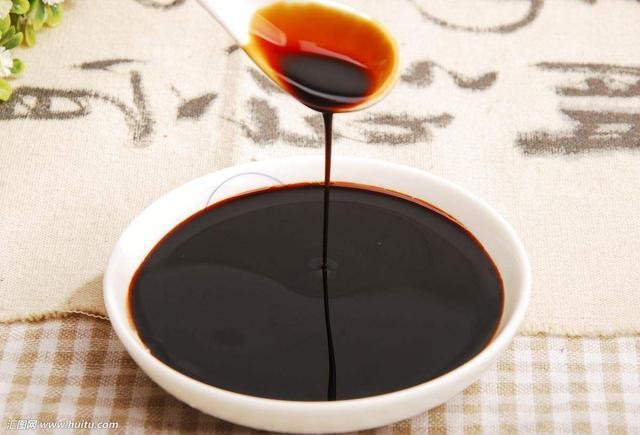
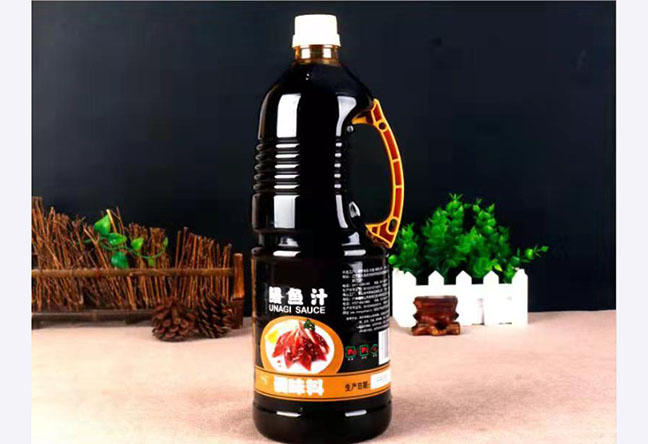
- The Fix: Always have a high-quality unagi tare (eel sauce) on hand. Brush a thin layer onto the eel just before and after reheating. This refreshes the glaze, adds moisture, and deepens the flavor. Explore our guide on how to fix common flavor mistakes in kabayaki sauce.
Mistake 4: Microwaving on High Power
The intense, uneven heat of a microwave is the fastest way to ruin unagi. It creates rubbery hot spots and leaves other parts cold.
- The Fix: If you must use a microwave, use it at 50% power in short 20-second bursts, with the eel covered by a damp paper towel to create steam. However, steaming or broiling will always yield a superior result.
Production Capacity and Quality Control for Global Supply
Expanding your menu with diverse unagi recipes requires a reliable supply of consistent, safe, and high-quality product. At Eelpro, our entire operation is built to support international foodservice and wholesale clients. Our two modern production lines have a combined annual capacity of 4,000 tons, ensuring we can fulfill large and recurring orders.
Quality control is managed by a team of 25 dedicated specialists and supported by our in-house professional laboratory. We implement metal detectors at critical control points and conduct targeted sampling to verify that our products meet the strict veterinary drug residue and microbiological standards of Japan, the United States, and the European Union. This rigorous process, from our certified unagi eel farms to the final packaged product, helps our clients avoid trade risks and confidently serve their customers.
Our 1,000-ton cold storage facility ensures that product quality is maintained from production to shipment, providing a stable foundation for your cold-chain logistics. This infrastructure allows us to deliver consistent quality that you can build your menu upon.
For foodservice importers and distributors, sourcing from a certified and experienced manufacturer is the foundation for creating successful unagi recipes. Our standardized, ready-to-heat products reduce your clients' back-of-house labor while offering the versatility needed for menu innovation.
To discuss your specific product needs, from cut specifications to packaging formats, please contact our export team for a detailed consultation and a customized quote.
 WhatsApp
 sales@chinaeels.com
 +8619937922411