


Here's What Really Goes Into Classic Eel Rolls Sushi Chefs Recommend
Ever ordered an eel roll and wondered what separates a good one from a soggy, bland disappointment? The question comes up constantly among home cooks: what exactly belongs inside a proper eel cucumber roll, and why do some versions taste sweet and balanced while others taste like a sauce bottle exploded? If you're comparing eel rolls sushi recipes for the first time, the ingredient list looks simple. The execution is where most people go wrong.
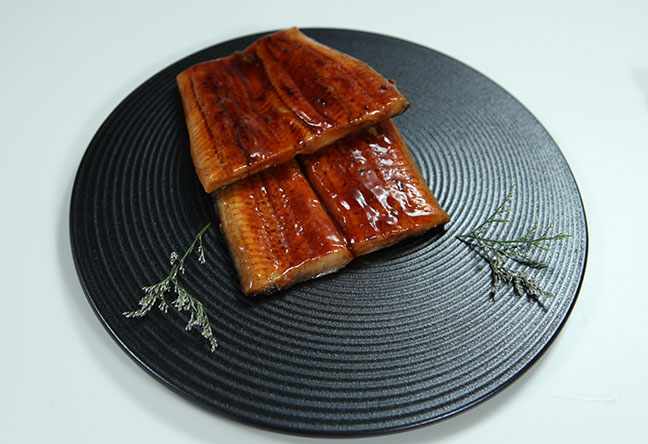
The Four Ingredients That Define a Classic Unakyu Roll
"Unakyu" is the Japanese shorthand for eel-cucumber rolls — unagi plus kyuri (cucumber). Strip away the garnish and every traditional version comes down to four components:
- Kabayaki eel — freshwater eel that has been butterflied, grilled, and coated in a soy-based glaze. This is the backbone of the roll; without it, you just have a cucumber maki.
- Cucumber, deseeded — Japanese or English cucumber, cut into thin matchsticks. The seeds get scraped out first because they release water and make the roll soggy within minutes.
- Sushi rice (shari) — short-grain rice seasoned with rice vinegar, sugar, and salt, cooled to room temperature before rolling.
- Nori — the seaweed sheet that holds everything together, toasted side facing the rice in most hand-roll styles.
A drizzle of eel sauce (unagi tare) and a pinch of toasted sesame seeds finish the roll. That's it. No avocado, no cream cheese, no tempura flakes — those are modern add-ons, not the original recipe. For a full walkthrough of technique, our unakyu maki guide covers knife angles and rolling pressure in more detail.
Comparison: Standard Eel-Cucumber Filling vs Avocado, Cream Cheese, and Sprout Variations
Restaurants and home cooks modify the classic roll constantly. Here's how the common variations actually stack up, so you can decide which one fits your menu or your dinner table.
| Filling Style | Flavor Profile | Texture | Best For | Limitations |
|---|---|---|---|---|
| Standard eel-cucumber (unakyu) | Sweet-savory glaze, clean cucumber crunch | Firm eel, crisp cucumber, soft rice | Traditional menus, purists, first-time tasters | No creamy richness — some diners find it too lean |
| Avocado add-in | Adds buttery, mild sweetness that softens the glaze | Creamy against crisp cucumber | Western-style sushi menus, uramaki (inside-out) rolls | Avocado browns fast; must be cut and rolled within minutes |
| Cream cheese version | Rich, tangy, closer to a Philadelphia roll | Very creamy, loses cucumber crunch contrast | Fusion menus, customers who like Western rolls | Masks the eel's own flavor; not authentic to Japanese tradition |
| Sprout variation | Light, grassy, slightly peppery | Adds crunch without extra moisture | Health-focused menus, lower-calorie positioning | Sprouts wilt quickly; not ideal for take-out orders held over 30 minutes |
If you're running a foodservice operation, the practical answer is: keep the standard eel-cucumber roll on the core menu and treat the others as limited specials. Avocado and sprout versions have short shelf windows once rolled, which matters if you're prepping ahead for lunch service.
Step-by-Step: Rolling an Eel Cucumber Sushi Roll at Home
- Cook and season the rice — short-grain rice, seasoned while still warm, then cooled to room temperature. Rolling with hot rice makes the nori go limp.
- Warm the kabayaki eel — thaw per package instructions, then reheat gently (oven or steam) until just warmed through. Overheating dries out the glaze.
- Prep the cucumber — quarter lengthwise, scrape out the seeds with a spoon, slice into matchsticks about the width of a pencil.
- Lay the nori — shiny side down on a bamboo mat, rice spread evenly, leaving a 1-inch border at the top edge.
- Add the filling — one strip of eel, two or three cucumber sticks, placed in a line near the bottom third.
- Roll tightly — use the mat to apply even pressure, tucking the filling in on the first turn.
- Slice with a wet, sharp knife — into 6 to 8 even pieces, wiping the blade between cuts to keep edges clean.
- Finish — drizzle eel sauce over the top, sprinkle sesame seeds, serve immediately.
For a deeper look at knife technique before this stage, the guide on cleaning, skinning and deboning eel is worth reading if you're starting from whole eel rather than pre-cooked kabayaki.
Common Mistakes That Ruin an Eel Roll
- Skipping the cucumber deseeding step. Seeds hold water — your roll turns soggy within 20 minutes of assembly.
- Using rice that's still warm. It steams the nori from the inside, making it tear instead of hold a tight roll.
- Drowning the roll in sauce. Eel sauce is concentrated; a light drizzle is enough. Too much and the sweetness overwhelms the eel itself.
- Reheating eel at high heat. This dries the glaze and toughens the flesh — gentle, gradual warming preserves the texture.
- Cutting with a dry knife. A dry blade drags on the rice and crushes the roll instead of slicing cleanly.
Sourcing Eel for Rolls: What Restaurants and Importers Should Check
Home cooks can buy a single pack and move on. Restaurants and distributors have a harder question to answer: can this supplier deliver consistent quality, batch after batch, across sushi menus that depend on it?
A few things worth checking before placing a bulk order:
- Certification status — look for ISO 22000:2018 and HACCP certification, plus export food producer registration if you're importing. HALAL certification matters if you're serving mixed markets in Southeast Asia or the Middle East.
- Traceability — ask whether the supplier can trace a batch back to its farming base. Full-chain traceability from farm registration through processing to shipment reduces recall risk significantly.
- Residue and microbiological testing — confirm the product meets food inspection standards for veterinary drug residues, a common sticking point for Japan, US, and EU customs clearance.
- Cold-chain capacity — a supplier with dedicated cold storage (not just freezer rental) tends to hold product quality better over long shipping routes.
Eelpro operates two production lines with a combined annual capacity of 4,000 tons, backed by roughly 20 customs-registered farming bases covering over 2,150 mu, and a 1,000-ton cold storage facility for stable logistics. The patented low-fat roasting process and 4-layer soy-sauce coating method are what give the unagi kabayaki eel its consistent color grading between batches. Every critical control point runs through an in-house laboratory testing setup with metal detectors, reviewed by a 25-person quality-control team.
Nancy Chen, our Senior Food Safety and Quality Specialist and an ISO 22000/HACCP certified auditor, notes that most import rejections she's seen over 12 years in seafood QA trace back to incomplete documentation rather than product defects — a good reason to ask for traceability records up front, not after the shipment lands.
Frequently Asked Questions About Eel Rolls Sushi
Can I replace cucumber with avocado entirely?
Yes, but understand the trade-off: avocado adds richness and softens the sweet glaze, while cucumber's job is cutting through it with crunch and acidity. Replacing it entirely changes the roll's balance, not just its texture.
Is raw eel ever used in these rolls?
No. Freshwater eel blood contains a toxin that's neutralized by cooking, so eel for sushi is always grilled or steamed first — never served raw like tuna or salmon.
How long can thawed kabayaki eel sit before use?
Once thawed under refrigeration, use it within the timeframe stated on the packaging and keep it chilled until the moment of reheating. Don't leave it at room temperature for extended periods — freshness and food safety both depend on that cold chain.
Does eel sauce actually contain eel?
Traditionally, yes — tare sauce was originally made by reducing eel cooking liquid with soy sauce, sugar, and mirin. Commercial versions today are usually eel-free, built from soy sauce, sugar, and mirin alone, though the name has stuck. For flavor comparisons, see this breakdown of kabayaki sauce.
Looking to compare specs or request a sample of frozen unagi kabayaki for your own menu testing? Reach out for a quote or spec sheet — we're happy to walk through MOQ and packaging options based on your order size.