





The Japanese custom known as the "day of the ox during the dog days" sends millions of people to eel restaurants every midsummer. On this day, eating unagi (freshwater eel) is believed to provide stamina and help the body endure the season's oppressive heat and humidity. This tradition is called Doyo no Ushi no Hi.
The tradition dates back hundreds of years and remains one of Japan's most widely observed food customs. Supermarkets stock extra unagi, restaurants extend their hours, and families gather over grilled eel and rice. If you have ever walked past a Japanese restaurant in late July and noticed a line out the door, this tradition is likely the reason.
At Eelpro, we see demand for unagi kabayaki spike sharply around this time every year. Buyers from Japan, Southeast Asia, and increasingly the West order ahead to prepare for the day. In this article, we explain what this tradition is, where it came from, and why it endures.
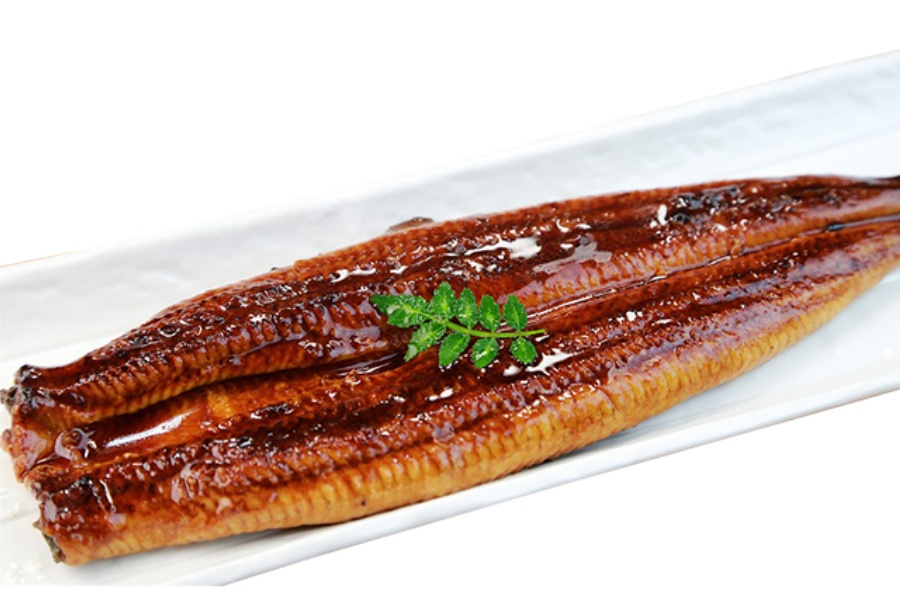
Doyo no Ushi no Hi has roots in both folklore and practical wisdom. The name itself is layered with meaning:
The most popular origin story points to the Edo period (1603–1868). A struggling eel shop owner asked the scholar Hiraga Gennai for help boosting summer sales, which always slumped because people believed eel was too heavy for hot weather. Gennai reportedly advised the owner to put up a sign reading: "Today is the day of the ox—eat eel." The custom caught on, and the rest is history.
Another layer of the tradition ties to the Japanese word play known as "goroawase." Eating foods that start with the sound "u" (like unagi, ume—pickled plum, and uri—gourd) on the day of ushi was thought to bring health. Unagi, being the most satisfying of the three, became the centerpiece.
The belief that eel fights summer fatigue has some grounding in nutrition. Unagi is unusually rich in vitamin A, vitamin B1 (thiamine), vitamin B2, and high-quality protein. A 100-gram portion of grilled eel provides more than 100% of the daily recommended intake of vitamin A and significant amounts of B vitamins that the body uses to convert food into energy.
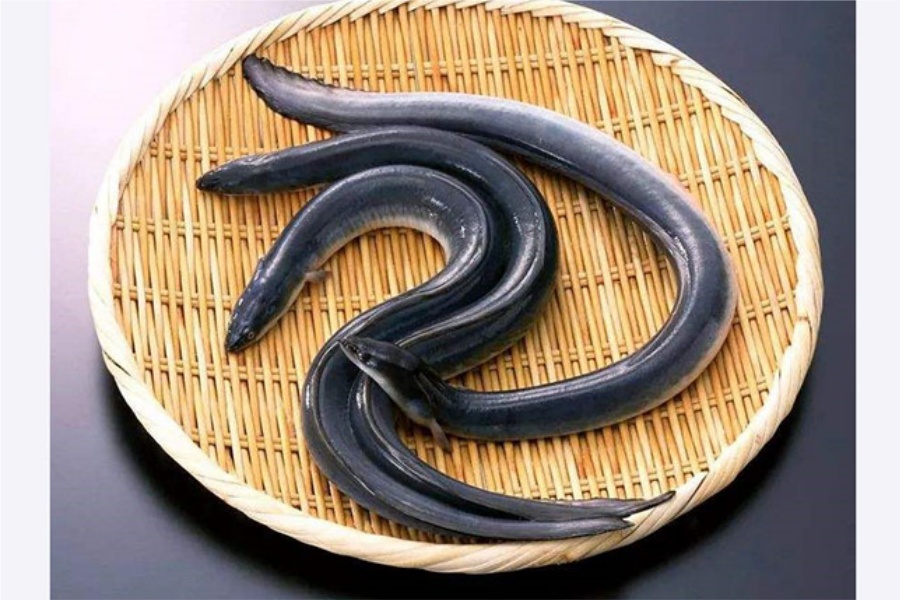
The eel's high fat content—much of it unsaturated—also delivers long-lasting energy, which matters when heat and humidity sap your appetite. Japanese summers are famously brutal, with temperatures regularly exceeding 35°C (95°F) and humidity above 80%. Eating a calorie-dense, nutrient-rich meal like unagi don gave people the fuel to keep working through the hottest stretch of the year.
Today, nutrition science confirms much of what the Edo-period Japanese observed through experience. Eel contains DHA and EPA, omega-3 fatty acids linked to heart and brain health. It is also one of the few natural food sources of vitamin D, which supports bone health and immune function.
Walk through any Japanese neighborhood on the day itself and the smell of grilling kabayaki sauce will lead you to every eel restaurant and supermarket in sight.
Restaurants prepare days in advance. Many take reservations only, and some are booked weeks ahead. The classic order is unaju—a lacquered box of rice topped with grilled unagi, served with a bowl of miso soup and pickles. Prices are higher on this day, but few people mind. It is closer to a holiday meal than a regular dinner.
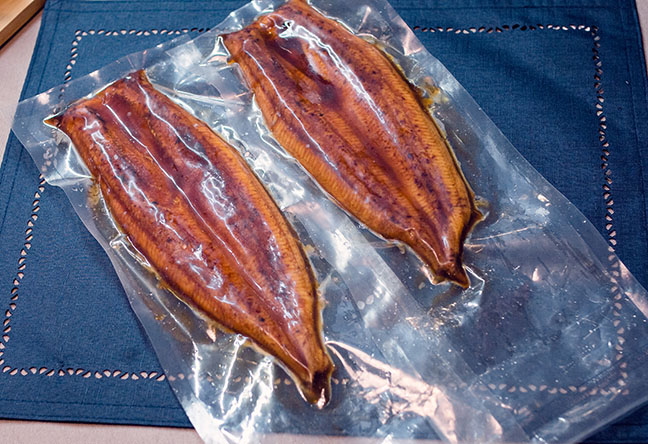
Supermarkets sell pre-grilled unagi fillets in vacuum packs, and these sell out by early afternoon. The prepared-food sections fill with unagi bento boxes at every price point. Convenience stores get in on the action too, offering unagi onigiri and mini unagi don for customers who want a quick taste of the tradition.
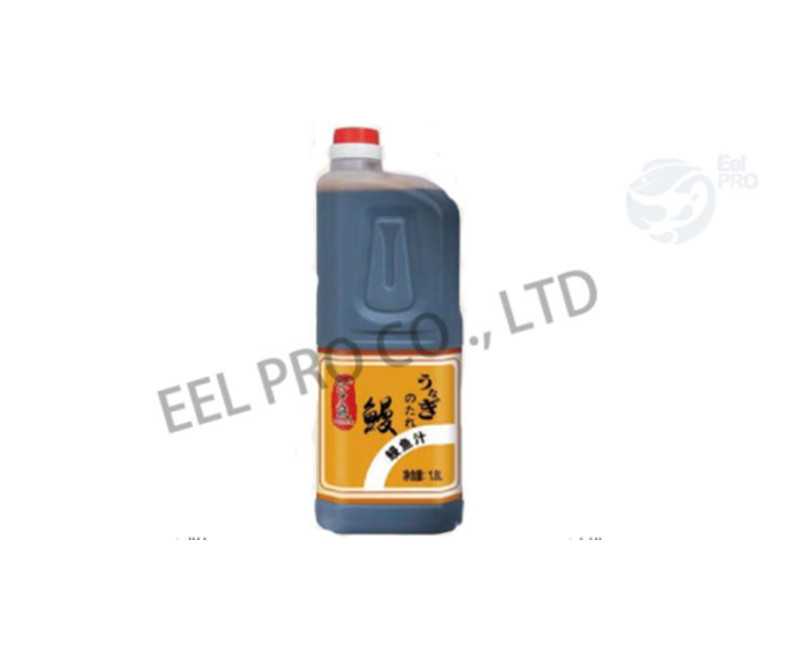
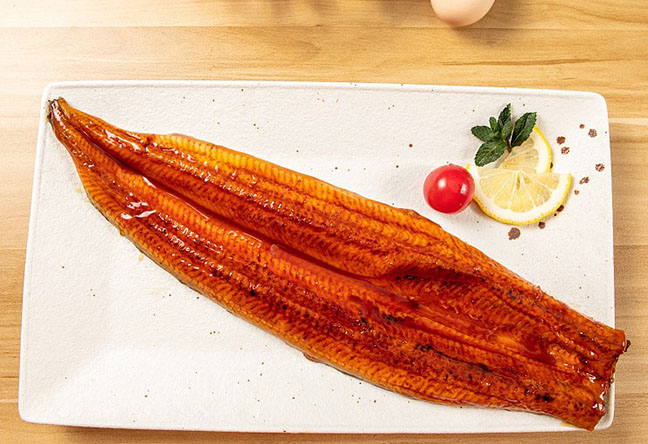
At home, families grill their own unagi using tabletop konro grills or simply reheat pre-cooked fillets in the oven. The meal is almost always unagi over rice, with extra eel sauce poured generously on top. Side dishes are kept simple—clear soup, pickled vegetables, maybe a cold tofu salad—so nothing competes with the eel.
The date changes each year because it follows the lunar calendar's zodiac cycle. In a typical year, there are one or two of these ox days during the summer doyo period. When there are two, the second is sometimes called "ni no ushi" and carries the same eel-eating custom.
You do not need to be in Japan or even be Japanese to enjoy this tradition. Here is how to do it:
If you want to go further, browse our collection of eel recipes for more ways to cook with unagi. From noodle soups to sushi rolls, there are many ways to make eel part of your table.
This tradition is more than just a marketing success story from the Edo period. It is a day when an entire country pauses to enjoy the same food, connected by a shared belief that eel makes you stronger. Whether you believe the folklore or just like the taste, there are worse traditions to adopt than eating grilled unagi on a hot summer evening.
At Eelpro, we supply frozen unagi kabayaki to buyers worldwide. If your business needs a dependable source of quality eel—especially ahead of the summer season—reach out to us. We would be glad to discuss your requirements.

 WhatsApp
 sales@chinaeels.com
 +8619937922411