





Eel fish is traded worldwide as live, fresh, frozen, and prepared seafood for restaurants, supermarkets, wholesalers, and food manufacturers. For overseas buyers, choosing a species is only the starting point. Processing style, traceability, cold-chain management, packaging, and export paperwork can all influence landed cost, compliance, and sales potential.
This guide covers the main commercial species, popular eel fish products, essential quality checks, and the questions to ask an eel fish supplier before placing an order.
“Eel fish” generally refers to freshwater eels in the genus Anguilla, though several marine eel species are also sold for food. Freshwater eels are catadromous: they spend most of their growth phase in rivers, lakes, and coastal waters before migrating to the ocean to reproduce.
Japanese eel is closely associated with unagi cuisine in Japan, China, South Korea, and Taiwan. Its rich texture and relatively high fat content make it well suited to grilling, steaming, and kabayaki preparation. Restaurants commonly use this species for unagi don, unaju, sushi, and eel rice bowls.
European eel appears in many traditional European dishes, from smoked eel to regional soups. International trade demands especially careful legal review because Anguilla anguilla is listed in CITES Appendix II. Depending on the shipment and the countries involved, importers and exporters may need permits or other CITES documentation.
American eel is native to waters connected to the western Atlantic. It can be sold fresh, frozen, smoked, or prepared for foodservice. Before arranging an international shipment, buyers should verify the harvest area, applicable fishery regulations, and the product’s legal status.
Shortfin and longfin eels, including Anguilla australis and Anguilla bicolor, also appear in regional seafood markets. The species name should be stated on the product specification sheet and commercial invoice. If your customers require a specific species, do not rely on the broad term “eel.”
The best format depends on your customer’s kitchen setup, storage capacity, and sales channel. Fresh eel fish may suit processors that want to control cutting and cooking themselves, but it requires rapid handling and dependable refrigerated transport. Product temperature, transit time, mortality risk for live eel, and local import requirements should all be reviewed before shipment.
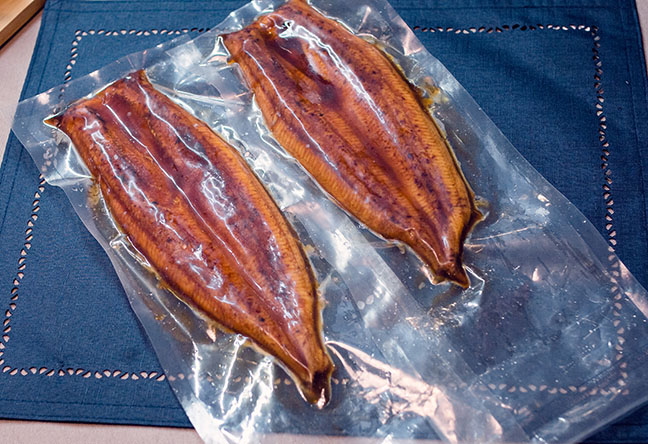
Frozen eel fish is often easier to manage. It supports long-distance shipping, scheduled production, and longer inventory holding. Under the Codex standard for quick frozen foods, the product is generally maintained at -18°C or colder at the thermal center. Your purchase specification should still define the required temperature, glazing allowance, thawing policy, and acceptable temperature records.
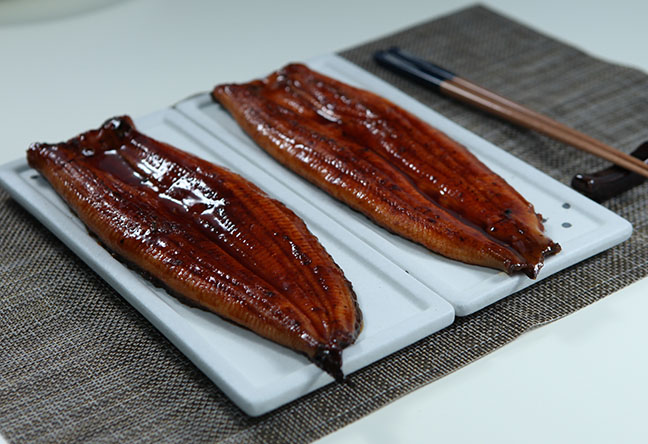
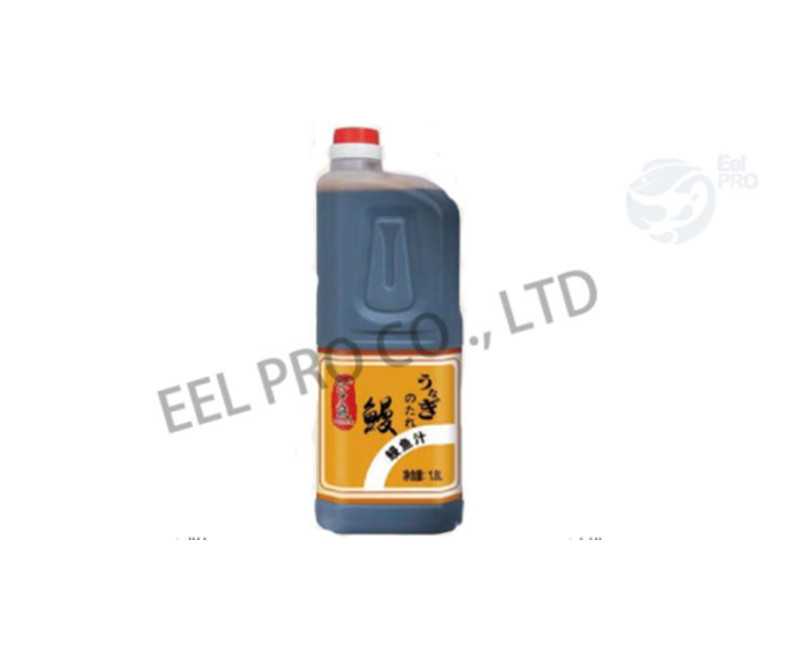
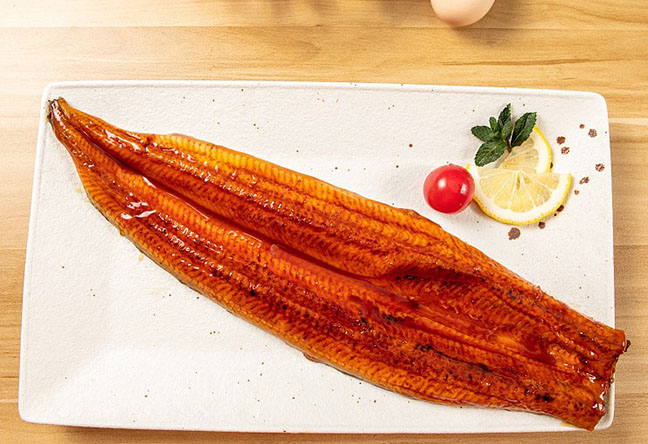
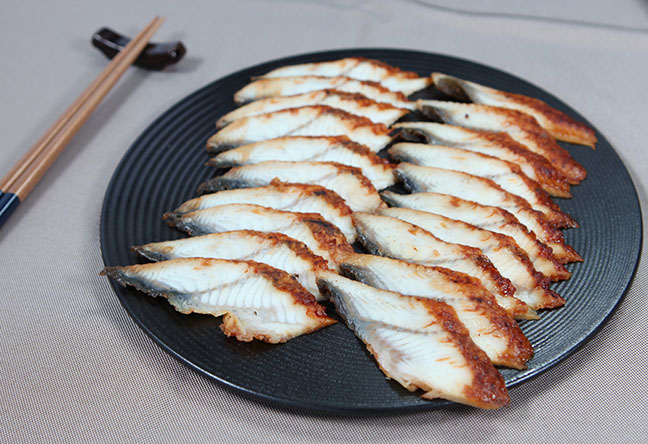
For foodservice operations, frozen unagi kabayaki can reduce kitchen labor and improve portion consistency. Staff can thaw or heat the portions, then serve them with rice, vegetables, noodles, or sushi ingredients. Buyers seeking a sauce-only item can review our eel sauce range and compare pack sizes, flavor profiles, and application requirements.
A clear specification turns a general inquiry into an order that can be measured and inspected. At minimum, define the following points:
For cooked products, include the sauce formula, salt level, cooking yield, heating instructions, allergen information, and shelf life. Our article on kabayaki sauce explains how sauce balance can shape the eating experience and menu application.
Choosing an eel fish supplier involves more than comparing quotations. Begin with the factory profile, product specification, sample process, and export history. Ask where the raw material comes from and how each batch is identified from production through shipment.
Ask whether the plant operates under HACCP-based controls and holds certifications required in your market, such as ISO 22000 or BRCGS. Verify these certifications using current certificates, issuing-body details, and the approved site name. A certificate is useful, but it does not replace your own product checks.
Request photos or video of receiving, grading, cooking, freezing, metal detection, packing, and cold storage. A capable supplier should also be able to explain its corrective action process when a batch fails a test. Buyers often save time by agreeing on a pre-shipment inspection procedure before production begins.
Confirm freezer temperature records, carton dimensions, pallet configuration, and container-loading practices. Frozen eel fish should be packed in food-grade inner bags and strong export cartons designed for frozen handling. Labels should normally show the product name, species where required, net weight, lot number, production date, best-before date, storage temperature, country of origin, and importer information where required by local law.
For retail programs, ask about barcode placement, multilingual labeling, individual portions, and private-label artwork. For restaurants, bulk bags and foodservice cartons may provide easier handling at a lower packaging cost.
Depending on the destination and product type, an export file may include a commercial invoice, packing list, bill of lading, certificate of origin, health certificate, production or facility information, and laboratory reports. Live or certain wild-sourced eels may require additional permits. European eel shipments need particular attention because of CITES controls.
Import rules vary by country. Check requirements with the destination customs authority, food-safety authority, and your customs broker before confirming the order. Your supplier should provide consistent information across the invoice, packing list, labels, health documents, and shipping marks.
Use a staged buying process:
Ask for a quotation that separates product price, packaging, documentation, inland transport, and shipping terms. This makes supplier comparisons more meaningful. Eelpro Co., LTD supplies frozen unagi kabayaki, eel sauce, freshwater eels, and other frozen seafood for overseas buyers. We can discuss pack format, portion size, label requirements, and shipment planning for your market.
Japan is one of the best-known markets for unagi and prepared eel. Eel is also sold in South Korea, Taiwan, China, the United States, and several European markets. Demand differs by species and product form: Japan and other East Asian markets commonly purchase kabayaki and raw material for further processing, while European markets may also stock smoked or traditionally prepared eel.
Market access depends on more than demand. Each destination may set its own requirements for approved establishments, labeling, residues, additives, health certificates, tariffs, and species documentation. Before selecting an eel fish supplier, confirm that both the product and factory can legally enter your target country.
Successful eel sourcing starts with a defined species, product format, quality specification, and document checklist. Compare suppliers on traceability, processing controls, cold-chain performance, packaging, and export support—not price alone. Contact Eelpro Co., LTD to discuss our frozen unagi kabayaki, eel sauce, freshwater eels, and frozen seafood products for your next import program.
Eel fish commonly refers to freshwater eels in the genus Anguilla. Commercial species include Japanese eel, European eel, American eel, and regional shortfin or longfin eels. Product forms range from live and fresh eel to frozen fillets, smoked eel, and cooked unagi kabayaki.
Define the required species, origin, size, cut, packaging, and destination documents first. Then request samples, verify the supplier’s food-safety controls and cold-chain records, check import rules, and place a trial order before moving to regular shipments.
Japan, South Korea, Taiwan, China, the United States, and several European countries import eel in different forms. The permitted species, approved facilities, labels, certificates, and customs requirements vary by destination, so buyers should confirm current rules with local authorities.
Fresh eel fish requires short transit times and continuous refrigeration, while frozen eel fish can support longer storage and scheduled container shipping. Frozen products should be maintained at the specified temperature and protected from thawing and refreezing.


 WhatsApp
 sales@chinaeels.com
 +8619937922411