





An eel roll brings together grilled freshwater eel, seasoned sushi rice, and crisp cucumber in a balanced, satisfying bite. In Japanese sushi, this classic roll is often called unakyu maki. The name combines unagi, meaning freshwater eel, with kyuuri, the Japanese word for cucumber.
For restaurants and sushi distributors, it is a practical item to keep on the menu. Rich, smoky eel is lifted by the fresh crunch of cucumber, while a sweet-savory glaze pulls the flavors together. Because the eel is pre-cooked, the roll can also be assembled quickly during service.
What is an eel roll? It is a sushi roll made with cooked eel—usually grilled eel prepared in the kabayaki style—along with cucumber and sushi rice. The filling is wrapped in nori and cut into individual pieces. Some chefs add sesame seeds, scallions, avocado, or a light touch of mayonnaise, though the traditional version keeps the ingredients simple.
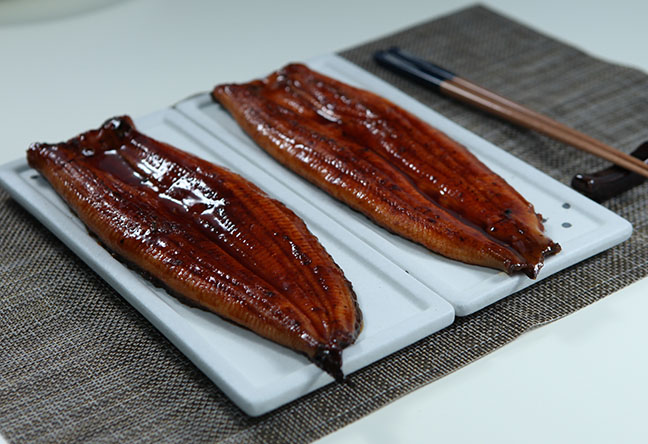
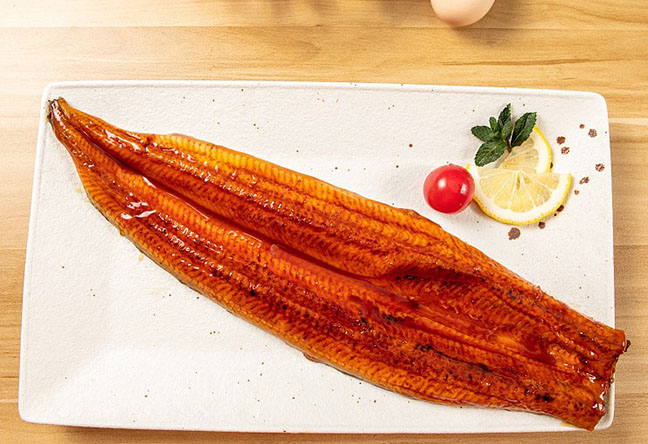
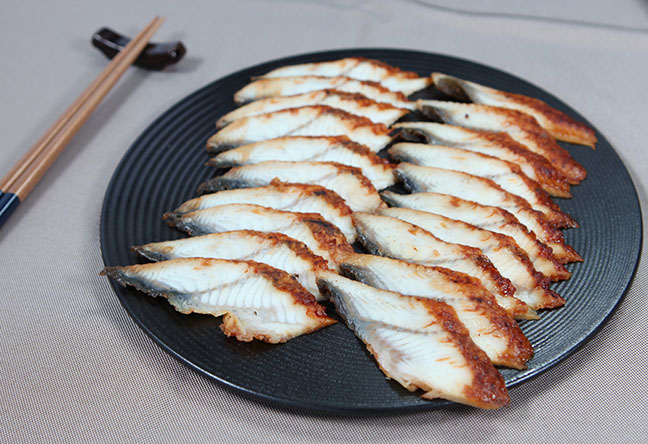
The eel in this dish is freshwater eel, known as unagi in Japanese cuisine. Unlike the raw fish found in some sushi preparations, unagi is cooked before it reaches the plate. It is typically filleted, steamed or grilled, brushed with sauce, then grilled again. That process creates soft, tender meat with a glossy finish.
An eel roll is not simply a seafood roll finished with eel-flavored seasoning. Proper grilled eel has tender flesh, a clean savory flavor, and enough body to stay neatly in place when the roll is sliced.
The appeal of an eel roll lies in the contrast. Kabayaki eel is warm, rich, and gently sweet from the tare sauce. Cucumber is cool and crisp. Sushi rice adds mild acidity and a soft, sticky texture, while nori contributes a subtle roasted flavor.
That balance makes the roll approachable for customers who prefer cooked seafood or are new to Japanese sushi. It also gives chefs flexibility with portioning and presentation. A compact roll suits a lunch menu, while larger pieces work well on a sushi platter.
Good eel should be moist, not dry or overly fishy. The meat should separate easily with chopsticks while remaining tender enough to pair well with rice and nori. Cut cucumber into narrow batons so it keeps its crunch without splitting the seaweed.
The sauce matters as well. A balanced unagi tare has sweetness, saltiness, and a little fermented depth. It should lightly coat the eel rather than soak the rice. You can learn more about the role of this glaze in our article on kabayaki sauce.
How to make eel roll will vary slightly by service model, but the core method is straightforward. Restaurants can prepare the eel in advance, then assemble rolls to order.
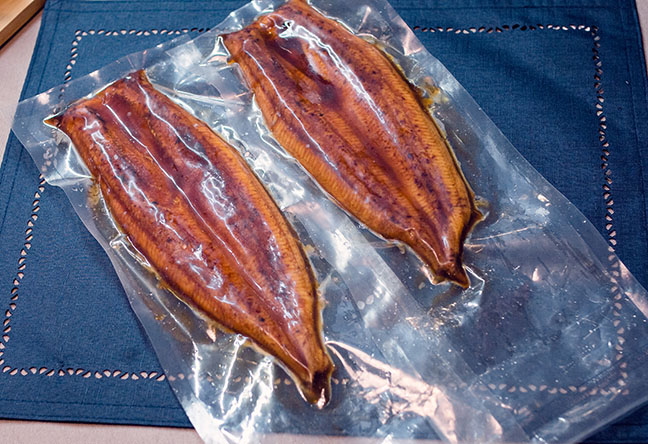
For busy kitchens, portioned frozen products can help maintain consistent serving sizes. Eelpro Co., LTD supplies frozen unagi kabayaki for food-service buyers, importers, and distributors. The eel arrives ready for controlled thawing, heating, slicing, and menu production.
When comparing eel roll vs unagi roll, the answer is generally simple: they are often two names for the same dish. “Unagi roll” identifies the filling by its Japanese name, while “eel roll” uses the English term. Both usually refer to sushi rolls made with cooked freshwater eel.
Small differences can appear from one restaurant to another. One menu may call an eel, cucumber, and sauce roll an “unagi roll.” Another may use “eel roll” for a larger inside-out roll with avocado or sesame. For a clear menu description, list the main ingredients rather than relying on the name alone.
Some operators use “unakyu maki” specifically for the traditional eel-and-cucumber combination. “Maki” means rolled sushi, making the term more precise for both customers and kitchen staff than “eel roll” alone.
An eel roll stands well on its own, but it also fits naturally into combination meals. Pair it with salmon nigiri, shrimp tempura, miso soup, or a small seaweed salad. The warm sweetness of eel complements lighter seafood and vegetable dishes.
For delivery menus, use sauce sparingly. Extra tare in the package can soften the nori and rice during transit. Packing sauce in a separate cup helps preserve texture and lets customers season the roll to taste.
For buffet or high-volume service, cut each roll into eight pieces instead of six. Smaller portions make it easier for customers to sample several dishes. Keep prepared sushi chilled in line with local food-safety rules, and set a clear holding-time policy for your operation.
The same grilled eel can support several other menu items. Serve it over rice in unagi donburi, place it on nigiri, or add it to a noodle dish. Our eel recipes show another way to use cooked eel in a warm food-service application.
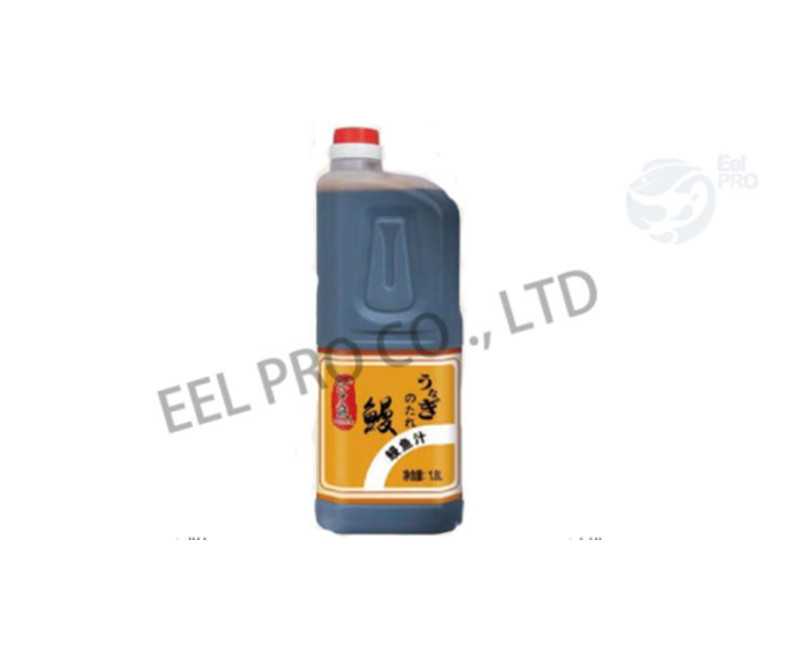
Sauce consistency matters when multiple cooks prepare the same menu item. A ready-to-use eel sauce can help maintain a familiar flavor from one shift to the next. It also eliminates the need to prepare a separate tare batch during service.
When assessing a supplier, ask about eel species, processing methods, glaze ratio, pack sizes, frozen storage, and export documentation. Buyers should also confirm whether the product comes as whole fillets, cut portions, or food-service packs. Those details affect labor, yield, and menu costing.
Clear portion specifications can make a noticeable difference in daily operations. A restaurant planning to use 50 g of eel per roll needs a format that allows repeatable cutting. A distributor serving restaurants with different menu styles may instead prefer several pack-size options.
An eel roll is a sushi roll made with cooked freshwater eel, sushi rice, nori, and commonly cucumber. In Japanese, the traditional eel-and-cucumber version is called unakyu maki. It is usually finished with sweet-savory unagi tare.
To make an eel roll, warm cooked kabayaki eel, cut cucumber into thin strips, spread sushi rice over nori, and place the eel and cucumber near the lower edge. Roll the nori firmly with a bamboo mat, seal it, and cut the roll into six or eight pieces. Add sauce just before serving.
Eel roll and unagi roll commonly describe the same type of sushi. “Unagi roll” may appeal to customers familiar with Japanese cuisine, while “eel roll” is immediately clear to English-speaking diners. Listing “grilled freshwater eel and cucumber” removes any uncertainty.
No. Unagi is normally cooked before it is served. Kabayaki eel is grilled and coated with sauce, then reheated as needed for sushi rolls, rice bowls, and other dishes.
Yes. Frozen unagi kabayaki is commonly used in food service when it is thawed, heated, portioned, and handled according to the supplier’s instructions and local food-safety requirements. It can support consistent preparation throughout the year.
A Reliable Menu Choice for Cooked Seafood
The eel roll earns its place through straightforward ingredients and dependable flavor. Grilled unagi brings richness, cucumber keeps each bite fresh, and seasoned rice gives the dish a familiar foundation for sushi customers. Whether you call it an eel roll, unagi roll, or unakyu maki, it is practical for restaurants and well suited to both dine-in and takeaway menus.
For frozen unagi kabayaki, eel sauce, freshwater eel, and other frozen seafood products, contact Eelpro Co., LTD. We can discuss product formats, packing requirements, and supply options for your market.


 WhatsApp
 sales@chinaeels.com
 +8619937922411