





What is unagi? Unagi is freshwater eel, a popular Japanese food most often grilled and glazed with a sweet-savory sauce. In Japan, the term usually refers to eels in the Anguilla genus—especially Japanese eel (Anguilla japonica)—rather than saltwater conger eel.
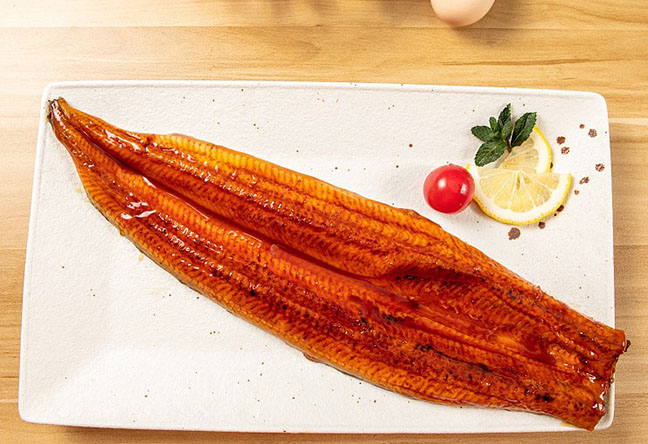
Known for its rich flavor and soft texture, unagi pairs especially well with steamed rice. You will find it in restaurants, bento boxes, sushi, noodle soups, and frozen prepared foods. The best-known preparation is unagi kabayaki, in which eel fillets are split, deboned, grilled, brushed with sauce, and grilled again until glossy.
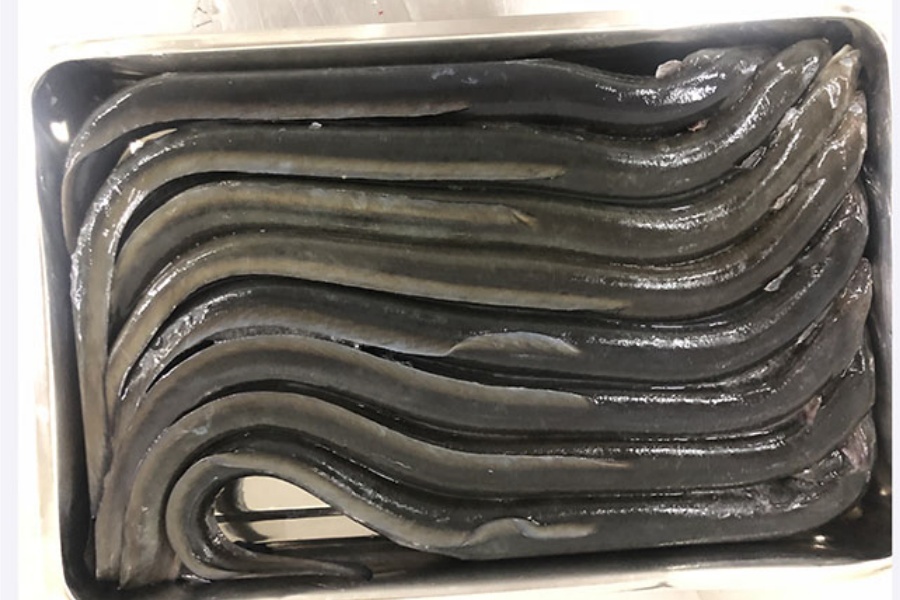
“Unagi” is the Japanese word for freshwater eel. It is not the name of a single recipe. The word identifies the eel itself and, on a menu, may also refer to a prepared dish featuring that eel.
Japanese eel has a long, narrow body and naturally rich fat content. When handled carefully, the flesh becomes tender and delicate. Eel has been linked with summer dining in Japan for centuries, particularly through the custom of eating it on doyō no ushi no hi, a traditional day during the hottest period of the year. That said, unagi restaurants serve it year-round.
Common menu names include:
These dishes reflect unagi’s enduring place in Japanese eel cuisine. The eel is satisfying on its own, while rice, sauce, scallions, sansho pepper, seaweed, and broth can each highlight a different part of its flavor.
Japanese eel is a freshwater eel, although its life cycle depends on both freshwater and the sea. It grows in rivers, lakes, and coastal waters before returning to the ocean to spawn. Its spawning grounds lie far from consumer markets and have been studied in the western North Pacific.
Anguilla japonica is native to East Asia, including Japan, China, Taiwan, and Korea. Other eel species are also used in commercial food production. The right species depends on local availability, market requirements, target size, and the buyer’s product specifications.
Wild eel populations have come under pressure from fishing, habitat loss, and river barriers. The International Union for Conservation of Nature lists Japanese eel as Endangered on its Red List. For importers and food businesses, traceability and responsible sourcing are important. We work with buyers who need clear product information for restaurant service, distribution, and further processing.
The key difference in unagi vs anago is the species and habitat. Unagi generally means freshwater eel, while anago usually refers to conger eel, a marine eel caught in coastal waters. Anago is leaner, lighter in texture, and milder in flavor. Unagi is usually fattier and more full-bodied.
Their preparation differs as well. Unagi is commonly made as kabayaki with a dark, sweet soy-based sauce. Anago is often simmered or grilled with a lighter sauce. They should not be treated as interchangeable when writing a menu, preparing a purchase specification, or comparing costs.
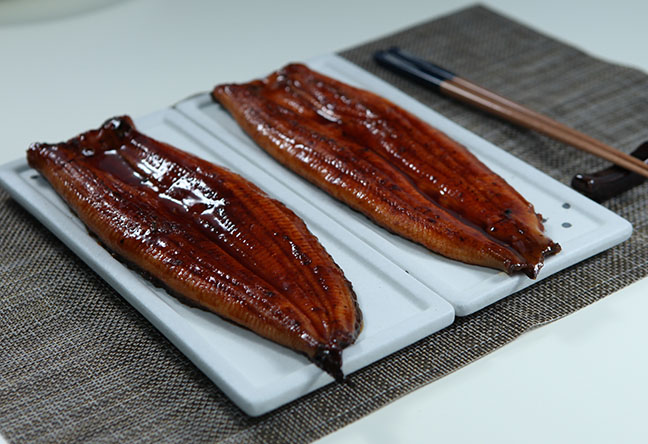
Kabayaki is the classic preparation behind the question, “What is unagi like to eat?” A whole eel is opened, deboned, and cut into practical portions before grilling. The fillets are brushed with tare, grilled again, and coated repeatedly until the surface is caramelized and shiny.
Traditional kabayaki methods vary by region. In eastern Japan, eel is commonly split along the back; in western Japan, it may be split along the belly. The fillet may also be steamed before final grilling. Steaming softens the meat and reduces some excess fat, while direct grilling creates a firmer bite with deeper roasted notes.
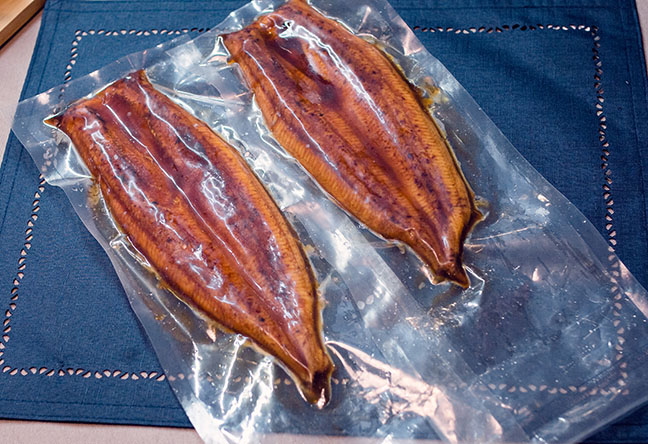
For foodservice, frozen unagi kabayaki provides reliable portion control. Restaurants can thaw only what they need, heat the eel through, and serve it over rice without handling whole raw eel. It suits unadon, sushi counters, bento production, and ready-to-serve meal programs.
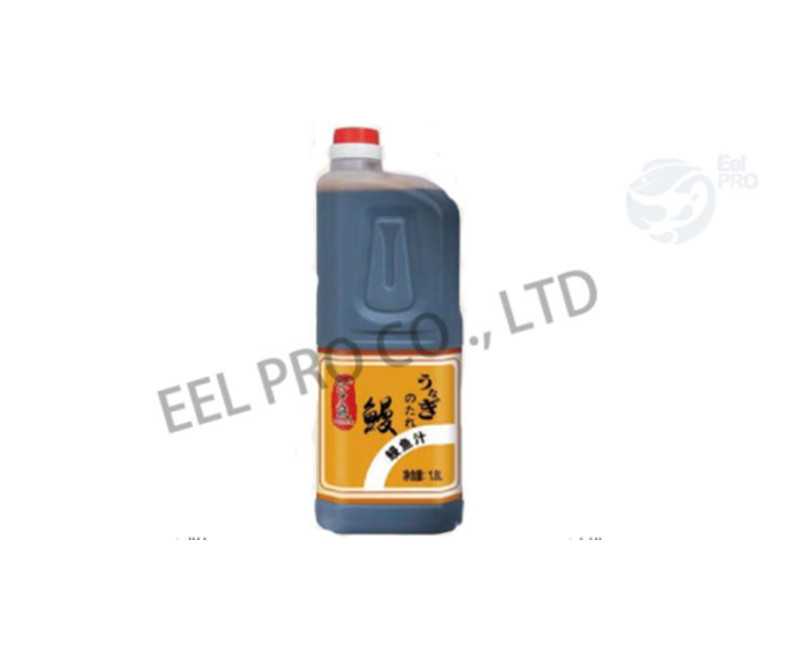
Unagi sauce, also called unagi tare or kabayaki sauce, is usually made with soy sauce, sugar, mirin, and sometimes sake. Recipes vary by producer. A good sauce brings saltiness, sweetness, and a caramelized finish without overwhelming the eel’s natural flavor.
At Eelpro Co., LTD, we supply eel sauce for unagi as a separate product for foodservice and distribution applications. Buyers use it with grilled eel, rice bowls, grilled fish, chicken, tofu, and vegetables. During menu development, sauce viscosity and pack size can matter just as much as the flavor profile.
We have also explained how kabayaki sauce is used with grilled eel. Brushing on a small amount during reheating can freshen the surface without leaving the fillet soggy.
Is unagi cooked? In restaurants and retail products, unagi is normally served cooked. Fresh eel should not be served raw because eel blood contains compounds that can be harmful if consumed. Thorough cooking neutralizes this risk. Commercial kabayaki is generally cooked during processing, then frozen for safe handling and convenient preparation according to the product’s storage and heating instructions.
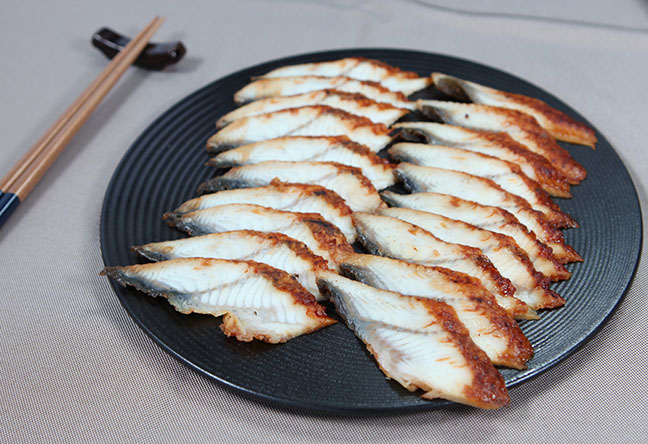
Frozen unagi kabayaki can be reheated by steaming, grilling, pan-heating, or using an oven or microwave. The aim is simple: warm the center while keeping the fillet moist. Many restaurants finish it on a grill or under a broiler to bring back a lightly roasted surface.
For a simple serving, place one portion over hot steamed rice, brush it with tare, and add a little sansho pepper. Keep the sides light. Japanese pickles, miso soup, blanched greens, or a crisp cucumber salad help balance the eel’s richness.
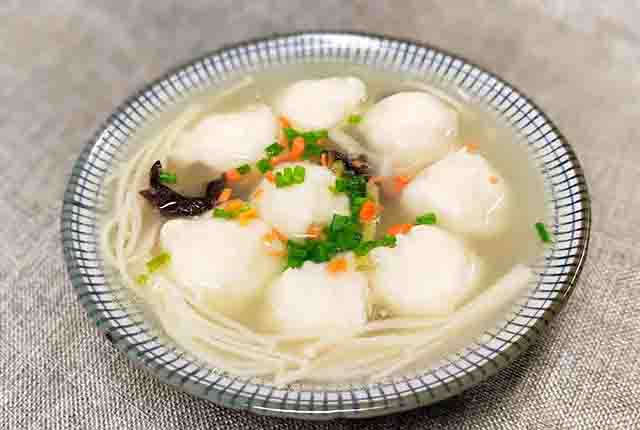
Unagi also works beyond rice bowls. Add sliced fillet to sushi rolls, fold it into fried rice, or serve it with soba. For another menu option, try an eel noodle soup recipe with broth, noodles, vegetables, and pieces of grilled eel added just before serving.
Unagi has a rich, savory flavor and a soft, flaky texture. Properly cooked fillets are tender, not chewy. When finished over high heat, the skin can become pleasantly crisp, while the sauce adds sweetness and umami.
Its flavor varies with the eel’s size, fat content, cooking method, and sauce. Thick fillets may be ideal for rice bowls, while smaller portions often suit sushi or bento meals. When sourcing for a restaurant, ask about portion weight, fillet dimensions, bone removal, glaze quantity, and cooking instructions. Those details directly affect yield and plate cost.
When sourcing unagi, look beyond the product name. Confirm the scientific or commercial species, origin, processing method, net weight, glaze percentage, packaging format, storage temperature, and shelf-life information. Also verify whether the product is fully cooked or requires further cooking.
For distributors, individually packed portions can make stock management easier. Restaurants may prefer larger fillets for unadon and unajū, while sushi operators and prepared-meal manufacturers often need smaller cuts. A stable supply of frozen unagi kabayaki helps maintain consistent portions across multiple locations.
Eelpro Co., LTD supplies frozen unagi kabayaki, unagi tare, freshwater eels, and other frozen seafood for overseas buyers. Tell us your preferred size, packing format, destination market, and estimated order volume so we can discuss a suitable product.
Conclusion: what is unagi for your menu?
So, what is unagi? It is freshwater eel—especially Japanese eel—most famously prepared as grilled kabayaki. Its tender texture, rich flavor, and natural fit with rice make it useful for both traditional Japanese dishes and modern foodservice menus.
Contact Eelpro Co., LTD to ask about frozen unagi kabayaki, eel sauce, freshwater eel, and related frozen seafood products for your restaurant, distribution business, or import program.
Unagi means freshwater eel in Japanese. On menus, it commonly refers to grilled freshwater eel served with a sweet-savory kabayaki sauce, often over rice.
Yes. Unagi served in restaurants and sold as prepared kabayaki is normally cooked before serving. Raw eel should not be eaten because compounds in eel blood can be harmful; proper cooking neutralizes them.
Unagi generally refers to freshwater eel, while anago usually refers to marine conger eel. Unagi is richer and commonly grilled with a dark tare sauce. Anago is usually lighter and may be simmered or prepared with a milder sauce.
Serve unagi kabayaki hot over steamed rice, with tare and optional sansho pepper. It can also be used in sushi, bento boxes, noodle dishes, and other cooked eel cuisine.


 WhatsApp
 sales@chinaeels.com
 +8619937922411