





the bowl is Japan's classic eel rice bowl: grilled eel is laid over steamed rice and finished with a sweet-savory tare sauce. On Japanese restaurant menus, it may also appear as unadon or an unadonburi.
The idea is straightforward, yet the best bowls rely on careful execution. Rice should be fluffy and distinct, never soggy or dense. The eel needs to be tender, with lightly charred edges and a fragrant grilled finish. Tare should bring everything together without masking the eel's natural flavor. For restaurants, distributors, and importers, those details are important when selecting frozen eel products that deliver consistent results.
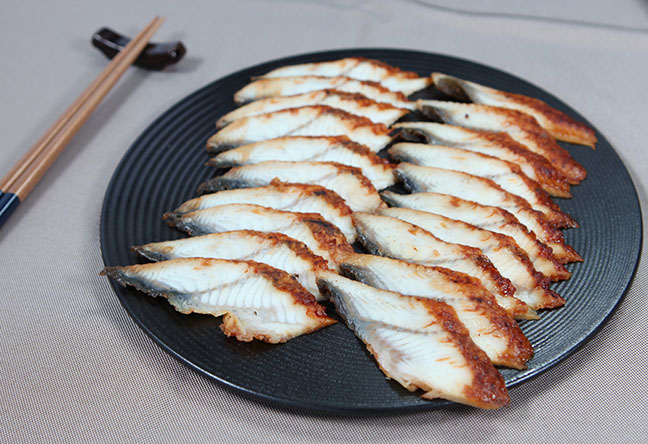
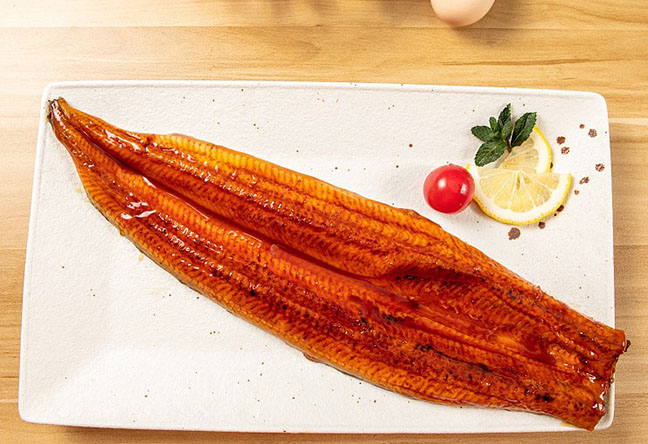
Unagi don is a Japanese eel dish made with grilled freshwater eel and white rice. The eel is typically prepared in the kabayaki style: filleted, skewered, grilled, steamed or cooked until tender, then grilled again with tare. The finished fillet is cut into portions and served over a bowl of hot rice.
The name combines unagi, meaning freshwater eel, with don, a shortened form of donburi, or rice-bowl dish. When the same combination is served in a rectangular lacquered box, it is called unaju. Both dishes share the same essentials: eel, rice, and sauce.
In Japan, unagi is strongly associated with summer, especially the custom of eating eel around Doyo no Ushi no Hi, or the Day of the Ox. Still, it is enjoyed year-round at specialist eel restaurants, casual Japanese restaurants, and prepared-food counters.
Unagi kabayaki is prized for its soft flesh, smoky grilled aroma, and glossy glaze. Preparation varies by region. In the Kanto style, eel is often steamed after the first grilling, resulting in a particularly delicate texture. In the Kansai style, it is generally grilled without that steaming step, so the surface has a firmer bite.
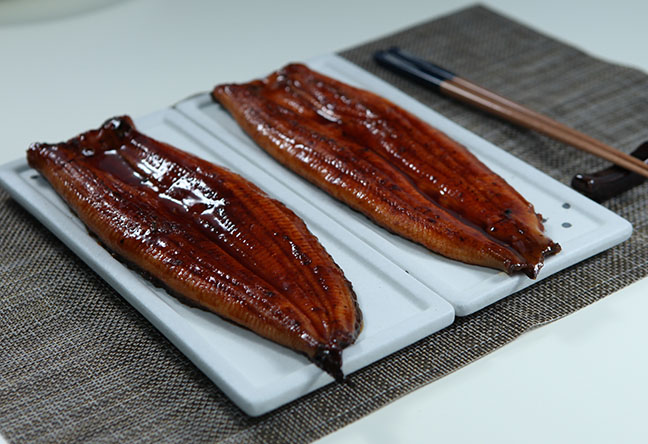
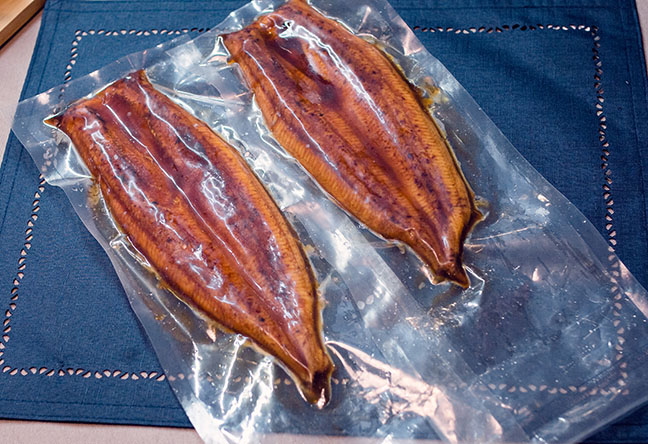
Commercial frozen kabayaki makes service more manageable. A pre-grilled fillet can be thawed according to the supplier's instructions, reheated in an oven, grill, pan, or microwave, and portioned over rice. For busy kitchens, this cuts prep time and helps maintain reliable portion sizes.
A quality fillet should be tender without becoming mushy. The skin adds a pleasant grilled note, while the flesh absorbs the sauce well. Portion size depends on the menu. A smaller cut can suit a lunch set or value meal, while a larger fillet creates a more generous bowl for specialty Japanese dining.
When evaluating a product, look beyond flavor. Check fillet dimensions, glaze level, cooking method, packaging format, storage temperature, and thawing instructions. Each of these factors can affect food cost, plating, and kitchen workflow.
Short-grain or medium-grain Japanese rice works well because it has enough moisture and stickiness to support the eel. Rinse the rice until the water runs clearer, then cook it using the proper water ratio for your equipment. Let it rest briefly, then fluff gently before service.
The rice should be hot when the eel is added. Cold or dry rice can make the bowl taste flat, even if the fillet is well prepared. A standard serving often uses about 180 to 250 grams of cooked rice, depending on the bowl size and eel portion.
When possible, thaw frozen eel under controlled refrigeration. Reheat until hot throughout, following the product instructions and local food-safety requirements. An oven or salamander can help restore the grilled surface. Brush on a little additional tare during the final stage if needed, but avoid over-saucing; too much can make both the eel and rice overly sweet.
For catering or restaurant service, cut the fillet into manageable pieces before arranging it over the rice. Some kitchens serve one whole fillet, while others use two or three sections for easier eating and a more even presentation.
Traditional toppings are usually minimal. Sansho pepper is the classic choice, bringing a citrus-like fragrance and gentle numbing heat. Some menus also use shredded nori, sliced green onion, or pickles. These additions should complement the eel, not compete with its smoky, sweet flavor.

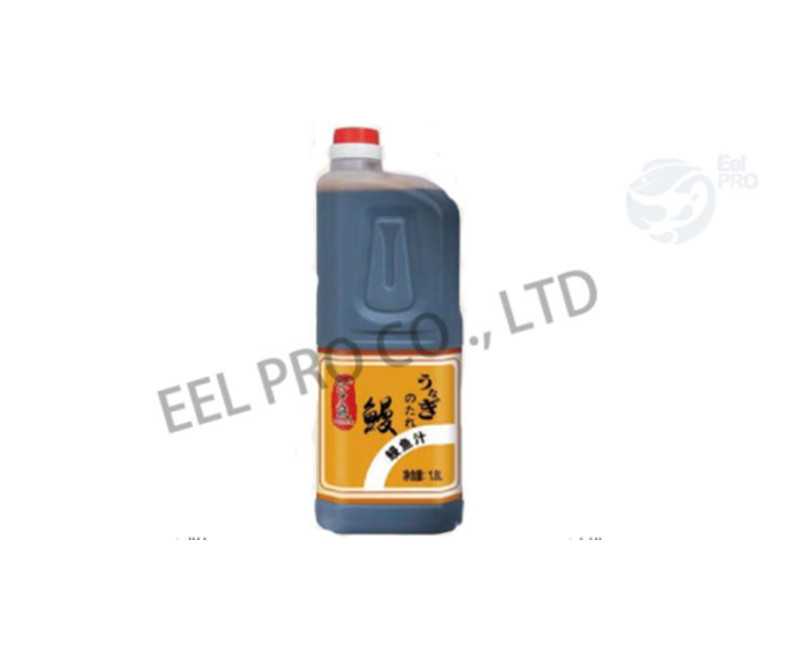
Unagi don sauce, often called unagi tare or kabayaki sauce, commonly contains soy sauce, sugar, and mirin or a similar sweet cooking seasoning. The ingredients are reduced into a shiny glaze with savory, salty, and sweet notes. Recipes differ by restaurant and producer.
The sauce serves two purposes. It seasons the grilled eel, then ties the fish and rice together in every bite. Many restaurants brush tare onto the eel as it grills and add a small amount to the rice or bowl just before serving.
When comparing sauce styles, consider the ingredients, viscosity, salt level, sweetness, and pack size. A ready-to-use product can reduce prep work, while a concentrated sauce gives the kitchen more control over the final strength. Eelpro's article on kabayaki sauce explains how the glaze affects aroma, color, and serving consistency.
There is no complicated etiquette for this dish. Use chopsticks or a spoon, whichever feels more comfortable. Begin with eel and rice together to taste the balance of sauce, fish, and grain. Add sansho pepper gradually, as its aroma can become quite strong when used heavily.
In some Japanese restaurants, the bowl comes with soup, pickles, or a small side dish. A variation called hitsumabushi serves grilled eel over rice with condiments and broth. Diners may first enjoy it as a standard bowl, then add toppings, and finally pour broth over a portion. Hitsumabushi is related to unagi don, but it is a distinct serving style.
For a broader Japanese menu, eel also works well in sushi, rice rolls, grilled skewers, and noodle dishes. Eelpro's eel recipes offer another serving direction for kitchens looking beyond rice bowls.
Product selection should suit your sales channel. Restaurants may focus on fillet size, glaze appearance, and quick reheating. Distributors often need dependable case configurations, frozen-storage information, labeling, and steady supply for multiple customer accounts. Importers should also verify the scientific name, country of origin, processing location, allergen declaration, and documentation required in the destination market.
Freshwater eel is usually sold frozen after processing because freezing supports longer storage and more predictable distribution. Keep products within the specified frozen temperature range and avoid repeated thawing and refreezing. Before adding the dish to a menu, establish a portion guide, reheating procedure, and sauce standard for the kitchen team.
At Eelpro Co., LTD, we supply frozen unagi kabayaki, eel sauce, freshwater eels, and other frozen seafood for overseas buyers. We can discuss pack formats and product specifications based on your restaurant, wholesale, or import requirements.
Unagi don is a Japanese rice bowl topped with grilled freshwater eel, usually prepared as unagi kabayaki and coated with a sweet-savory tare sauce. It is also known as unadon or unagi donburi.
Eat the grilled eel and steamed rice together with chopsticks or a spoon. Add sansho pepper if desired. Pickles, soup, and green onion are common accompaniments, while some related dishes add broth or extra condiments.
Unagi don sauce is a tare glaze made primarily from soy sauce and sugar, often with mirin or another sweet cooking seasoning. It is brushed onto the eel during grilling and may also be drizzled over the rice.
Yes. Frozen pre-grilled kabayaki is commonly reheated for service when handled according to the supplier's storage, thawing, and cooking instructions. Confirm local food-safety requirements and choose a fillet size that suits your menu.
Bring Unagi Don to Your Menu
Unagi don comes down to three elements: tender grilled eel, properly cooked rice, and balanced tare. With reliable frozen products and a clear kitchen procedure, you can serve this classic Japanese eel rice bowl with dependable quality. Contact Eelpro Co., LTD to discuss frozen unagi kabayaki, eel sauce, freshwater eels, and frozen seafood for your market.


 WhatsApp
 sales@chinaeels.com
 +8619937922411