





the dish is a comforting Japanese dish built around freshwater eel, clear broth, and understated seasonings. It can appear as a light starter, an accompaniment to rice, or a restorative bowl on a cool day. In Japan, eel is best known as unagi kabayaki served over rice, but soup reveals a lighter, more delicate side of this ingredient.
Several styles are worth knowing. Kimosu, sometimes written as kimosui or kimosoup on English-language menus, is made with eel liver. A clear eel broth may also be described as dojimasu in terminology used for this dish. Rather than being rich or heavy, these soups let the clean flavors of eel, dashi, soy sauce, and fragrant garnishes come through.
What is this soup? It is a Japanese soup that combines eel or eel liver with a lightly seasoned stock. The precise recipe varies by region, restaurant, and ingredient availability. Some cooks use grilled eel, while others blanch or simmer eel pieces before serving. Eel liver, prized for its distinctive flavor, is the traditional choice for kimosu.
The broth is usually clear and gently seasoned. Dashi made from kombu and dried bonito creates a savory foundation, followed by light soy sauce, sake, and a pinch of salt. Mitsuba, scallion, yuzu peel, or sansho may be added just before serving. The finished soup is warm and fragrant without burying the eel beneath a thick sauce.
That sets eel soup apart from a rich seafood chowder or spicy stew. It is closer to a classic Japanese clear soup, often served in a small lacquer bowl. The serving may be modest, yet every element has a purpose.
Kimosoup is closely associated with traditional unagi restaurants. When an eel is prepared, the liver can be separated, cleaned, and used in soup rather than discarded. Its taste is more pronounced than the flesh, with a slightly mineral edge. For guests who have not tried eel liver before, a small serving is often the best introduction.
A restaurant may list kimosu alongside grilled eel rice, eel sushi, or a set meal. It is especially fitting before unagi don, as the clear broth freshens the palate between bites of sweet-savoury grilled eel.
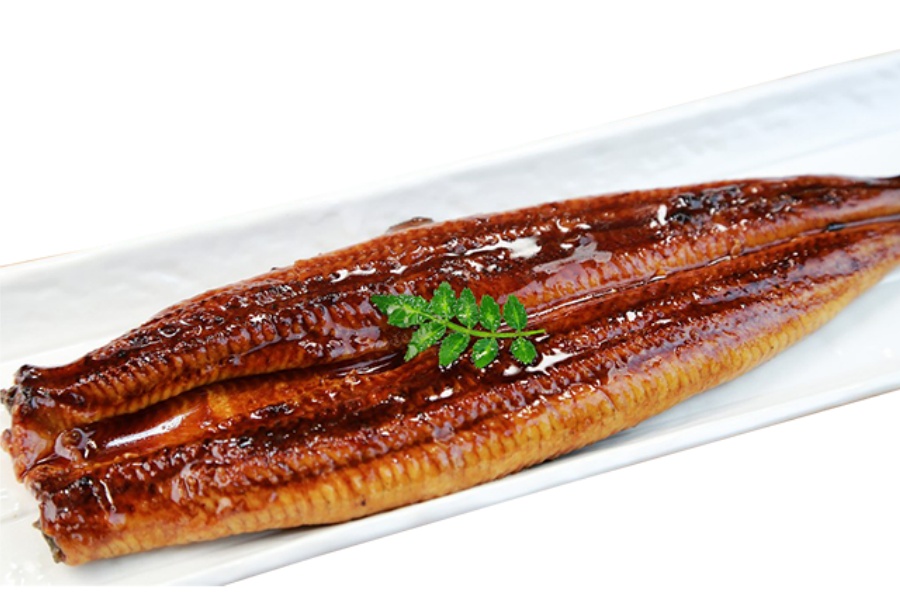
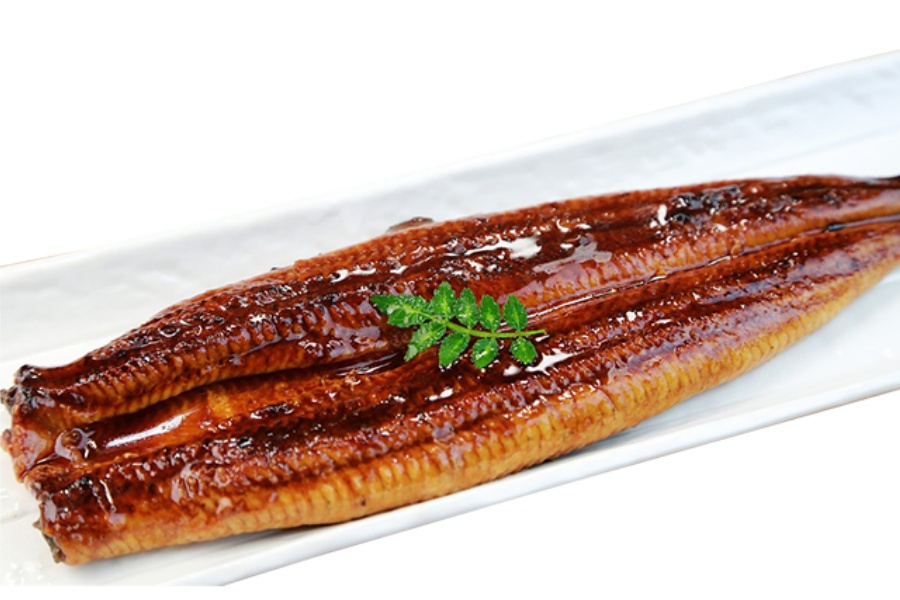
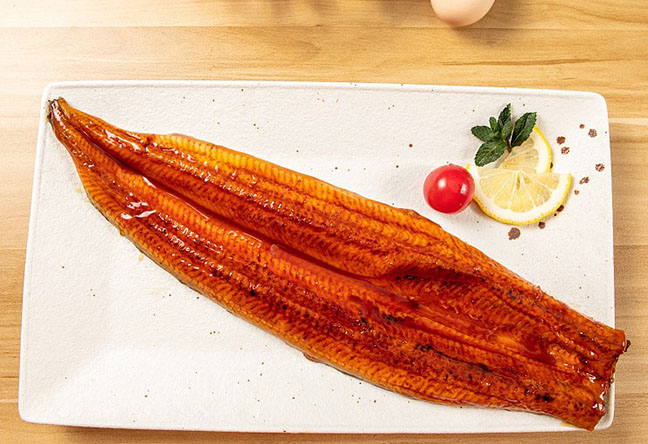
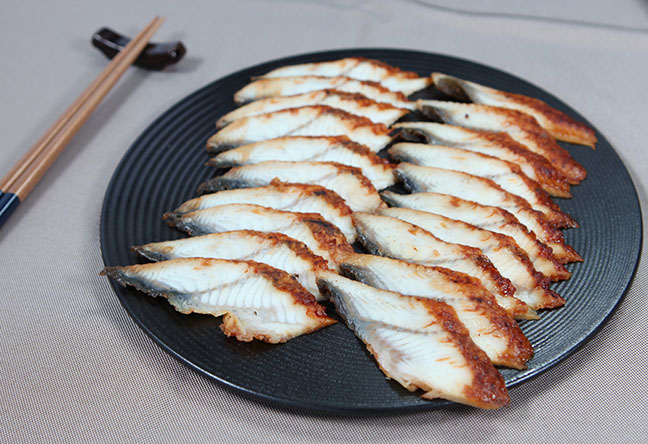
Unagi soup can also refer to a broth containing pieces of grilled eel rather than liver. This approach works well when you want to turn prepared portions into a warm eel dish. Add small cuts of unagi kabayaki shortly before service so the eel stays tender and its caramelized surface remains visible.
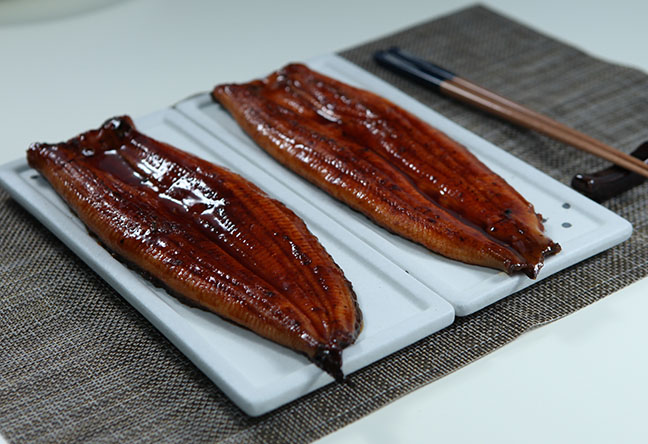
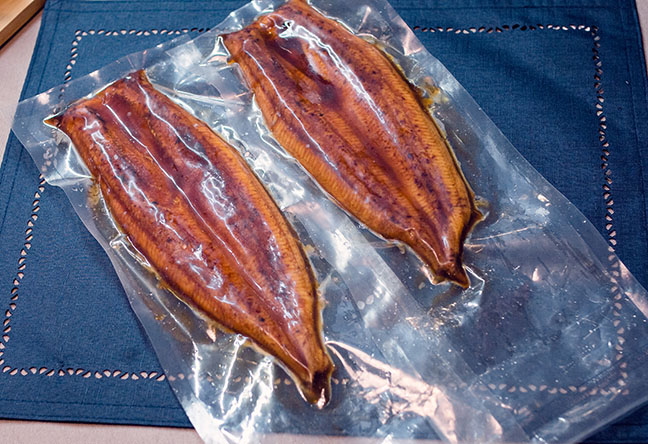
For restaurants, pre-cooked frozen eel can make preparation more efficient. Eelpro’s unagi kabayaki is prepared for convenient heating and portioning. The same product can be served over rice, used in sushi items, or featured in a soup special without requiring a kitchen to hold raw eel for extended periods.
How to make eel soup depends on whether you are working with fresh eel, eel liver, or cooked kabayaki. The method below uses cooked eel and makes a clear, practical soup for two servings.
If you are using frozen eel, thaw it under controlled refrigeration where possible and heat it thoroughly before service. Always follow the storage and heating instructions supplied with the product. In a busy kitchen, portioning eel before service helps keep bowl sizes consistent and reduces last-minute handling.
Eel sauce can be used sparingly, but it should not take over the soup. A few drops add depth when the broth is served with grilled eel. Eelpro’s eel sauce also works well for rice bowls, noodle dishes, and other menu applications. Treat it as a finishing touch rather than a substitute for dashi seasoning.
A Japanese eel soup recipe can be adapted without losing its essential character. For a restaurant lunch set, add a few spinach leaves or finely sliced mushrooms. For a more traditional presentation, keep the bowl focused on eel, clear dashi, and mitsuba.
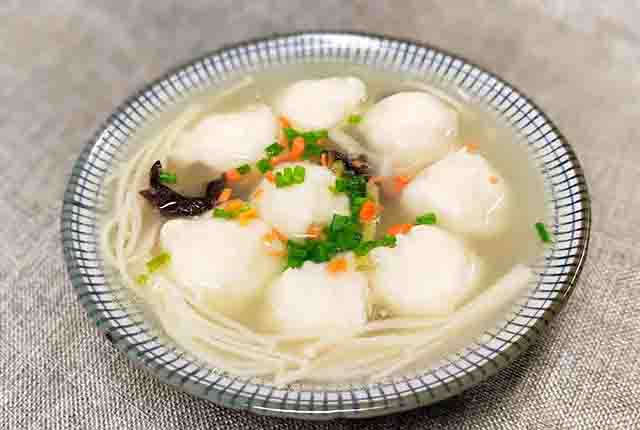
Eel noodle soup is another useful variation. Wheat noodles, somen, or thin udon make the dish more substantial. Cook the noodles separately and drain them well before adding them to the bowl; this keeps excess starch from clouding the broth. Our guide to eel recipes includes practical cooking steps and ideas for pairing eel with noodles.
For a mild family-style version, use grilled eel and leave out the sansho. On an adult menu, yuzu peel and sansho add aroma without bringing the weight of a chili-based seasoning. If customers prefer a sweeter profile, offer a small amount of sauce on the side instead of stirring a large quantity into the soup.
An eel dish does not have to be limited to a single rice bowl. Soup gives importers, distributors, and restaurants another way to use the same product across the menu. A small bowl can be part of a set meal, offered as a seasonal special, or paired with sushi and grilled seafood.
The format also makes portion control straightforward. A 50–60 g eel portion can suit a starter, while a larger portion can anchor a complete noodle bowl. The right serving size will depend on menu pricing, side dishes, and customer expectations.
Presentation matters, too. Use a small lidded bowl for a traditional set meal or a deeper ceramic bowl for noodles. Keep the broth clear, position the eel where customers can see it, and add the garnish immediately before serving. Those details make the dish feel considered without creating extra kitchen work.
Prepared kabayaki is particularly useful for menu testing. A chef can compare eel soup, rice bowls, sushi rolls, and grilled eel plates while using one consistent product format. Our article on kabayaki sauce explains how the glaze shapes flavor and menu pairing.
Eel soup is commonly made with dashi, cooked eel or eel liver, soy sauce, salt, and optional sake. Scallion, mitsuba, yuzu peel, and sansho are common finishing ingredients. Kimosu specifically refers to a soup using eel liver.
Thaw and heat the frozen eel according to the supplier’s instructions. Prepare a clear dashi with light soy sauce and salt, then place the warmed eel in a bowl and pour the broth over it. Keep the sauce light so the soup remains clear and balanced.
Start with cooked kabayaki, dashi, light soy sauce, scallion, and a small amount of yuzu or sansho. Heat the eel separately, season the broth gently, and combine them just before serving. This is a straightforward Japanese eel soup recipe with no raw-eel preparation.
Not always. Unagi soup may refer to soup containing eel flesh, while kimosu is traditionally made with eel liver. Restaurant naming varies, so checking the menu description is sensible when ordering or writing product specifications.
Bring a Warm Eel Dish to Your Menu
Eel soup offers a quiet, satisfying way to serve freshwater eel. Clear dashi, carefully heated eel, and a few fresh garnishes can create a Japanese soup suited to set meals, noodle menus, and seasonal specials. Contact Eelpro Co., LTD to discuss frozen unagi kabayaki, eel sauce, freshwater eels, and other frozen seafood for your market.



 WhatsApp
 sales@chinaeels.com
 +8619937922411